A Grid Divided: The 2026 Australian Grand Prix Exposes a Dangerous Rift Between F1’s Technological Ambition and Driver Safety
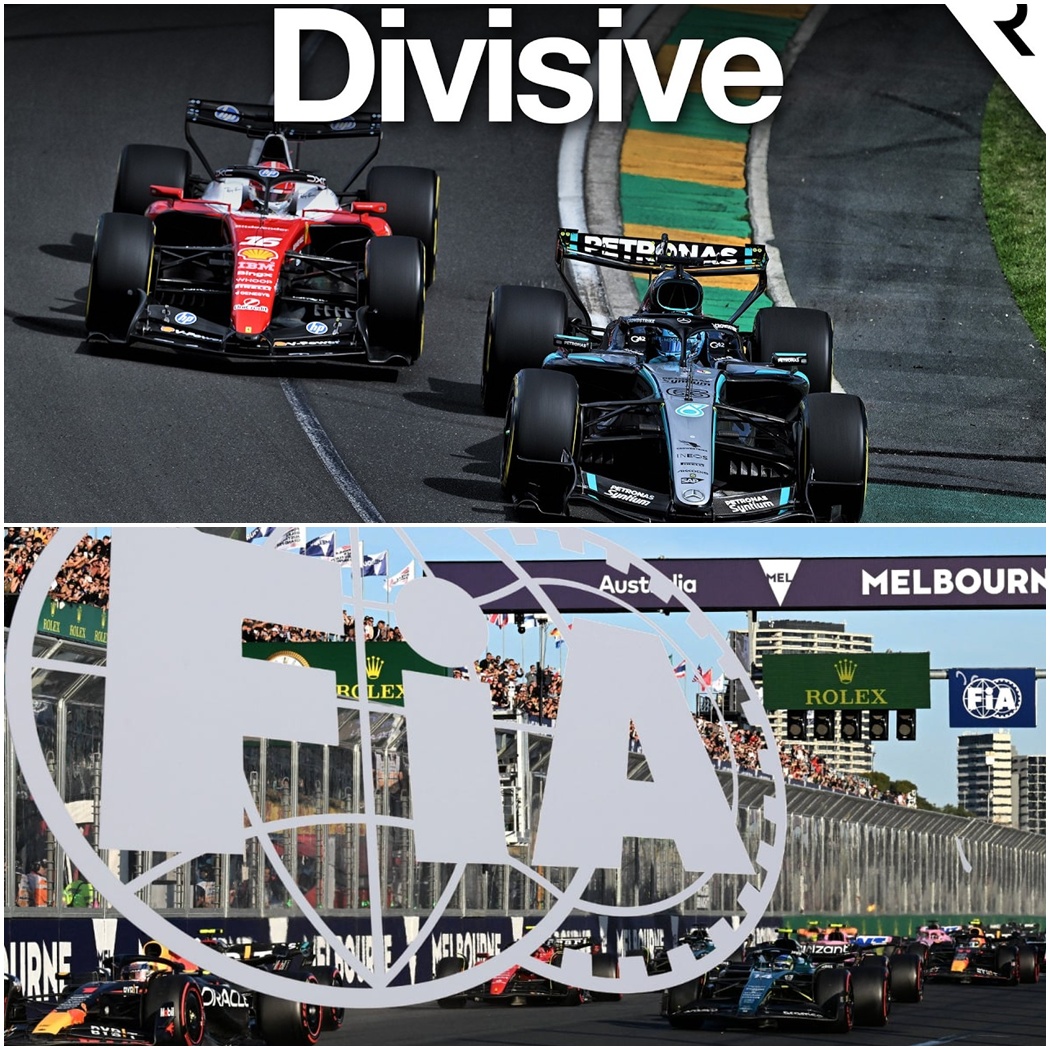
The first chapter of Formula 1’s 2026 era has been written, but instead of a celebration of technical innovation, the Australian Grand Prix has left the paddock in a state of profound and bitter division. What was supposed to be a triumphant debut for the new power units and active aerodynamics turned into a polarizing spectacle that has some drivers praising the strategic depth and others labeling the sport “artificial,” “dangerous,” and even “Formula E with a different name.” As the checkered flag fell over Albert Park, the 2026 regulations didn’t just crown George Russell as a winner; they exposed a massive fault line in the very identity of the world’s most prestigious racing series.
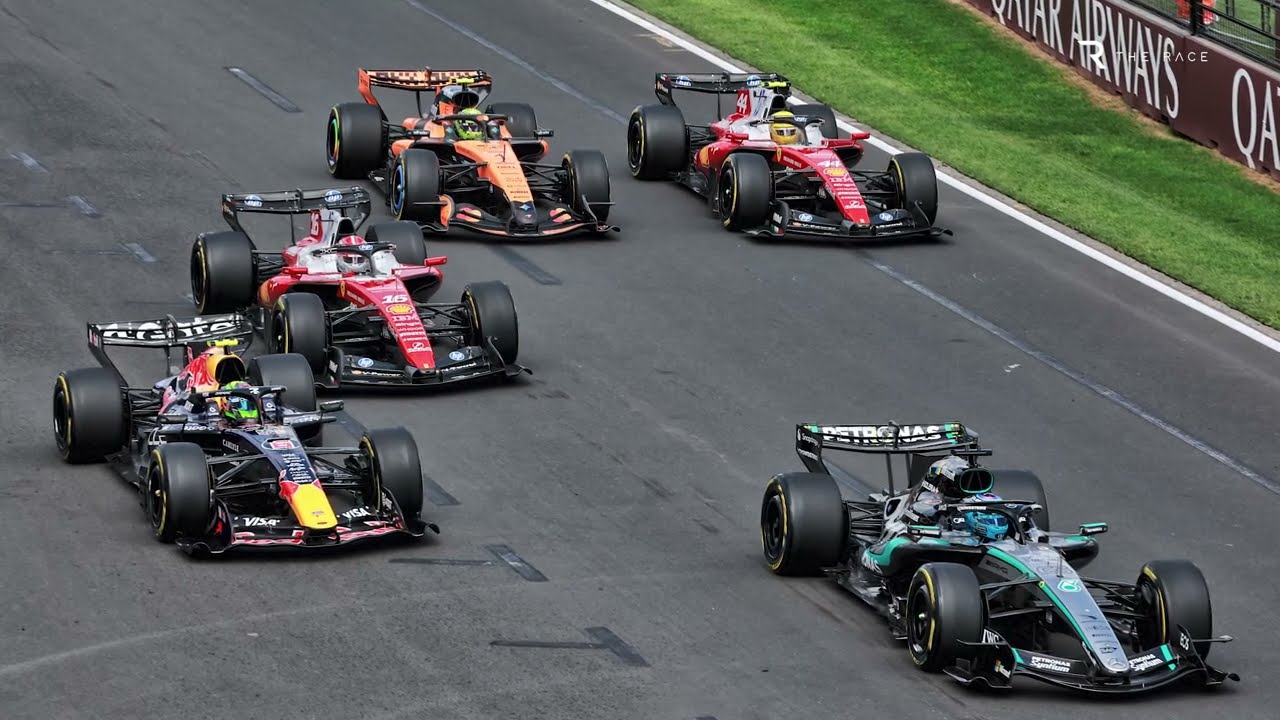
The race began with a level of chaos that arguably justified the hype, but for all the wrong reasons. The new 2026 start procedure, designed to accommodate the complex turbo-spooling requirements of the new engines, proved to be an “inexact science” that nearly resulted in catastrophe. Drivers are now required to rev their engines for an extended period to ensure the turbos are spinning fast enough to avoid a massive lag when the lights go out. However, with variable hold times and unexpected battery levels, the grid launch was anything but uniform. While Ferrari’s Charles Leclerc used a superior start to rocket from fourth into the lead, others were left floundering. The most terrifying moment came when Franco Colapinto had to weave through a sea of slow-moving cars at a “seemingly impossible angle” to avoid a high-speed collision with Liam Lawson. It was a near-miss that McLaren boss Andrea Stella described as a “needless risk,” highlighting a safety concern that many felt was ignored during the off-season.
Once the race settled, the “artificial” nature of the 2026 regulations became the primary talking point. Under the new rules, the 50/50 split between combustion and electrical power means that energy management is no longer a secondary concern—it is the race. Drivers found themselves in a constant “cat-and-mouse” struggle, swapping positions back and forth not because of superior driving, but because one car had a full battery while the other was “dead” on the straights. Lando Norris, who finished a distant fifth, was the most vocal critic. He described the cars as “energy-starved” and arguably the “worst ever” in the sport’s history. For Norris, the inability to defend a position when the battery is depleted takes the soul out of racing. “You can get overtaken by five cars and just do nothing about it,” he lamented, echoing a sentiment that resonated throughout the midfield.
Max Verstappen, never one to mince words, was equally forthright. Despite a heroic drive from 20th to 6th, the three-time world champion struggled to find positive words for the experience. He described the racing as “properly weird,” where speed differentials of up to 50 km/h on the straights turned world-class athletes into sitting ducks. The danger of these speed gaps cannot be overstated; Norris warned that a “big accident” is inevitable if the closing speeds remain this high, potentially sending cars over the fences and into the crowds. This is not the kind of “show” that the fans or the drivers signed up for.
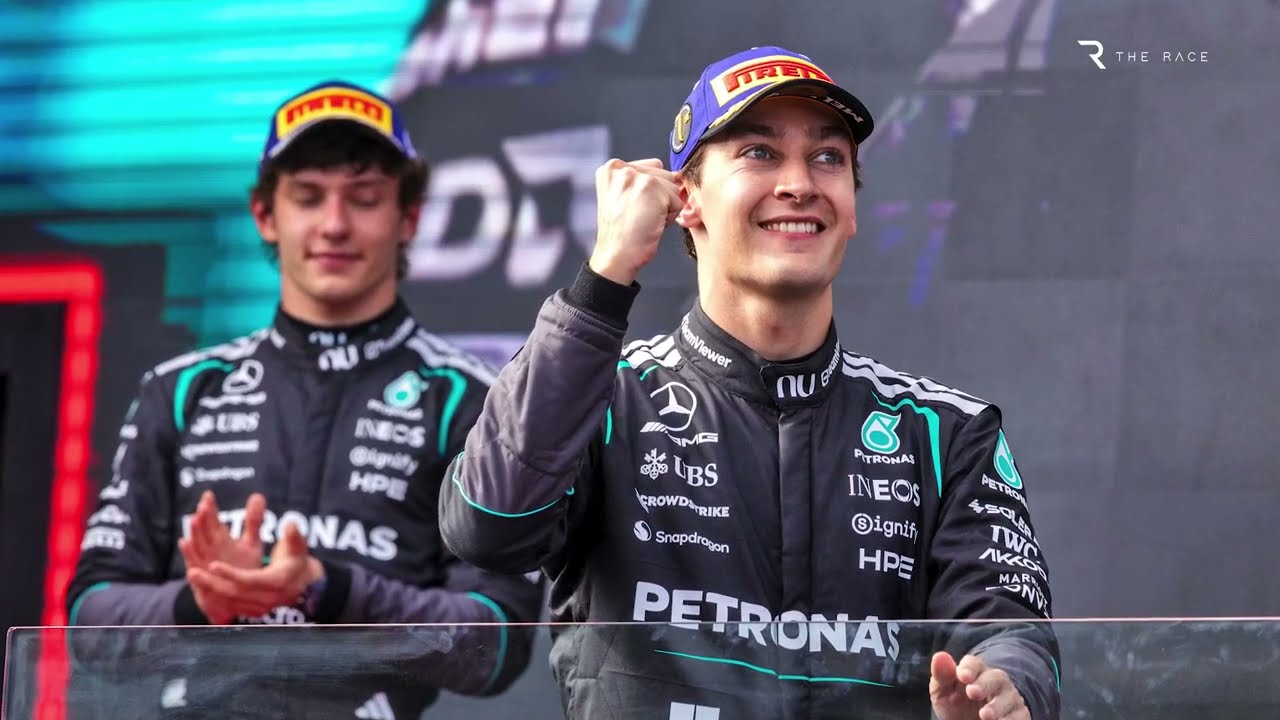
However, the paddock was not unanimously disgruntled. The winners, predictably, had a more “glass half-full” perspective. George Russell, who took a clinical victory for Mercedes, argued that the new rules actually enhance the strategic element of racing. He felt that the battle for the lead with Leclerc showed that the cars can follow more closely and that passing requires a higher level of intellectual engagement. Russell’s teammate, the rookie Kimmy Antonelli, and even Ferrari’s Lewis Hamilton shared this enthusiasm. Hamilton, who finished just off the podium, said he “loved” the Grand Prix, praising the car as “really fun to drive” and dismissing the critics as simply being unhappy that they weren’t at the front of the pack.
This divide between the “haves” and the “have-nots” of the 2026 era is the most striking takeaway from Melbourne. For teams like Mercedes and Ferrari, who have mastered the early integration of the new power units, the racing feels like a rewarding challenge. For those at the back, like the Honda-powered Aston Martins or the struggling Cadillacs, the experience is “painful and frustrating.” Pierre Gasly and Esteban Ocon both noted that the physical and mental effort of “permanently managing your battery” has taken away from the “pure driving” that defines Formula 1. When a driver like Ollie Bearman says it took him 20 laps to pass a rookie because the extra energy mode only offered a tenth of a second in performance, it raises serious questions about whether the “overtake mode” is fit for purpose.
The FIA was quick to point to the data, highlighting that there were 120 overtakes in this race compared to just 45 the previous year. But statistics can be misleading. If those overtakes are merely cars “sweeping” past each other on the straights due to an energy discrepancy, are they meaningful? Charles Leclerc noted that the challenge has shifted from “who is the bravest under braking” to “who is the most strategic with energy.” While this might appeal to technical purists, many fans and drivers fear it is sanitizing the sport’s gladiatorial essence. The “drive-by” moves seen in Melbourne felt more like an automated process than a display of daring racecraft.
Beyond the racing itself, technical “plasters” like active aerodynamics are also coming under fire. Carlos Sainz Jr. described the active aero as “really sketchy” and dangerous, especially on the opening laps when the cars are in low-downforce “straight mode” while following in dirty air. Russell even called for the FIA to adjust the front wing behavior to provide more grip, as he felt like his “front wing wasn’t working” in certain zones. These are fundamental handling issues that suggest the 2026 cars are still very much a work in progress.
As the F1 circus packs up and heads to China, the governing body faces a critical crossroads. They can choose to listen to the warnings of champions like Verstappen and Norris and adjust the energy deployment and safety protocols, or they can double down on the current path and hope that different track layouts provide a better spectacle. One thing is certain: the Australian Grand Prix was a wake-up call. Formula 1 has always been about the perfect marriage of man and machine, but in Melbourne, it felt like the machine had finally gained the upper hand. If the sport is to remain the “pinnacle,” it must find a way to make the racing feel “real” again, before the artificiality drives away its greatest assets—the drivers themselves.