The 2026 Australian Grand Prix: Aston Martin’s Crisis, Papaya Rules Return, and the Dawn of a Radical New F1 Era
The atmosphere surrounding the 2026 Formula One season opener in Melbourne is nothing short of electric, yet it is underscored by a palpable sense of anxiety and anticipation. As the paddock descends upon the sun-drenched tarmac of Albert Park, the dawn of a brand-new regulatory era is officially upon us. The cars look different, the rules of engagement have fundamentally shifted, and the familiar hierarchy of the grid is facing its most severe threat in years. While the organizers of the Australian Grand Prix have successfully navigated immense logistical hurdles to ensure the race goes ahead without a hitch, the real drama is unfolding inside the garages. From shocking rumors of intentional retirements to the highly controversial return of strict team orders, the first race of the season is already proving to be a spectacular powder keg of high-stakes sports politics.
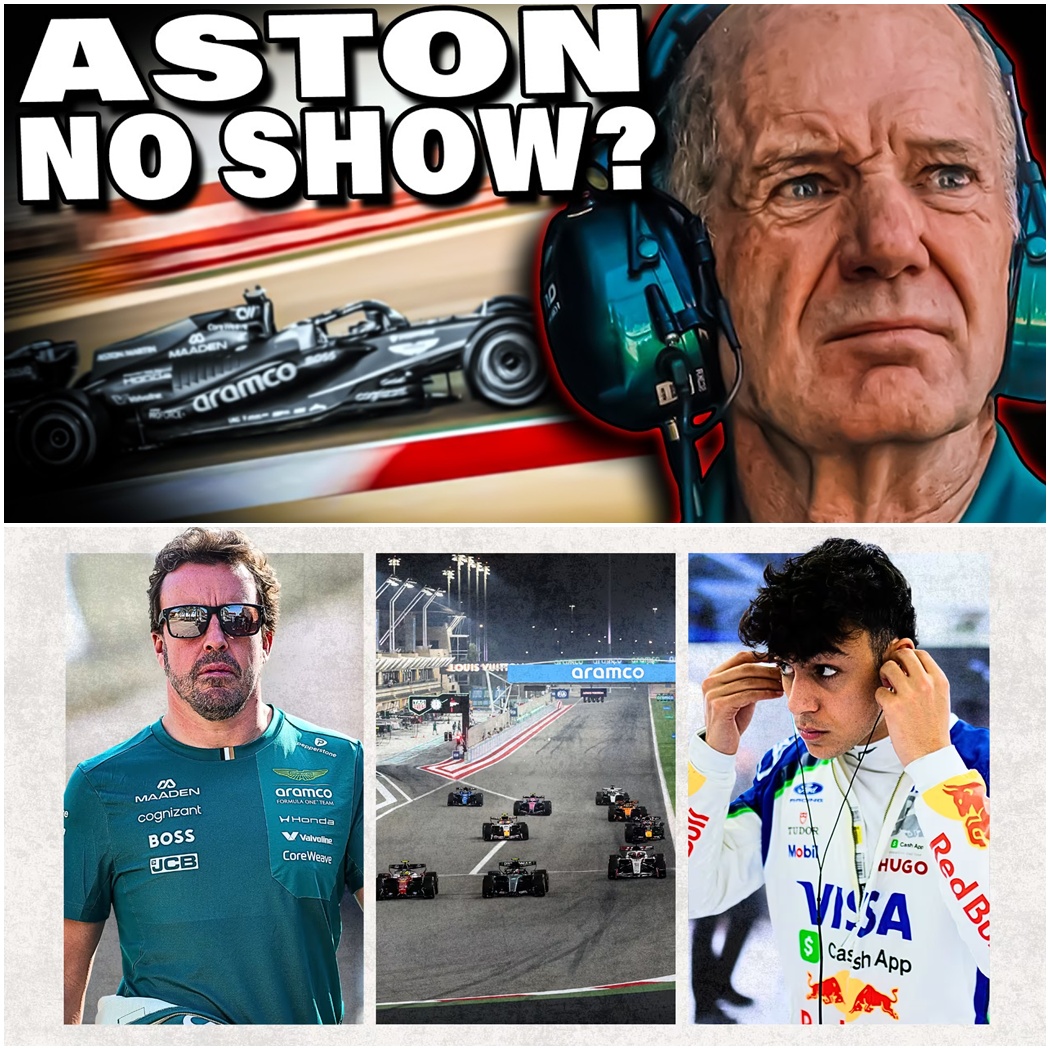
Perhaps the most astonishing storyline emerging from the paddock involves Aston Martin and their new engine supplier, Honda. Reports are rapidly mounting that the team may elect to essentially throw the race, playing it painfully safe by performing only the absolute bare minimum required to fulfill their contractual obligations for Round One. The underlying reason for this dramatic contingency plan? A critical shortage of parts and severe reliability concerns. During the final days of pre-season testing in Bahrain, Lance Stroll managed a mere six laps before the car was forced into retirement. The culprit was extreme excessive vibrations, seemingly brought on by a disastrous integration issue between Aston Martin’s newly designed chassis and the Honda power unit.
It appears that last-minute design changes have left Honda scrambling, drastically altering the parameters they had initially prepared for. When a racing outfit transitions into a full “works” team, they lose the luxury of simply pointing the finger at an external supplier when things go wrong. Aston Martin must shoulder a significant portion of the blame for these violent engine vibrations, which seemingly failed to appear in their pre-season simulations. Consequently, rumors are swirling that the team might attempt to qualify, trundle through the formation lap, and potentially retire the cars early just to preserve their scarce pool of Honda engine parts for the upcoming Chinese and Japanese Grands Prix. While they desperately need real-world race data, risking a catastrophic engine failure in the opening round could derail their entire season before it truly begins. The sheer fact that these crisis rumors are being openly entertained highlights an incredibly awkward and fraught beginning to the Aston Martin-Honda partnership.
Meanwhile, away from the immediate mechanical crises, the geopolitical landscape continues to cast a long shadow over the Formula One calendar. Several races, particularly those situated in the Middle Eastern region, are facing significant risks of disruption, postponement, or outright cancellation. If massive gaps begin to appear in the schedule between the Asian and American legs of the championship, Formula One management will be forced to scramble for solutions. We could easily see the triumphant return of classic stop-gap circuits like Imola or Portimao, both of which have historically stepped up to the plate to save a fractured calendar. Even the Australian Grand Prix faced moments of profound uncertainty due to global freight and travel disruptions, but organizers have emphatically assured the public that the event is secure. Special charter flights have been arranged to ensure that essential team personnel—the unsung heroes who meticulously build and maintain these complex machines—arrive just in time to beat the curfews and get the cars out onto the track.
As if the logistical and mechanical dramas were not enough, the interpersonal warfare within the top teams is already making headlines. McLaren CEO Zak Brown has officially confirmed that the highly polarizing “Papaya Rules” will remain in full effect for the 2026 season. For the uninitiated, these are the strict internal team orders that famously dictated the racing dynamic between Lando Norris and Oscar Piastri. Brown has been unapologetic about his willingness to intervene and manipulate track positions if it serves the broader interests of the team, boldly stating that he would enforce the rules again if faced with a situation similar to last year’s controversies.
This rigid corporate stance threatens to rob fans of the pure, unadulterated racing they crave, especially when it involves denying a driver like Piastri a clean overtaking opportunity. It sends a chilling message to both McLaren drivers: expect highly controlled racing in high-variance moments, regardless of how intensely personal the battle feels inside the cockpit. With the 2026 McLaren challenger seemingly lacking the utter dominance of its predecessor, the internal power struggle between Norris and Piastri will be amplified. Both drivers will be desperate to assert their dominance early, but they will be forced to do so while navigating the suffocating constraints of Brown’s uncompromising management style.
Adding to the sheer unpredictability of the weekend is the radical overhaul of the technical regulations, most notably the complete elimination of the Drag Reduction System (DRS). For over a decade, DRS has been the artificial lifeblood of Formula One overtaking. Now, it has been entirely replaced by an intriguing new engine mapping system featuring a “straight mode” and a “corner mode.” Drivers will have access to five distinct instances of straight mode around the Albert Park circuit, providing a tactical boost on the fast, sweeping sections of the track. How the drivers deploy this newfound power, and how the defending cars attempt to counter it, will fundamentally alter the art of racecraft. Albert Park’s hybrid nature—blending the characteristics of a permanent circuit with the unforgiving walls of a street track—will serve as the ultimate proving ground for this new overtaking philosophy.
As we look toward the sharp end of the grid, the predictions for the top five finishers paint a fascinating picture of the new world order. In fifth place, we find the legendary Lewis Hamilton, making his highly anticipated debut in the iconic red overalls of Scuderia Ferrari. Hamilton’s arrival at Maranello is the most significant driver transfer of the century, and the expectations are monumental. While there are lingering questions about how quickly he can adapt to the 2026 Ferrari under sustained race conditions, his elite processing skills and smooth driving style should shine in Melbourne. If the car behaves, Hamilton is virtually guaranteed to be a menacing presence at the front of the pack, patiently waiting to capitalize on any mistakes made by the leaders.
Occupying the fourth spot is the reigning world champion, Max Verstappen. Red Bull’s transition to Ford powertrains has completely reset their expectations, with Verstappen himself openly admitting that outright race victories are currently off the table. However, one must never underestimate the sheer force of nature that is Max Verstappen. Even in a car that lacks peak dominant pace, his unparalleled racecraft, aggressive defensive maneuvers, and innate ability to turn half-chances into solid points make him a lethal competitor. He will wring every last ounce of performance out of that Red Bull, ensuring he remains a thorn in the side of the front-runners.
Taking the final step on the predicted podium in third place is hometown hero Oscar Piastri. The young Australian will be driving with a burning point to prove, fueled by the desire to avenge the team orders that stifled his momentum in the past. Piastri possesses a remarkably calm and smooth driving style that is perfectly suited to preserving tires on a circuit that actively punishes aggressive throttle application. If McLaren can extract the maximum potential from their package, Piastri is heavily tipped to secure a wildly popular podium finish in front of his adoring Melbourne fans.
In second place sits George Russell, the ruthless optimizer of the Mercedes garage. Mercedes has emerged from pre-season testing with a highly solid, reliable baseline—a crucial superpower in the chaotic opening rounds of a new regulation era. Russell is a driver who thrives on consistency and execution. Unburdened by the shadow of Lewis Hamilton, Russell is determined to prove that he is a genuine championship contender capable of leading the Silver Arrows back to their former glory.
Finally, the overwhelming favorite to take the victory in Australia is Ferrari’s golden boy, Charles Leclerc. The Scuderia looked incredibly potent during testing, boasting a fast, stable car equipped with innovative aerodynamic tricks that have left rival engineers scratching their heads. Leclerc is absolutely lethal when he has a car with a strong, responsive front end, a characteristic that perfectly suits the rapid direction changes required at Albert Park. With an infectious, confident smile returning to his face, Leclerc seems poised to replicate his blistering start from previous campaigns, setting the ultimate benchmark for the 2026 season and reminding the world why he is considered one of the fastest men on the planet.








