The Unstoppable Force: Five Concrete Reasons Why Max Verstappen Will Dominate Formula 1’s Chaotic 2026 Era
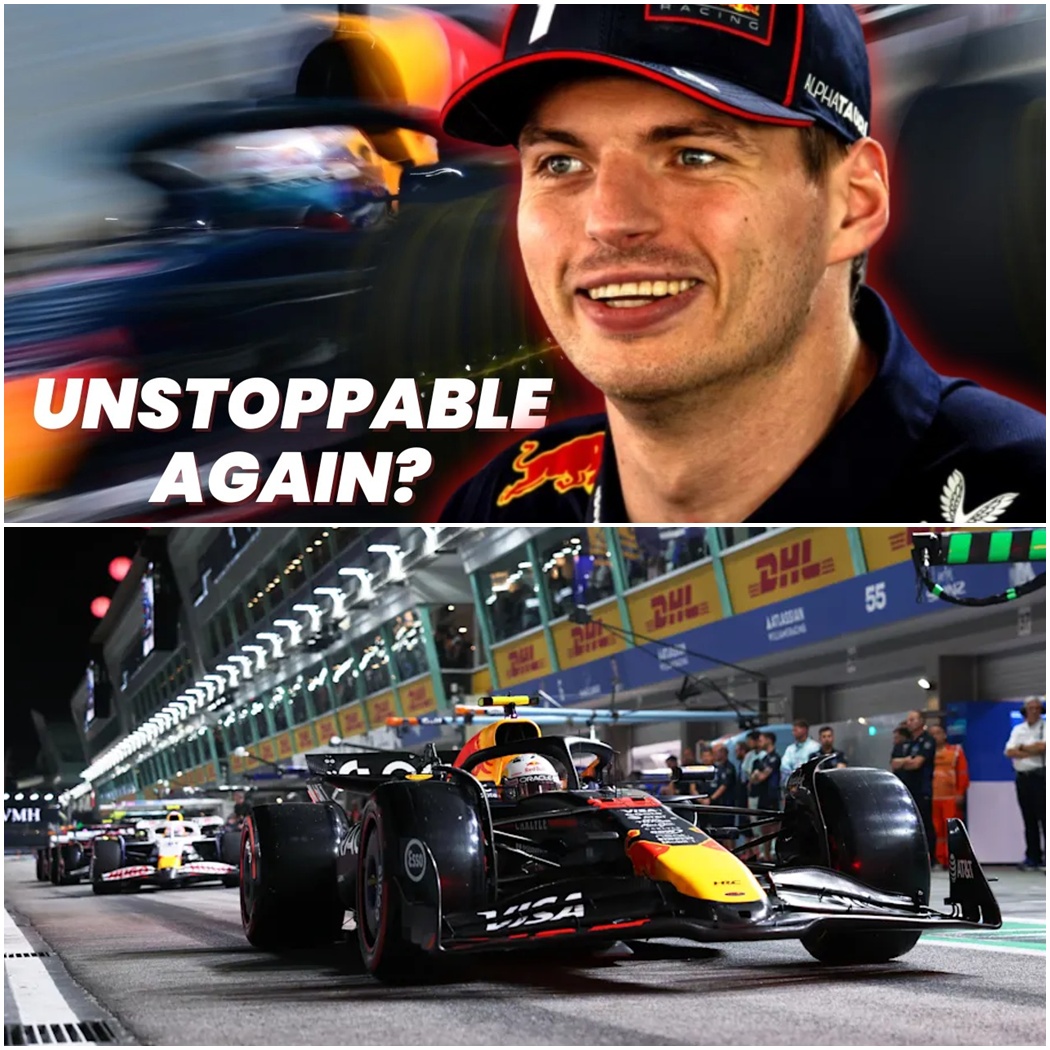
Four world championships. Sixty-three Grand Prix victories. A legacy that has already etched his name alongside the immortals of motorsport. Yet, as Formula 1 stands on the precipice of the biggest regulation reset in over a decade, the narrative surrounding Max Verstappen is shifting in an unexpected direction. With brand-new cars, entirely overhauled power units, and a completely disrupted grid hierarchy, history tells us that this is exactly the moment when defending champions typically begin to fade. The conventional wisdom is that when the rulebook is ripped up, dynasties crumble. But what if conventional wisdom does not apply here? What if, instead of dethroning the reigning king, this monumental reset actually makes him even stronger? Can Max Verstappen realistically conquer the unknown and claim a fifth world title in 2026? The resounding answer echoing through the paddock is not only that he can win it, but that he has quietly become the most dangerous driver on the grid. Here is a deep dive into the five concrete reasons why Max Verstappen is perfectly positioned to dominate Formula 1’s new era.

The first, and perhaps most vital, reason is that a major regulation reset inherently favors the truly complete driver. When a new set of rules is introduced, the playing field immediately compresses. The massive aerodynamic and mechanical car advantages that top teams enjoyed in previous seasons inevitably shrink, and the engineering gaps between the front-runners narrow significantly. When the machinery levels out, what remains as the ultimate differentiator is the pure, unadulterated talent of the driver sitting in the cockpit. To understand Verstappen’s completeness, one only needs to look at his recent history. In 2023, he orchestrated a season of unprecedented supremacy, winning a staggering nineteen races to achieve a 73% win rate—the highest single-season victory percentage in the entire history of Formula 1. He achieved statistical dominance that neither Ayrton Senna, Michael Schumacher, nor Lewis Hamilton ever reached. But true completeness is not just measured when a driver is leading by thirty seconds; it is proven in adversity. In 2024, when Red Bull lost its aura of raw, untouchable dominance, Verstappen did not crumble. He adapted instantly. He defended fiercely, maximized his points on difficult weekends, and executed damage limitation with a cool, calculating demeanor. Former Formula 1 driver Derek Daly aptly described Verstappen’s unique ability as “instantaneous environmental processing.” He reacts to the ever-changing variables around him before other drivers even consciously register the situation. In the chaotic, high-stakes environment of Albert Park’s treacherous turn one, that superhuman processing speed is worth multiple positions before lap two even begins. When parity increases, precision decides the outcome, and precision is Verstappen’s primary currency.
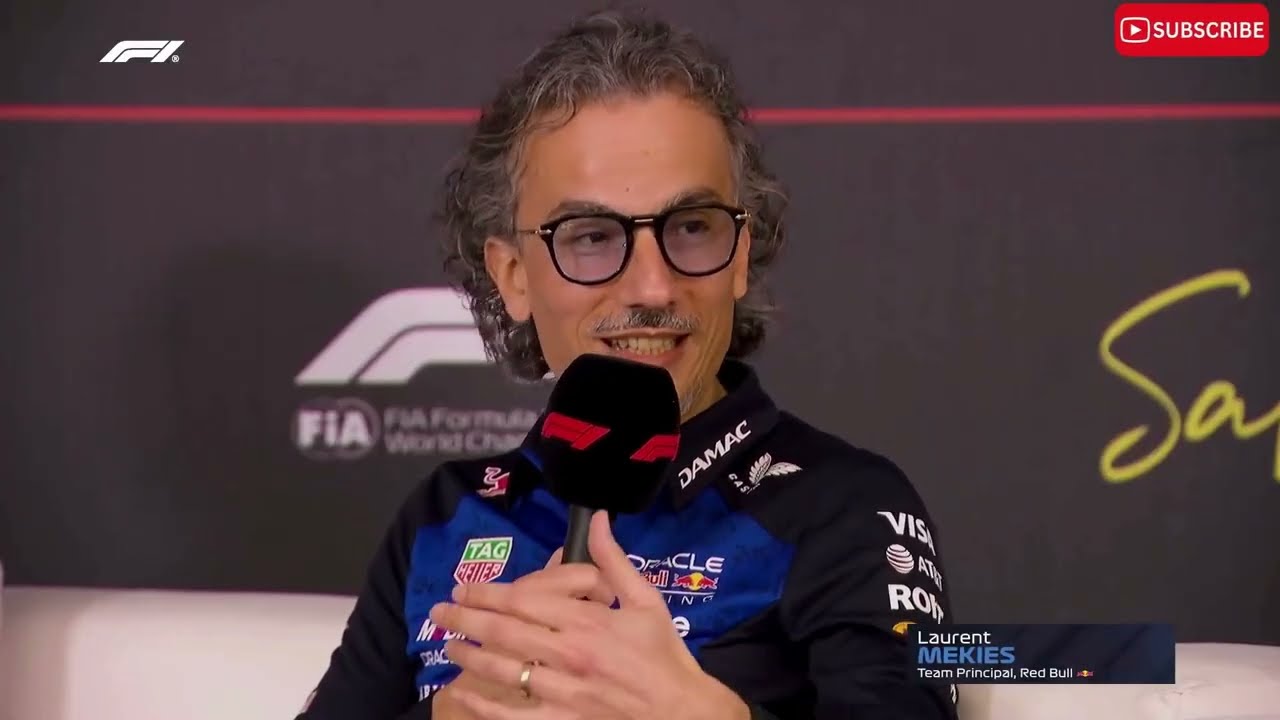
The second reason revolves around the complex new battleground of 2026: the energy game. The new regulations have fundamentally changed everything we know about racecraft. With internal combustion engines producing less baseline torque, there is now an overwhelming reliance on electrical deployment, active energy harvesting, and manual energy management in the middle of a hot lap. Driving a Formula 1 car is no longer just about hitting the braking point and finding the apex; it has evolved into high-speed electrical warfare. During pre-season testing, Verstappen was already experimenting with radical, aggressive techniques. Engineers noted his unique downshift harvesting method, intentionally dropping all the way to first gear in heavy braking zones where his competitors opted to stay in second. Why take this risk? Because a lower gear forces a higher engine braking load, which in turn triggers a massive spike in energy harvested by the MGU-K. That means he is storing significantly more electrical energy per braking event than anyone else. That hoarded energy instantly translates into raw overtaking power on the subsequent straights. A two-tenths advantage gained under braking here, another two-tenths gained on the straight there—that is the exact difference between aggressively attacking a rival and desperately defending a position. Red Bull Team Principal Laurent Mekies described this phenomenon perfectly, noting that Verstappen possesses the “extra brain capacity” required to manage these complex manual systems without ever sacrificing his ultimate lap pace. The long pit straight and the run down to turn nine in Melbourne are absolutely perfect deployment zones for this tactic. It is a highly risky technique that yields an incredibly high reward, and Verstappen has proven time and again that he lives comfortably right at that very edge.
Thirdly, we must examine the psychological advantage of the “underdog effect.” In a fascinating twist to the 2026 narrative, Max Verstappen has arrived at the start of the season without the label of the overwhelming preseason favorite. Looking at the testing data, the Mercedes looks highly efficient and aerodynamically sleek, while the Ferrari appears composed, predictable, and remarkably fast. Some betting odds and paddock pundits have even placed Mercedes’ George Russell ahead of Verstappen in their championship predictions. Placing expectations elsewhere might just be the biggest mistake the paddock could possibly make. When elite, generational competitors are suddenly freed from the suffocating burden of expectation, they become terrifyingly lethal. We saw this exact dynamic unfold during the legendary 2021 season. When Mercedes was widely supposed to dominate the grid with their superior engine, Verstappen attacked every single race like a challenger who had absolutely nothing to lose. The psychology of the underdog effectively removes all hesitation. Qualifying in Melbourne is notoriously unforgiving, defined by variable grip levels and incredibly high stakes where a single flying lap can define the entire weekend. Currently, Verstappen holds a pole-to-win conversion rate sitting above a staggering eighty percent. If he secures just one front-row start under the radar, the pressure instantly flips from his shoulders squarely onto the drivers who were favored to beat him.
The fourth pillar of Verstappen’s unstoppable case is Red Bull’s mastery of development warfare. World championships are very rarely won in the cool temperatures of March; they are brutally fought for and decided during the grueling European stretch in June, July, and August. Historically, the Red Bull Racing organization evolves its car significantly faster and more efficiently than any other team on the grid. In 2022, their early-season instability and reliability woes were completely rectified by round six. In 2023, despite possessing a wildly dominant car, they refused to rest, upgrading their package relentlessly until the final checkered flag. That deeply ingrained culture of aggressive innovation has not disappeared under the new regulations, and Verstappen is the central hub of that development machine. His race engineers continually describe his feedback as completely surgical. When the car is not performing optimally, he doesn’t just complain that the front end understeers. He explicitly diagnoses the problem, explaining to the pit wall whether the issue is caused by the entry load, a subtle aerodynamic shift mid-corner, or an extreme sensitivity to the rear wake of the car ahead. This level of microscopic technical detail drastically compresses the team’s development cycles. Because of his pinpoint feedback, by the time the circus reaches race eight or nine, the Red Bull challenger could be practically unrecognizable compared to the specification that debuted in Melbourne. If Verstappen can simply survive the early rounds and stay within striking distance of the championship lead, the second half of the season will quickly become his personal hunting season.
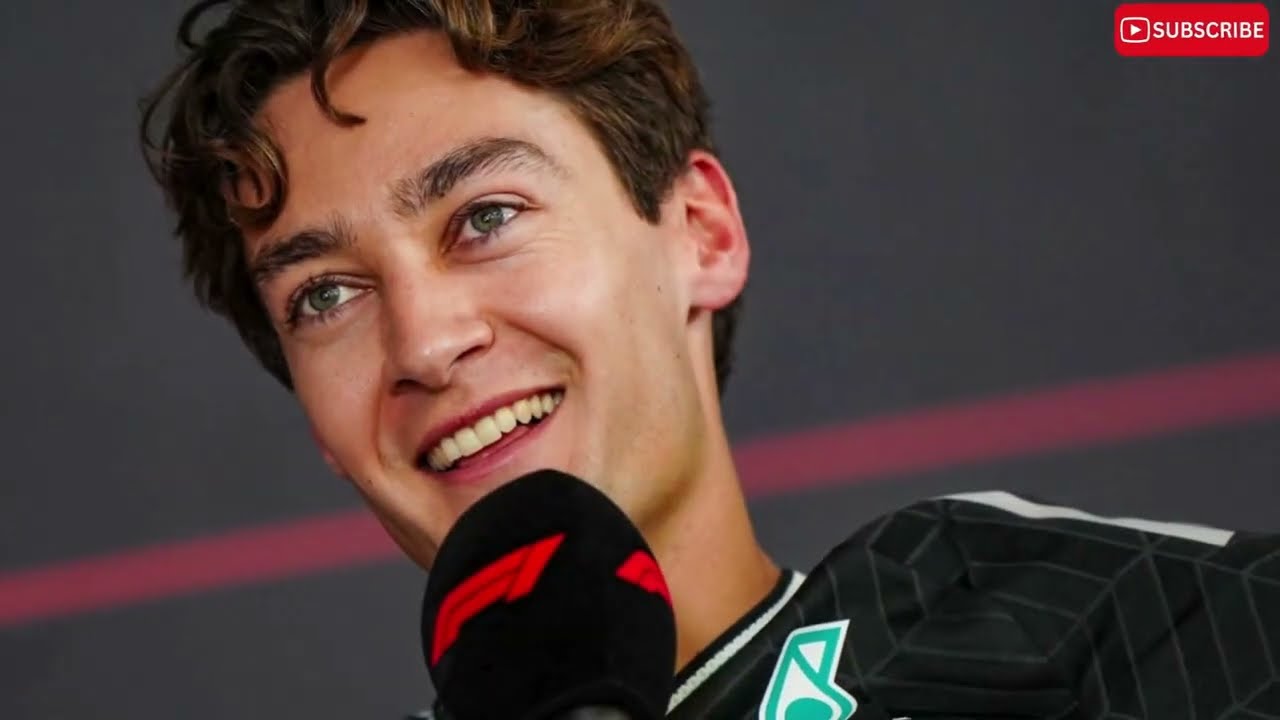
The fifth and final attribute that sets him apart is his absolute immunity to pressure. The season opener in Melbourne almost guarantees the deployment of a safety car. The tight street circuit walls, the incredibly unpredictable coastal weather, and the sheer nervous energy of the first race all contribute to an environment where late-race restarts frequently decide the final outcome. Across the past four heavily scrutinized seasons, Verstappen has maintained a net positive position gain on safety car restarts roughly seventy percent of the time. To put that in perspective, the grid average hovers around fifty percent. That massive statistical gap is not a product of luck; it is a manifestation of pattern memory and supreme situational awareness. He knows exactly when the race leader will accelerate. He knows precisely which rival will aggressively dive to the inside line, and more importantly, he knows exactly who will hesitate when the pressure spikes. Competitors like George Russell are undoubtedly elite, and Lando Norris is unquestionably a world-class talent, but neither of those young drivers has ever faced the suffocating reality of a title-deciding, final-lap restart against a multi-time champion. Verstappen has that invaluable experience banked. In Formula 1, pressure compounds over the course of a race, and compounding advantages are ultimately what secure world championships.
However, amidst this overwhelming case for dominance, there is one very real, undeniable risk lingering in the Red Bull garage: reliability. The 2026 regulations have forced the introduction of a brand-new Ford-partnered engine architecture. This means completely new internal integration, untested energy mapping systems, and an unproven power unit philosophy. Pre-season testing did reveal some minor cooling questions and instances of power consistency variability. While there was nothing dramatic enough to cause outright panic, new engines are notorious for biting hard when pushed to the absolute limit under race conditions. If Verstappen suffers two or three mechanical DNFs early in the season, the mathematical reality of defending his title gets incredibly brutal. Yet, even in the face of this mechanical uncertainty, Verstappen mitigates the stress on the car through his incredibly smooth steering inputs and highly calculated energy use. He is uniquely capable of protecting fragile machinery just as aggressively as he attacks his championship rivals. He operates simultaneously as a devastating weapon and a crucial stabilizer for his team.
So, where does that leave the paddock as the 2026 season dawns? The massive regulation reset inherently favors completeness, and the new energy game heavily rewards intellectual capacity in the cockpit. The emerging underdog narrative only serves to sharpen his natural aggression, while Red Bull’s relentless development machine never sleeps. Finally, immense pressure does not break him; it only refines him. Is a fifth world title absolutely guaranteed? In the wildly unpredictable world of Formula 1, nothing ever is. But if you are building a championship bet in a year defined by unprecedented uncertainty, you must choose the driver who actively thrives in chaos. And pure, unadulterated chaos is exactly what the 2026 regulations promise to deliver. Melbourne is rapidly approaching, the starting lights will soon go out, and if the weight of history is any indicator, Max Verstappen will be exactly where he always intends to be: leading right at the very front.