The Illusion of 2027: The High-Stakes Power Struggle Behind Formula 1’s Return to India
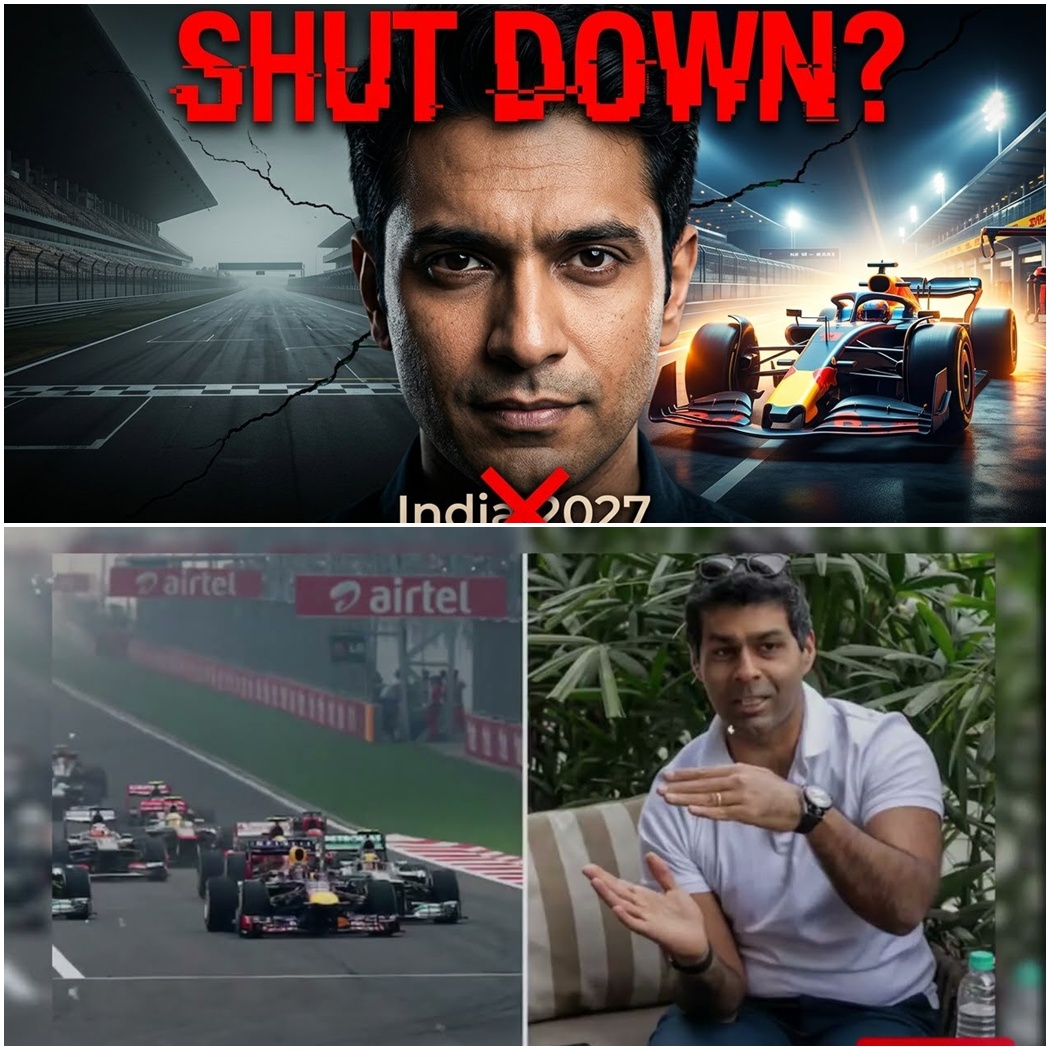
A promise was recently made—loud, deeply confident, and almost too certain to question. It painted a picture of Formula 1 making a glorious, triumphant return to India. It sounded like a spectacular comeback story that was already written, signed, and delivered before the ink had even touched the official paper. An Indian government minister publicly proclaimed that the pinnacle of motorsport would grace the subcontinent once more in 2027. However, trailing closely behind that bold statement was an eerie, telling silence from the sport’s governing bodies. There are no signed contracts. There is no designated slot on the heavily contested race calendar. There is no official confirmation. Instead, what we have is a rapidly growing tension between a political promise and the harsh reality of global motorsport business.
Because while one side of this narrative is aggressively pushing a beautiful dream, the other side is quietly but firmly shutting the door. And in the ruthless, ultra-competitive world of Formula 1, when the public statements do not align with the boardroom facts, it usually signifies that something much larger, much more complex is brewing just beneath the surface. Sometimes, the absolute biggest stories in Formula 1 are not found on the racing line or in the pit lane; they are discovered in the shadowy realms of power, corporate influence, and billion-dollar decisions made far away from the flashing lights. Right now, the potential return of the Indian Grand Prix is a textbook example of this phenomenon.
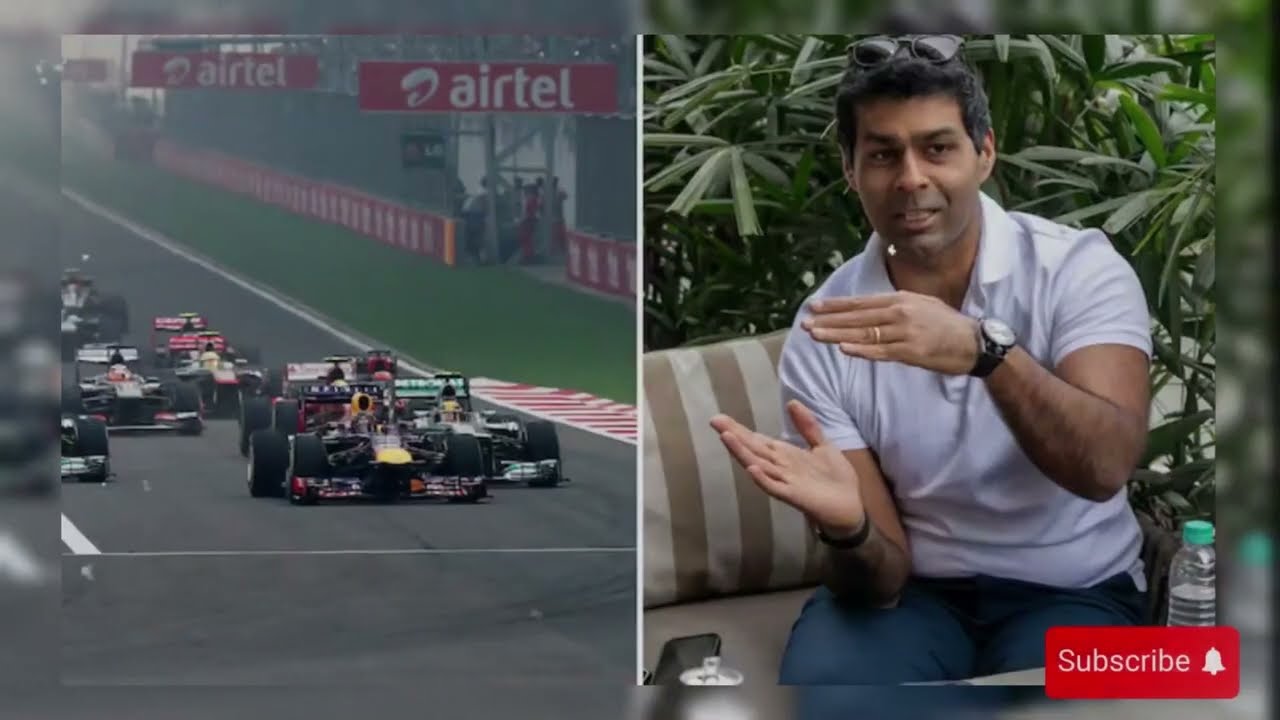
The story of India and Formula 1 is not a new one. In fact, it is deeply categorized as unfinished business. From 2011 to 2013, the spectacular Buddh International Circuit delivered exactly what the sport demanded: a remarkably fast, highly technical track and a rapidly expanding, deeply passionate local fanbase that felt genuinely invested in the spectacle. Over three years, fans witnessed three thrilling races and total, unyielding dominance by Sebastian Vettel. But the true story of those years did not take place on the track; it unfolded off it. That is where the relationship began to severely fracture. Exorbitant taxation, immense financial pressure, and labyrinthine bureaucratic disputes ultimately made the race far more expensive and complicated to host than it was commercially worth. And just like that, as quickly as it arrived, India disappeared from the F1 calendar.
Yet, the raw passion of the Indian motorsport community never dissipated. Massive crowds still flock to local motorsport events, and the digital footprint of Indian F1 fans remains colossal. The sheer demand is very real. Therefore, when India’s sports minister steps up to a podium and publicly declares that Formula 1 is officially coming back in 2027, to the fans, it does not sound impossible—it sounds profoundly overdue.
The catastrophic problem with this narrative is that Formula 1 does not operate on pure passion. It operates on ironclad contracts, flawless logistics, immense financial guarantees, and severely limited calendar space. Here is the vital component that most fans fail to see: simply getting a spot on the modern F1 calendar is arguably more difficult than actually winning a world championship. There are only a finite number of race slots available each season. Currently, every single one of those slots is under immense, suffocating pressure. Completely new countries are aggressively bidding to join the party, existing legacy races are scrambling to lock down long-term extension deals, and Formula 1 management is expanding its global footprint with meticulous, ruthless care. So, when an Indian official confidently declares, “We are coming back,” the immediate, ruthless question asked inside the F1 paddock is: At whose expense? Adding a brand-new race to a congested schedule inevitably means brutally removing another, and that is exactly where the global politics become vicious.
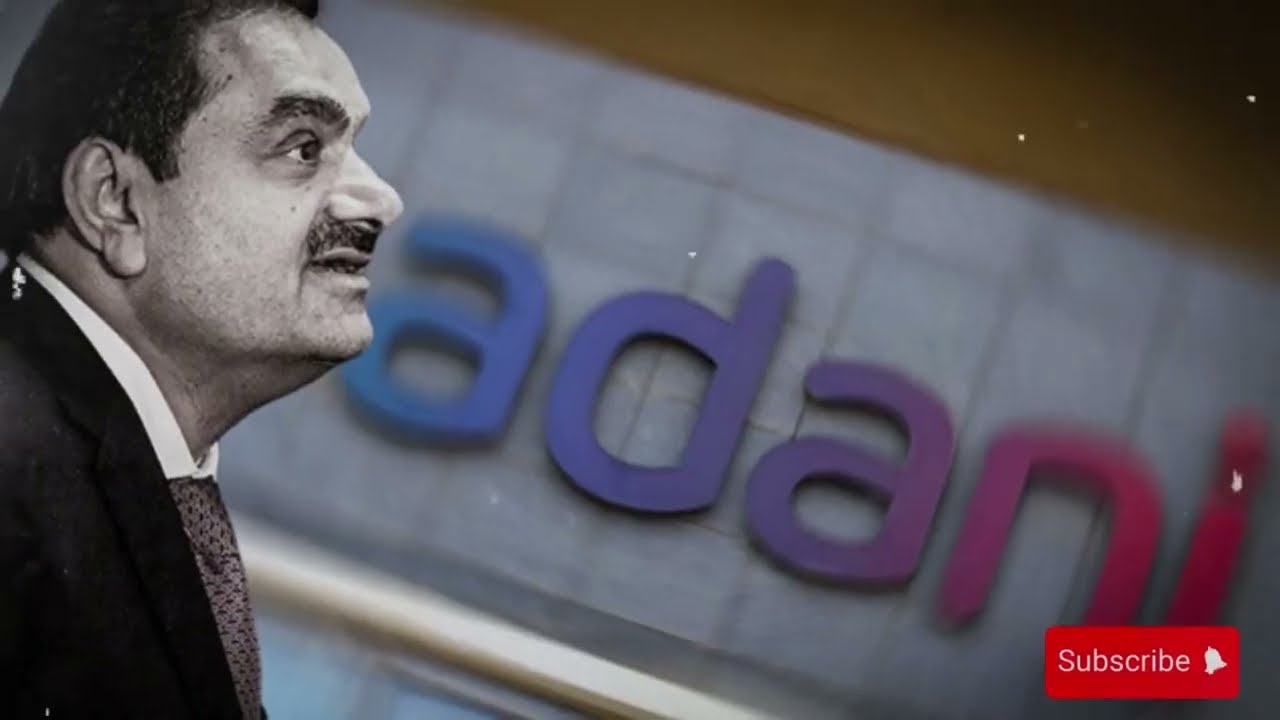
Simultaneously, there is a complex, deeply entwined second layer to this saga: circuit ownership. The Buddh International Circuit is not merely sitting quietly, polishing its asphalt and waiting for the roaring V6 hybrids to return. There is an enormous corporate takeover currently in motion involving the colossal Adani Group. If this monumental deal officially goes through, it has the potential to unlock limitless financial possibilities and completely revitalize the venue. However, as it stands right now, that massive corporate move is utterly stuck. It is deeply challenged and dragged into complex legal conflicts. This frustrating stalemate means that the single most important element Formula 1 demands before entering a new market—absolute financial and legal certainty—simply does not exist yet.
Then came the definitive shift in the narrative. Formula 1 officially responded to the minister’s bold claims. Their response was calm, brutally direct, devoid of any hype, and left absolutely no room for misinterpretation. Yes, India is considered a highly valuable, massively untapped market. Yes, the Indian fans are undeniably passionate and important. But a race in 2027? It is unequivocally not happening.
Just like that, the fairy tale narrative shatters. It is no longer a story about a glorious comeback; it is a glaring story about a fundamental contradiction. We have one side wildly promising a spectacular future that does not yet exist, while the other side is quietly, ruthlessly reinforcing the cold reality of business. When Formula 1 management speaks with this level of crystalline clarity, it generally means that the door is not merely closed; the lock has not even been turned yet.
But this is exactly where the narrative takes a fascinating turn. Because despite completely shutting down the ambitious 2027 claim, Formula 1 notably did not say never. And it is within that tiny, highly calculated gap that all future possibilities reside. Behind the closed doors of F1 management, global interest in hosting Grand Prix events is currently at an all-time, unprecedented high. Entire sovereign nations are fiercely competing against one another, and governments are investing billions into infrastructure just to get noticed. The paradigm has completely shifted: Formula 1 is no longer desperately chasing exotic locations; locations are desperately chasing Formula 1.
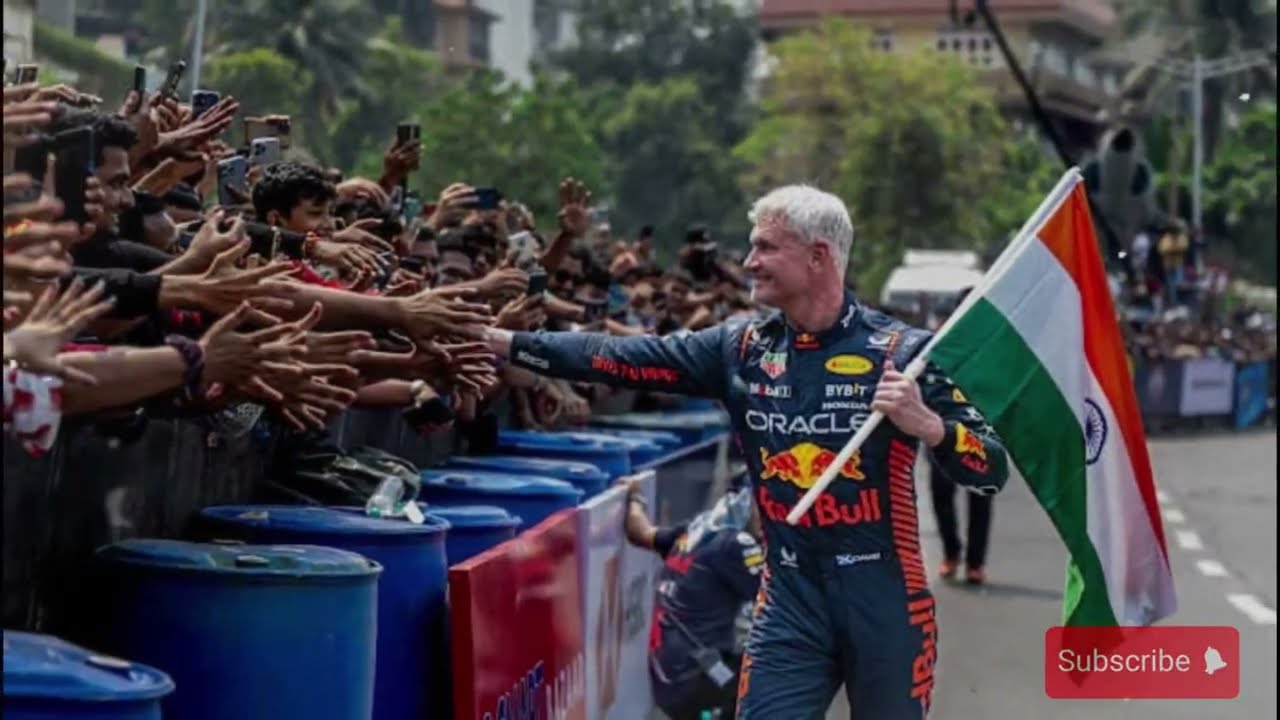
Therefore, India is not being permanently rejected; it is simply being strategically delayed. It will be delayed until the financial numbers perfectly align. It will be delayed until the ownership structure of the Buddh Circuit is undeniably stable. It will be delayed until the internal and external politics definitively settle. And most crucially, it will be delayed until a highly coveted slot on the calendar organically opens up. The F1 calendar is no longer a flexible, experimental entity. It is a highly strategic, billion-dollar roadmap. Every single race has a distinct purpose, targets a specific global market, and fits seamlessly into a long-term commercial plan. For India to successfully return to the grid, the decision will not be driven by emotion or nostalgia; it will be a deeply calculated, immensely profitable business transaction.
Across the F1 paddock, team principals and executives completely understand what this tension signifies. More races on the calendar directly equate to more global revenue and increased brand exposure. However, it also equates to crushing logistical pressure. Every single time a new location is added, it radically alters global travel logistics, team scheduling, and the vital performance windows of the cars. The reality is stark: while fans see exciting global expansion, the teams see daunting logistical complexity and skyrocketing costs. The paddock is acutely aware that India is far from the only wealthy nation waiting in line. There is a massive global queue currently forming, resulting in a ruthless fight for survival on the calendar.
This reality completely transforms every political “we are coming back” statement into a desperate public negotiation tactic, rather than a factual announcement. Until an agreement is legally signed, financially confirmed, and officially scheduled by the FIA, it is nothing more than political noise.
So, what is the undeniable truth of the situation? Two entirely different timelines are violently colliding. The Indian political machine is pushing forward rapidly—optimistic, eager, and driven by public relations. In stark contrast, Formula 1 is moving much slower—highly controlled, deeply strategic, and firmly prioritizing billion-dollar business over local politics. Until those two divergent timelines perfectly align, absolutely nothing will move forward. The complex legal battle over the Buddh Circuit deeply matters. The overarching financial structure heavily matters. The historically punishing tax situation remains hyper-critical. These exact bureaucratic and financial nightmares were the precise reasons Formula 1 abandoned the country in the first place. Unless those structural problems are solved permanently, there will be no magnificent comeback. Not in 2027, and perhaps not even in the decade beyond.
The bigger, overarching picture remains clear: Formula 1 fundamentally wants India. The sheer scale of the audience and the untapped commercial potential is simply too massive to ignore forever. The real question is not if India will return, but when, and more importantly, under what specific financial terms. Right now, those complex terms are simply not ready. And in the ruthless, ultra-fast world of Formula 1, timing isn’t just an important factor—it is absolutely everything. Because when the sport finally makes its next major calendar move, it won’t just decide if India gets its race back; it will definitively decide which historic venue gets ruthlessly pushed out to make space.








