The Miami Power Struggle: Why another Piastri Victory Could Signal a Permanent Shift in the McLaren Hierarchy
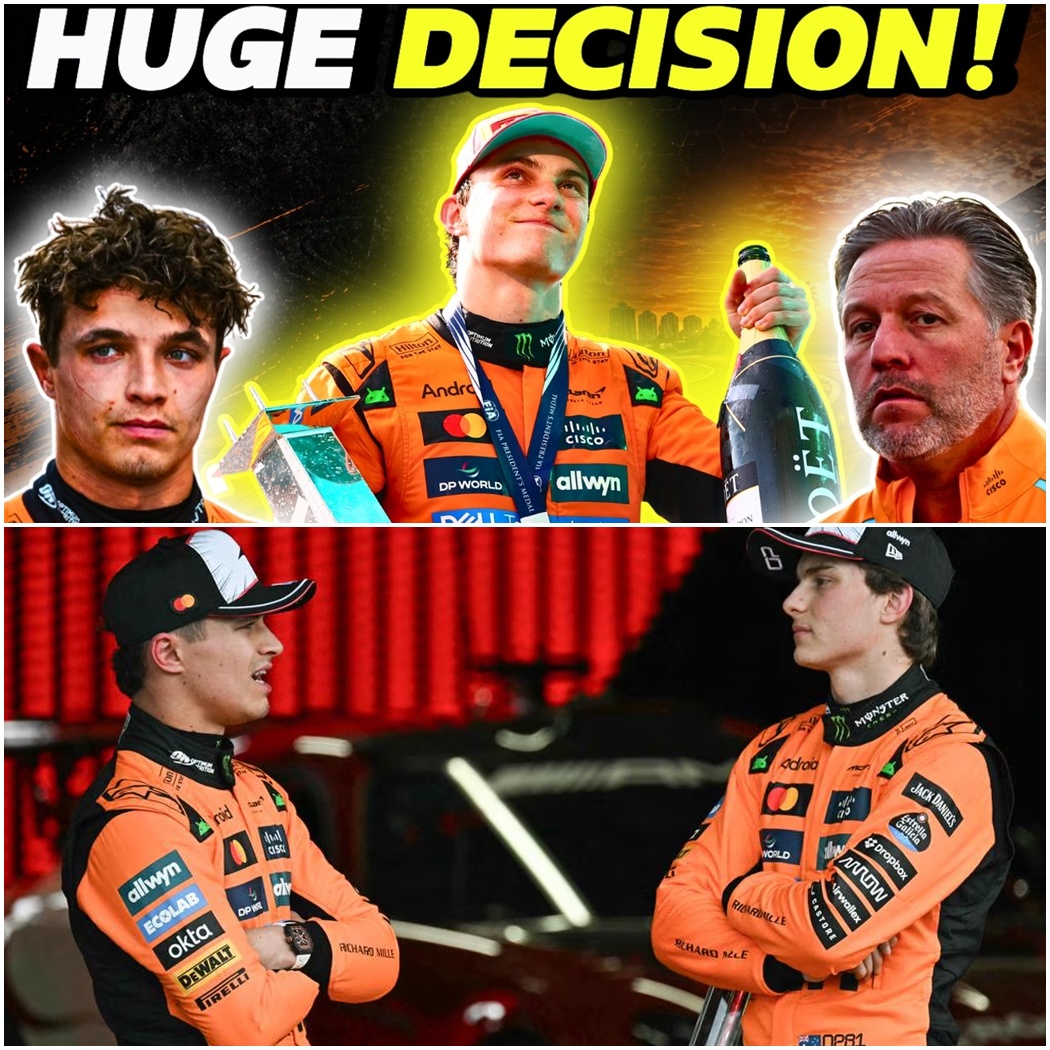
The neon lights and coastal breeze of Miami have always provided a cinematic backdrop for Formula 1, but for the McLaren Formula 1 Team, the 2026 Miami Grand Prix represents something far more volatile than a simple race weekend. It is a pressure cooker of internal politics, technical evolution, and a burgeoning rivalry that threatens to dismantle the carefully curated image of “Papaya” harmony. As the paddock descends upon Florida, the central question isn’t just whether McLaren can win, but which of their two superstar drivers will lead them to the finish line—and what that choice means for the future of the team.
To understand the weight of this moment, one must look back to Miami 2025. It was the weekend where Oscar Piastri ceased to be Lando Norris’s apprentice and became his most dangerous rival. While Norris secured the Sprint victory, it was Piastri who delivered a masterclass in the Grand Prix that mattered most. He didn’t just win; he controlled the race with a level of clinical precision that left the establishment stunned. He managed tires better, navigated race interruptions with more poise, and ultimately proved that when the machinery is equal, he possesses the temperament to beat Norris in a straight fight.
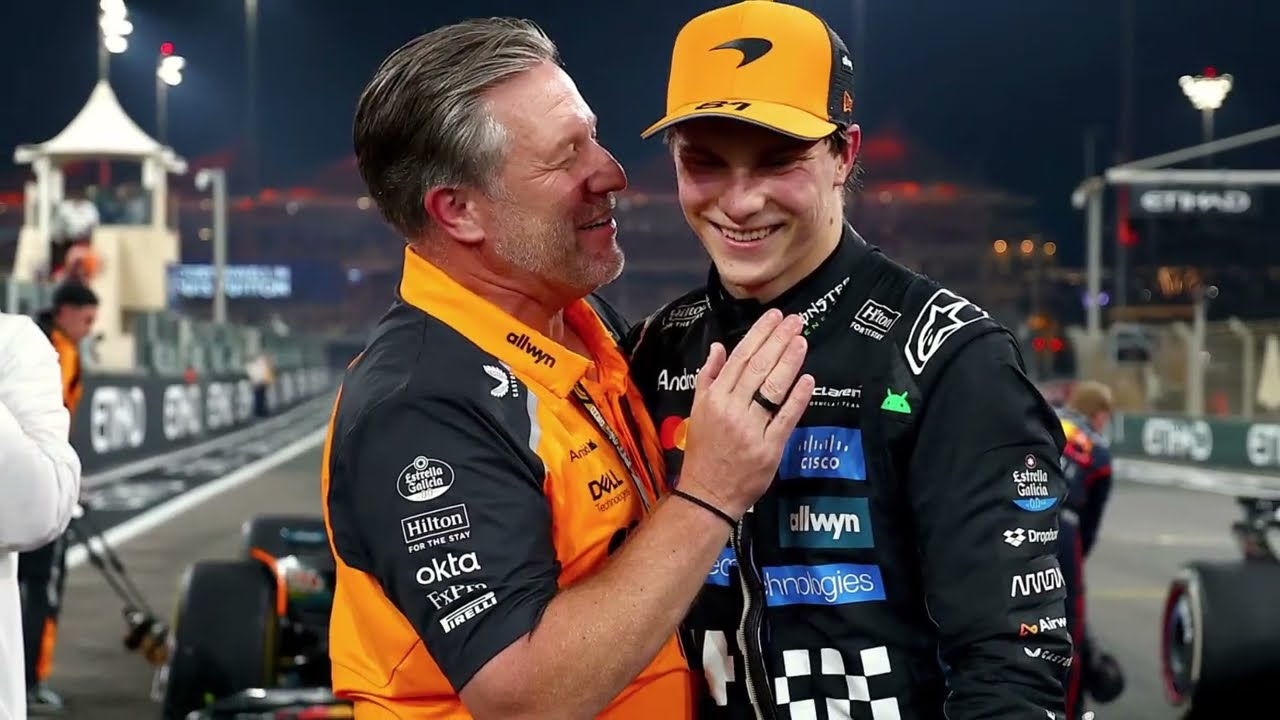
That victory changed the internal chemistry at Woking. For years, Lando Norris has been the face of the team—the longest-serving driver, the fan favorite, and the man the team was built around. But Piastri’s rise has forced a confrontation with a reality McLaren has tried to avoid: they may have two number-one drivers, but only one can be the priority.
As we move into the 2026 season, the technical landscape has shifted, further complicating this internal dynamic. The new regulations have introduced a layer of complexity that favors Piastri’s methodical, driven approach. Qualifying has been transformed into a “battery management puzzle,” where drivers must hunt for lap time in non-obvious places. Piastri himself has admitted that the 2026 cars require a form of “energy choreography”—lifting early, reshaping throttle application, and driving slower in certain sectors to maximize battery deployment elsewhere.
This is not the instinctive, “seat-of-the-pants” racing that Norris famously excels at. Instead, it is a game of calculation and precision. For a driver like Piastri, who is unusually comfortable with heavy data adaptation, these rules are a gift. For Norris, who thrives on reactive and aggressive driving, the shift represents a hurdle. If Piastri continues to adapt faster to this invisible layer of performance, he gains an advantage that telemetry sees long before the stopwatch does.
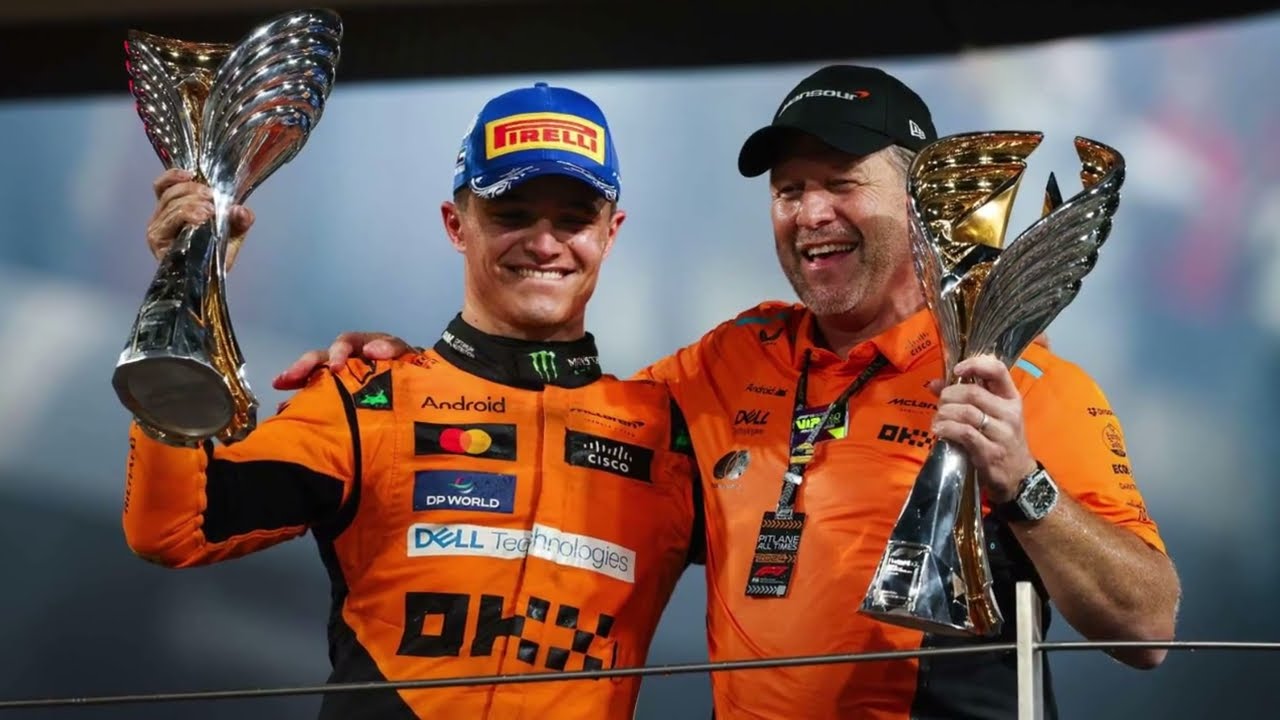
This brings us to the political risk facing Team Principal Andrea Stella and the McLaren leadership. Formula 1 teams rarely “reset” their hierarchies as easily as they reset their car designs. Engineers have long-standing relationships with Norris; strategy groups have built-in preferences based on years of collaboration. However, if the results consistently lean toward Piastri, the team enters a dangerous “structural bias” territory. Even without explicit team orders, a preferred setup path or a safer strategic assumption for one driver over the other can dictate a season’s outcome.
The tension is exacerbated by recent regulation tweaks. Just before the Miami weekend, the FIA adjusted energy recovery limits, moving from 8 MJ to 7 MJ. On the surface, this technical change aims to reduce the “artificial” feel of qualifying and return to a more natural racing rhythm. Paradoxically, this could be the lifeline Lando Norris needs. By moving the format back toward pure instinct, the advantage might tilt back toward the Briton.
However, this creates a “no-win” situation for the McLaren hierarchy. If Norris wins because the rules were adjusted to suit his style, the questions regarding Piastri’s suppressed potential will grow louder. Conversely, if Piastri wins even after the rules move back toward instinct, it becomes an undeniable statement: he is the more complete driver. At that point, the argument for protecting Norris as the “natural” lead driver collapses.
McLaren has spent years selling the image of internal harmony—the “two equal drivers” branding that looks great on social media. But history shows that true title-contending teams eventually have to choose. You cannot win a World Championship while splitting strategies and development paths down the middle. Miami 2026 is the moment where the “Papaya Rules” stop being a catchy slogan and start being a liability.
If Piastri dominates Miami again, McLaren won’t just have a sporting success; they will have a full-blown political crisis. They will have to decide whether to fully commit to Piastri as their championship asset or continue to protect the legacy they built around Norris. One thing is certain: the smiles in the McLaren garage this weekend will be masking the most intense internal battle in modern Formula 1. Miami is no longer just a race for points; it is a race for the crown within the team, and the winner may well take it all.








