Panic in the Paddock: Why Formula 1 is Already Desperately Backpedaling on the Disastrous 2026 Regulations
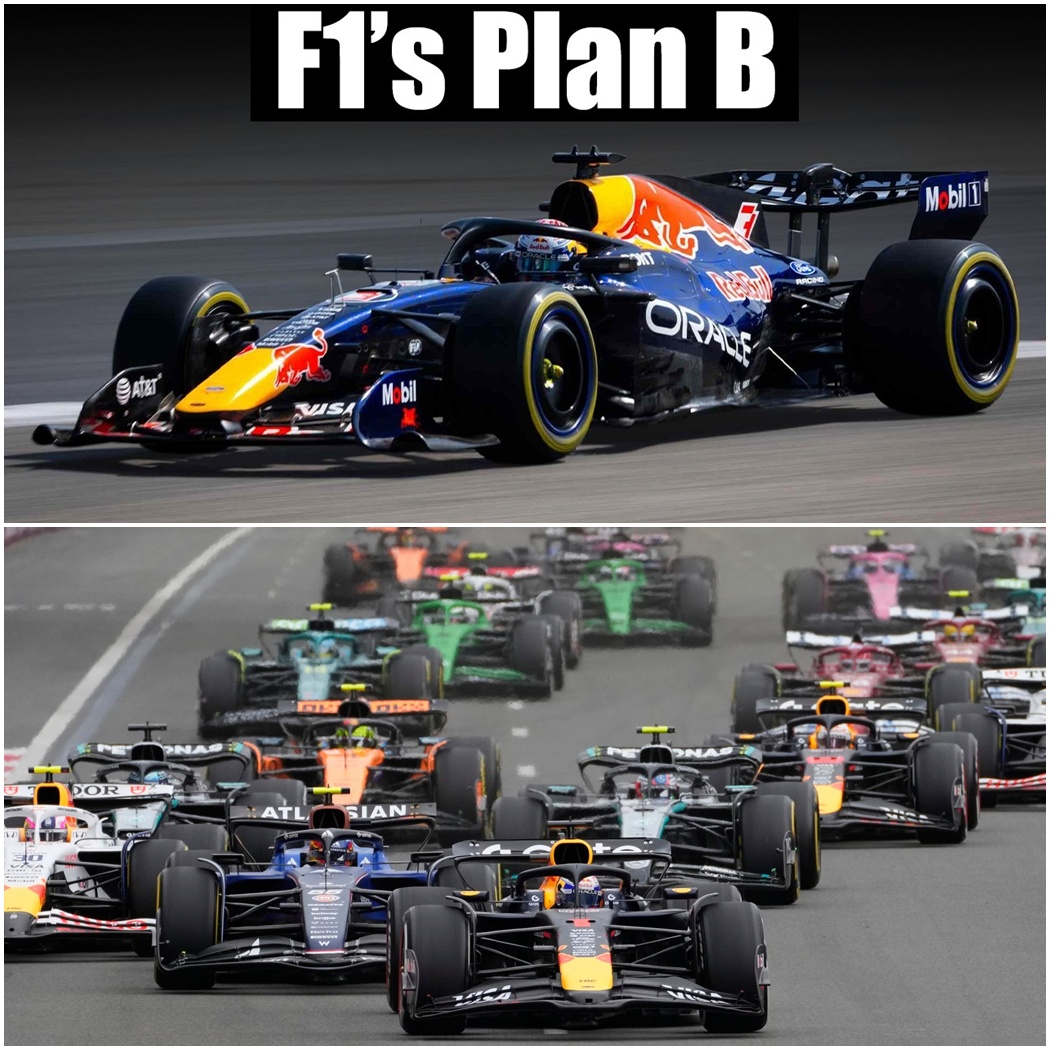
The dawn of a new regulatory era in Formula 1 is traditionally a time of boundless optimism, groundbreaking engineering, and edge-of-your-seat anticipation. Fans and pundits alike spend the winter months eagerly speculating about which brilliant technical mastermind has discovered the ultimate loophole to propel their team to championship glory. However, as the sport aggressively hurtles toward the highly anticipated 2026 season, the mood in the paddock is not one of excitement. It is a mood of palpable, cold panic. The five red lights have not even gone out for the season opener at the Albert Park circuit in Australia, yet the governing body, the FIA, is already frantically reaching for the emergency brake.
The core issue lies in the wildly ambitious, fundamentally flawed new engine regulations. For 2026, Formula 1 boldly mandated a massive shift in the power dynamic, promising a near fifty-fifty split between internal combustion and electrical power. It was championed as a glorious leap into a sustainable future. But the reality on the asphalt has proven to be a terrifying engineering nightmare. Teams are currently grappling with debilitating turbo lag, catastrophic battery drain, and cars that handle so bizarrely that team principals like Christian Horner have openly referred to them as “Frankenstein cars.” Now, behind closed doors, a desperate “Plan B” is being drafted to slash the very electrical power that was supposed to define this new era.
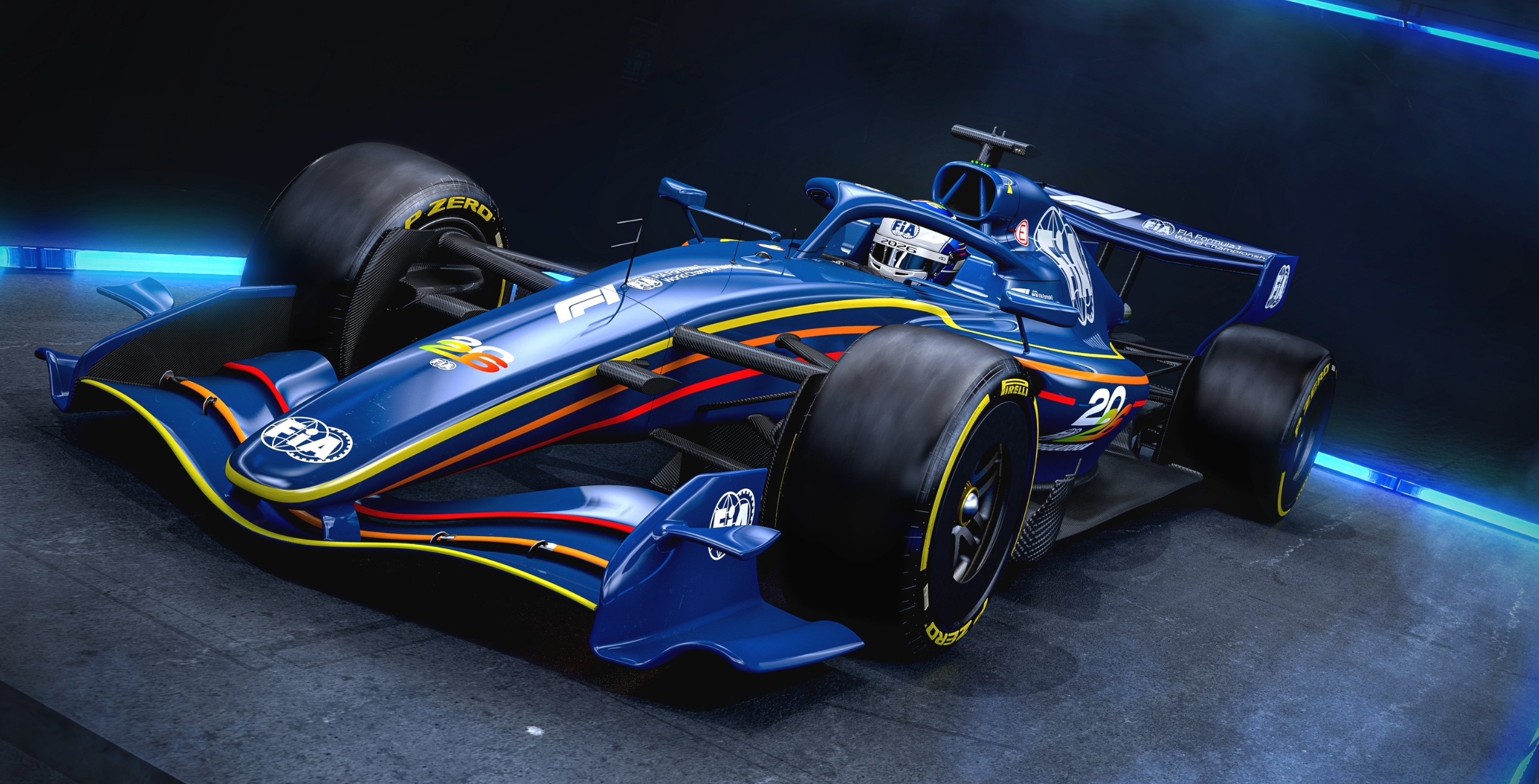
To comprehend the sheer scale of this impending crisis, one must understand the anatomy of the new power units. The most significant and controversial change was the complete removal of the MGU-H (Motor Generator Unit – Heat). In previous seasons, this highly complex piece of engineering magic essentially eliminated turbo lag by using exhaust gases to spool up the turbocharger electronically. Without the MGU-H, drivers are now forced to build up the turbo manually. This has resulted in a chaotic, high-revving auditory experience—most notably heard from the newly entered Audi project—and a massive delay in power delivery when the driver initially steps on the throttle.
But the turbo lag is only the tip of the iceberg. The far more terrifying issue is the battery drain. By dramatically increasing the reliance on the MGU-K (Motor Generator Unit – Kinetic) to supply a massive electrical boost, the sport has created an energy consumption monster. During the recent pre-season tests in Bahrain, observers noted that a car’s battery could plummet from a full one hundred percent charge down to absolute zero simply by accelerating down a single, moderately long straight.
This extreme energy deficit has birthed a deeply unnatural and widely despised driving style. Because the battery drains so violently fast, drivers cannot simply put their foot to the floor and race. Instead, they are being forced to execute extreme “lift and coast” maneuvers, deliberately backing off the throttle hundreds of meters before a braking zone just to harvest energy. Even more bizarre is the rising phenomenon of “super clipping.” This occurs when a driver has the accelerator pedal pinned fully to the floor, yet the intelligent engine management system actively restricts the top speed, diverting the kinetic energy to desperately recharge the dying battery. Imagine driving a race car at two hundred miles per hour, flat out, only to feel the car actively braking against you on a straightaway. It is entirely counterintuitive to the fundamental DNA of a racing driver, and almost universally, the grid absolutely hates it.
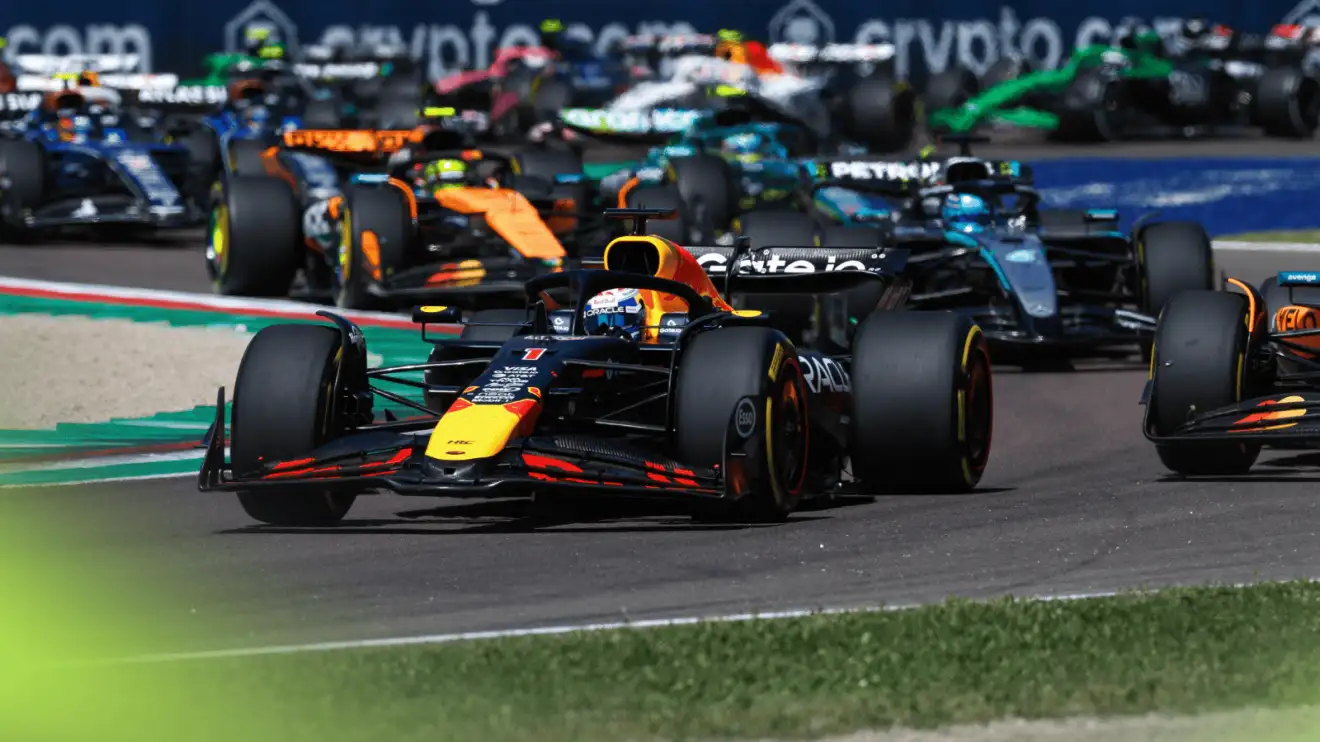
The FIA and Formula 1 CEO Stefano Domenicali are acutely aware of the mounting disaster. The Bahrain circuit, with its specific layout, only offered a mild glimpse into the horrors of this energy crisis. The true terror awaits at tracks characterized by massive, sustained full-throttle sections. The season opener in Melbourne, Australia, and the terrifyingly fast street circuit in Jeddah, Saudi Arabia, are looming on the horizon like executioners. On these high-speed layouts, the battery drain issues will be violently amplified, potentially transforming the pinnacle of motorsport into a glorified, high-speed fuel economy run.
Terrified by the prospect of an unwatchable television product where drivers are merely cruising around to save battery life, the FIA has quietly introduced a radical contingency strategy: Plan B. During the F1 Commission meetings in Bahrain, intense discussions were held about heavily nerfing the newly introduced electrical output. The proposal suggests severely slashing the MGU-K output by 50 to 100 kilowatts, or potentially even reducing it by 150 kilowatts. Currently, the maximum electrical deployment sits at a hefty 350 kilowatts. Mercedes has reportedly argued that a slightly reduced 300 kilowatts is the absolute “sweet spot” for drivability, but the FIA is considering going much lower.
Implementing this emergency backup plan would come with massive trade-offs. If the electrical power is forcefully slashed, the overall lap times will plummet. Projections indicate the cars would instantly become 1.5 to 2.5 seconds slower per lap. However, the critical benefit is that the available electrical deployment would last significantly longer—jumping from a pathetic, fleeting burst to a sustained 11 to 14 seconds of usable boost. This fundamental shift would drastically reduce the need for the despised lift-and-coast tactics, theoretically allowing the drivers to actually race each other naturally. Furthermore, the fabled “overtake button,” which currently feels utterly useless because the battery is always empty, would finally offer a genuine, two-to-three-second tactical advantage during a dogfight.
While Plan B might save the entertainment value of the sport, it has ignited a vicious, highly toxic political war inside the paddock. Formula 1 is a ruthless meritocracy. You build the best car within the rules, and you win. Changing the fundamental parameters of the engine regulations either right before the first race or right in the middle of the season is an incredibly controversial, borderline unfair intervention.
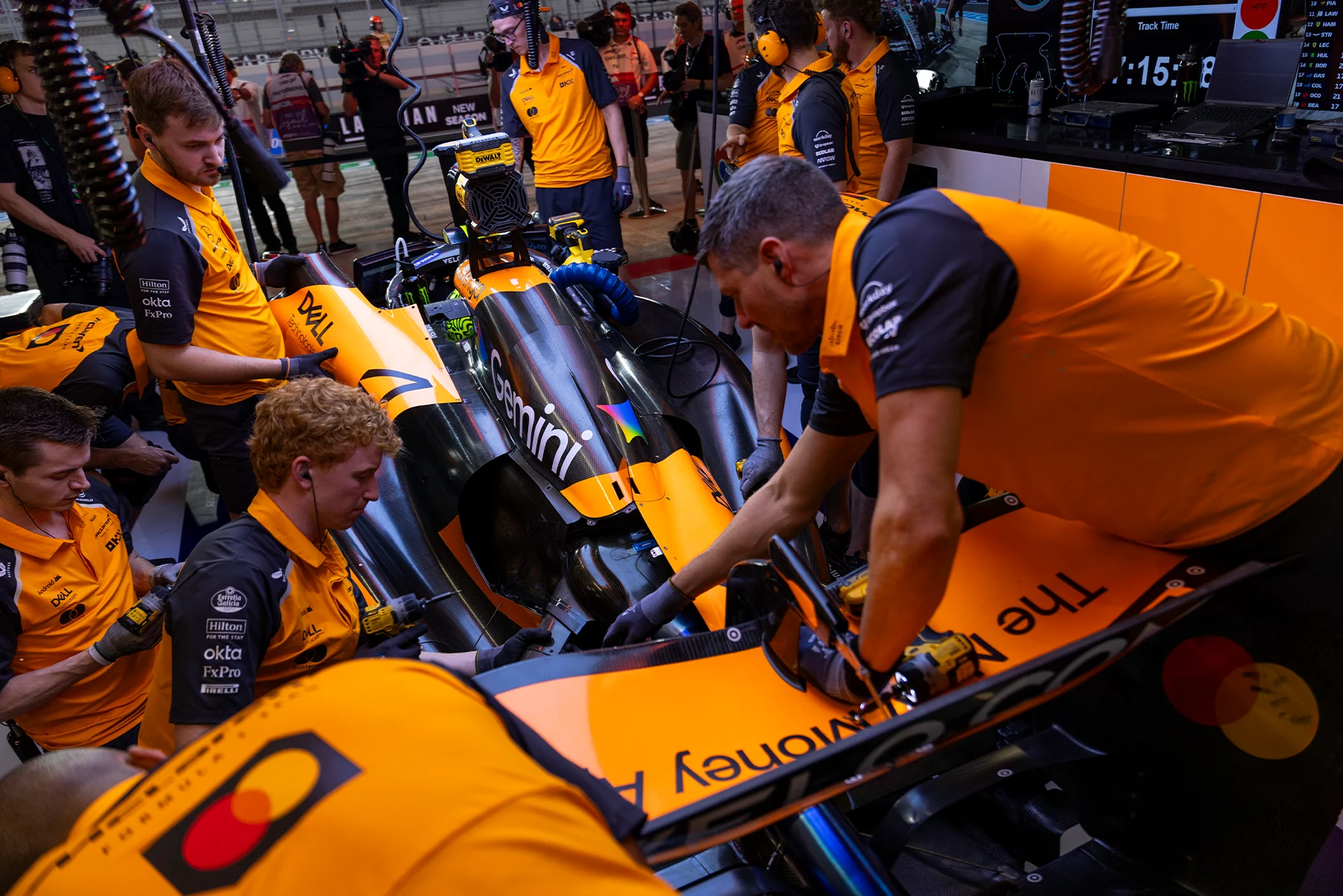
The harsh reality is that some teams have actually mastered these nightmarish regulations. Elite operations like Mercedes, Ferrari, and Red Bull have poured hundreds of millions of dollars into developing highly efficient electrical harvesting systems. Ferrari, in particular, has designed a brilliantly optimized, smaller turbocharger that gives them a massive advantage in slow-speed corners and off the starting line. These top-tier teams will be absolutely furious if their hard-earned engineering supremacy is suddenly wiped out by a mid-season rule change designed to protect incompetent rivals.
Conversely, teams that have fundamentally botched their 2026 engine designs are currently begging for Plan B to be immediately activated. Rumors circulating the paddock suggest that the Aston Martin-Honda alliance is in a state of absolute crisis, barely able to generate 250 kilowatts of regeneration from their MGU-K. The rookie Audi squad is similarly struggling to comprehend the complex energy demands. For these underperforming teams, a sudden, mandated reduction in the maximum allowable electrical output would be a miraculous, season-saving lifeline. It would artificially compress the field, punishing the brilliant and rewarding the failures.
This entire debacle highlights a broader existential crisis at the very heart of Formula 1. In a desperate, highly publicized attempt to project an environmentally friendly, socially conscious image to the world, the sport pushed for this ambitious fifty-percent electrical power mandate. Yet, almost everyone—from the engineers to the drivers, to the millions of fans watching at home—would arguably prefer a return to screaming, naturally aspirated engines powered by modern, 100% sustainable drop-in fuels. The current regulations feel less like a natural evolution of racing and more like a forced, artificial marketing exercise that has severely compromised the actual on-track product.
As the freight crates arrive in the Albert Park paddock, the tension is suffocating. The entire motorsport world is holding its collective breath, waiting to see if the highly controversial 2026 “Frankenstein cars” will actually provide thrilling racing, or if they will instantly expose the devastating flaws of an overly complex rulebook. If the drivers spend the entire Australian Grand Prix desperately coasting down the straights just to keep their batteries alive, the FIA will have absolutely no choice. They will be forced to press the panic button, dramatically alter the rules, and plunge the pinnacle of motorsport into an unprecedented era of political and technical chaos. The 2026 season hasn’t even officially started, but the battle for the soul of Formula 1 is already raging.








