The Verstappen Ultimatum: The Complex and Shocking Truth Behind Why Formula 1’s Biggest Star is Ready to Walk Away
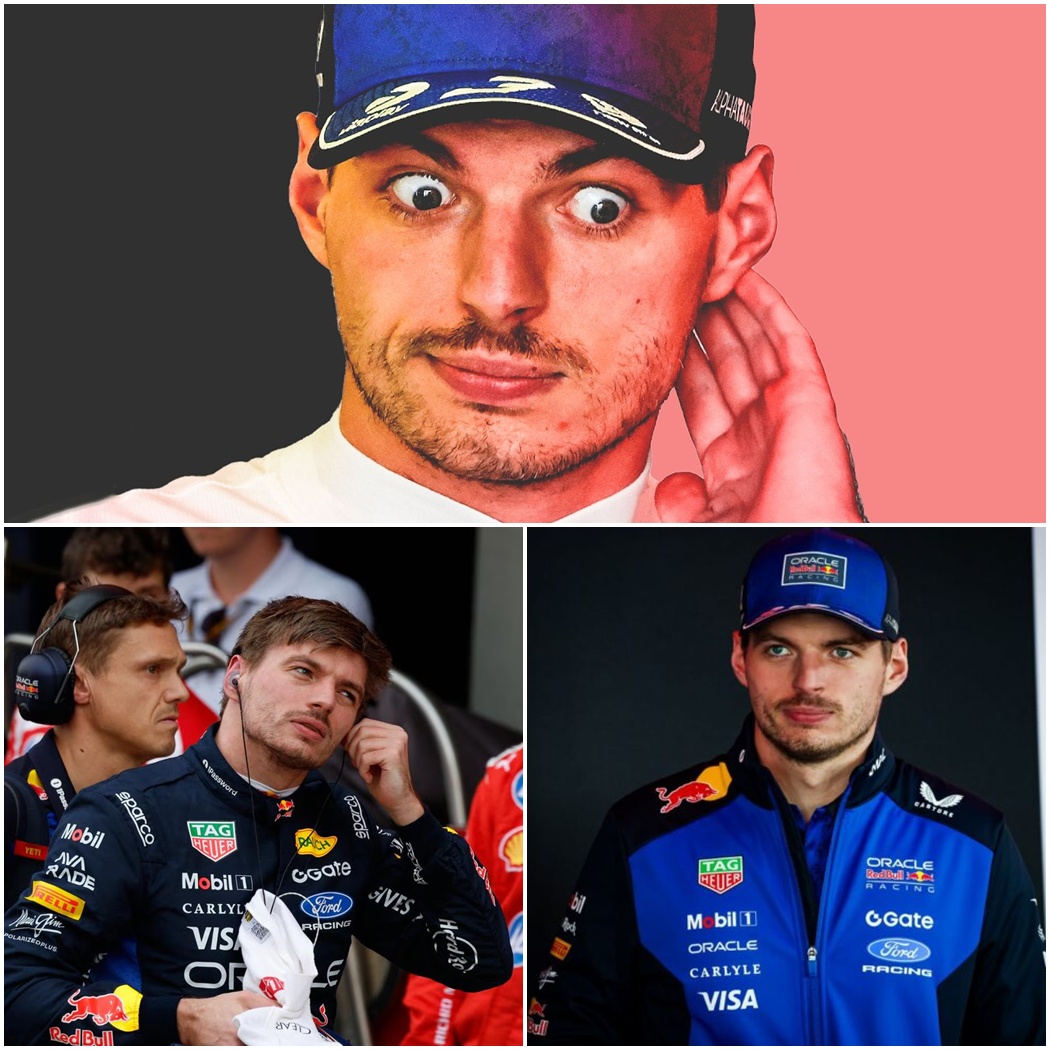
The world of Formula 1 thrives on relentless drama, high-speed politics, and the constant churning of the rumour mill. Yet, even by the wildly unpredictable standards of the paddock, the whispers currently echoing around the motorhomes are deeply unsettling. Max Verstappen, the defining driver of his generation and the undisputed benchmark of modern motorsport, is heavily rumoured to be contemplating walking away from the sport entirely. For the casual observer, the narrative seems incredibly straightforward: Red Bull Racing has brutally stumbled out of the blocks in the new regulatory era, Verstappen is languishing in an unfamiliar ninth place in the Drivers’ Championship, and like a petulant child throwing their toys from the pram, he wants out. However, to accept this simplistic view is to fundamentally misunderstand the incredibly complex psychology of the man, and the very real existential crisis currently gripping Formula 1.
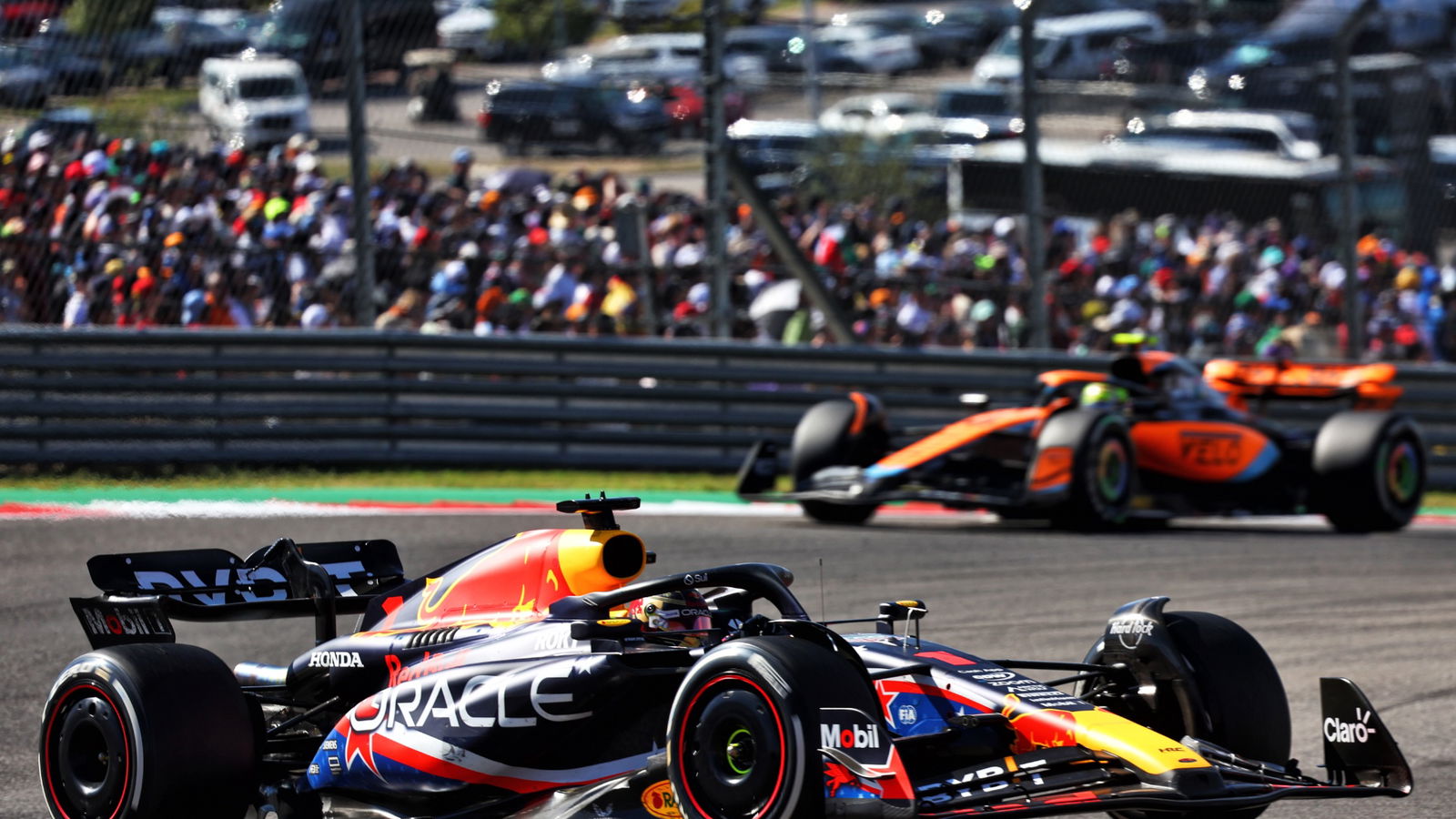
To suggest that Red Bull’s current lack of performance is entirely irrelevant would be entirely disingenuous. Naturally, it plays a role. Every elite competitor desires a machine capable of fighting at the sharp end of the grid. It will inevitably take significant time for the new Milton Keynes engine project to fully harmonise, and for a driver accustomed to absolute domination, fighting in the chaotic midfield is a bitter pill to swallow. Yet, if you believe that this temporary dip in competitive fortune is the sole catalyst for his potential departure, you are vastly underestimating the depth of the situation. Drivers like Fernando Alonso have previously tolerated utterly uncompetitive machinery—most notably during the disastrous McLaren-Honda reunion—because the underlying passion for the sport remained intact, alongside a burning desire to chase elusive statistics. But Verstappen is fundamentally wired differently.
Since the incredibly intense, chaotic climax of the 2021 season, Verstappen has maintained a fascinatingly unique perspective on his career. He achieved his lifelong goal; he reached the absolute summit of his profession and secured that maiden World Championship. Everything since that fateful night in Abu Dhabi has been explicitly categorised by him as a “bonus.” He is not overwhelmingly motivated by the prospect of breaking Michael Schumacher’s or Lewis Hamilton’s records. Securing six, seven, or eight titles does not dictate his self-worth or get him out of bed in the morning. When he casually mentions that in twenty years he will not care whether he won four or seven championships, he is not feigning indifference; he is expressing a profound truth about his character. He races purely for the love of the game, for the visceral thrill of controlling a machine on the very ragged edge of physics. The catastrophic problem facing Formula 1 right now is that Verstappen is simply no longer enjoying the game.

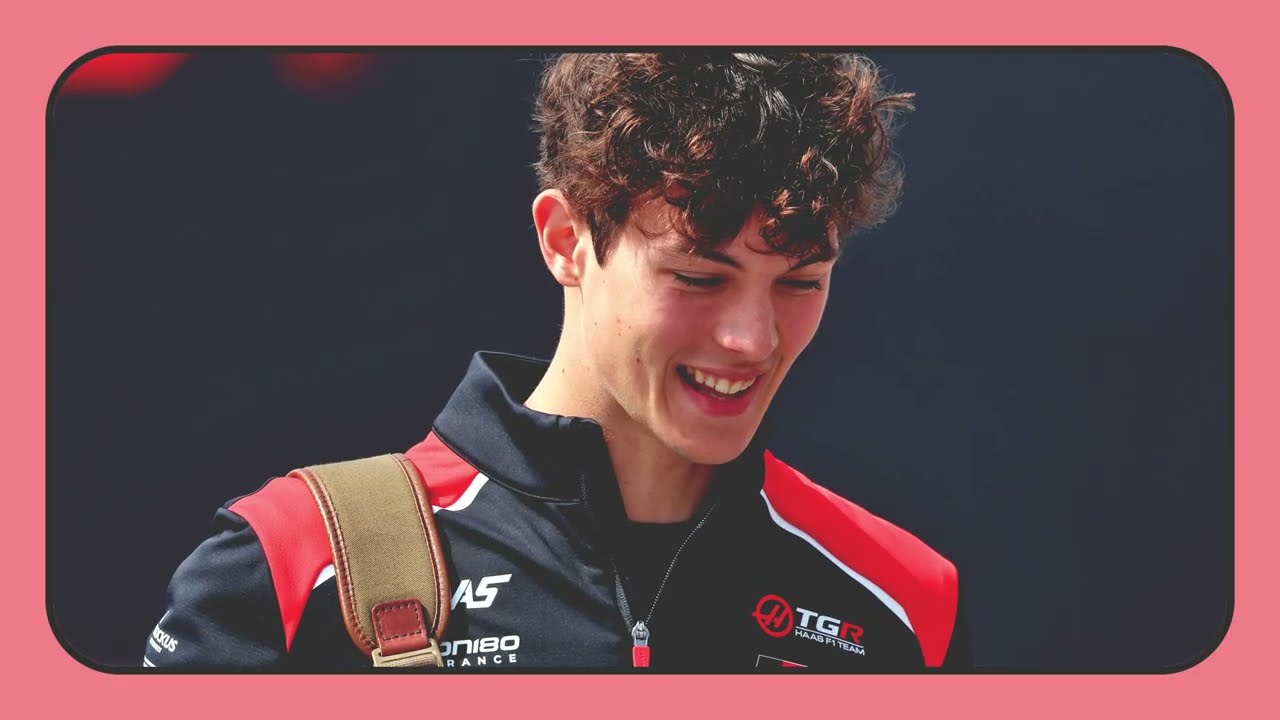
The introduction of the new technical regulations, specifically the controversial shift to a 50/50 power split between the internal combustion engine and the electrical systems, has fundamentally altered the DNA of the sport. It has birthed a deeply frustrating phenomenon known as “super clipping,” where cars aggressively harvest energy at the end of long straights. This does not merely ruin the purity of a qualifying lap; it actively creates incredibly dangerous scenarios during a Grand Prix. The recent terrifying accident involving Ollie Bearman and Franco Colapinto in Japan served as a stark, violent warning. When one car is actively deploying its electrical power while the car ahead is harvesting, the resulting speed differential is gargantuan and practically unmanageable. It transforms overtaking from a beautiful display of late-braking bravery into a highly artificial, uncontrollable “yo-yo” effect. For a purist like Verstappen, this sterile, software-dictated style of racing is practically offensive. Why should he risk his life driving cars that feel fundamentally wrong, in a formula that actively punishes natural racing instincts?
This profound dissatisfaction is heavily amplified by the fact that Verstappen has readily found automotive joy elsewhere. He has not lost his passion for driving; he has simply lost his passion for driving modern Formula 1 cars. Through his Verstappen Sim Racing venture and his extensive private testing in GT2 and GT3 machinery—frequently seen tearing around the legendary Nürburgring—he has rediscovered the raw, unfiltered driving experience that Formula 1 currently lacks. In GT racing, the tyres grip predictably, the power delivery is linear, and the driver remains the absolute master of the machine’s destiny. Furthermore, he owns the project. He can dictate the terms, shape the environment, and enjoy the pure essence of motorsport without the suffocating political circus that endlessly trails the Formula 1 calendar.
Adding significantly to this complex equation is the deeply personal human element. It is incredibly easy to view these elite athletes as robotic entities, programmed solely to turn steering wheels and memorise braking markers. But they are human beings whose priorities naturally evolve. Verstappen has recently welcomed his first child into the world. The current Formula 1 calendar is an absolute, unrelenting behemoth. It is a brutal logistical circus that drags its participants across the globe, demanding an unfathomable amount of time away from home, family, and a sense of normalcy. Verstappen may only be 28 years old, but it is crucial to remember that he debuted in the sport as a fresh-faced 17-year-old. He has been subjected to this relentless, high-pressure meat grinder for over a decade. He has accumulated immense wealth, achieved every conceivable professional goal, and now possesses the ultimate luxury: the absolute freedom to choose how he spends his time. The rigid, demanding structure of Formula 1 stands in stark contrast to the flexibility and freedom he enjoys in his private racing endeavours, which are conveniently located much closer to his home in Monaco.
The power dynamic in this situation rests entirely in Verstappen’s hands. Due to performance clauses cleverly inserted into his contract, it is highly likely he could legally walk away by October of this year if the Red Bull machinery does not drastically improve its championship standing. However, the governing bodies of the sport cannot afford to let it reach that disastrous point. To lose the most talented, most heavily supported driver on the planet simply because he finds the current regulations unpalatable would be a catastrophic PR disaster for the FIA and Liberty Media.
The upcoming break in the racing calendar is absolutely critical. The sport’s powerbrokers must urgently sit down with the drivers to address the glaring safety concerns and the fundamental drivability of these new cars. If they can find a pragmatic compromise—perhaps dialling back the electric dependency to a more manageable 70/30 or 65/35 split—they might just be able to tempt Verstappen to stay. Formula 1 does not exist in nature; its rules are entirely man-made and can be changed if the political will exists. If they fail to adapt, a sabbatical or even a complete retirement is a highly realistic prospect. Verstappen does not need to declare a permanent end to his career; he can simply step away, indulge in his passions, raise his family, and watch from afar. If the sport eventually fixes its inherent flaws in five years’ time, his phone will immediately ring with blank-cheque offers. Ultimately, Formula 1 needs Max Verstappen far more than Max Verstappen currently needs Formula 1. The clock is relentlessly ticking, and the sport must decide whether it is willing to compromise its flawed new philosophy to save its biggest star.








