Inside the Survival Mission: How Honda and Aston Martin Are Fighting to Save Fernando Alonso’s Season Before Miami
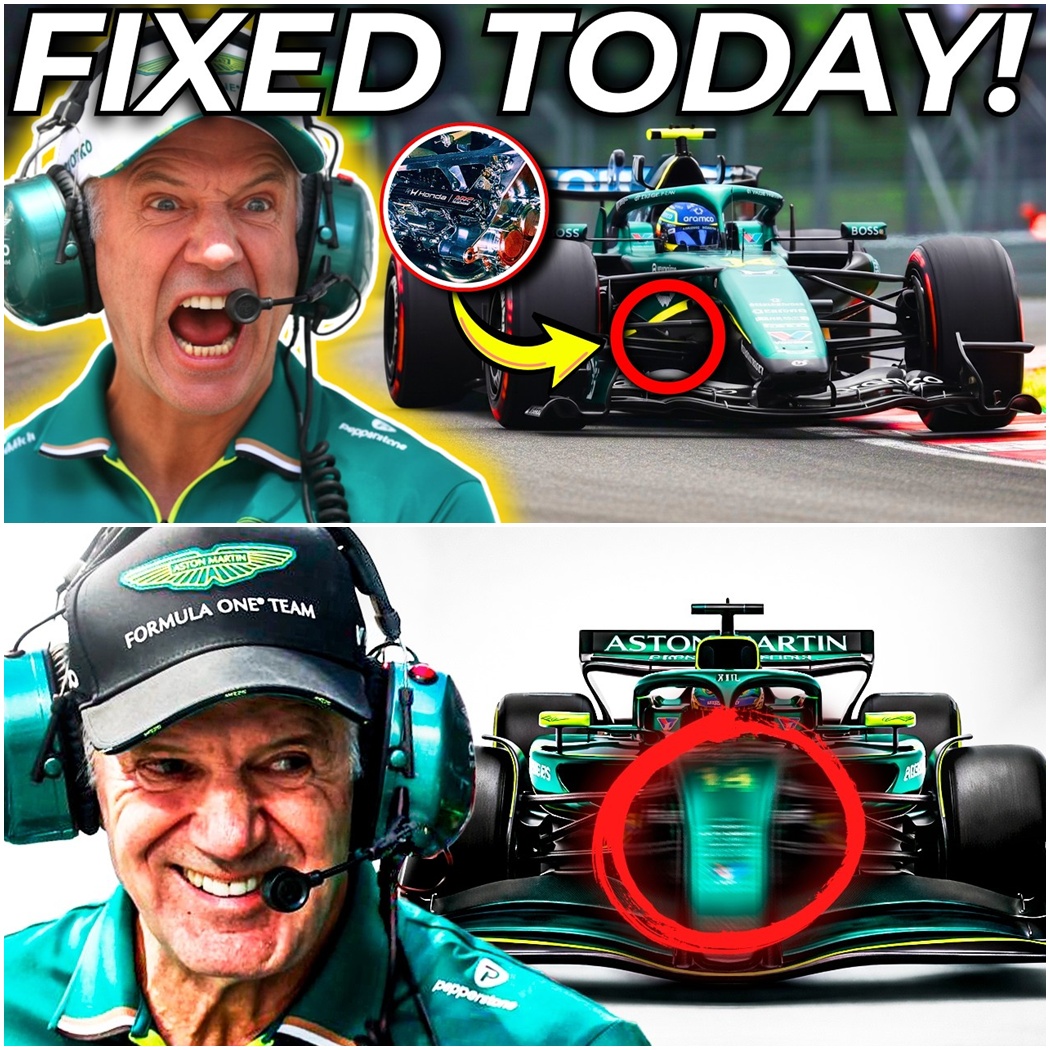
The four-week hiatus between the Japanese Grand Prix and the upcoming Miami showdown is usually a time for aerodynamic refinement and simulator data crunching. But for Aston Martin and Honda, the break wasn’t a luxury—it was a frantic survival mission. While rivals like Ferrari and Mercedes were busy optimizing performance, Aston Martin took the unprecedented step of shipping their actual race-worn chassis back to Honda’s Sakura factory. This wasn’t a development mule or a digital model; it was the physical car that struggled at Suzuka, undergoing a “medical” examination that has sent shockwaves through the paddock.
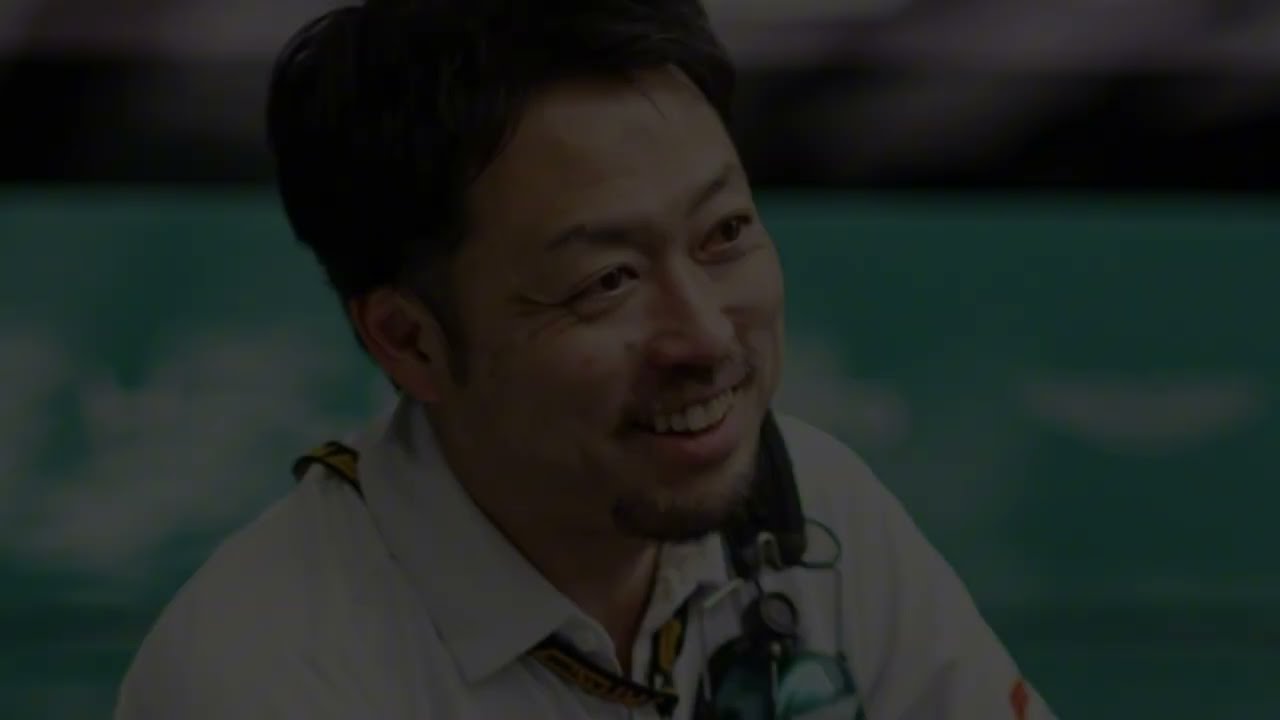
At the heart of this crisis is a visceral, physical problem that has transcended mere lap times. Fernando Alonso has reported losing sensation in his hands and feet during races—a terrifying side effect of violent vibrations echoing through the AMR26. To solve this, Shintaro Orihara, Honda’s lead trackside engineer, did something almost unheard of in the modern era of high-tech simulation: he sat in the stationary car on the dyno. He didn’t just look at graphs; he needed to feel the resonance that was punishing his drivers. When a chief engineer has to physically inhabit a cockpit to diagnose a “vibration frequency” problem, you know the team has moved past theoretical fixes and into the realm of a structural emergency.
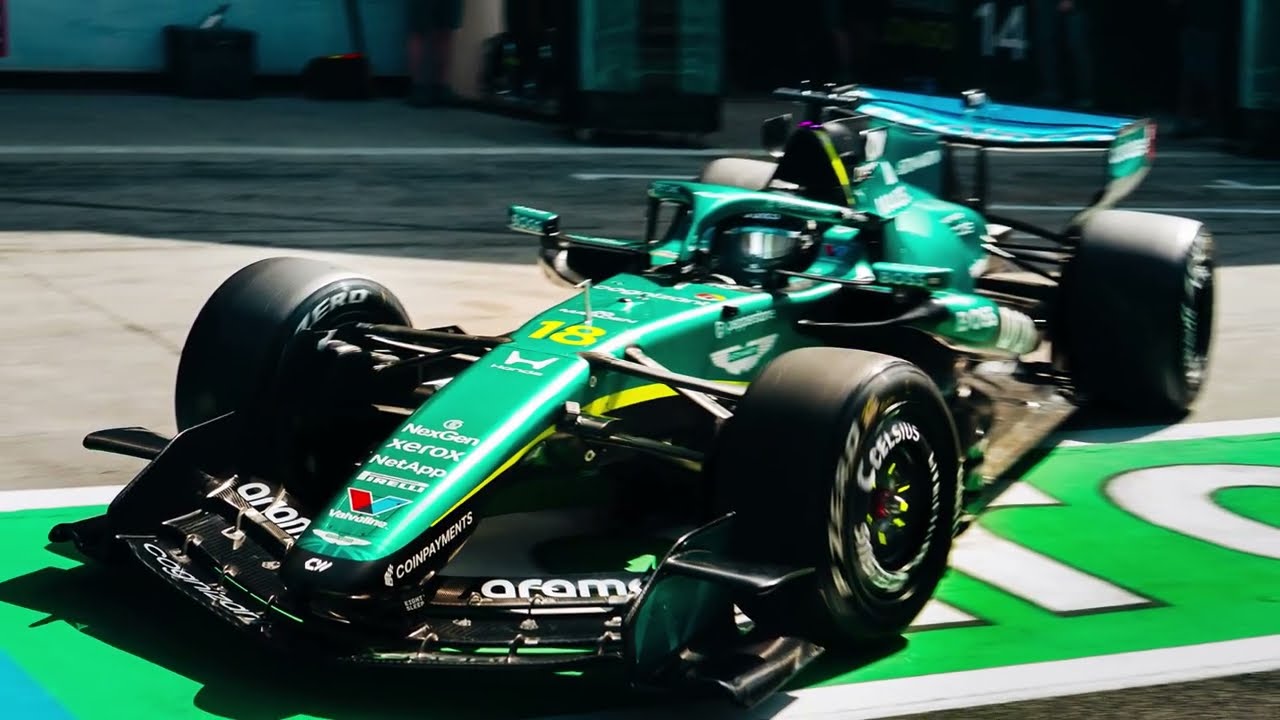
The technical marriage between the Aston Martin chassis and the Honda power unit has, until now, been a troubled one. Reports emerging from the Sakura testing reveal a startling fact: before this April break, Honda had never been able to run the AMR26’s engine while fully integrated with the actual chassis. The aggressive construction timeline pushed by design legend Adrian Newey meant that the infrastructure at Silverstone wasn’t ready for integrated testing, and Sakura wasn’t equipped for it either—until they made it work out of necessity. This lack of integration created a resonance nightmare where the engine, the mounting points, and the chassis were essentially fighting each other on track.
As the F1 circus arrives in Miami for sprint qualifying, the pressure is at a boiling point. For the first time this season, Honda is bringing genuine hardware changes rather than the temporary “countermeasures” used in previous rounds. These are not software tweaks; these are physical modifications to the source of the vibration. However, despite this progress, the mood within the team remains somber. Team Principal Mike Krack has been brutally honest with the media, stating flatly, “We cannot expect miracles coming to Miami.”
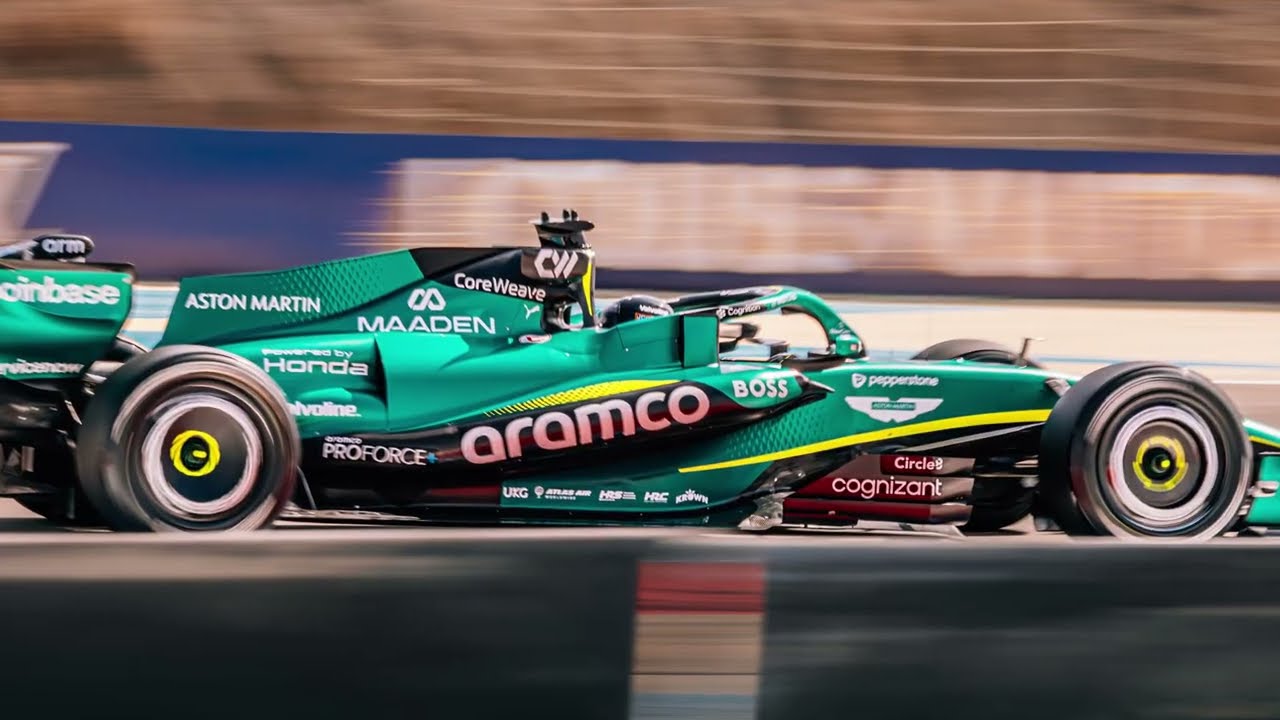
It is a rare moment of transparency in a sport built on PR spin. Krack’s message is clear: the team is prioritizing reliability over performance. The trajectory of the season so far has been grim. In Australia, both cars failed to finish. In China, Alonso was seen taking his hands off the wheel in frustration. By Japan, they managed to finish, but a lap down in 18th place. For a team with a works Honda partnership and a state-of-the-art campus, being two seconds off the pace is a bitter pill to swallow.
The structural issues at Aston Martin are further highlighted by a sobering comparison with the debut Cadillac team. Running a customer Ferrari engine and possessing none of the high-end infrastructure of the Silverstone-based squad, Cadillac is already within a few tenths of Aston Martin in race trim. Even more damning are the pit stops: while Ferrari averages a lightning-fast 2.38 seconds, Aston Martin is languishing at over 4 seconds. It is a 360-degree failure that suggests the engine isn’t the only ghost in the machine.
The road ahead offers little immediate relief. The major aerodynamic updates that could bridge the two-second gap to the front aren’t expected until Silverstone or Spa. Furthermore, Honda’s performance upgrades are locked behind a regulatory timeline that won’t open until after the race in Canada. This means Aston Martin is essentially entering a “survival phase,” racing a static development package for the next five or six weekends while their competitors bring fresh parts to every grid.
Miami, therefore, isn’t about podiums or even points—it’s a litmus test for the Sakura hardware changes. Can the car finish a sprint and a full race distance without the driver losing feeling in their limbs? Can the hardware withstand the “race pressure” that saw previous fixes crumble in Japan? Sprint qualifying provides the first real data point. No more dynos, no more simulators, and no more stationary tests. This is about Fernando Alonso pushing the AMR26 to the absolute limit under the Florida sun.
Whether these changes represent a turning point or just another failed workaround will be decided in a matter of hours. For now, Aston Martin stands at a crossroads: they finally understand the monster they are dealing with, but understanding the problem is a world away from fixing a two-second deficit. In Miami, the goal is simple but heavy: just finish.








