The Tragic Loyalty of Charles Leclerc: How Ferrari is Destroying a Generational Talent
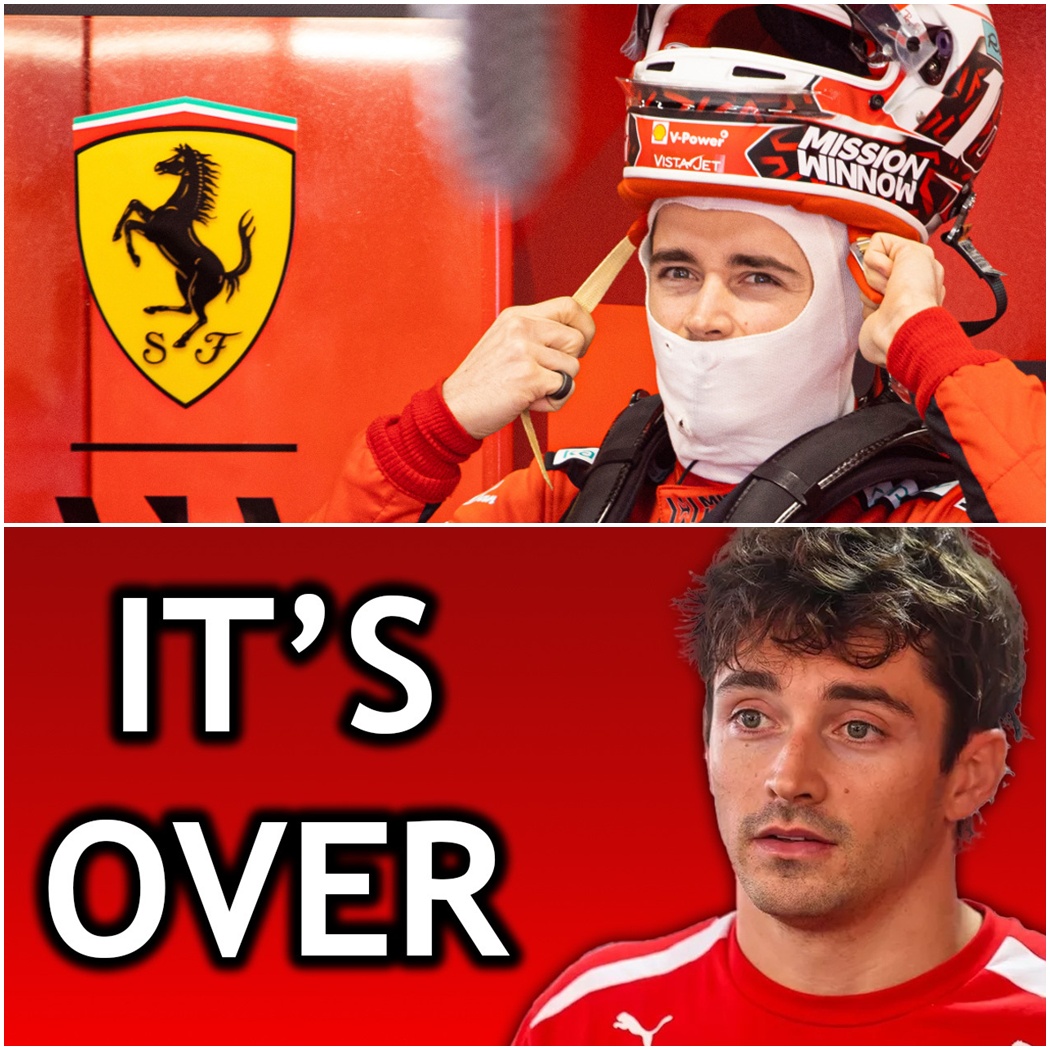
Ever since he burst onto the Formula 1 scene in 2018, fans and pundits alike have heard nothing but immense praise for Charles Leclerc. Heading into his rookie year, he was already carrying the aura of a future world champion. This was a young man who had absolutely dominated the junior formulas, racking up countless victories and podiums. It was abundantly clear to anyone watching that he was a driver to remember. When he finally made his highly anticipated debut for Sauber, very few were actually surprised when the twenty-one-year-old completely stunned the grid. He was fiercely racing against some of the most experienced wheelmen in the midfield, fighting for every inch of tarmac. By the conclusion of that spectacular rookie season, he had secured three consecutive seventh-place finishes. In an era where the top three teams were often minutes ahead of the rest of the pack, achieving a seventh place was essentially a victory for a midfield team. Everyone in the paddock knew Charles possessed greatness, and the general consensus was that multiple world titles were inevitably in store for him.
Naturally, the question became: what better team to unlock that raw, unbridled potential than his very own academy team, Ferrari? The Scuderia had been without a world championship since 2008, a painful drought for the most historic and prestigious team in the sport. Yet, it was painfully clear that they still retained the raw capabilities, financial backing, and resources to win. They simply needed the correct leadership and the right driver to pull it all together. Looking at their driver lineup at the time, the situation was looking rather bleak for the Italian giant. They had Sebastian Vettel, who, despite putting up a valiant title fight against Lewis Hamilton, was beginning to show serious signs of wear and tear. This decline was heavily exacerbated after the infamous German Grand Prix, where, in front of his home audience, Vettel crashed out of the lead in deeply embarrassing fashion, triggering a painful spiral of uncharacteristic mistakes. In the other garage was Kimi Räikkönen, the man who had brought Ferrari their last title all the way back in 2007. Kimi was still performing admirably, even securing a fantastic pole position at Monza, but time waits for no man. His peak performance was naturally decreasing with age, and Ferrari had to face the uncomfortable reality that he could not lead them into the next decade.
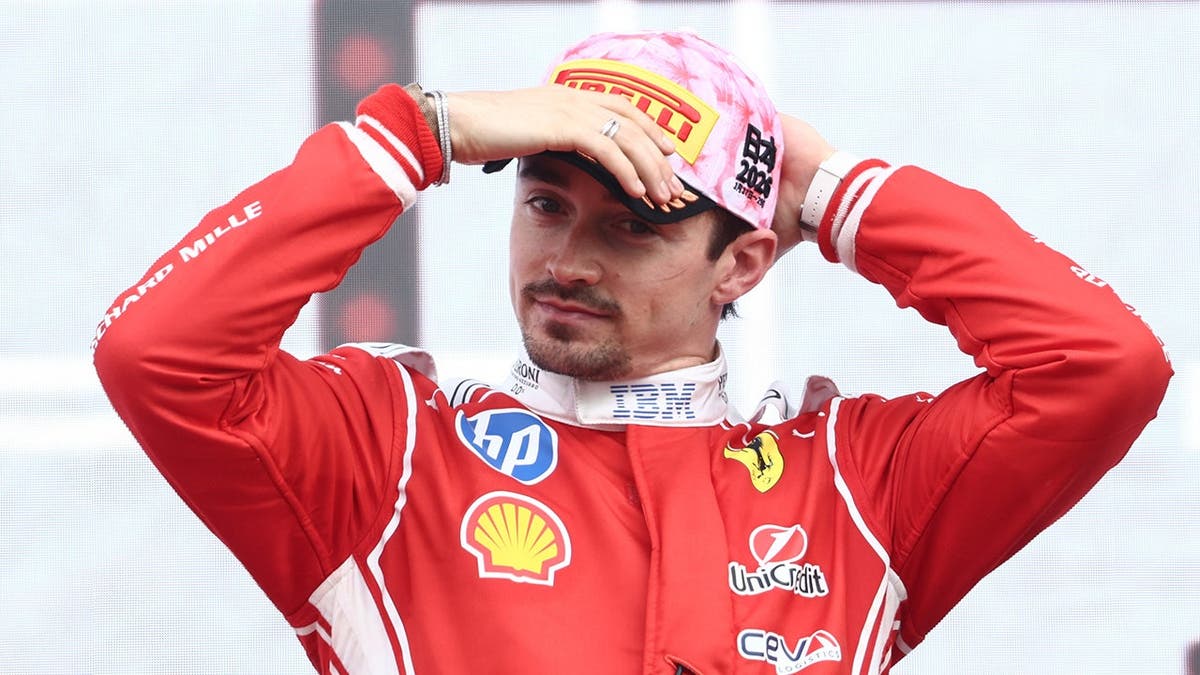
Ferrari needed to act decisively and quickly. With Red Bull’s Max Verstappen rapidly honing his aggressive abilities, Lewis Hamilton looking completely untouchable at Mercedes, and Toto Wolff building an impressive reserve of young talent, Maranello simply could not afford to be left behind in the arms race. Their solution was brutal but necessary. They could not fire Vettel, who was still deeply contracted and technically in the championship mix. Instead, they made the tough decision to let go of the thirty-nine-year-old Räikkönen, bringing in the twenty-one-year-old hotshot, Charles Leclerc. The narrative was perfect: if anyone could restore the former glory of Maranello, it was going to be this extraordinary talent. After all, Leclerc already possessed a wealth of experience racing against Verstappen in their karting days; they were essentially the LeBron James and Steph Curry of junior motorsport. The plan was solid. As the team developed its machinery, Charles would develop his racecraft. Within a few short years, he would reach his absolute prime, ready to dominate the sport and win race after race.
But the fairy tale quickly turned into a relentless nightmare.
Charles impressed mightily in his debut season with Ferrari in 2019, finishing fourth in the drivers’ standings and securing two breathtaking victories along with multiple podiums. However, the cracks in the Ferrari foundation were already beginning to show. Take the 2019 Singapore Grand Prix, for example. Leclerc had just won two races on the bounce and lined up on pole position around the tight, unforgiving streets of the Marina Bay circuit. Considering how notoriously difficult overtaking is at Singapore, this should have been a straightforward, comfortable victory to make it three in a row. But Ferrari, in a classic display of strategic incompetence, inexplicably called Charles into the pits right into a wall of slow traffic, whilst allowing his teammate Vettel to stay out and overcut him in clean air. When Charles came over the team radio, furiously questioning the baffling decision, the pit wall essentially shrugged it off. It was the first major taste of the bitter disappointment that would soon become his daily reality.
The 2020 season presented an entirely different challenge. Following a highly controversial private settlement with the FIA regarding their engine legality, Ferrari was severely nerfed. They produced a car that was genuinely uncompetitive, leaving Leclerc to fight incredibly difficult, uphill battles in the midfield. Interestingly, because the stakes were drastically lowered and expectations were non-existent, this arguably stands as one of Leclerc’s most impressive seasons purely in terms of driving standards. He drove out of his skin, dragging an absolute tractor of a car into positions it simply had no business occupying, making very few mistakes along the way.
However, as Ferrari slowly crawled back up the competitive order, the operational blunders returned with a vengeance. In 2021, the Turkish Grand Prix stands out as a prime example of strategic paralysis. In treacherous, wet conditions, Charles was left circulating on old intermediate tyres while his rivals behind had all pitted for fresh rubber. With about fifteen laps remaining, Charles practically begged the pit wall for strategic clarity, asking where he would finish if he stayed out. The team’s response was genuinely shocking: they told him that if he could magically keep Valtteri Bottas behind him, he would finish first. It was a complete non-answer that ignored the catastrophic pace deficit of his worn tyres. Naturally, Charles was utterly defenceless, getting easily swallowed up by Bottas, Verstappen, and Sergio Pérez, ultimately tumbling down to an agonising fourth place.
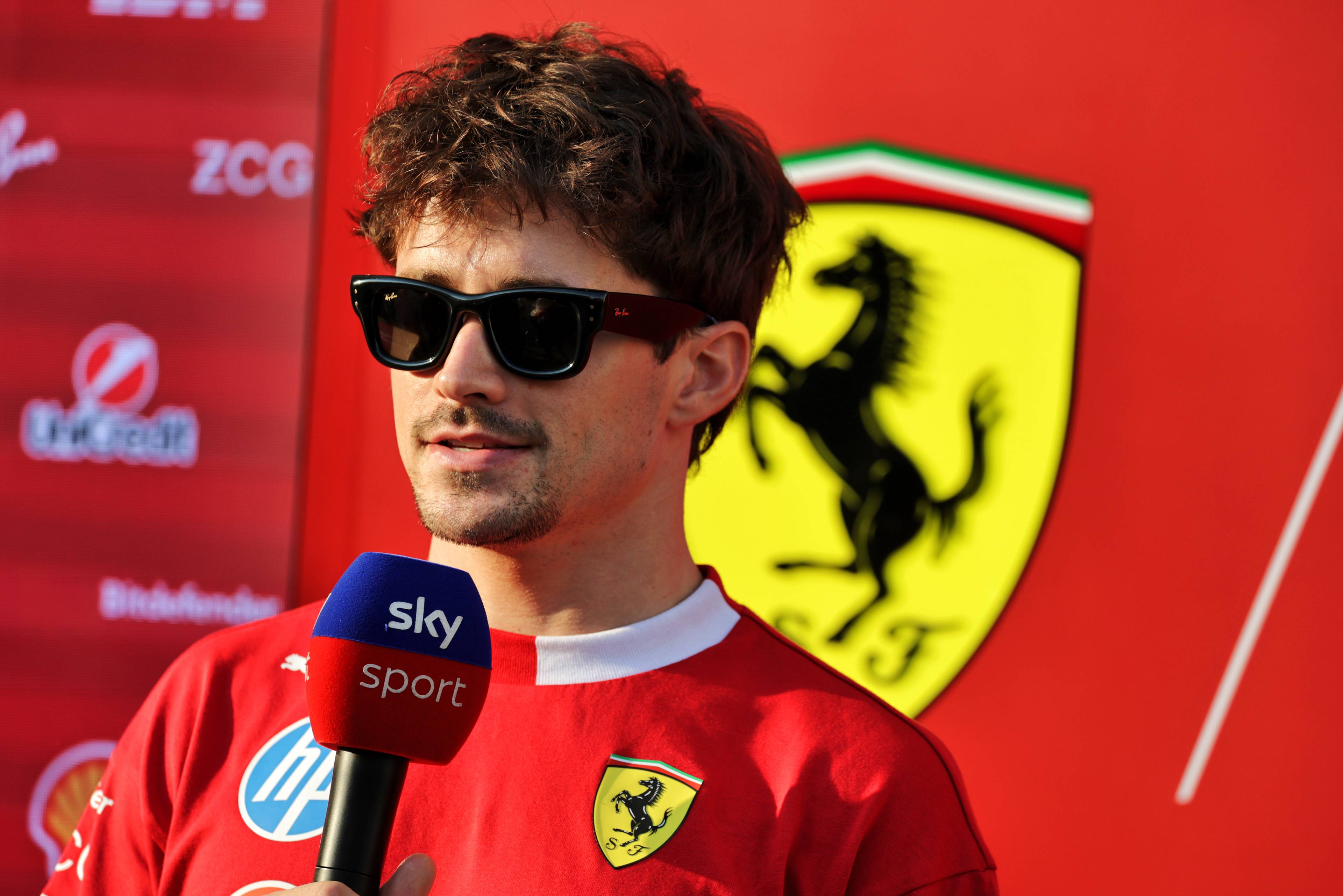
If the previous years were frustrating, 2022 eclipsed anything that came before it, delivering a masterclass in heartbreak. Ferrari finally produced a mighty car that was genuinely capable of winning the world championship. Yet, endless operational mistakes completely derailed the campaign, allowing Max Verstappen to simply run away with the title. The crown jewel of Ferrari’s incompetence was unquestionably the Monaco Grand Prix. It was Leclerc’s home race. He had dominated the entire weekend, securing a brilliant pole position. As the rain fell on Sunday, he held a strong lead. But as the track dried, Ferrari descended into absolute panic. In a span of just a few laps, they made a series of catastrophic calls, culminating in a disastrous double-stack pit stop that Charles was never supposed to be a part of. The team’s inability to read basic weather and telemetry data threw away a guaranteed one-two finish, dropping their star driver down to a miserable fourth place on a circuit where overtaking is virtually impossible. I have never seen a moment more beautifully tragic and perfectly fitting of modern Ferrari.
The pain did not stop there. The 2023 season was entirely defined by an endless string of mechanical failures and reliability issues, peaking in Brazil when Charles’s car completely failed on the formation lap, forcing him to tragically question his own luck on the team radio. The subsequent seasons in 2024 and 2025 followed a depressingly similar pattern. Whenever Ferrari seemed to find pace, a strategic blunder, a sudden lack of development, or a baffling team order would instantly ruin the weekend. In Hungary 2025, whilst leading the race, an inexplicable team call seemingly forced him into a compromised situation, kicking him right off the podium.
It has become a running joke in the Formula 1 paddock, but the reality is deeply concerning. Week in and week out, Charles Leclerc takes a metaphorical beating from his own team. It is almost borderline sabotage. Any sane, logical person who is repeatedly subjected to this level of professional humiliation would walk away. Leclerc has the talent, the youth, and the global reputation to demand a seat at absolutely any other team on the grid, who would gladly break the bank to secure his services. Yet, despite the endless agony, he recently signed a long-term contract extension, tying himself to Maranello until 2030.
This baffling decision tells a very sad story: Charles Leclerc has become complacent.
We can acknowledge the romanticism behind his choice. Ferrari is his boyhood dream. He desperately wants to be the saviour who brings glory back to Italy, and he carries the emotional weight of a promise he made to his late father. These are incredibly noble reasons to stay. However, we must stop pretending that the situation will magically fix itself. Nobody doubts Leclerc’s supernatural ability to win a world title; the issue is entirely with Ferrari. They are fundamentally lacking the clinical mentality, the operational composure, and the ruthless competency required to win a modern Formula 1 championship.
Ferrari operates almost like a corporate disease. Everyone who enters the gates of Maranello becomes utterly obsessed with the prestige, the history, and the romance of the prancing horse. The brand is considered so sacred that acknowledging deep-rooted internal flaws is often viewed as heresy. Strong, competent personnel who attempt to implement necessary changes are often shown the door because they disrupt the fragile corporate ecosystem. Even team principal Fred Vasseur, who initially arrived with a reputation as a pragmatic, no-nonsense fixer, has slowly morphed into a corporate shield. While he openly admitted the team’s mistakes in his early tenure, he has gradually shifted towards deflecting blame and avoiding the harsh, sweeping changes that the organisation desperately needs to escape mediocrity.

Leclerc has fallen right into this comfortable, stagnant spiral. When a driver is constantly let down by their team, they eventually become completely numb to the pain. It simply becomes part of the weekly routine. Supported by a massive salary, the adoration of the Tifosi, and the undeniable prestige of wearing the red suit, the urge to seek a genuinely competitive environment starts to fade. Charles has lost the ruthless, uncompromising drive that separates good drivers from true legends.
To understand exactly what Leclerc is missing, we must look at his greatest rival, Max Verstappen. Max is the relentless winning machine we see today largely because of Lewis Hamilton. In 2021, Max and Lewis pushed each other into a completely different stratosphere of performance. To beat a seven-time world champion, Verstappen had to dig deeper than he ever thought possible, finding new layers of focus, aggression, and racecraft. He was forged in the absolute hottest crucible motorsport has to offer. That intense rivalry fundamentally changed him as an athlete, turning him into a driver who simply does not know how to operate below absolute perfection.
Charles Leclerc has never had this defining, character-building moment. He has never been forced to dig deep into the absolute darkest corners of his soul week in and week out, precisely because his own team is usually the biggest obstacle he has to overcome. The Charles we watch driving today is frighteningly similar to the Charles we saw winning in 2019. The raw speed is still there, but the overall execution and the mental fortitude have stagnated. Ferrari had a golden opportunity to push him to that next level during the 2022 title fight, but their operational incompetence meant the battle was over before Leclerc even had a chance to truly test his limits against Verstappen over a full season.
When discussing his heartbreaks, Leclerc frequently uses the word ‘we’. He refuses to completely throw the team under the bus, opting to share the blame as a collective unit. While this shows immense maturity and is certainly better than creating toxic internal warfare, it also highlights his tragic acceptance of his environment. He knows the team is the weak link. Yet, he chooses to stay. At a certain point, the bad luck ceases to be bad luck and becomes a self-inflicted wound. If you continuously choose to walk into a burning building, you can no longer blame the fire for burning you.
I have always admired the incredible talent Charles possesses behind the wheel of a racing car. He is genuinely one of the most naturally gifted drivers of his generation. However, I can no longer delude myself into believing that he will win a world championship with Ferrari. The team is too flawed, the culture is too rotten, and the driver has grown too comfortable with beautiful, tragic failure. If Ferrari ever does win a title with Leclerc, it will likely be a lucky anomaly rather than the result of a clinical, well-executed campaign.
If Charles truly wants to cement his legacy and avoid going down in history as the greatest driver to never win a championship, he needs to experience a genuine, painful “training arc.” He needs to place himself in an uncomfortable, ruthless environment where nothing less than absolute perfection is tolerated. He needs to put his career on the line, away from the protective, romantic blanket of Maranello. We can only hope that before his immense talent completely fades away, he finally wakes up, packs his bags, and leaves Ferrari to save his own career.








