Formula 1’s Ultimate Aerodynamic Gauntlet: Every Major Upgrade and Controversy Ahead of the 2026 Barcelona Grand Prix
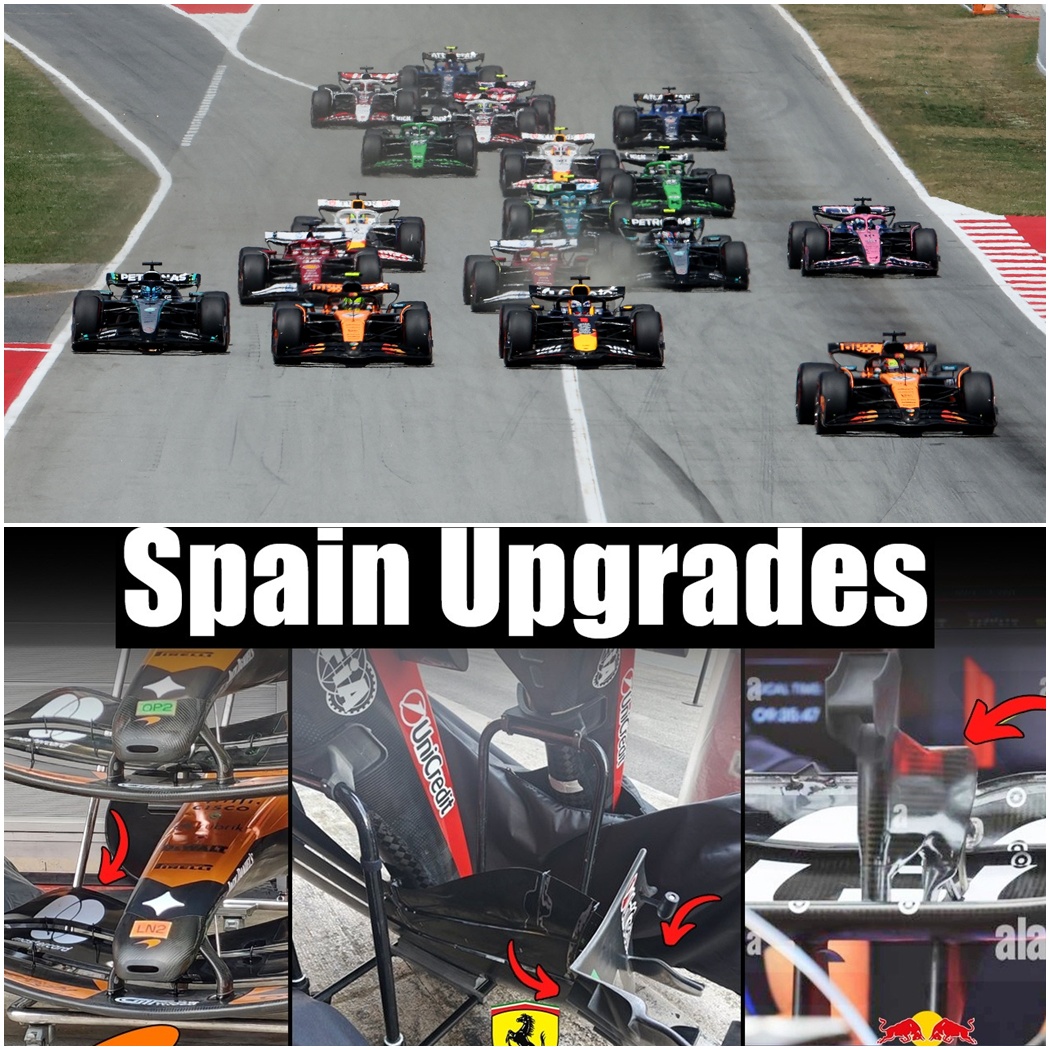
The Circuit de Barcelona-Catalunya has long been regarded as the ultimate proving ground for Formula 1 machinery. For decades, engineers and aerodynamicists have lived by a very simple paddock proverb: if your car is fast in Barcelona, it will be fast almost everywhere else. The circuit’s relentless mix of long, punishing straights, sweeping high-speed corners, and heavily technical low-speed sections forcefully demands absolute aerodynamic perfection. But as the 2026 Barcelona Grand Prix approaches, the atmosphere in the paddock is unusually tense. Track temperatures are soaring, the blistering Spanish sun is beating down on the asphalt, and teams are frantically ripping the sidepods off their cars in a desperate bid to maximise engine cooling. This weekend is not just about raw pace; it is about survival, mechanical endurance, and outsmarting the opposition both on and off the racetrack.
As the heat intensifies, the threat of catastrophic engine failures looms large over the entire grid. Teams are being forced to open up their cooling louvres to the absolute maximum, sacrificing precious aerodynamic efficiency to keep their power units from melting down. Interestingly, the skyrocketing temperatures have led to some surprising revelations. Promising young talent Kimi Antonelli was recently heard commenting on the data, expressing genuine surprise at the undeniable strength of their power unit under these gruelling conditions. He joked that the data was almost self-incriminating for the team—a humorous but telling insight into just how heavily everyone is relying on flawless engine performance this weekend. But while engine survival is the baseline, the real warfare is happening in the aerodynamic development race, and no team has brought a larger, more aggressive arsenal to Spain than Ferrari.
The Scuderia has arrived in Barcelona with an upgrade package so comprehensive that it almost looks like a fundamentally different car. The most visually striking change is positioned right at the front of the vehicle. Ferrari’s aerodynamicists have completely redesigned the front wing endplates, introducing a heavily revised curvature that aggressively manipulates the airflow around the turbulent wake of the front tyres. They have mounted entirely new dive planes to the sides, whilst intricately reshaping the footplate streaks—specifically the second and third elements—to seal the aerodynamic floor further down the car. If you look closely beneath the endplate itself, you will notice the addition of complex, Venturi-like strakes. These tiny but crucial carbon fibre fins are designed to aggressively outwash the dirty air, a clear sign that Ferrari has spent countless hours in the wind tunnel refining every single millimetre of their front-end downforce.
But Ferrari’s relentless pursuit of performance does not stop at the front wing. Around the protective halo structure, eagle-eyed observers have spotted brand-new aerodynamic fins protruding diagonally outwards, a significant departure from the traditional vertical vanes we have seen on rivals like Aston Martin. Furthermore, Ferrari has introduced a massive upgrade to the rear section of their floor, featuring complex slot gaps that bear a striking resemblance to the development path recently taken by Mercedes.
Beyond aerodynamics, there is a major mechanical shift happening within the Ferrari garage that has caught everyone’s attention. Following a heartbreaking and immensely frustrating weekend in Monaco, Charles Leclerc has made the dramatic decision to completely overhaul his braking system. He has officially ditched his previous setup to switch over to Carbon Industry brake discs, mirroring the exact specification used by Lewis Hamilton. While the callipers and the rest of the braking system remain entirely Brembo, this subtle but critical change in friction material highlights Leclerc’s desperate search for the perfect pedal feel and ultimate confidence when attacking the punishing braking zones of the Catalan circuit.
Ferrari’s ambitions also extend deep into their power unit department. Currently sitting in a self-described performance deficit, the team has mapped out a highly anticipated engine recovery programme. While the aerodynamic parts have arrived in Spain, the paddock is buzzing with whispers that Ferrari will introduce two major internal engine upgrades in the coming rounds, targeted specifically for the power-hungry circuits of Austria and Monza. These incoming upgrades are rumoured to unleash a staggering 30 additional horsepower. In the modern era of Formula 1, finding 30 horsepower mid-season is virtually unheard of. If Ferrari can successfully integrate this power boost without compromising their reliability, they will instantly catapult themselves back into the conversation for possessing the most dominant engine on the grid.
However, Ferrari is not merely fighting their battles in the wind tunnel and the engine dyno; they are actively waging political warfare against their fiercest rivals. This weekend, the ongoing apolitical battle between Ferrari and Mercedes has violently spilled out into the public eye. During the Canadian Grand Prix, Mercedes proudly unveiled their highly anticipated W7 diffuser, which featured aggressive, jagged aerodynamic parts lining the top surface. Ferrari immediately cried foul. They formally marched to the FIA, aggressively requesting a technical clarification regarding the legality of the Mercedes design. The controversy stems from a perceived double standard; Ferrari had reportedly attempted to introduce a nearly identical jagged diffuser concept during pre-season testing, only to be strictly blocked by the sport’s governing body.
Faced with Ferrari’s undeniable evidence of regulatory inconsistency, the FIA has been forced to intervene, compelling Mercedes to awkwardly make sudden revisions to their floor before the cars hit the track in Barcelona. This off-track skirmish is a beautiful reminder of the ruthless nature of Formula 1. The championship is not only won by the engineers who build the fastest cars, but by the cunning team principals who successfully lobby to have their opponents’ ingenious innovations outlawed.
While Ferrari and Mercedes tear each other apart in the boardroom, the reigning champions are quietly and meticulously refining their weapon of choice. Red Bull Racing has brought a series of highly calculated, subtle tweaks to their car. During the Monaco Grand Prix, Red Bull experimented with a unique, dog-shaped actuator backing on their rear wing. However, they quickly discovered that the complex geometry actually prevented the Drag Reduction System (DRS) flap from opening and closing properly. Consequently, they have completely stripped this element from the car for Barcelona, opting for a flatter, much more functional design. They have also retained their notoriously tiny secondary rear wing element, while adding aggressive aerodynamic ‘cat ears’ to the outer edges of the main plane. Additionally, a distinct central indent has been sculpted into the upper flap of their high-downforce ‘rotisserie’ wing. Red Bull is clearly searching for the ultimate compromise between biting downforce in Barcelona’s slow third sector and slippery straight-line speed down the kilometre-long main straight.
Just down the pitlane, McLaren finds themselves caught in a perplexing psychological dilemma. The papaya team has proudly transported a highly anticipated new front wing to the circuit, yet it remains hidden away under thick protective covers. They extensively tested this exact specification during the practice sessions in Monaco, but the real-world data seemingly underperformed compared to their incredibly high simulation expectations. Now, the engineers are trapped in a high-stakes guessing game, constantly debating whether to bolt the new wing onto the car and risk ruining their perfectly balanced setup, or to stick with their older, proven specification. In a grid this tightly packed, a misstep in aerodynamic correlation could easily send McLaren tumbling down the qualifying order.

Further back in the midfield, the narratives are equally gripping. Williams Racing is currently undertaking one of the most extreme mid-season diet plans in recent Formula 1 history. Team Principal James Vowles has been remarkably transparent about the team’s ongoing struggles with a severely overweight chassis. An overweight car is the ultimate enemy of lap time; it utterly destroys tyre life, aggressively ruins the car’s natural balance, and severely punishes the driver in every single traction zone. Vowles revealed that they successfully shaved a massive 5.5 kilograms off the car ahead of the Miami Grand Prix, followed by an additional 4 kilograms in Montreal. The brutal weight-loss masterplan is strictly scheduled to continue, with the team aiming to extract another 4 kilograms by the Belgian Grand Prix at Spa-Francorchamps. Vowles confidently promises that by the time the paddock arrives in Baku, the Williams car will finally hit the absolute minimum weight limit of zero excess kilos, potentially unlocking a massive, game-changing leap in pure lap time.
Meanwhile, the situation at Alpine is unravelling into total chaos. The French outfit had boldly promised their frustrated drivers a significant front wing upgrade designed specifically to cure the vicious understeer that has been plaguing their car through high-speed corners. Barcelona’s sweeping right-handers would have been the perfect place to deploy such a fix. Yet, the upgrade is nowhere to be seen, leaving the drivers to aggressively wrestle a fundamentally compromised car in the blistering heat. The only silver lining for Alpine is off the track: the FIA has officially accepted Pierre Gasly’s Right of Review following a controversial incident in Monaco. If the stewards rule in his favour, Gasly could shockingly be retroactively awarded a heavily deserved podium finish, a rare moment of joy in an otherwise turbulent week for the team.
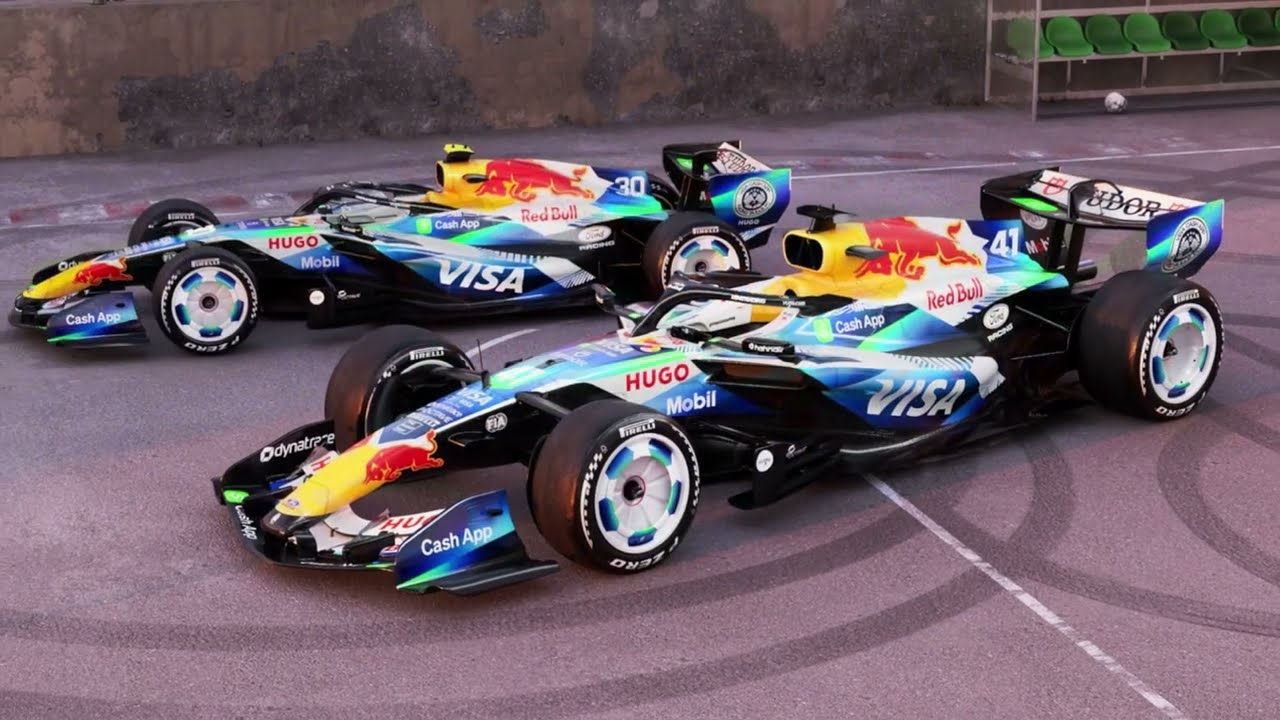
Finally, we must talk about VCarb. The team has once again stunned the paddock by unveiling yet another spectacular special livery. This time, the car has been wrapped in a gorgeous tribute to the upcoming World Cup, featuring stunning green accents and incredibly creative wheel rims that have been painted to resemble spinning soccer balls. From a purely aesthetic standpoint, it is a brilliant piece of marketing that looks absolutely fantastic under the Spanish sun. However, it raises an interesting philosophical question about modern Formula 1. Historically, special liveries were revered because they were incredibly rare—a once-in-a-blue-moon treat that fans eagerly anticipated for months. With VCarb seemingly rolling out a completely new paint scheme every other weekend, one has to wonder if the magic of the ‘one-off’ livery is slowly being diluted into standard procedure.
As the garage doors roll up and the deafening roar of the hybrid power units echoes across the Catalonian hills, the stage is perfectly set for an explosive weekend of racing. The 2026 Barcelona Grand Prix is no longer just a standard race on the calendar; it is a high-speed game of aerodynamic chess. Between the blistering, engine-breaking temperatures, Ferrari’s aggressive development push, the bitter political warfare over diffuser legality, and the desperate midfield weight-loss programmes, the grid has never been more competitive. Every single team is walking a razor-thin tightrope between engineering brilliance and catastrophic failure. The talking stops now. It is time to see whose upgrades truly work, and whose championship dreams will dramatically go up in smoke under the Spanish sun.








