The Vibrating Nightmare: Why Aston Martin and Honda’s 2026 F1 Debut Is a Dangerous Gamble with Driver Health
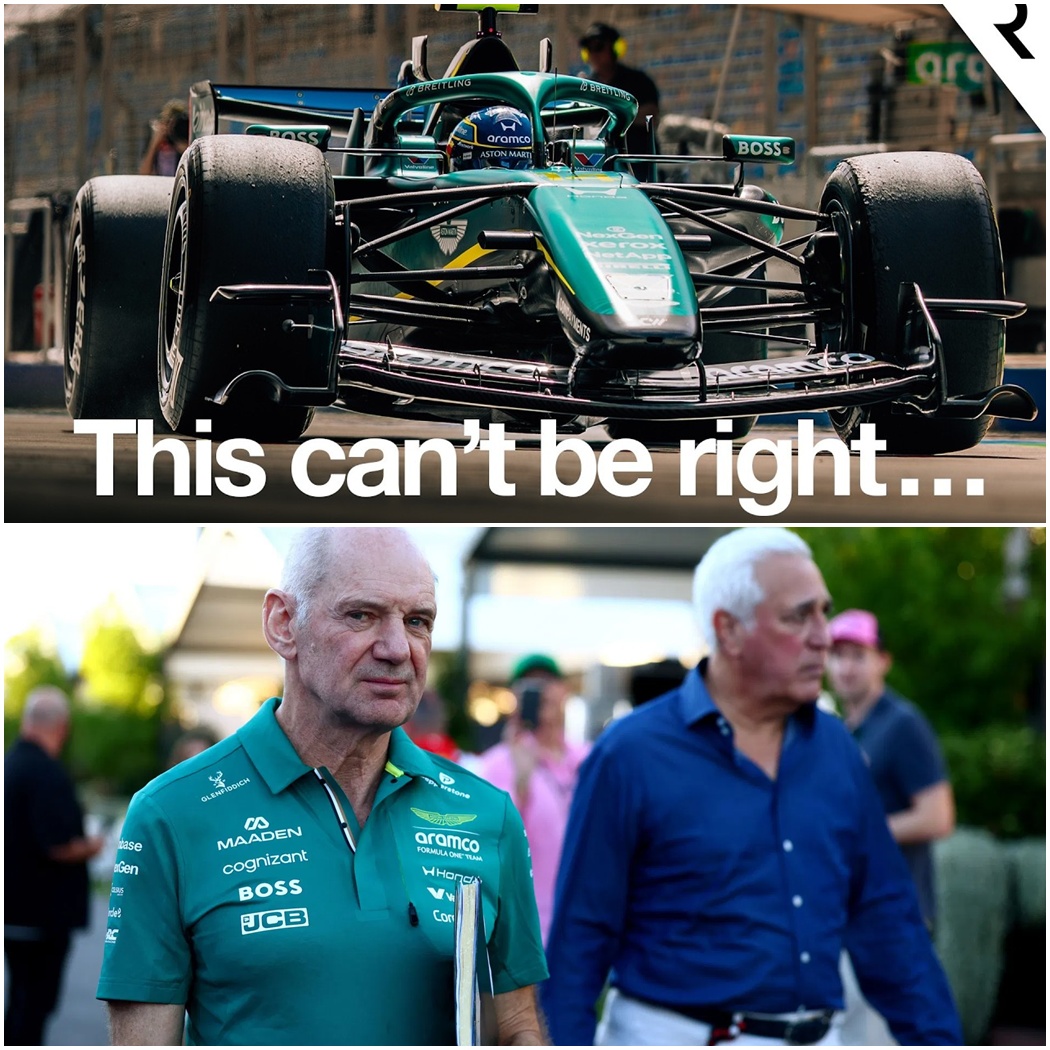
The Albert Park paddock in Melbourne is usually a place of boundless optimism at the start of a Formula 1 season. Sun-drenched fans, the smell of fresh coffee, and the electric hum of new cars provide a backdrop for the sport’s ultimate “fresh start.” But as the 2026 season prepares to roar into life, a heavy, somber cloud has settled over the Aston Martin garage. What was supposed to be the dawn of a new “Super Team”—uniting the world’s greatest designer, Adrian Newey, with a dominant manufacturer like Honda—has instead devolved into a high-stakes safety crisis that feels more like a horror story than a championship campaign.
In a series of extraordinary admissions during a pre-race press conference in Melbourne, Adrian Newey and Honda Racing Corporation (HRC) President Koji Watanabe laid bare a situation that is as shocking as it is unprecedented. The core of the problem is a fundamental mechanical failure: the Honda power unit is suffering from such violent, high-frequency vibrations that it is not only breaking the car but potentially breaking the men who drive it. The revelation that Fernando Alonso and Lance Stroll are genuinely concerned about suffering permanent nerve damage if they stay in the cockpit for too long has sent shockwaves through the pit lane.
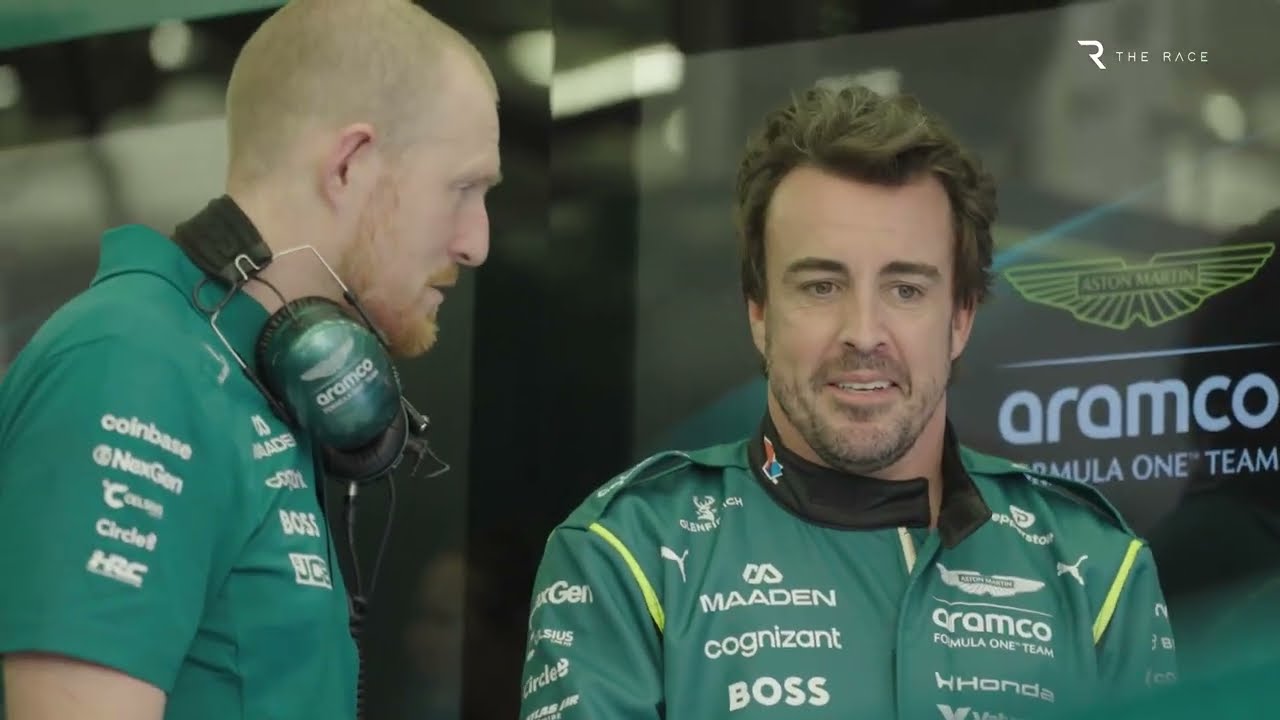
To understand how we got here, one has to look at the brutal physics of the AMR26. In the pursuit of aerodynamic perfection, modern F1 chassis are designed to be incredibly stiff. These carbon-fiber structures have almost no natural damping. This makes them a perfect “receiver” for vibrations generated by the engine and the MGU-K. Newey admitted that while they have tried to mitigate the issue, they have made “zero progress” on the transmission of these vibrations into the cockpit. The vibrations are so extreme that they have been shaking mirrors and tail lights clean off the car during testing. But a mirror can be replaced; a driver’s nervous system cannot.
The numbers provided by Newey were chilling. Fernando Alonso, a man who has raced through broken bones and decades of high-G forces, believes he cannot drive more than 25 consecutive laps before the risk of permanent hand injury becomes too great. Lance Stroll, who is still managing the aftermath of previous wrist injuries, feels his limit is even lower, at just 15 laps. In a race that spans 58 laps around the Albert Park circuit, the math simply doesn’t add up. The drivers aren’t just complaining about discomfort; they are describing a physiological assault. Stroll went so far as to compare the sensation to “electrocution” while sitting in a chair. It is a haunting image: one of the world’s most elite athletes strapped into a multi-million-dollar machine that feels like an electric chair at 200 miles per hour.
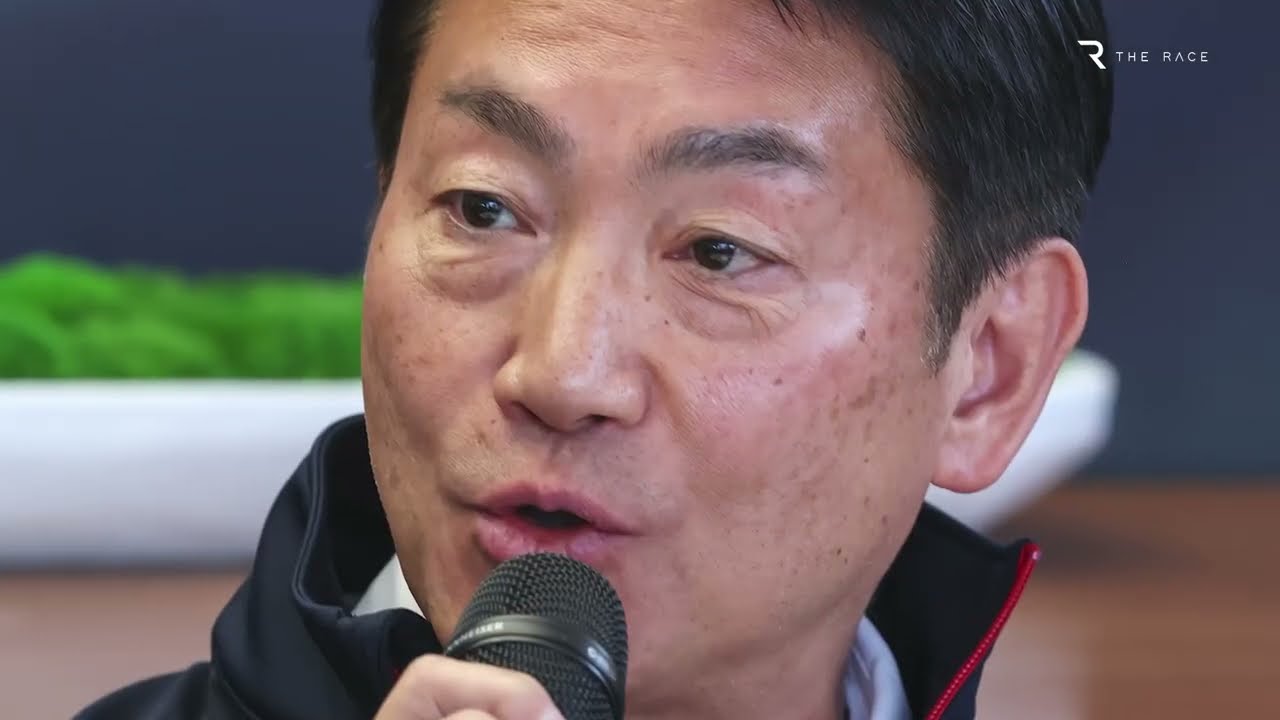
The press conference where these details emerged was a metaphor for the team’s current state of disarray. Conducted in a cramped, awkwardly shaped room packed to the rafters with cynical journalists, the event was plagued by technical glitches. Microphones cut in and out, leaving Newey to mutter under his breath about the PA system being as unreliable as the car. It was a moment of rare vulnerability for a man often treated as a technical deity. For Watanabe, the HRC president, the experience was equally grueling. He had to admit that despite thousands of hours on the dyno, Honda still hasn’t identified the “root cause” of the vibrations. They have found a way to stop the batteries from failing immediately, but they cannot guarantee the same for the drivers.
This failure of reliability is compounded by a looming performance deficit. While Honda has tried to keep its performance figures quiet, Newey dropped a breadcrumb that suggests the internal combustion engine (ICE) is significantly underpowered. He described a “self-fulfilling downward spiral” where a lack of V6 power forces the car to drain its battery faster to compensate, eventually leaving the driver with no electrical boost when they need it most. It is the classic Formula 1 trap: when you are slow, you push harder, and when you push harder, everything breaks.
For Fernando Alonso, the timing of this disaster is particularly cruel. At 44 years old, the legendary Spaniard is acutely aware that the “biological clock” of his career is ticking. He admitted in Melbourne that the time Honda needs to build a “top engine” again probably doesn’t match the time he has left in the sport. There is a palpable sense of “deja vu” hanging over him. A decade ago, Alonso’s career was sidelined by the disastrous McLaren-Honda partnership, a period characterized by “GP2 engine” outbursts and endless grid penalties. Seeing history repeat itself, with Newey now the one left “hanging Honda out to dry” in the media, is a bitter pill for the fans to swallow.
Newey, for his part, was quick to separate the chassis from the power unit. He estimated that the Aston Martin chassis is currently the fifth-best on the grid, roughly three-quarters of a second off the pace of the leaders. He blamed the team’s slow start on the fact that he couldn’t get a model into the wind tunnel until mid-April of last year due to his gardening leave from Red Bull. While he insists the car has “huge development potential,” his public finger-pointing toward Honda has created an awkward dynamic. When Red Bull and Honda were winning championships, they were a seamless unit. Today, Aston Martin and Honda look like two strangers forced to share a very uncomfortable room.
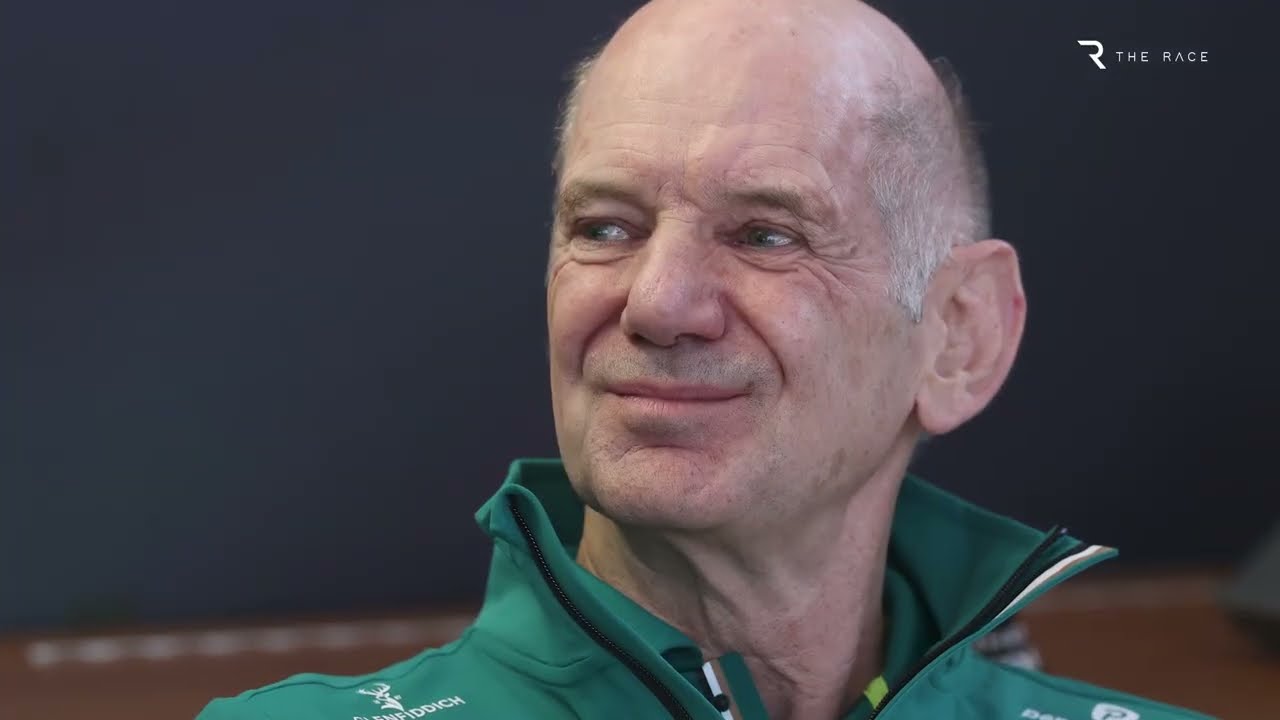
As the cars head out for Friday practice, the strategy for the weekend remains a mystery. There was speculation that the team might “start and park”—doing a few laps to satisfy sponsors and then retiring the cars to protect the drivers. While the team officially denies this, Newey’s admission that a maximum lap count will have to be “enforced” suggests we won’t see a green car cross the finish line on Sunday. They desperately need the mileage to gather data, but they cannot risk the long-term health of their superstars.
What was meant to be the coronation of Lawrence Stroll’s ambitious project has instead become a cautionary tale. It is a reminder that in the high-tech world of 2026, where we talk about active aero and sustainable fuels, the human element is still the most fragile part of the equation. The “vibration crisis” is more than just a mechanical glitch; it is a fundamental breakdown of a partnership that promised the world and delivered a nightmare. As the sun sets over Melbourne, the question isn’t whether Aston Martin can win, but whether they can survive the weekend without leaving their drivers with injuries that last a lifetime. The 2026 season is here, but for Aston Martin and Honda, the race to catch up has never felt more desperate.








