The Verstappen Shockwave: How One Ruthless Decision Ten Years Ago Is Still Breaking Formula 1
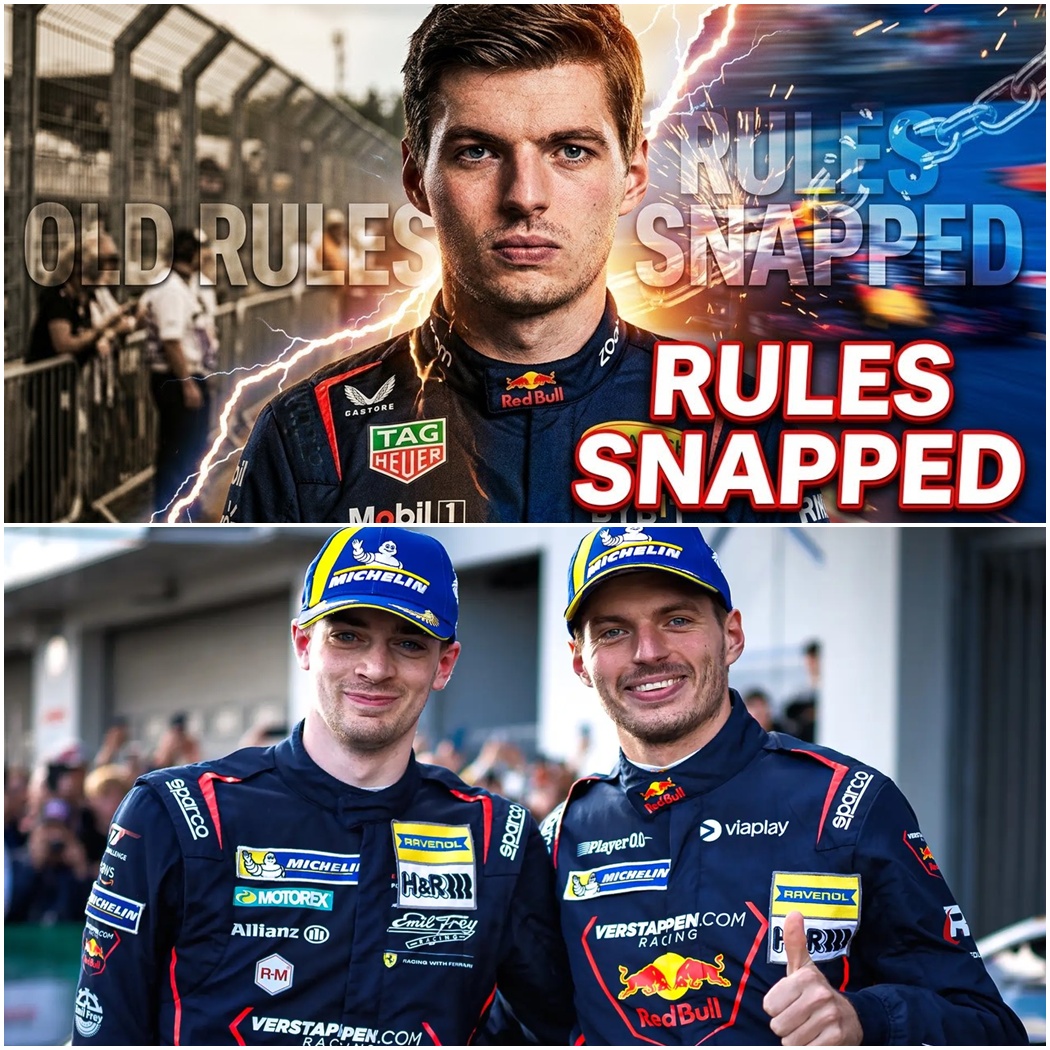
In the high-stakes, meticulously calculated world of Formula 1, eras are typically defined by grand sweeping changes: massive engine overhauls, revolutionary aerodynamic regulations, or the rise of dominant technical dynasties. But occasionally, the entire trajectory of the sport is permanently altered by a single, lightning-bolt decision that defies logic, tradition, and expectation. Ten years ago, such a decision was made, and it didn’t just create a champion; it fundamentally broke the established hierarchy of racing. As we stand in 2026, the consequences of that reckless gamble are still unfolding, creating a modern shockwave that threatens to dismantle everything we currently consider stable in the paddock.
The date was May 5, 2016. At the time, Formula 1 operated under a rigid, unspoken code of conduct: you earned your place, you waited your turn, and you spent years proving your worth in the midfield before even dreaming of a top-tier seat. But Red Bull Racing, under the uncompromising leadership of Christian Horner and the ruthless eye of Helmut Marko, decided to throw the rulebook into the fire. Following a chaotic weekend in Russia, they made a brutal, mid-season call that stunned the sporting world. Daniil Kvyat was out, and an eighteen-year-old Max Verstappen—with only four races of his second season under his belt and zero career podiums—was in.
Inside the paddock, the move felt desperate. It felt premature. To many, it felt dangerously irresponsible to place a teenager into the fastest, most complex machine on the grid with absolutely no warning and zero testing time. But then came the Spanish Grand Prix, a race that has since passed into the realm of absolute legend. Amidst the chaos of a Mercedes double-collision, Verstappen didn’t just survive his debut; he controlled it. With a maturity that defied his age and a calmness that unsettled his veterans, he fended off the relentless pressure of a Ferrari to claim victory. In one singular weekend, the entire concept of “waiting your turn” was vaporized. The rules regarding talent, timing, and trust had been rewritten overnight.
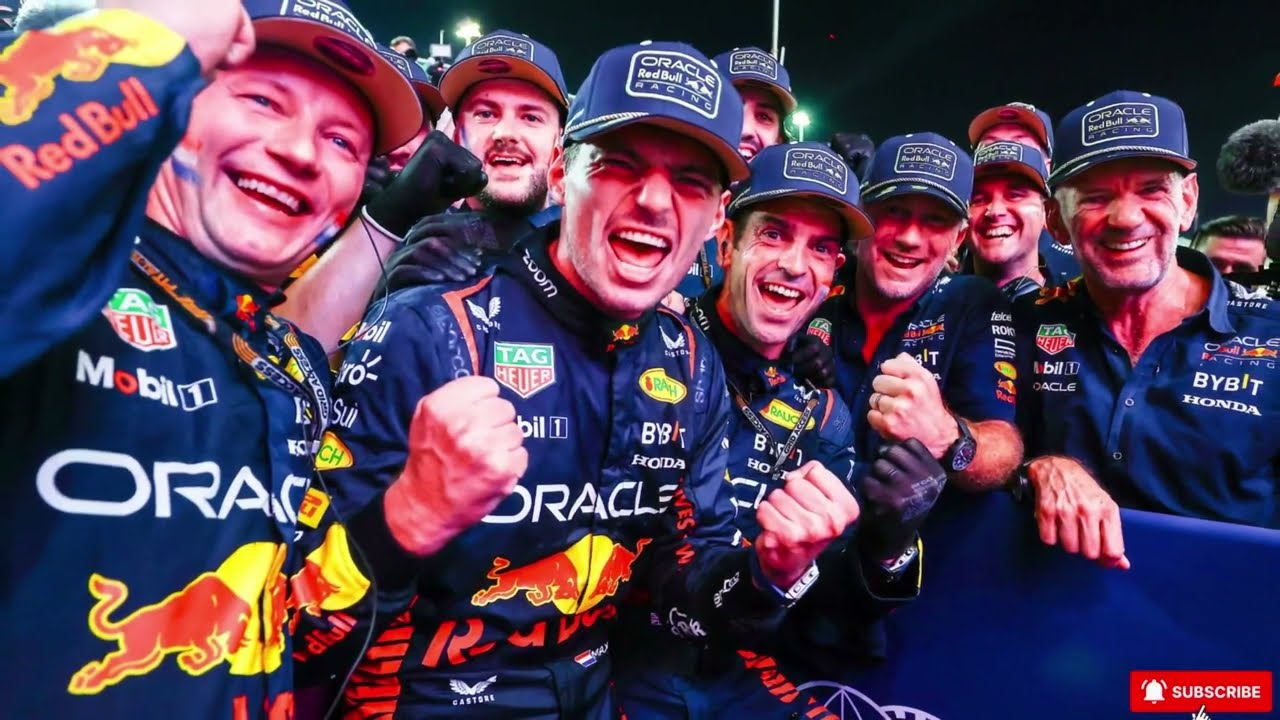
However, this wasn’t just a lucky break for a fast driver; it was the birth of a highly engineered, centralized system. Over the following decade, Red Bull built an entire empire around Verstappen. Unlike other teams that balanced two competing drivers, the Red Bull machine was laser-focused. The strategy bent around him, the aerodynamic development was tailored specifically to his aggressive driving style, and the political power within the team was concentrated at his feet. Key architects were essential to this stability: Adrian Newey provided the unparalleled technical genius, Christian Horner managed the political landscape, and Gianpiero Lambiase became the essential stabilizing voice on the radio—the only person capable of keeping the champion’s fiery intensity in check.
For years, this alignment was flawless, resulting in a mountain of wins and four consecutive world championships. But as we look around the paddock today, the first major cracks in that untouchable fortress have become impossible to ignore. Dominance in Formula 1 is not merely about mechanical speed; it is about total human alignment. When that alignment begins to fade, performance and stability inevitably follow. The departure of Adrian Newey in 2024 was more than just a technical loss; it was a profound symbolic shift. The master architect, the man who provided the tools for Verstappen’s dominance, had walked away.
The unraveling has only accelerated since then. The power structures that once felt like a permanent fixture of the sport are now in a state of total flux. Christian Horner and Helmut Marko—the two men who made the original bold decision to promote Verstappen—are no longer the central pillars of the machine they built. With the voices of trust disappearing one by one, the machine that once felt untouchable is starting to look startlingly human. Whispers are now growing into a roar: what happens to a champion when the entire world that was built to support him is dismantled?
This brings us to the current crisis of 2026. Formula 1 is once again standing at a crossroads, and it is Max Verstappen who holds the match. Ten years ago, he was the risk; today, he is the ultimate power. With over seventy wins and a gravitational pull that affects every other team on the grid, he has become the center of the racing universe. But the same aggressive, uncompromising philosophy that created his dynasty is now the very thing that could destroy it. In a system where loyalty was never a primary requirement for success, why should it be expected now?
The rest of the grid is watching with bated breath. A potential Verstappen exit from Red Bull is not just a driver change; it is a total market reset. If the four-time champion moves, he triggers a catastrophic chain reaction that will displace drivers, reshape team development priorities, and rewrite championship trajectories overnight. Whether it’s Mercedes, McLaren, or a massive emerging project, any team that gains Verstappen doesn’t just gain a driver; they gain total control. His presence shifts the political weight of an entire organization, forcing everyone else to react or be left behind.
Red Bull now finds itself in the unfamiliar and deeply uncomfortable position of being reactive. For a decade, they dictated the narrative of the sport; now, they are struggling to maintain the center of their own gravity. The timelines in modern Formula 1 have been permanently compressed. Talent skips traditional steps, systems are expected to adapt instantly, and patience has become a luxury that no one can afford. Verstappen didn’t just win races; he normalized total disruption. Every team is now chasing their own “2016 moment,” searching for the next teenage prodigy to bypass the system.
But the truth is that moments like Verstappen’s debut are almost impossible to repeat. They require a perfect, rare alignment of total chaos, immense raw talent, and a level of institutional trust that is rapidly disappearing from the sport. As the people who built the Verstappen era vanish into the history books, the system itself is evolving into something leaner, meaner, and far more volatile.
Ten years ago, a reckless decision shocked the world. Today, the aftershocks of that move are threatening to level the playing field once again. The question for fans and insiders is no longer if Verstappen will move, but when—and exactly what will break in his wake. History has taught us one very clear lesson: when Max Verstappen changes direction, Formula 1 does not stay the same. If you believe this current era of dominance is stable, you are already falling behind. The next great shockwave isn’t just coming; it is already building, and it promises to be even more destructive than the first.