From Record-Breaker to Controversy: Why Fans Are Turning Their Backs on the New Mercedes AMG GT 63

When Mercedes-AMG first unveiled the concept prototype for their new electric four-door performance car, the automotive world was genuinely electrified. The prototype, often referred to as the GTX, was a showcase of pure engineering freedom. It boasted over 1,000 kilowatts of power, was designed to reach a staggering 360 km/h, and famously completed a record-breaking run of over 40,000 kilometres in less than eight days. This was not just an electric car; it was a testament to what the legendary AMG division could achieve when unshackled from the constraints of mass-market serial production. The technology behind it—including an oil-flooded battery system for direct cell cooling and the ability to charge at average rates of 850 kilowatts—seemed to signal the start of a new, dominant era for electric vehicles. But now that the official production version, the Mercedes-AMG GT 63, has finally broken cover, the conversation has shifted from admiration to deep, widespread disappointment.
The transition from a record-breaking prototype to a production vehicle is always a delicate process, often requiring compromises to ensure reliability, cost-effectiveness, and real-world usability. However, in the case of the new AMG GT 63, it appears that Mercedes-AMG may have cut too deep. While the production model still packs a substantial punch—the top-tier version delivering 860 kilowatts, or 1,169 horsepower—the enthusiast community is struggling to reconcile the watered-down performance data with the hype generated by the original project. The acceleration figures, while still blistering, come with a technical nuance that has left a sour taste in the mouths of purists. Mercedes cites a 0 to 100 km/h time of 2.1 seconds, but this is achieved via a rolling start, where the first few centimetres of movement are excluded from the tally. For a car that claims to be the pinnacle of performance, such caveats feel unnecessary and, to many, disingenuous.
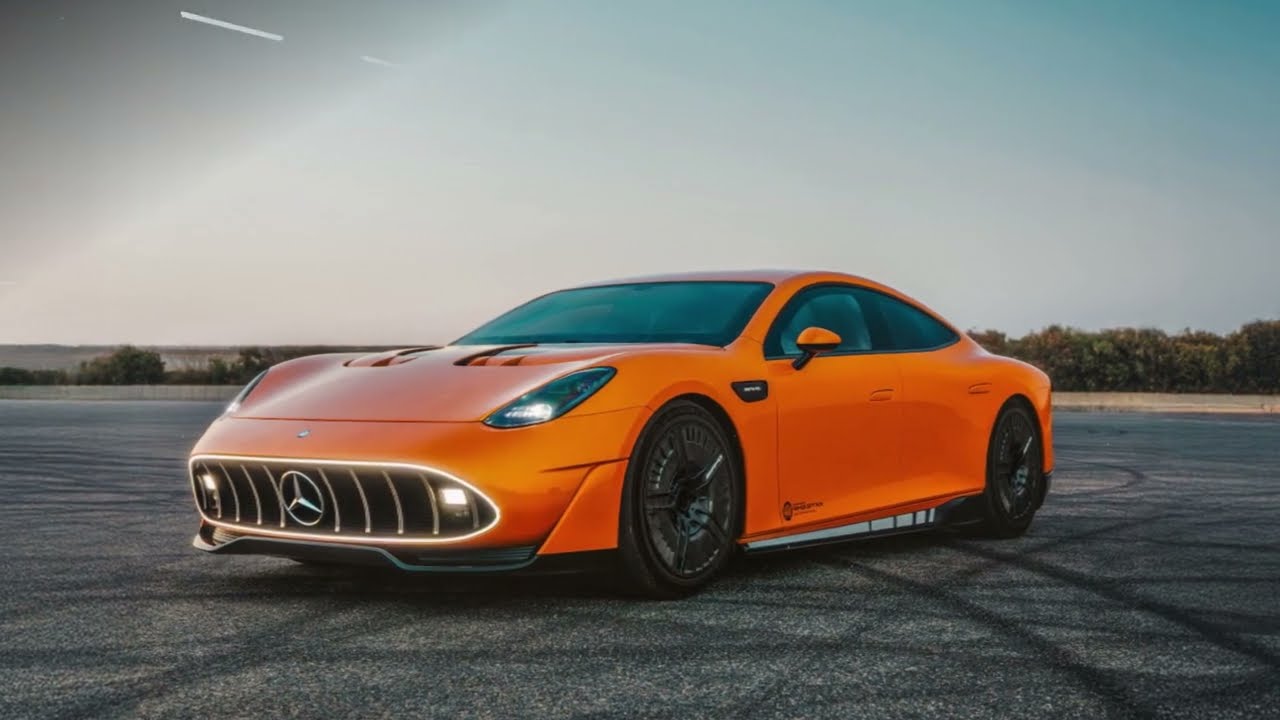
Even more glaring is the reduction in top speed. The prototype was engineered to hit 360 km/h, yet the production GT 63 is capped at 300 km/h, even with the optional driver’s package. While 300 km/h is certainly fast by any standard, it falls significantly short of the prototype’s capability and leaves the car in a less dominant position compared to its direct competition. Similarly, the charging performance has been dialled back from the prototype’s world-beating 1,000+ kilowatt potential to a maximum of 600 kilowatts. While this is still highly impressive, allowing for a 460-kilometre range boost in just 10 minutes, it remains a shadow of what the record-run car demonstrated. It is clear that Mercedes made these decisions to reduce cooling requirements, scale back the complexity of components, and ultimately lower the cost of development and production. But in doing so, they may have stripped away the very thing that made the project special: its status as an untouchable, futuristic benchmark.
Beyond the performance figures, the new AMG GT 63 is facing a firestorm of criticism regarding its design, both inside and out. The exterior styling, in particular, has become a lightning rod for negativity. Many fans argue that the proportions, which should have been a slam-dunk for a low, wide, and long four-door coupe, have been executed in a way that feels uninspired and, to some, downright ugly. Critics have drawn unflattering comparisons to the design language of smaller, entry-level electric cars, with many pointing to the rear end as a particular disappointment. The rear lighting assembly, in particular, has been described by some as looking cheap, completely lacking the aggressive, sophisticated aesthetic that one would expect from an AMG flagship. The sentiment among many loyalists is that Mercedes has “dropped the ball” on a massive scale, and there is already speculation that this model could face a commercial fade as severe as the recent C63 four-cylinder debacle.
The interior experience has also proven to be highly controversial. While Mercedes has utilised their familiar, timeless steering wheel design, the rest of the cabin is dominated by a sea of screens. While this is the current trend in the industry, there is a growing backlash against interiors that rely almost entirely on digital displays, which tend to look outdated after only a few years. Furthermore, the design cohesion between the door panels and the dashboard has been criticised for feeling fragmented, with the dashboard appearing as a standalone component that doesn’t harmonise with the rest of the vehicle’s architecture.
Perhaps most perplexing is the decision to introduce gimmicky features that undermine the car’s electric identity. In the ‘AMG Force S+’ drive mode, the vehicle simulates the sound of a V8 engine—specifically using an AMG GTR sound profile—and even simulates gear shifts by cutting acceleration power to mimic the feeling of a multi-speed transmission. While some manufacturers believe this helps bridge the gap for traditional petrol-heads, it is being received by many as a ‘fake’ and unnecessary addition. Everyone knows it is an electric car, and playing a synthesised V8 track over the speakers is being viewed by a vocal segment of the fanbase as a desperate, unauthentic touch that doesn’t respect the inherent characteristics of the electric drivetrain.
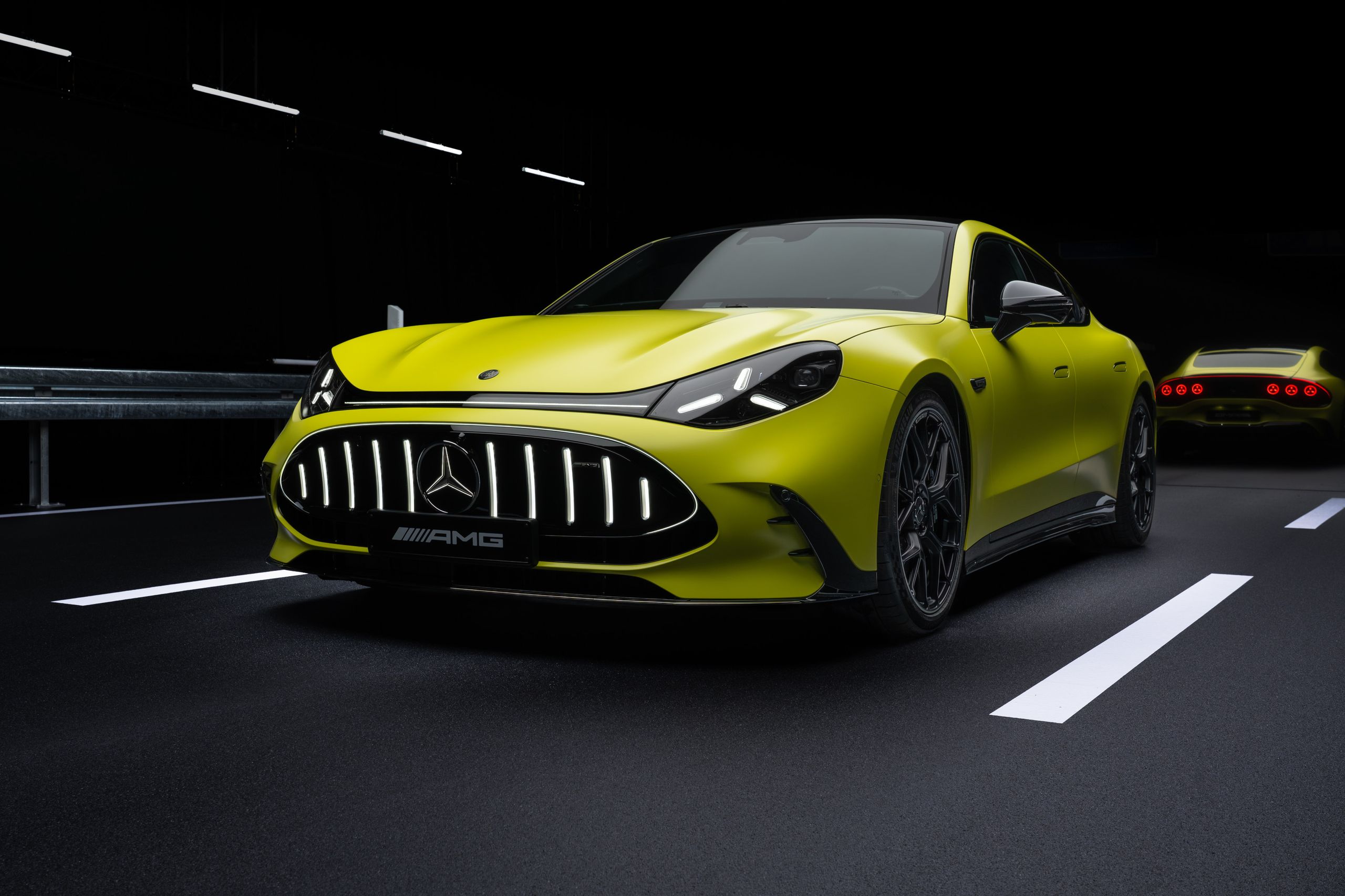
The question now is whether the GT 63 can survive this onslaught of negativity. In the world of high-performance automotive manufacturing, design and authenticity are paramount. When a brand like AMG, which has built its entire reputation on the raw, unfiltered emotional experience of internal combustion engines, moves into the electric space, the challenge is to create something that feels just as soulful, just as innovative, and just as desirable. By restricting the production version of this car so significantly compared to the record-breaking prototype, and by opting for a design that many find polarising or even unappealing, Mercedes-AMG has inadvertently created a marketing and brand perception crisis.
The technical achievements of the drivetrain remain undeniable. The engineering team has done remarkable work in terms of thermal management and power delivery, but it is clear that the final product was compromised by a desire for practicality and cost reduction. The result is a car that feels less like a revolutionary, world-conquering machine and more like a cautious attempt to bridge two worlds. For many enthusiasts, caution is the enemy of the AMG spirit. They don’t want a sensible electric car; they want a successor to the monsters of the past that pushes the boundaries of what is possible, not one that seems to pull back on the reins to save money or simplify production.
Looking forward, the success of the GT 63 will likely depend on whether the car can offer an driving experience that transcends its controversial looks and synthesised features. If the hydraulic suspension, rear-wheel steering, and aerodynamic cleverness can translate into a performance experience that is genuinely transcendent, then some of the criticism might subside. But first impressions in the automotive world are incredibly difficult to shake, and Mercedes-AMG has a massive task ahead of them to convince their most loyal fans that this machine is worthy of the badge.
There is also the concern of market positioning. By reducing the specs to a level that is closer to the competition rather than significantly above it, the GT 63 risks being lost in a rapidly growing segment of high-performance electric sedans. The brand needed to create a category-defining vehicle, one that justified its price point through sheer superiority. By pulling back, they have made the car’s controversial design choices even harder for buyers to accept.
Ultimately, the release of the GT 63 serves as a cautionary tale about the perils of over-promising and under-delivering. The excitement generated by the prototype was based on the promise of an uncompromising future. What has been delivered, in the eyes of many, is a compromised reality. Whether or not this proves to be a momentary stumble or a structural problem for AMG’s electric strategy remains to be seen. But one thing is clear: the automotive community is more discerning than ever, and they will not blindly accept a product simply because it wears a legendary badge.
As we move further into the era of electrification, manufacturers must find a balance between the practicality required for mass production and the emotional, raw performance that defines their heritage. Mercedes-AMG has clearly struggled to find that balance with the GT 63. The road ahead for this model is undoubtedly going to be difficult, and the team in Affalterbach will need to listen closely to the feedback from their most dedicated supporters if they hope to steer the brand in a more successful direction. The era of the electric AMG is here, but if the GT 63 is the tone-setter, then Mercedes has a lot of work to do to regain the trust and passion of the people who have made them the king of the performance world for so many decades.








