The Billion-Dollar Power Play: How Cadillac Crushed the F1 Elite and Forced America Onto the 2026 Grid
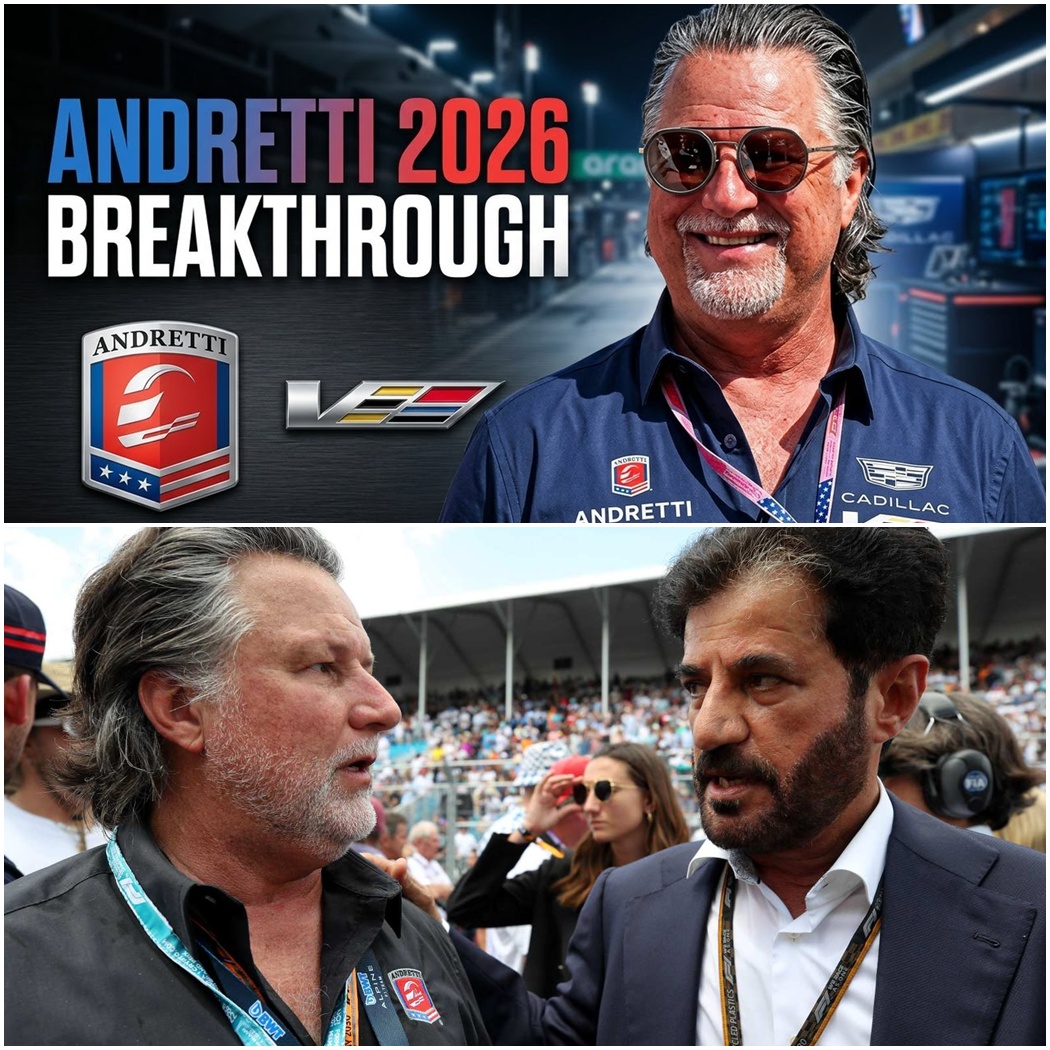
The Formula 1 grid is a closed, highly exclusive, and notoriously snobbish club. For years, the metaphorical doors to this elite European-dominated fraternity have been padlocked shut to outsiders. But in 2026, those doors aren’t just being opened—they are being kicked down by a massive American powerhouse. After years of closed-door negotiations, brutal public rejections, and relentless political warfare, Formula 1 is officially expanding to 11 teams.
The name emblazoned on the chassis won’t be the historic Andretti moniker as originally planned. Instead, it is Cadillac, backed by the colossal financial and industrial might of General Motors. This is not merely another team joining the grid to make up the numbers. This is a full factory effort fueled by serious money, staggering ambition, and an underlying desire for revenge. What was once dismissed as a pipe dream has transformed into an unstoppable juggernaut, creating the biggest grid shakeup in a decade. But the real story isn’t just about cars on a track; it is a dramatic saga of power, money, politics, and a rejected underdog that turned into the biggest threat the old guard never saw coming.
The Rejection That Shocked the Motorsport World
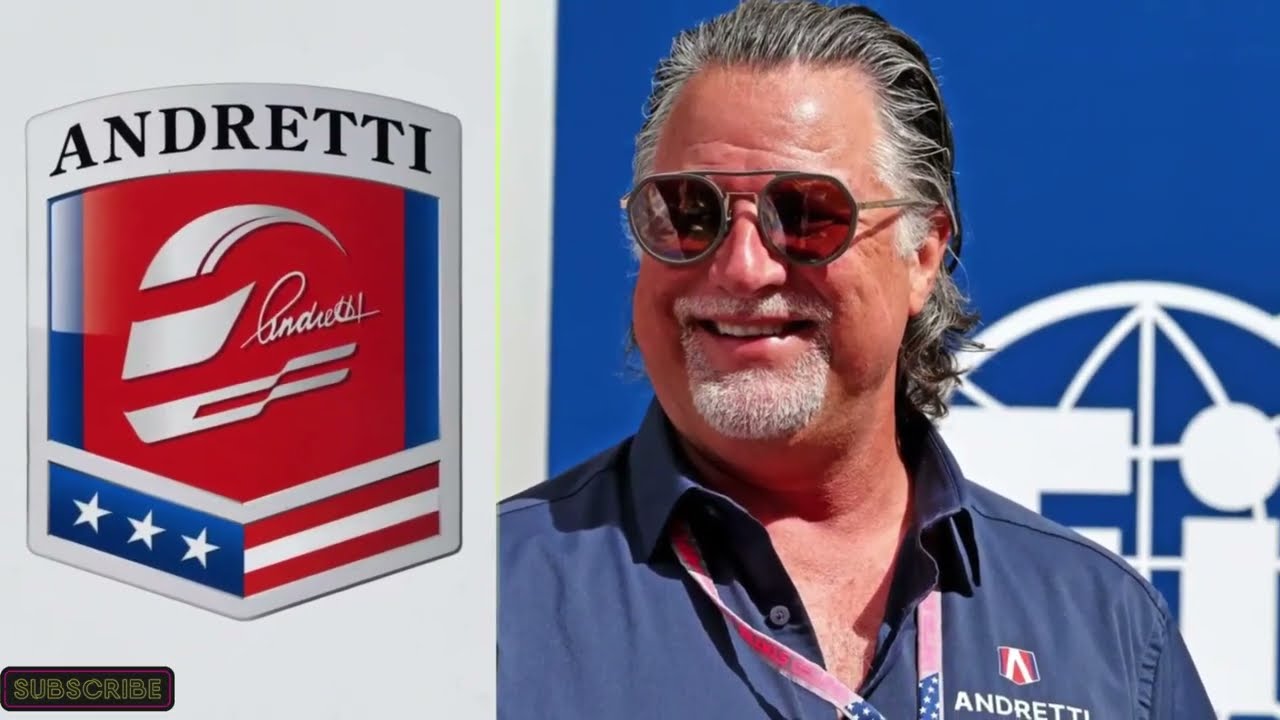
To understand the magnitude of Cadillac’s arrival, we must rewind to the genesis of this saga, which began with pure, unadulterated racing passion. Michael Andretti, the son of Formula 1 legend Mario Andretti, harbored a lifelong dream of bringing his family’s iconic American racing dynasty back to the pinnacle of global motorsport. In 2023, the Andretti team submitted a comprehensive bid to join the F1 grid. The FIA, the governing body of world motorsport, evaluated the technical and financial merits of the proposal and gave them the green light.
But then came the hammer blow. In January 2024, Formula 1 Management (FOM) delivered a resounding, public, and deeply humiliating “no.”
The reasoning provided by FOM cut deep, echoing through the paddock and across the Atlantic: Andretti brings no value to F1. The management claimed that the Andretti name was worth more to the team than it was to the sport. It was a staggering insult to one of the most successful families in motorsport history. F1’s gatekeepers openly doubted that the new squad could be competitive and questioned their reliance on a customer engine plan.
However, anyone listening to the whispers in the paddock knew the real reason: money. The existing ten teams were fiercely protective of their financial interests and simply did not want their lucrative prize money pot split eleven ways. The rejection sparked outrage. Andretti fought back with everything they had, issuing fiery public statements, floating legal threats, and even triggering a US Department of Justice investigation into anti-competitive behavior. Despite the aggressive pushback, the dream looked finished. Michael Andretti eventually stepped back, and the project seemed entirely dead in the water.
The Corporate Coup: General Motors Takes the Wheel
But in Formula 1, nothing is ever truly dead—it simply goes behind closed doors. While the public assumed the American bid had collapsed, a quiet, seismic shift was occurring in the boardroom. General Motors, who had partnered with Andretti early in the process, saw an unprecedented opportunity and decided to step out of the passenger seat and take full control of the steering wheel.
The team underwent a massive rebranding. “Andretti Global” was out; “Cadillac Formula Racing” was in. With Michael Andretti’s role fading into the background, executives Dan Towriss and Graham Lowdon stepped forward to lead the charge. General Motors wasn’t just bringing a fresh coat of paint; they brought serious corporate muscle. As a luxury brand with immense global reach, unmatched marketing power, and a clear, ironclad roadmap to build their own bespoke power unit by 2029, GM forced Formula 1 to finally pay attention.
The upcoming 2026 regulations were specifically designed to entice new manufacturers. With Audi already confirmed to join and Ford returning to partner with Red Bull, the exclusion of America’s biggest automaker became increasingly difficult to justify. Cadillac offered exactly what the original Andretti bid supposedly lacked: undeniable prestige, bottomless financial strength, and a long-term commitment as a true works team.
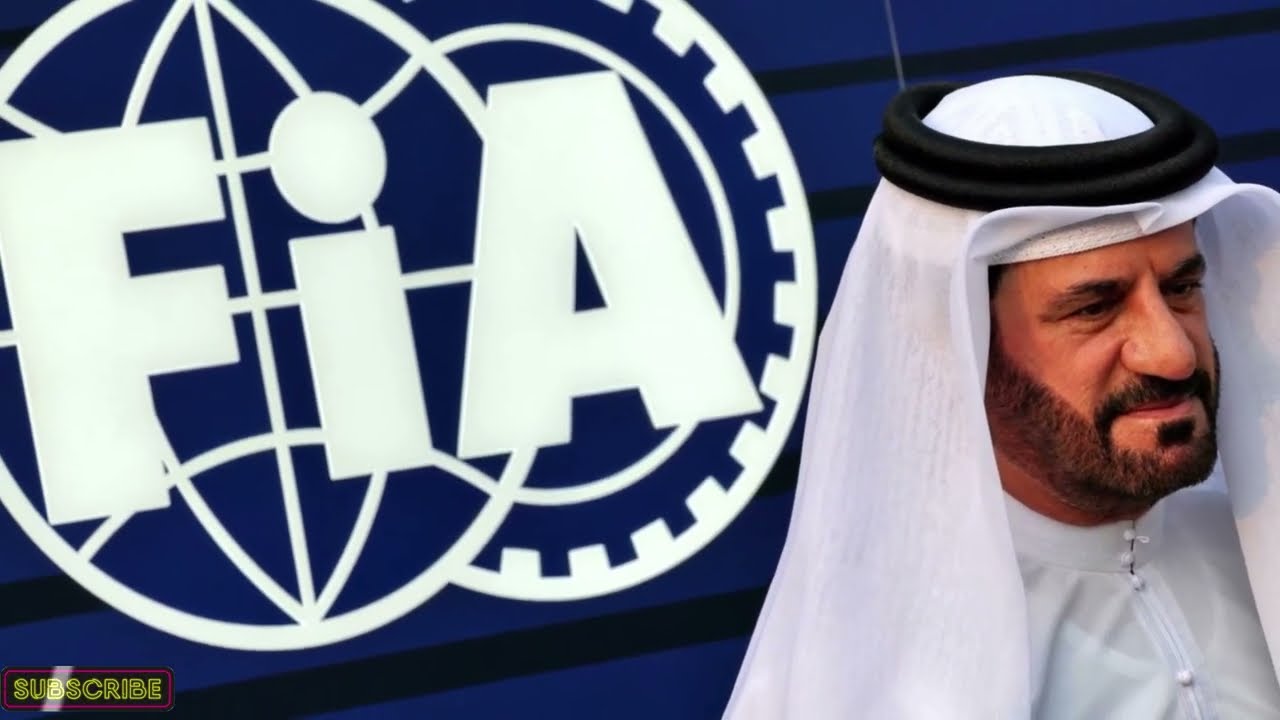
Negotiations intensified rapidly. FIA President Mohammed Ben Sulayem pushed incredibly hard for grid expansion, championing the sport’s growth. Concurrently, Liberty Media, F1’s American owners, began to heavily weigh the commercial upside. The calculus was simple: new US fans, massive corporate sponsorships, and a significantly stronger presence in the world’s most lucrative consumer market. The resistance from the existing teams slowly began to fracture. The debate over prize money dilution remained, but the potential revenue generated by an American corporate giant made it nearly impossible to say no.
The Breakthrough and the 2026 Dream Team
The turning point arrived in November 2024 when F1 announced an agreement in principle with General Motors. By March 2025, final confirmation was officially granted by both the FIA and FOM. The very project that was coldly rejected for “lacking value” just a year prior was now being welcomed with open arms. It was the same core ambition, but with different branding and a vastly different financial backing. The underlying message from F1 was crystal clear: It’s not who you are; it’s what you bring to the table. And Cadillac brought billions in potential.
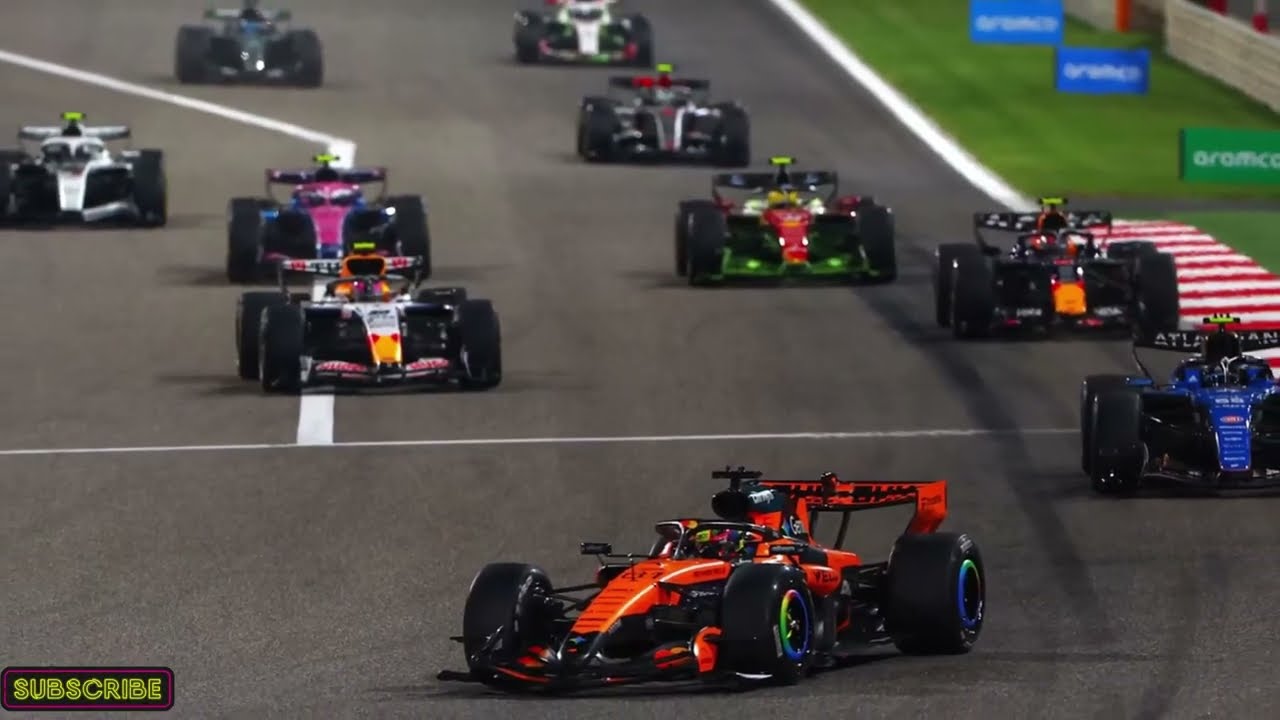
So, what will this new 11th team actually look like when they line up on the grid? In their debut year, they will race as Cadillac F1, utilizing customer Ferrari engines as they transition toward deploying their full GM power units by 2029. While the team will be based in the UK—the traditional heartland of F1 engineering—it will carry a heavy American influence. Experienced leadership, with Graham Lowdon at the helm, will guide the operation. Furthermore, Mario Andretti remains heavily involved as a board member and official ambassador, serving as the emotional heart and historical bridge of the project.
Perhaps the most crucial piece of the puzzle is the driver lineup. Cadillac has opted against taking risks on unproven rookies, instead securing the services of two highly experienced, battle-hardened veterans: Valtteri Bottas and Sergio Perez. Both men have driven for championship-winning organizations and possess the exact developmental know-how required to build a rookie squad from the ground up.
The goal for Cadillac is not merely to show up and circulate at the back of the pack. They are here to compete, to grow, and to eventually challenge the established European titans at the very front. This is General Motors planting a flag and declaring, “We are not here for marketing photos; we are here to win.” With the massive 2026 regulation reset leveling the playing field with new power units and active aerodynamics, the timing couldn’t be more perfect for a fresh challenger.
Panic in the Paddock and the Dawn of a New Era
The reaction inside the F1 paddock has been a fascinating mix of celebration and quiet panic. Some teams genuinely welcome the extra excitement and the undeniable potential for revenue share growth. Others remain deeply concerned about the logistical headaches of an 11th garage and the reality of a diluted prize pot. However, for the drivers, it represents pure opportunity—two more highly coveted seats on a grid where talent often outweighs availability.
Fans are similarly divided, though the excitement is palpable. American audiences are utterly hyped to finally have a genuine, heavily-backed home team to root for. Traditionalists may question if it’s a genuine sporting endeavor or just another corporate exercise, but Liberty Media and the FIA are aggressively painting this as a bold, progressive step toward a stronger, more globally dominant sport.
Ultimately, Cadillac’s entry into Formula 1 is about far more than just adding two extra cars to the starting grid. It is an admission from F1 that the old, closed-shop model had reached its limits. To stay relevant and continue its explosive growth, the sport desperately needs fresh blood, untapped markets, and serious, long-term manufacturer commitment. The rejection of the Andretti bid taught a harsh lesson about the brutal politics of modern motorsport, but the ultimate approval of Cadillac proves that F1 can, and will, evolve when the financial upside is too massive to ignore.
As we look toward 2026, the grid is expanding, the rules are resetting, and a thrilling new American chapter is beginning. Whether Cadillac rises to become a dominant powerhouse or struggles as a backmarker will define the next era of Formula 1. But one thing is absolutely certain: the sport just got a lot more interesting, and the grid will never be the same again.








