F1 teams reach rule change agreement after Oliver Bearman’s crash at Japanese GP
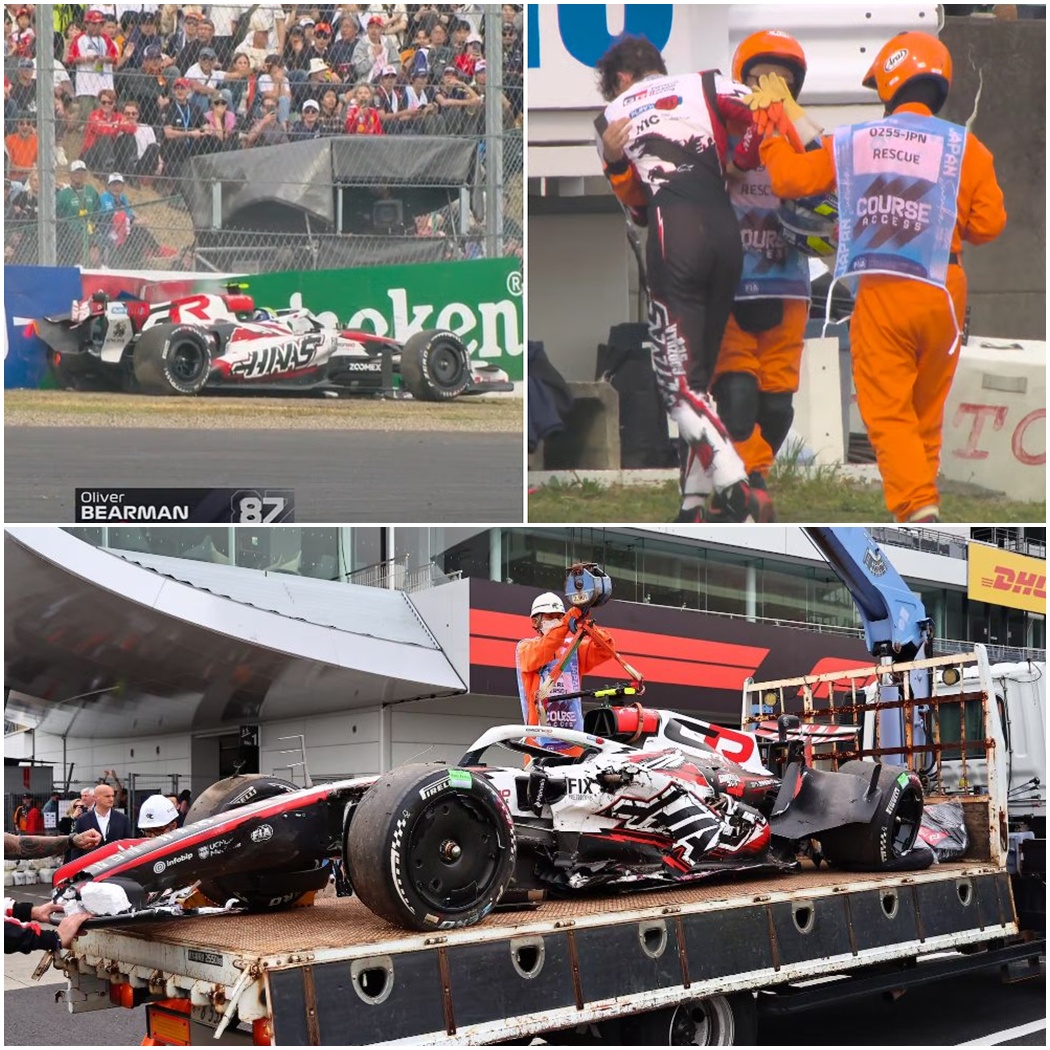
Oliver Bearman’s high-speed crash at the Japanese Grand Prix led to calls for change from Formula One drivers, and the FIA have commited to tweaking regulations

View 2 Images
Oliver Bearman’s crash has contributed to the changes(Image: Formula 1)
The FIA have pledged to adjust certain elements of Formula 1’s energy management regulations. It comes a week and a half after Oliver Bearman’s high-speed crash during the Japanese Grand Prix.
The Haas driver suffered a 50G impact with the barriers after swerving to avoid hitting Franco Colapinto when closing on the Alpine car in the centre of the track at speed during the race. Bearman hobbled away from the crash with assistance from track marshals but was subsequently cleared.
He is set to return at next month’s Miami Grand Prix. The 20-year-old nonetheless called it a “really scary moment”.
The British driver also characterised the incident as “a massive overspeed, 50kph”. Bearman said it was a “really unfortunate result of a massive delta speed we’ve not seen before in F1 until these new regulations”. The FIA recognised the contribution of high closing speeds in the accident.
A statement released after the race outlined that the new regulations “include a number of adjustable parameters, particularly in relation to energy management”. They confirmed that several meetings are scheduled in April.
Those are to “determine whether any refinements are required”. The first of them occurred on Thursday between the FIA and teams.
After the meeting, they shared a lengthy update. It reads: “The first of a series of meetings to discuss potential changes to the 2026 Formula 1 regulations was convened today by the FIA.
“Today’s meeting, between the FIA and technical experts from the Teams and Power Unit Manufacturers, covered a raft of topics as part of the natural evolution of the 2026 F1 technical and sporting regulations. It was generally agreed that although the events to date have provided exciting racing, there was a commitment to making tweaks to some aspects of the regulations in the area of energy management.

View 2 Images
Oliver Bearman left his Haas a bit worse for wear after crashing during the Japanese Grand Prix(Image: Getty)
“There was constructive dialogue on difficult topics, especially when considering the competitive nature of the stakeholders. As part of the round of collaborative discussions, further meetings are planned over the coming fortnight.
“There is a Sporting Regulations meeting on April 15, during which any changes in Section B that are required to facilitate the technical changes will be discussed. The next technical session will be on April 16, during which points discussed today will be followed up on, and new topics will be given exposure. A high-level meeting with representation from all stakeholders is scheduled for April 20, where it is anticipated that preferred options jointly proposed by the technical teams will be considered and a consensus sought on the way forward.
“The 2026 regulations were developed and agreed in close partnership with teams, OEMs, Power Unit Manufacturers, the commercial rights holder and the FIA, all at the table. It is in this spirit of collaboration that potential changes are being discussed. Any changes to the regulations will be subject to the FIA WMSC approval process.