The Curse of the Principality: Why Charles Leclerc Is Losing the Battle for Monaco and the Soul of Ferrari
Nigel Mansell famously declared that a passionate home crowd gifts a racing driver an extra half a second to a full second per lap. When you analyse the historical statistics, that bold claim genuinely holds water. Lewis Hamilton has an astounding nine British Grand Prix victories to his name. Michael Schumacher conquered the German Grand Prix four times. Jim Clark, Alain Prost, and Max Verstappen all boast exceptional winning records in front of their fiercely loyal compatriots. There is an undeniable magic that happens when a driver navigates the asphalt of their homeland, fuelled by the roaring adulation of the grandstands.
But there is a unique, suffocating level of pressure when your home race also happens to be the absolute jewel in the motorsport calendar. For Charles Leclerc, the glamorous, perilously tight streets of Monaco are not just a race track; they are his backyard. He was born and raised in the Principality. Yet, his relationship with the Monaco Grand Prix is arguably the most tragic and turbulent pairing in modern racing history. With only one victory in eight Formula 1 attempts, his batting average is staggeringly poor for a driver endowed with such generational, blistering talent. It is remarkable, and frankly painful, to document just how many things have gone catastrophically wrong for the Monegasque on his home soil.
Let us dive deep into the devastating timeline of the Monaco curse, tracing its origins from the junior categories to the explosive, politically charged disaster of the 2026 Grand Prix.
The Genesis of Heartbreak in the Junior Ranks
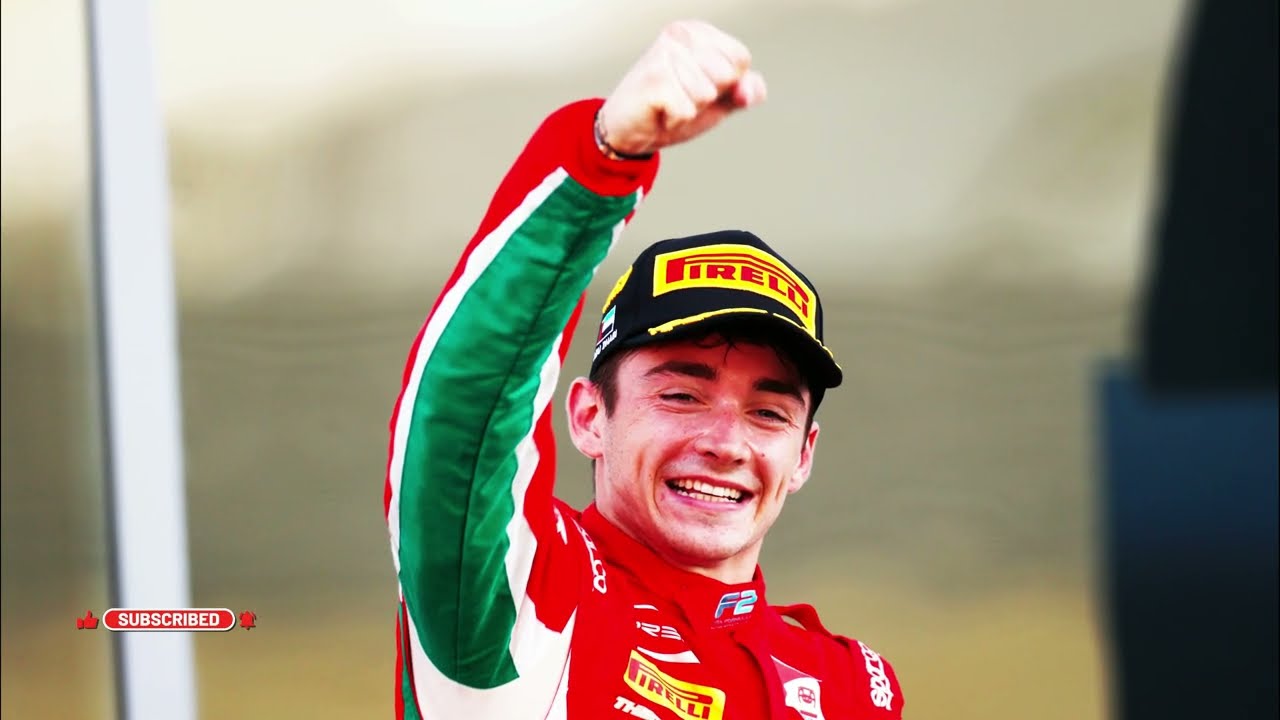
Because the Principality is a tiny sovereign state covering roughly three-quarters of a square mile, it lacks permanent karting facilities. Leclerc naturally began his racing career across the border in France. However, his hometown hero status was cemented early when, the day after his thirteenth birthday in 2010, he brilliantly won the final running of the Monaco Kart Cup in the KF3 class. It felt like the perfect prologue to a fairy-tale career.
Moving up to single-seaters, his trajectory was meteoric. By 2017, he was dominating the Formula 2 championship. He arrived at the Monaco round riding a massive wave of momentum. He secured a stunning pole position, but the feature race immediately turned into a nightmare. His charge was disrupted by endless yellow flags and safety cars. After pitting under a safety car, a loosely fitted tyre forced him to pit again, revealing a broken suspension that had suffered stress fractures earlier in the race. Relegated to starting the sprint race from seventeenth, a desperate attempt to recover ground resulted in him violently crashing into Norman Nato at Rascasse. He dragged his wounded car around for another eighteen laps before the electrics completely failed. The curse had officially awakened.
Formula 1: A Series of Unfortunate Events
Graduating to Formula 1 in 2018 with Sauber, Leclerc arrived in Monaco eager to make an impression. Starting a modest fourteenth, he found himself frustratingly trapped behind Brendon Hartley. For fifty agonizing laps, he stared at the Toro Rosso’s diffuser, until a sudden front-left brake failure at the chicane sent him ploughing straight into the back of Hartley.
The misery only amplified when he earned his dream move to Ferrari in 2019. Armed with a car capable of winning, he entered qualifying with sky-high expectations. After setting a solid time in Q1, the Ferrari pit wall inexplicably decided to keep him in the garage to save a set of tyres. As the track evolved and times tumbled, Leclerc plummeted down the order, brutally knocked out of Q1 by his own teammate, Sebastian Vettel. Starting from sixteenth, an angry and motivated Leclerc began carving through the field with breath-taking overtakes on Lando Norris and Romain Grosjean. But his aggression tipped over the edge. An audacious lunge on Nico Hulkenberg at Rascasse ended with a clouted barrier, a shredded rear tyre, and catastrophic floor damage that forced an embarrassing retirement.
The 2020 race was cancelled due to the global pandemic, but the return in 2021 delivered perhaps the cruellest blow of all. Leclerc miraculously wrestled a recovering Ferrari to provisional pole position in Q3. Desperate to ensure nobody could beat his time, he pushed over the limit and violently crashed at the Swimming Pool chicane, bringing out the red flags and securing pole in the most destructive way possible. Despite having a full twenty-four hours to repair the machine, the Ferrari mechanics tragically failed to notice a hairline fracture in the left driveshaft. Halfway around his reconnaissance lap to the grid, the car broke. Leclerc could not even start the race he had qualified first for.
Strategic Blunders and a Hollow Breakthrough
The omens continued in 2022 when Leclerc crashed Niki Lauda’s priceless 1974 Ferrari during a historic demonstration run, entirely due to a brake failure. Weeks later, during the actual Grand Prix weekend, he dominated qualifying and secured a sensational pole position. In treacherous, wet conditions, he built a commanding lead. But as the track dried, the Ferrari pit wall suffered a monumental strategic meltdown. They called him in for intermediate tyres, only to panic and try to abort the call while he was already in the pit lane, resulting in a disastrous double-stack behind his teammate Carlos Sainz. Leclerc was furiously screaming on the radio as he dropped to fourth place, watching Sergio Perez steal the victory that was rightfully his.
After a subdued, penalty-hit sixth-place finish in 2023, the 2024 season finally delivered the moment Monaco had been waiting nearly a century for. Leclerc took pole and managed to survive a chaotic, red-flagged opening lap. Because the red flag granted a free tyre change, the Grand Prix turned into an agonizing, zero-stop procession. Adopting a painfully slow pace to nurse his tyres to the bitter end, Leclerc crawled around the circuit. It was not a victory of blistering speed, but one of extreme restraint. He had fulfilled a lifelong dream, becoming the first Monegasque to win at home in ninety-three years, but the hollow nature of the triumph highlighted the immense difficulty of his journey.
The 2026 Meltdown: Paranoia, Penalties, and Politics
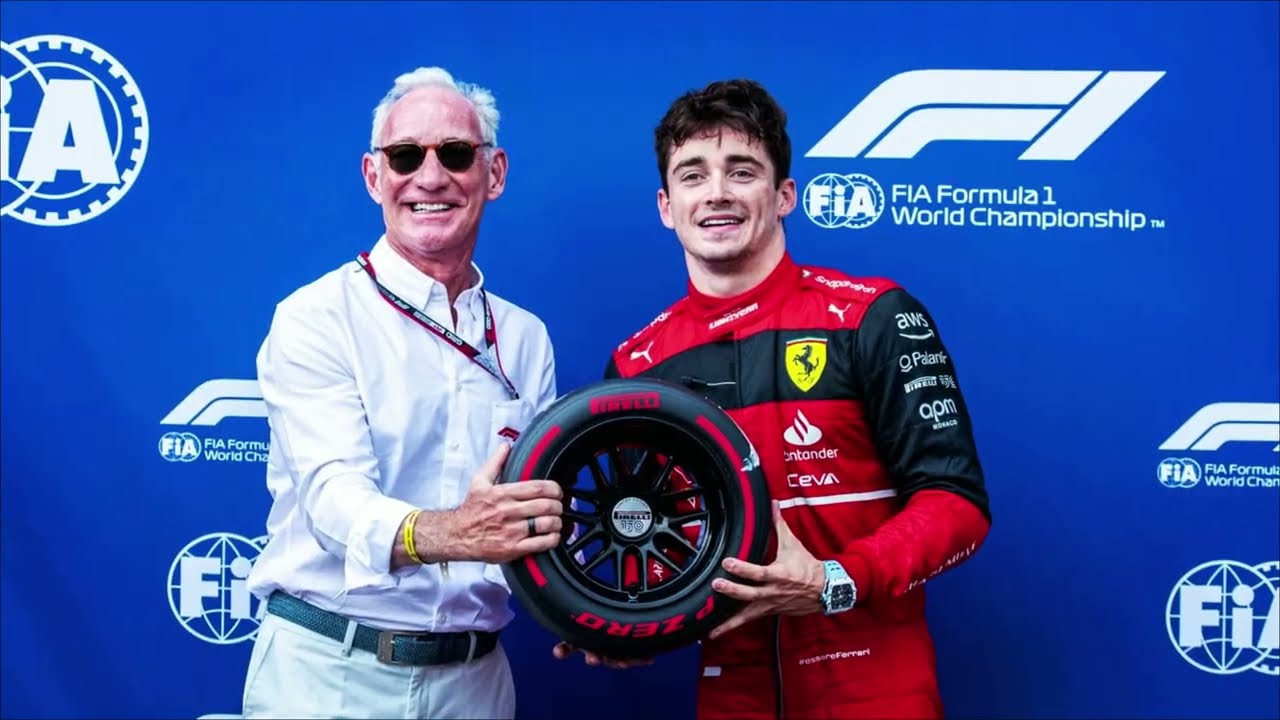
Fast forward to the 2026 season, and the narrative has shifted into something far darker and more complex. Leclerc entered the weekend having just announced a lucrative two-year contract extension, tying him to Maranello until 2028. However, he is now sharing the garage with Lewis Hamilton, and the internal dynamics are shifting dramatically.
Despite the Ferrari historically thriving in Monaco’s low-speed corners, Leclerc was visibly unsettled throughout practice. He continuously complained about the handling, and in qualifying, the pressure finally cracked him. He messed up his crucial first run in Q3, eventually dropping to fourth behind Hamilton, before pushing too hard and binning the car into the wall at Tabac.
Race day brought an entirely new level of dysfunction. Max Verstappen stalled on the grid, gifting Leclerc third place right behind Hamilton. The race leader, Kimi Antonelli, pulled away effortlessly. Hamilton, however, was slapped with a five-second time penalty for a bizarre pit-lane speeding infringement. Leclerc, sitting in third with fresher tyres, managed to close within that five-second window, theoretically securing a net second place.
Then, chaos erupted. Lance Stroll suffered a massive crash at Anthony Noghes on lap sixty, bringing out the safety car. In a baffling sequence of events, Ferrari decided to double-stack their drivers in the pits. Hamilton served his penalty, and by stacking Leclerc immediately behind him, the team effectively transferred the devastating time loss directly onto the Monegasque driver. Leclerc instantly realised the gravity of the blunder. He should have stayed out on the track. His tyres were perfectly fine, or he could have pitted a lap later to secure his position.
Once again, Leclerc was a victim of the Ferrari pit wall. But the true tragedy is that he allowed it to happen. Legends of the sport, like Michael Schumacher or Sebastian Vettel, would have forcefully overridden the pit wall in such a high-stakes moment. They commanded the strategy; they did not blindly obey it. If Leclerc truly wanted to win, he should have ignored the call.
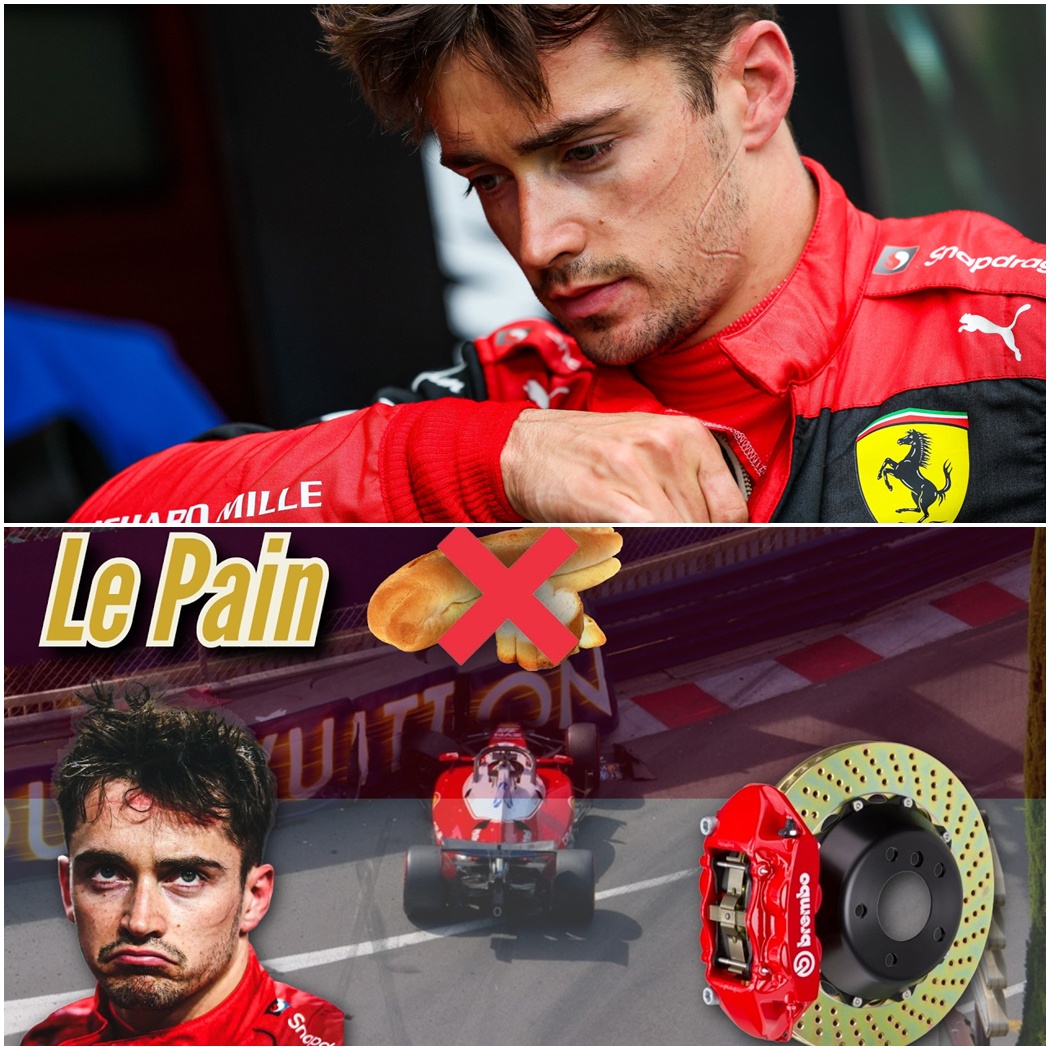
The frustrations boiled over spectacularly at the safety car restart. Leclerc lost control and crashed heavily at Anthony Noghes. Rather than admitting fault on a track surface that was visibly breaking up and covered in marbles, Leclerc launched a stunning public attack on Ferrari’s brakes.
The Brake Controversy and the Shift of Power
Leclerc vehemently claimed that three of his four brakes completely failed, explicitly pointing the finger at Brembo, Ferrari’s trusted brake supplier for over fifty years. This accusation did not emerge from a vacuum. It is heavily tied to a bitter internal political war.
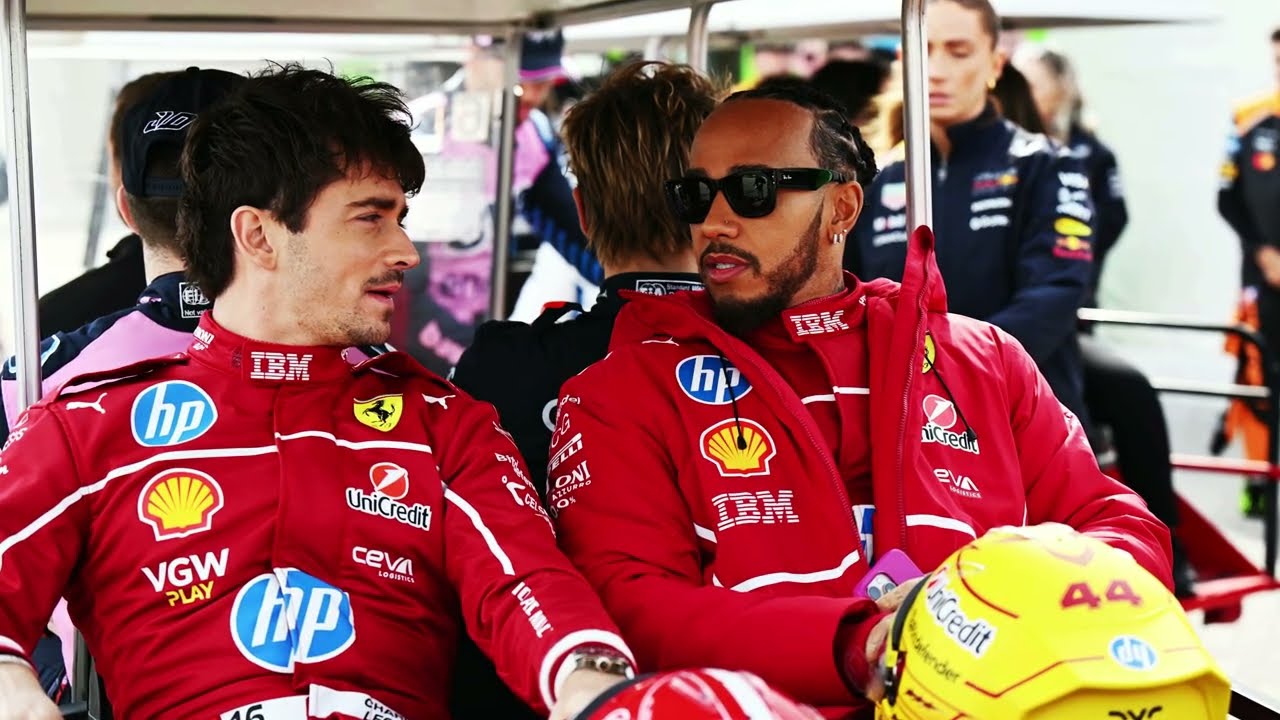
Earlier in the year, Lewis Hamilton successfully pressured Ferrari into allowing him to abandon Brembo brake discs in favour of Carbon Industries, the brand he utilized to great success at Mercedes. Carbon Industries discs offer significantly greater stopping power but possess a much vaguer responsiveness. Hamilton, a master late-braker with incredible corner-entry precision, easily compensates for the lack of pedal feel. Leclerc, meanwhile, has been vocally complaining about his Brembos ever since Hamilton made the switch, despite his own equipment remaining entirely unchanged.
Blaming the brakes for the crash in Monaco was widely viewed as a deeply political move. It has sparked intense fury within Brembo and forced an unprecedented shift. Leclerc has now announced that he will follow Hamilton’s lead and abandon the fifty-year partnership, switching to Carbon Industries for the next race in Barcelona—a system he has never even used before.
This sequence of events paints a deeply troubling picture. On the very weekend Leclerc announced his long-term commitment to Ferrari, the balance of power decisively shifted away from him. Lewis Hamilton, utilizing his immense experience and ruthless political acumen, is slowly seizing total control of the team’s developmental direction.
A Wasted Talent?
Charles Leclerc’s relationship with the Monaco Grand Prix is incredibly fragile, cursed by a mixture of terrible luck, dreadful team management, and crucial driver errors. Nothing ever comes easily for him in his own backyard. But as the years progress, it is becoming glaringly obvious that a significant portion of this misery is entirely self-inflicted.
To achieve the kind of sustained, championship-winning success that his teammate has enjoyed, Leclerc needs to become ruthlessly selfish. He must grab the Ferrari team by the horns, dictate the terms of his strategy, and stop allowing external factors to ruin his races. There are countless teams on the Formula 1 grid that would happily sign a driver of his raw calibre. But if his emotional, erratic conduct and refusal to take commanding leadership continue, those top-tier teams will eventually lose interest. Charles Leclerc stands at a dangerous crossroads. He must evolve from a blindingly fast qualifier into a complete, commanding racing leader, or risk going down in the history books as one of the most tragic, wasted talents Formula 1 has ever seen.