The Great 2026 Divide: Slow, Artificial, and Chaotic—Has Formula 1 Lost Its Soul in the Quest for the Future?
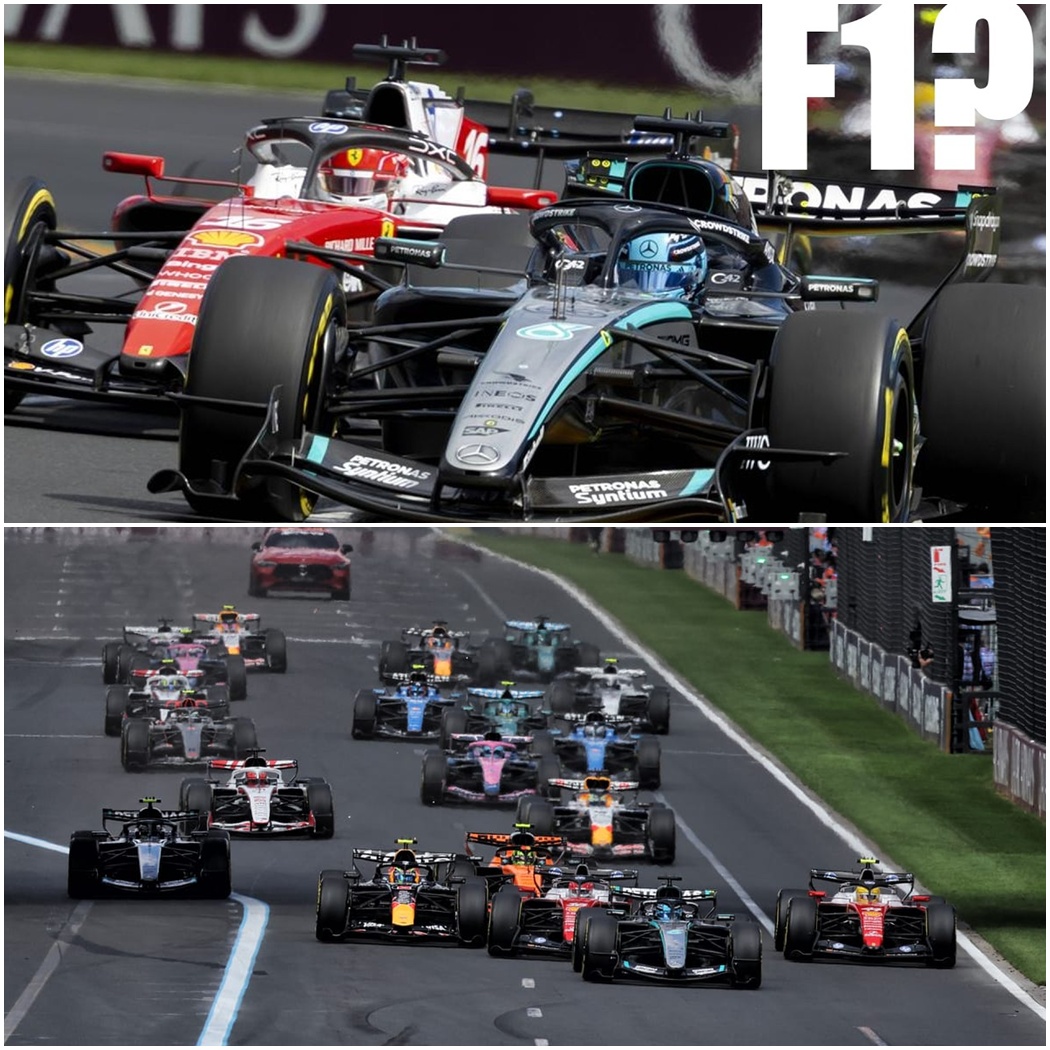
The checkered flag at Albert Park has fallen, marking the definitive end of the hybrid era as we knew it and the dawn of a radical, controversial new chapter for Formula 1. The 2026 Australian Grand Prix was heralded as a technological revolution, a marriage of sustainability and high-performance engineering. However, as the dust settles on the Melbourne streets, the overwhelming sentiment in the paddock and among the global fanbase is one of profound hesitation. While the spectacle provided enough fireworks to keep the television cameras busy, a deeper look at the telemetry and driver feedback suggests that the sport has entered a “gray zone” where artificiality threatens to overshadow the raw, human element that has defined F1 for over seven decades.
One of the most jarring revelations from the weekend was the objective loss in performance. For decades, the mantra of Formula 1 has been “faster at all costs.” Yet, in a deliberate move by regulators to improve “raceability” and prioritize the new 50/50 power unit split, the cars have taken a significant step backward. The data is undeniable: the slowest car in the 2025 qualifying sessions was nearly a second and a half faster than the pole position lap of 2026. While to the casual observer on a mobile screen, the cars still appear rapid, the onboard footage tells a different story. In familiar high-speed corners where drivers used to lean on the car’s aerodynamic prowess, there is now a perceptible sense of restraint. The cars look heavier, more sluggish, and at times, “artificially slow.”
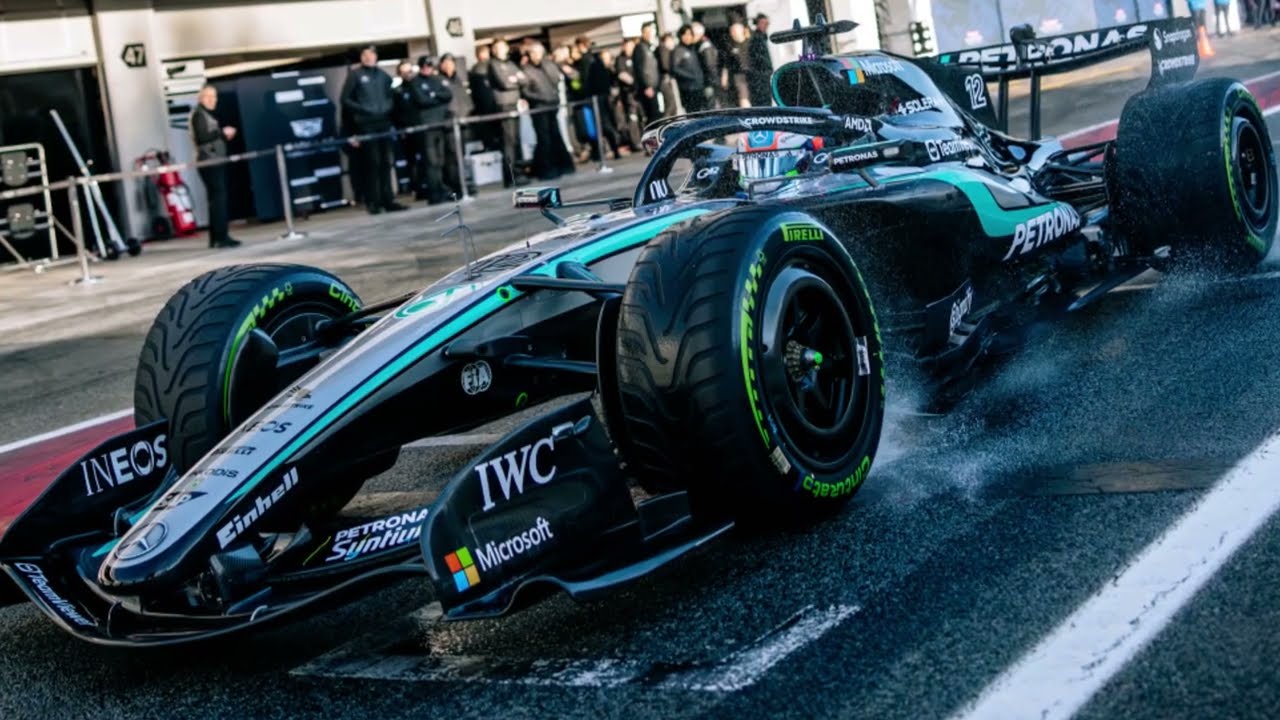
This artificiality is most evident on the long straights, where the dreaded “super clipping” has become the primary talking point. Under the new regulations, when a driver depletes their battery energy, the car suffers a sudden and dramatic loss of hundreds of horsepower, even while the driver remains flat-out on the throttle. Watching a world-class athlete effectively “run out of juice” in the middle of a straight while their rival sails past is a spectacle that many are struggling to reconcile with the concept of the “pinnacle of motorsport.” It feels less like a battle of titans and more like a high-speed game of resource management.
The racing itself followed a split narrative. The opening ten to fifteen laps were, by all accounts, a masterclass in chaos. The new power units have created a massive disparity in launch performance, particularly benefiting the Ferrari-powered cars. We saw the scarlet machines vaulting to the front, creating a mixed-up grid that provided genuine entertainment. The early-stage battles between Mercedes and Ferrari offered a glimpse of what the regulators intended—closer following and more frequent exchanges of position. However, as the race matured and energy strategies stabilized, the “fake” nature of these overtakes became apparent. In the 2026 era, an overtake is rarely the result of a brave lunge into a braking zone; instead, it is a mathematical certainty determined by who has more kilowatt-hours remaining in their battery.
The second half of the Grand Prix exposed the “old-new” problem of aerodynamics. Despite the efforts to simplify the cars, the “dirty air” effect has returned with a vengeance. We witnessed Max Verstappen, arguably the most aggressive overtaker on the grid, stuck behind Lando Norris for laps on end. Verstappen could close the gap to 1.5 seconds with ease, but the moment he entered the turbulent air of the McLaren, his tires began to overheat, his downforce evaporated, and he was forced to retreat. This is exactly the issue the 2022 regulations were designed to fix, yet here we are, four years later, reintroducing the same aerodynamic bottlenecks. The only way to overcome this deficit now is to have a massive energy advantage, which once again brings us back to the state of the battery rather than the skill of the driver.
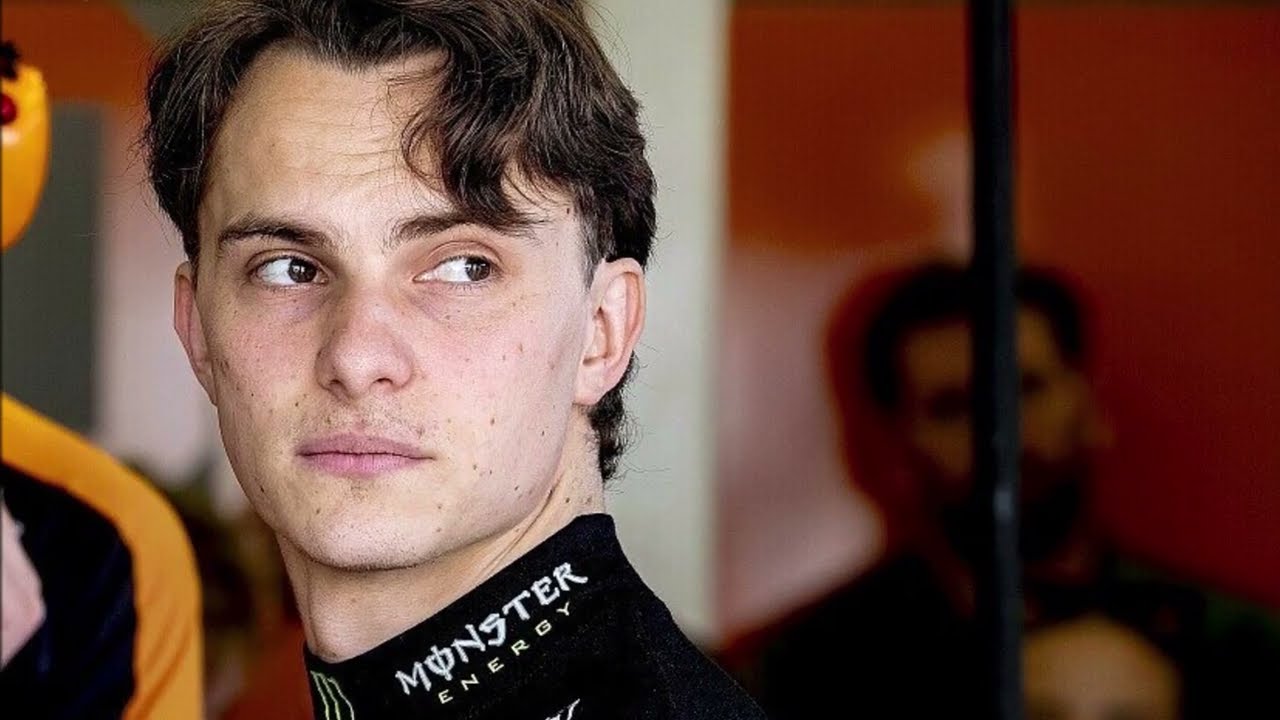
The human cost of these complex machines was perhaps most visible in the bizarre incident involving Oscar Piastri. The young Australian’s home race ended before it even began, as he spun and crashed on the way to the starting grid. While initial reactions blamed driver error, closer inspection suggests that Piastri was a victim of his own car’s unpredictability. In these new “artificial” cars, the interaction between the electrical deployment and mechanical grip is so sensitive that a driver can suddenly find themselves with far more power than requested. Piastri was simply an unlucky passenger to a power surge he didn’t ask for—a terrifying prospect for drivers operating at 200 mph.
Amidst the technical grumbling, there were bright spots. The rookie Arvid Lindblad delivered a performance that defied his lack of experience, proving that even in a heavily managed formula, raw talent can still punch through the noise. Audi, making its official debut under the guidance of Jonathan Wheatley, showed surprising resilience. Their engine looks competitive, and their political presence in the paddock is already making waves, standing up to the “old guard” of teams. On the other end of the spectrum, Aston Martin turned the Grand Prix into a glorified test session, with Fernando Alonso and Lance Stroll essentially practicing starts and pit stops in a desperate attempt to gather the data they missed during a disastrous preseason.
The question that now hangs over the 2026 season is a fundamental one: Is this still Formula 1? We have entered an era where the driver is increasingly a manager of systems rather than a master of the machine. The cars are more difficult to drive, which is a positive, but they are also more dependent on external software and energy states than ever before. For the casual viewer, the “entertainment” value remains high because of the manufactured drama of the energy battles. But for the purists who tune in to see the twenty best drivers in the world push the limits of physics, Melbourne was a sobering wake-up call.
As the circus moves to the next round, the debate will only intensify. The FIA and the teams are locked in a battle of “shaping the sport,” with political heavyweights like Audi and Ferrari already jockeying for position. We are in the “Wild West” phase of the new regulations, where the biggest differences lie in energy management strategies and software maps. These gaps will eventually close, and the field will become more equal, but that only raises another concern: if the cars are equal in energy, and the aero makes following difficult, will we return to the “procession” races of the past, only at a slower speed?
The 2026 Australian Grand Prix was a spectacle, yes. It was unpredictable, certainly. But it also felt like a sport trying to find its new identity while stumbling over its own complexity. Formula 1 has always evolved, and it has always survived its own controversies. However, in the pursuit of a sustainable future and television-friendly overtakes, the sport must be careful not to legislate away the very thing that makes it great: the simple, visceral thrill of a man, a machine, and a finish line. For now, we wait and watch as the teams scramble to master a formula that is as frustrating as it is fascinating.








