The Shocking Truth of 2026: A Complete Ranking of Every Formula 1 Team After the Brutal Bahrain Tests
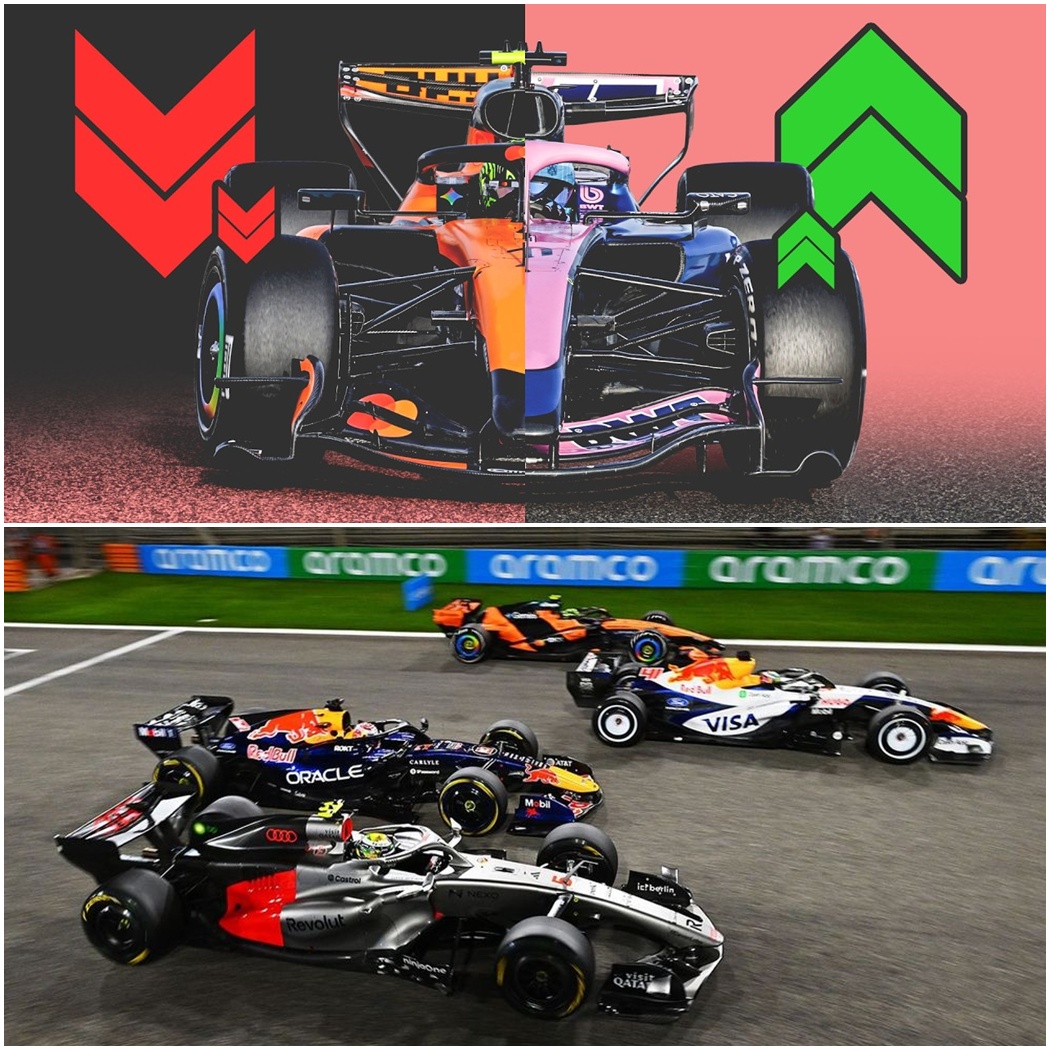
The dawn of the highly anticipated 2026 Formula 1 era is officially upon us, and if the six days of relentless preseason testing in Bahrain have proven anything, it is that absolute chaos is brewing just beneath the surface. As the eleven teams prepare to pack up their garages and head to the season opener in Australia, a tense psychological war is unfolding. Nobody wants to show their full hand, and no one wants to carry the immense pressure of being labeled the undisputed favorite.
However, the merciless heat of the Bahrain circuit strips away all secrets. The timing sheets, the total laps, and the visible frustrations of the drivers have exposed the monumental winners and the devastating losers of the new regulatory era. Based on an in-depth analysis of the data, the body language, and the garage whispers, here is the definitive ranking of every single Formula 1 team from worst to best as we head into the new season.

Sitting dead last in an agonizing position of complete disarray is Aston Martin. What played out for the team in green over the course of testing can only be described as a public nightmare. After an essentially non-existent showing in Barcelona, the situation in Bahrain deteriorated rapidly. By the final day, Honda was forced to release a statement regarding crippling battery-related issues. Aston Martin managed a miserable 334 laps across six days—an abysmal average of just 56 laps per day. Their fastest lap was a staggering four seconds slower than the frontrunners. Lance Stroll ended up in the gravel after a bizarre rear lockup, while Fernando Alonso’s test ended prematurely with a catastrophic transmission failure. Alonso was visibly heard revving the absolute life out of his engine, a massive public broadcast of pure frustration directed at the new in-house Aston Martin gearbox. The car is radically designed and undeniably aggressive aerodynamically, but it is deeply overweight, constantly breaking down, and entirely devoid of foundational reliability. Expecting either of their cars to escape Q1 in Australia feels like an impossible dream.
Just slightly ahead, but entirely by default, is the grid’s newest entry: Cadillac. Objectively, they are the second slowest team on the circuit, fundamentally lacking in raw downforce. Yet, they have approached their debut with a deeply impressive level of diligence. Putting 586 vital laps on the board, Cadillac has entirely ignored ultimate performance in favor of gathering crucial mileage. Armed with two highly experienced drivers, they have quietly gone about their business, gathering essential data to build upon. While Aston Martin has the ultimate performance potential but no foundational base, Cadillac has successfully established the core fundamentals, making the billionaire operation at Silverstone look deeply embarrassing by comparison.
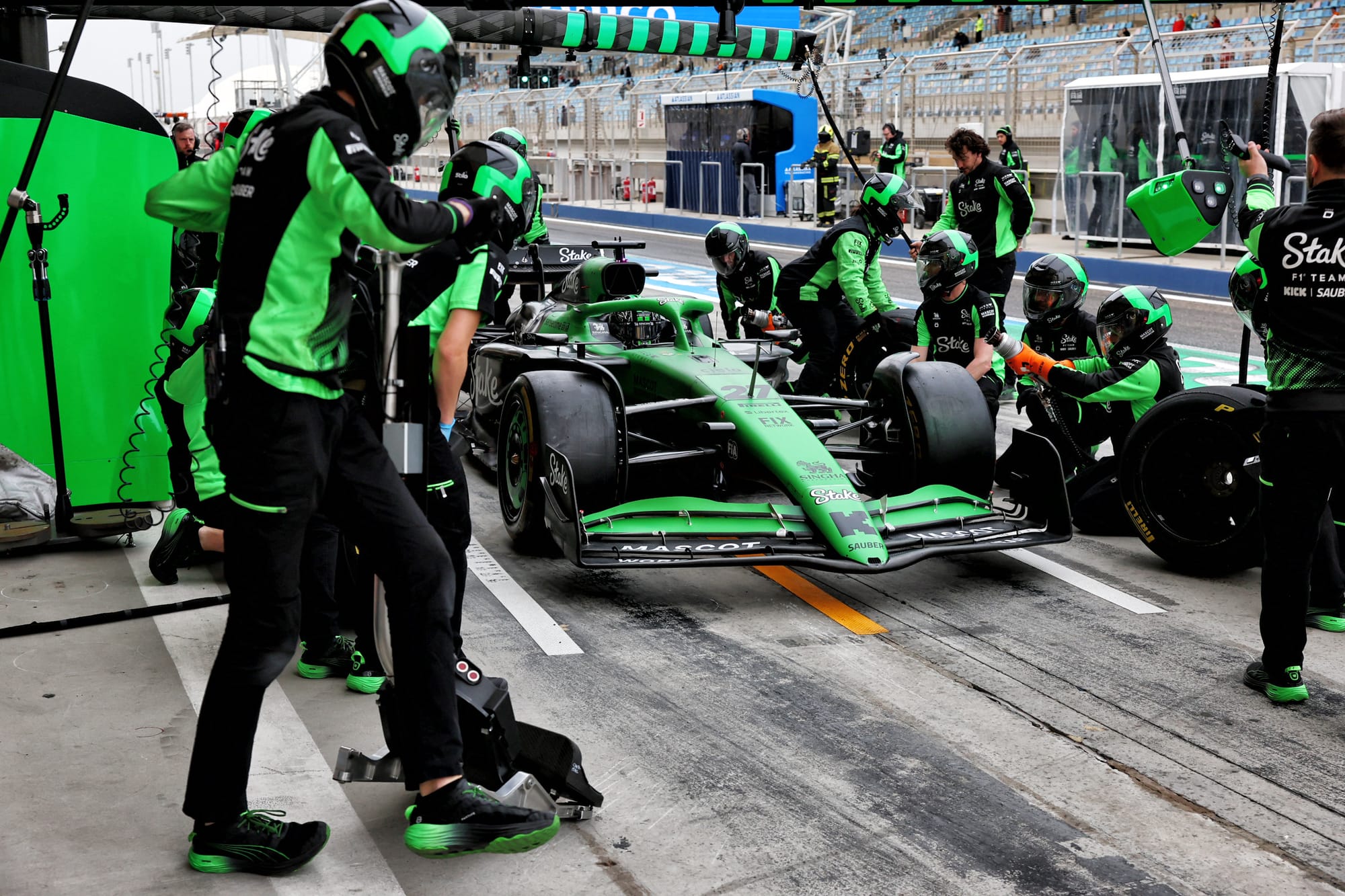
In ninth place sits Audi. Following a rough start in Barcelona where their solitary power unit sounded unrefined and raw, the team formerly known as Sauber managed to take a highly commendable step forward. Making bold design choices, including a dramatic mid-test change to their sidepods, they managed to break the 700-lap barrier. Nico Hulkenberg noted the progress, but severe drivability issues remain. The drivers fought visible instability in low-speed corners, dealing with funky downshifts and heavy lockups. Because Audi does not supply customer teams, they gathered a fraction of the engine data compared to their massive rivals, leaving them a solid, but distinctly lower-midfield contender.
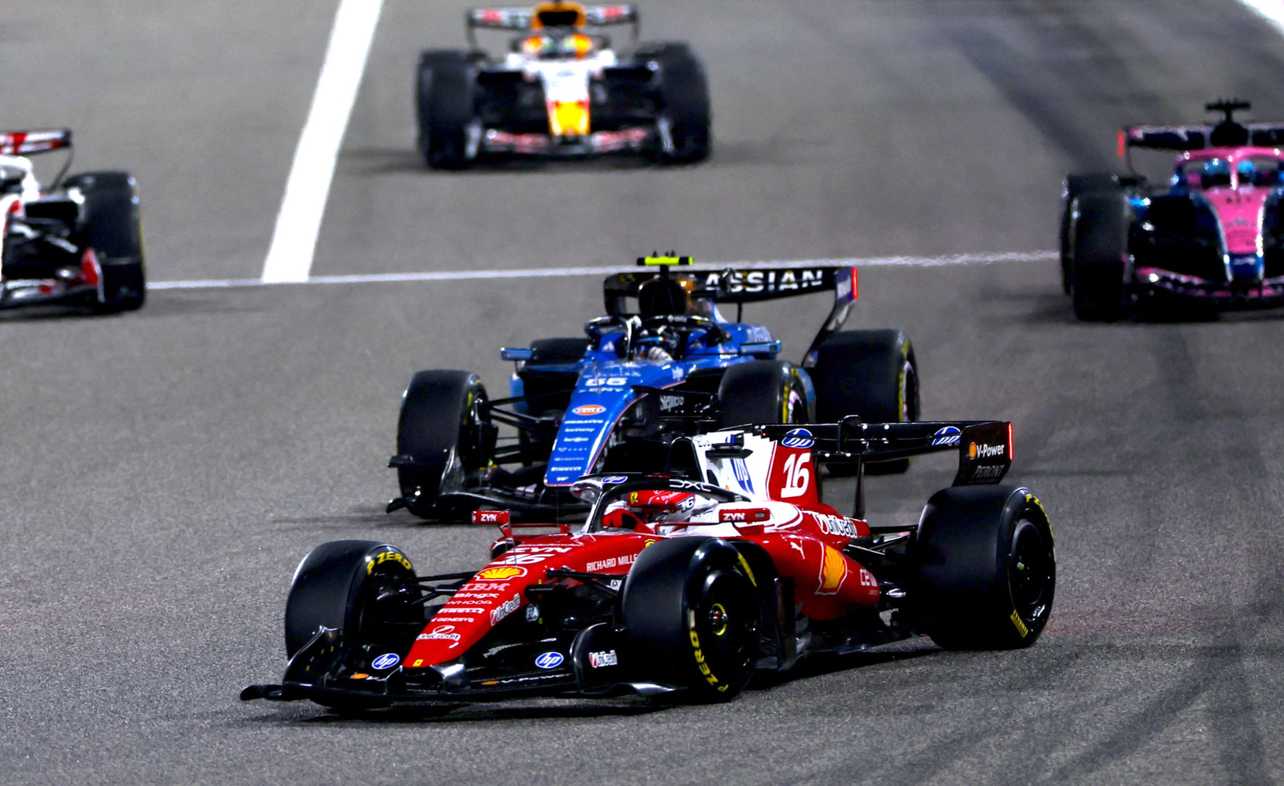
Perhaps the most heartbreaking narrative of the winter belongs to Williams, who slide in at eighth. After a year of towering expectations and promises that all resources were being aggressively funneled into the 2026 project, the reality on track was bitterly disappointing. While they successfully managed 790 laps—the third highest of any team—the car itself feels heavily overweight and completely lacking in necessary refinement. The dream sold to their dedicated fanbase, particularly supporters of Alex Albon, has seemingly vanished. Williams appears to lack the operational capacity to deliver essential components and upgrades in time. To add insult to injury, they have been comprehensively usurped by Alpine.
Ranked seventh is the Racing Bulls operation. Equipped with the new Red Bull Ford powertrain, the team exceeded expectations on the reliability front, putting down a highly respectable 734 laps. However, the car currently behaves like a bucking bronco. It sits on a perilous knife-edge, proving exceptionally tricky to navigate through the low-speed sectors. Rookie Arvid Lindblad put in an absolutely monstrous shift, logging 165 laps on the final day alone. While it will take time for the young duo of Lindblad and Liam Lawson to tame this aggressive machine, they look slightly more promising out of the gates than the floundering Williams squad.
In sixth place, Alpine is breathing a massive sigh of relief. The deeply controversial decision to abandon the Renault engine project and become a Mercedes customer team has been entirely vindicated. By outsourcing the foundational power unit, battery, and gearbox elements to the masters at Mercedes, Alpine has freed up their resources to craft a genuinely fantastic aerodynamic platform. Pierre Gasly spoke positively about the team’s clear direction after completing 677 relatively trouble-free laps. They are looking like an incredibly strong candidate for the upper end of the midfield pack.
The most magnificent underdog story of 2026 belongs to Haas, climbing up to fifth place. Under the laser-focused leadership of Ayao Komatsu, Haas operates with a ruthless efficiency that has maximized every ounce of their limited resources. They brought successful upgrades in the second week of testing and clocked nearly 800 laps. Esteban Ocon and Ollie Bearman had nothing but glowing praise for the responsive setup, taking full advantage of a snappy Ferrari power unit equipped with a smaller turbo that launches beautifully out of low-speed corners. Against all odds, Haas has positioned themselves for what could very well be their strongest season in Formula 1 history.
Sitting uncomfortably in fourth is McLaren. Coming off back-to-back constructors’ championships, the Papaya team is suddenly realizing the heavy burden of the “customer team tax.” While they logged an immense, field-leading 817 laps and Oscar Piastri set the third fastest time of the test, they simply do not possess the intimate battery management knowledge that the Mercedes works team holds. Lando Norris looked slightly more comfortable than Piastri, but the team seemed uniquely anxious regarding their practice starts. They have a brilliant car, but fighting three massive works operations ahead of them will be an uphill battle.
Red Bull claims the third spot on the podium, silencing a massive chorus of doubters. The entirely new Red Bull Ford powertrain, built from the ground up in Milton Keynes, survived the desert heat beautifully. Max Verstappen openly admitted his surprise and sheer relief that the car actually drove out of the garage without exploding. Logging 672 laps, Red Bull established a very competent aerodynamic baseline. Verstappen has been brutally honest about his disdain for the new regulations, hinting that he might walk away from the sport entirely if the car fails to deliver, but for now, the reigning champions have survived the most terrifying transition in their history.
Ferrari secures second place with a truly stunning display of innovation. Lewis Hamilton and Charles Leclerc both looked exceptionally comfortable as they dialed in the balance of the car. Unafraid to push the engineering boundaries, Ferrari introduced a mind-bending backwards rear wing and radical flow condition devices that left the entire paddock staring. Capitalizing on their small-turbo acceleration, Charles Leclerc threw down a 1:31.992—the absolute fastest headline time of the entire Bahrain test. Ferrari has made massive, confident leaps, showing a terrifying flash of ultimate pace.
Yet, reigning supreme at the absolute pinnacle is Mercedes. Setting the gold standard for the new era, George Russell and rookie Kimi Antonelli looked completely in sync with a beautifully refined, aggressive machine. The team efficiently knocked out 714 laps, fully leveraging their unparalleled understanding of their own power unit’s nuances. While an explosive controversy is currently brewing in the background regarding a proposed August rule change aimed at targeting their specific 16:1 engine compression ratio, Toto Wolff remains unbothered. Mercedes has successfully engineered success, creating a highly stable and terrifyingly fast platform. As the lights prepare to go out in Melbourne, the silver cars are unequivocally the ultimate target the rest of the world is desperately chasing.








