FIA Hits the Panic Button: The Insane 2026 Rule Changes Pushing Max Verstappen to the Brink of Retirement
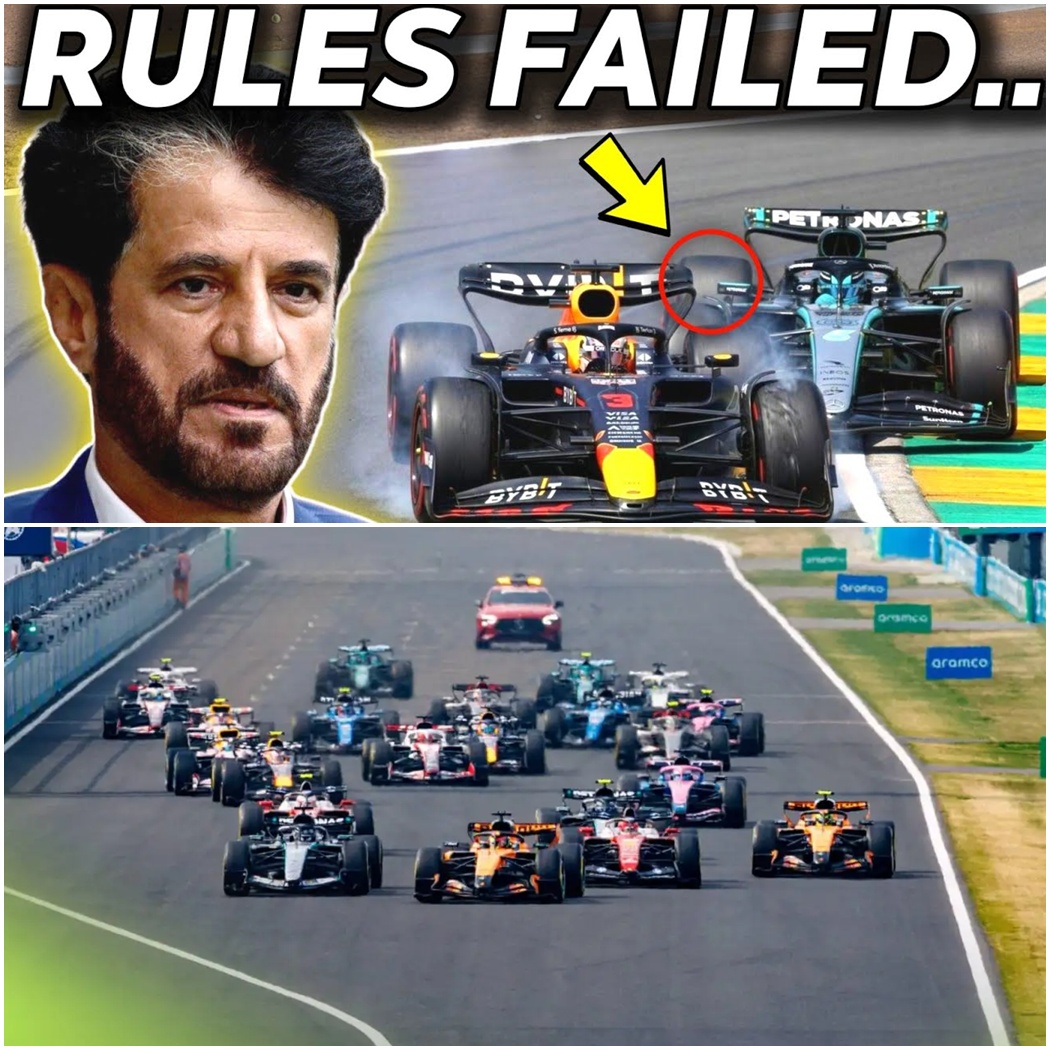
Formula 1 is currently staring down the barrel of an unprecedented structural crisis. The latest announcement from the Fédération Internationale de l’Automobile (FIA) ahead of the highly anticipated Miami Grand Prix is not merely a mid-season rule tweak; it is a glaring, very public admission of a monumental failure. When the sport’s governing body is forced to drastically reduce energy harvesting limits and simultaneously spike electrical deployment power, they are no longer refining a technical system. They are desperately attempting to mask a fundamental, potentially catastrophic imbalance in the very physics of the new generation of Formula 1 cars. And at the absolute center of this storm is reigning World Champion Max Verstappen, a driver so deeply infuriated by the current state of the sport that he is now openly discussing walking away from motorsport entirely.
To truly understand the sheer magnitude of this crisis, we must look at the ambitious promises of the 2026 regulations. This new era was heavily marketed as a revolutionary, sustainable future for Formula 1. The defining characteristic was a mandated, clean 50/50 power split between the traditional internal combustion engine and highly advanced electric hybrid power. It sounded perfect on paper. However, the brutal, unforgiving reality of the racetrack has exposed this concept as a hypersensitive, wildly unpredictable energy ecosystem. Because the incredibly heavy cars now rely so immensely on electrical deployment, the fundamental instincts of racing have been entirely rewritten. Drivers are currently being forced into the unnatural, highly dangerous practice of lifting off the throttle in high-speed corners. This isn’t due to tire preservation or saving fuel; it is entirely because the car’s onboard software demands strict energy preservation just to unleash a required burst of speed on the next straight.

This paradox has birthed the most controversial term in the modern Formula 1 paddock: “super clipping.” Imagine a terrifying scenario where a driver is hurtling down a massive straight, their foot pinned absolutely flat to the floor. Under normal racing circumstances, this equals maximum velocity. But under the flawed 2026 regulations, the car’s complex system abruptly and violently diverts energy into battery harvesting instead of forward propulsion. The horrifying result is that the car actively and visibly slows down while the driver is demanding full power. Telemetry data from the opening rounds of the season has revealed an alarming truth: drivers are losing a staggering two to four seconds per single lap entirely due to super clipping. It is a terrifying paradox where maximum physical input results in a drastically reduced mechanical output, leaving both drivers and fans completely bewildered.
Faced with immense political pressure and growing safety concerns from the grid, the FIA has aggressively intervened. But rather than curing the core disease, they are merely redistributing the toxic symptoms. The governing body has officially reduced the maximum permitted energy recharge from 8 megajoules down to 7 megajoules per lap. In a vacuum, this 12.5% cut in total harvestable energy is designed to forcefully reduce the agonizing frequency of super clipping. However, the technical trade-off is brutal. Less harvested energy naturally means less total deployable power over the course of a punishing lap. To compensate for this massive power loss, the FIA has desperately spiked peak deployment power from 250 kW to a massive 350 kW in designated overtaking zones, while strictly capping the race boost at an additional 150 kW everywhere else.
What the FIA has essentially created is a series of artificial “speed pockets” scattered around the circuit. They have forcefully compressed the massive energy problem into much shorter, vastly more aggressive deployment windows. The harsh reality is that drivers are no longer engaging in organic, wheel-to-wheel racing; they are engaged in a highly scripted, intensely calculated energy release strategy. They are managing software-triggered power windows rather than driving entirely on raw human instinct. This aggressive performance asymmetry within a single lap is incredibly dangerous. We saw this horrifying reality violently manifest at the Suzuka circuit, in a terrifying near-miss involving Oliver Bearman and Franco Colapinto. The massive closing speed delta between the two battling cars wasn’t a result of driver error; it was the direct, lethal consequence of uneven energy deployment. One driver had access to full electrical boost, while the other was actively harvesting. That translates to a sudden power delta of over 100 kW, creating massive, highly unpredictable speed differences that nearly resulted in a catastrophic high-speed collision.
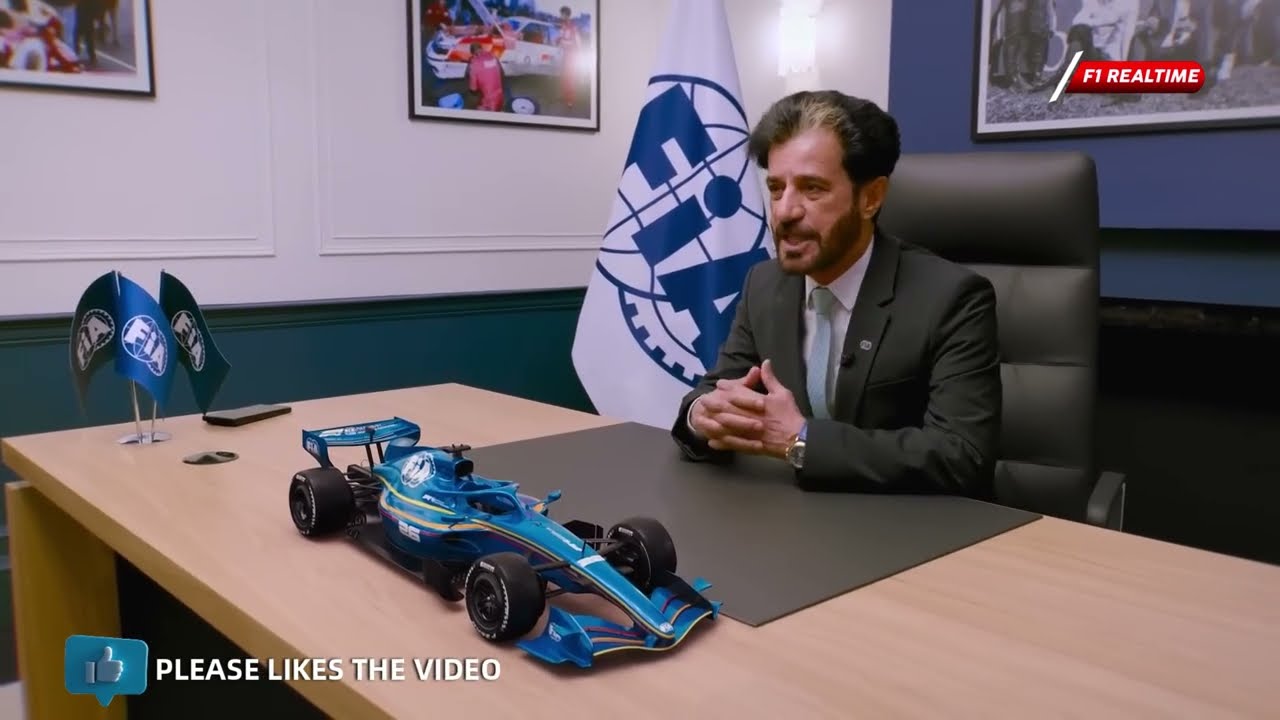
The FIA’s desperate reaction to these terrifying safety hazards has been equally controversial and deeply concerning for purists. They have hastily introduced a highly advanced “low power start detection system.” If this digital system detects that a car is launching too slowly off the starting grid, it will automatically trigger the MGU-K to deploy stored electric power. Let that incredible fact sink in for a moment. In Formula 1, universally recognized as the absolute pinnacle of human driver control and skill, the car’s software is now actively overriding the driver’s inputs in real-time. It is artificially intervening to ensure minimum acceleration thresholds, desperately trying to prevent the sport’s own inherently flawed regulations from causing a massive, high-speed pile-up at Turn 1. Furthermore, in wet conditions, the FIA has been completely forced to heavily reduce ERS deployment and artificially increase tire blanket temperatures just to stabilize the highly unpredictable, terrifying grip levels.
The human element of this technical disaster is perhaps the most compelling part of the narrative. Max Verstappen’s visceral, public fury is entirely justified. His legendary, world-championship-winning driving style relies heavily on absolute, continuous throttle commitment and supreme rear-end stability under heavy acceleration. The 2026 rules have violently forced him into a stilted, completely unnatural rhythm. Actively lifting mid-corner, artificially delaying throttle input, and relying on sudden, violent energy spikes is not just profoundly uncomfortable for the Dutchman; it fundamentally destabilizes his entire approach to racing. When the sport’s biggest, most dominant global star is aggressively pushed to the brink of early retirement because the cars are no longer rewarding pure, unadulterated skill, Formula 1 has a massive, existential problem on its hands. He is certainly not alone in this harsh sentiment. Reigning champion Lando Norris has openly stated that these heavily regulated machines are absolutely “not what drivers dreamed of,” explicitly highlighting a massive, painful generational disconnect between the sport’s corporate boardroom expectations and the harsh physical reality of the cockpit.
Yet, amidst the chaos and the fury, a fierce, high-stakes political war is quietly raging in the background. Not everyone on the grid is suffering from this crisis. Mercedes, brilliantly led by the ever-calculating Toto Wolff, is uniquely positioned to capitalize on this exact disaster. Mercedes’ historic competitive strength has always been their meticulous energy efficiency and absolute precision in electrical deployment. With these aggressive new constraints, their ERS mapping is already beautifully optimized for controlled, strategic release rather than raw, aggressive bursts. It is absolutely no coincidence that Mercedes signed off on these mid-season rule changes so quickly and without complaint. The new regulations perfectly suit their overarching engineering philosophy, handing them a massive, potentially championship-defining advantage while actively crippling Red Bull’s aggressive driving dynamic. While figures like Stefano Domenicali attempt to calm the media by defending the regulations and preaching about global sustainability and manufacturer relevance, the engineers in the garages know the terrifying truth. They are simply desperately trying to plug holes in a rapidly sinking ship.

As the Formula 1 circus rapidly descends upon the vibrant, highly pressurized atmosphere of the Miami Grand Prix, the entire paddock is holding its collective breath. The actual pecking order at the front of the grid might not see a dramatic overnight shift—Mercedes will likely retain their calculated advantage, fiercely hunted by McLaren and Ferrari—but the fundamental way these teams achieve their blistering lap times has been violently and permanently altered. Grand Prix victories will no longer be decided purely by who has the most raw aerodynamic pace or the bravest, most talented driver. They will increasingly be won by the team of engineers sitting behind glowing screens in a dark room, calculating who can best choreograph and manipulate a highly restrictive, incredibly complex energy ecosystem. Formula 1 has tragically transitioned from a pure sport of raw speed into a deeply technical exercise in energy choreography.
This leaves us with an incredibly uncomfortable, lingering question that strikes at the very soul of global motorsport. If the FIA is already frantically tweaking core parameters and implementing automated software overrides just three races into a brand-new, highly hyped regulatory era, how long will it be before they are forcefully compelled to abandon this hybrid philosophy entirely? When world-class drivers are forced to lift their feet in flat-out corners, when automated software overrides their organic race starts, and when battery harvesting aggressively dictates the fundamental racing lines, you are no longer simply refining Formula 1. You are actively redefining it into something else entirely. If this suffocating, artificial complexity ultimately pushes a generational talent like Max Verstappen to genuinely walk away from the grid, the entire system heavily risks collapsing under the immense weight of its own flawed ambition. The world will be watching the streets of Miami very closely, not just for the racing spectacle, but for the very survival of the sport’s authentic soul.








