The Winners and Losers of the 2026 F1 Monaco Grand Prix: Antonelli’s Masterclass, Ferrari’s Mixed Fortunes, and Chaos in the Principality
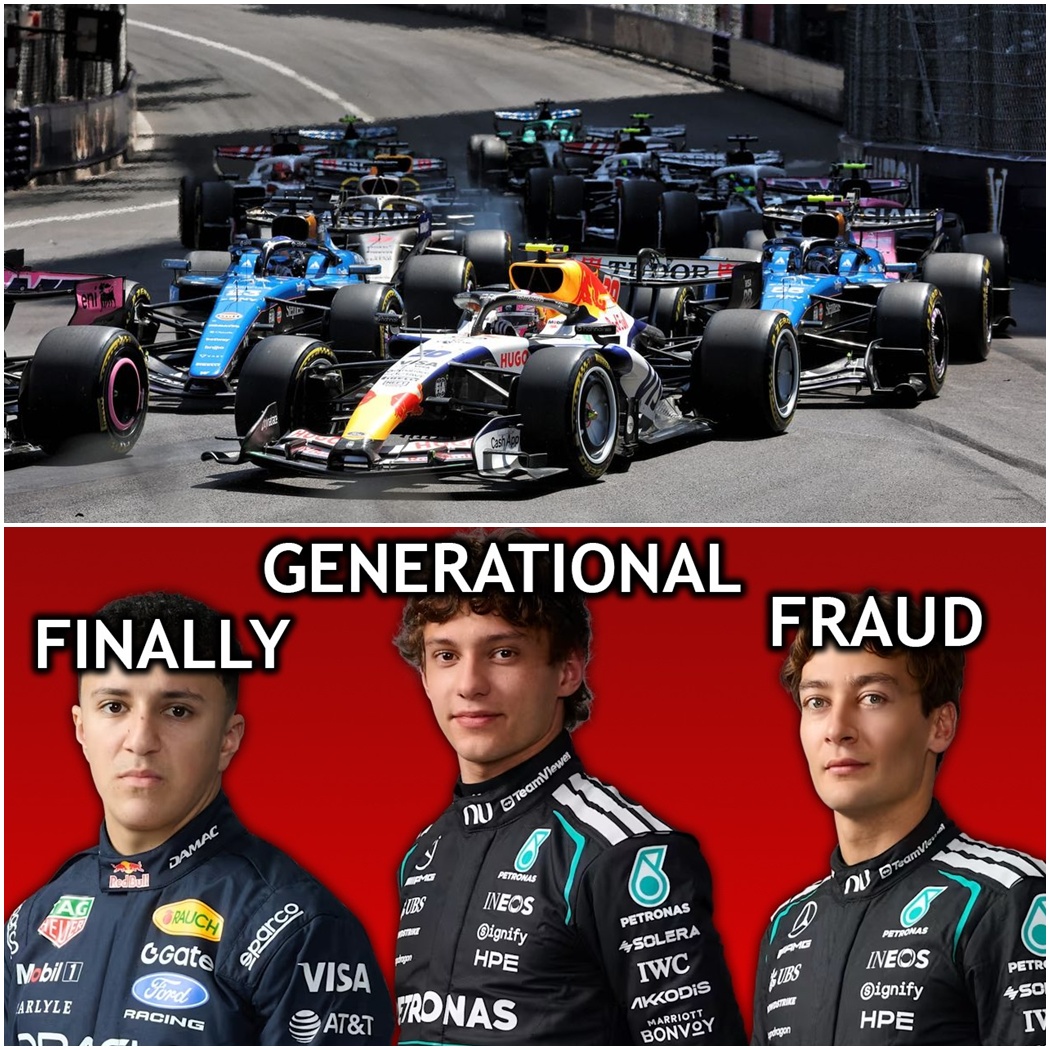
Formula 1 is officially back in full swing, and unlike the intermittent and highly disrupted scheduling of the past three months, the pinnacle of motorsport is finally here to stay. With a gruelling, high-stakes stretch of seven races across nine weeks looming large on the immediate horizon, the paddock has at last settled into the relentless, high-speed rhythm of a traditional season. And what better place to inaugurate the pivotal European leg of the 2026 calendar than the glamorous, unforgiving, and historically rich streets of the Principality of Monaco? This iconic street circuit is not merely a rigorous test of driving precision; it is a psychological crucible that could very well define the trajectory of the entire championship for the months to come.
As the tyre smoke clears over the harbour and the superyachts gently bob in the Mediterranean, the title picture is coming into razor-sharp focus. Mercedes’ teenage prodigy, Kimi Antonelli, currently leads the drivers’ standings by a commanding 43 points over his more experienced teammate, George Russell. With four impressive victories in the first five races and an additional second-place finish to his name, the 19-year-old Italian phenom is quite literally sitting on top of the motorsport world. But Formula 1 is a notoriously fickle beast, and complacency is the fastest route to failure. Russell possesses immense raw speed and a depth of talent that, on his day, can match or even exceed Antonelli’s. Yet, Russell’s campaign has been severely hamstrung by chronic reliability issues, with his side of the garage suffering an abnormal amount of mechanical failures. With Red Bull, Ferrari, and McLaren all desperate to break the Silver Arrows’ early stranglehold, the Monaco Grand Prix promised to be a major inflection point in this gripping season.
The 2026 technical regulations have brought a fascinating, completely unprecedented dynamic to the Monte Carlo streets this year. The revised engine formulas rely heavily on intricate battery deployment, making these new machines incredibly fast in short bursts but highly sensitive to sustained loads. Due to the notoriously bumpy nature of the historic street circuit—from the perilous undulations of Casino Square to the tight, twisting descent down to Mirabeau—and the perilously close proximity of the metal barriers, the FIA and teams had to adjust the battery mappings. This meant that electrical power naturally dropped off after a certain speed, effectively acting as a safety limiter. Furthermore, in a highly unique adjustment to the weekend’s track map, “straight modes” were entirely scrapped for this exceptionally slow circuit.
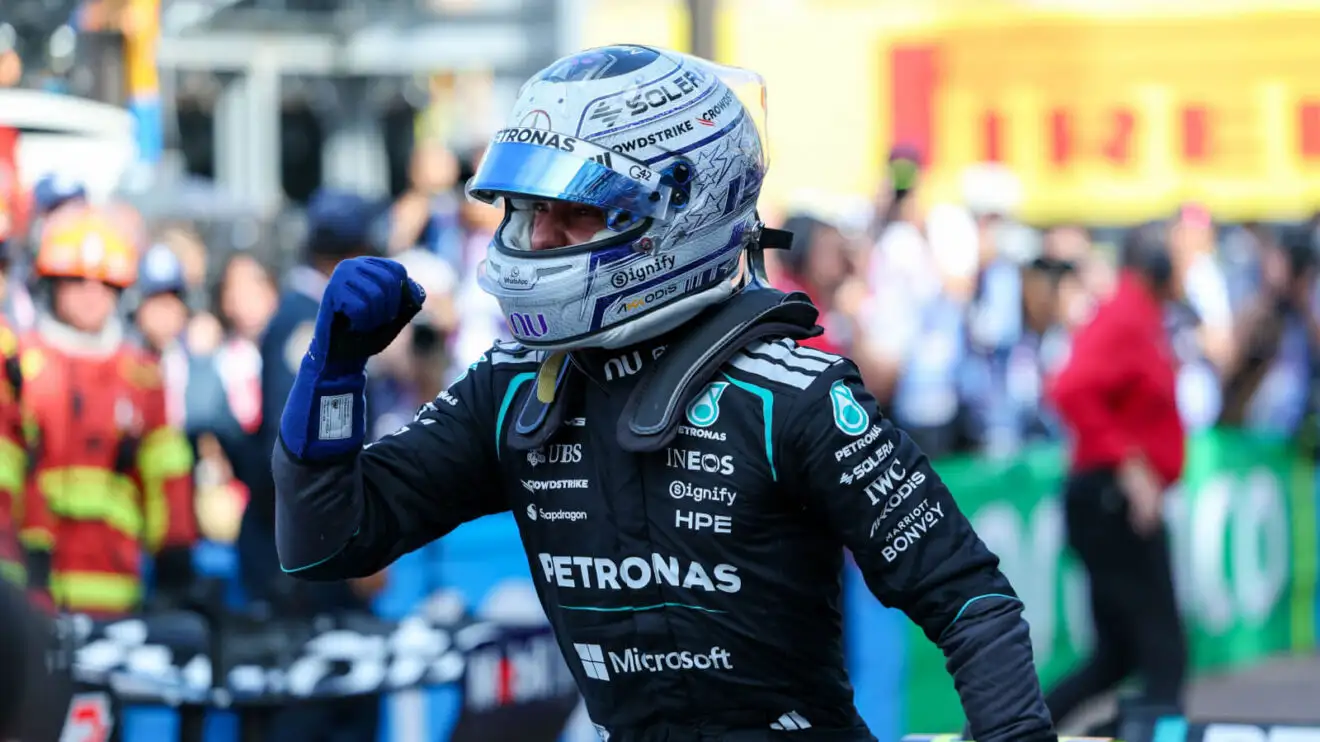
This drastic shift meant the reliance moved sharply away from brute engine power and squarely onto chassis balance, aerodynamic efficiency, and pure mechanical grip. For the chasing pack, this was absolute music to their ears. By entirely neutralising the power deficit that Mercedes usually enjoys on traditional circuits, teams like Ferrari and McLaren were suddenly thrust right into the thick of the fight. The tantalising prospect of a multi-team dogfight for pole position—which, in the claustrophobic confines of Monaco, is essentially a fight for the race win itself—became an immediate reality. It is a rare treat to see such incredibly high stakes on a track where overtaking is notoriously difficult, turning Saturday’s qualifying session into arguably the most critical and highly anticipated hour of the entire racing year.
The weekend kicked off with a Friday that was as completely chaotic as it was deeply revealing. Because the circuit demanded maximum downforce and no drag reduction systems (DRS) were required without the presence of proper straights, teams rolled out fascinating, track-specific aerodynamic packages to find every available millisecond. However, these brilliant engineering marvels were very quickly overshadowed by mounting driver frustration and numerous on-track incidents. In Free Practice 1, Red Bull’s Isack Hadjar heavily kissed the barriers, bringing out an early red flag and halting vital data collection. Shortly after, the legendary Fernando Alonso seemingly lost his bearings in the Aston Martin, having to completely take his hands off the steering wheel to navigate an embarrassing blunder.
Across the entire paddock, tempers flared violently. Defending champion Max Verstappen was constantly on the team radio, complaining endlessly about his Red Bull’s poor drivability and lack of compliance over the harsh kerbs. Traffic jams impeded flying laps left, right, and centre, resulting in a cacophony of swearing over the airwaves. Most notably, the Haas garage was a simmering cauldron of tension, with Esteban Ocon and Ollie Bearman exchanging heated words after a string of deeply disappointing internal team dynamics. Amidst all this rampant chaos, the Scuderia stood exceptionally tall. Ferrari looked blisteringly fast right out of the gates, laying down a dominant 1-2 finish in FP1 that sent the passionate Tifosi into an absolute frenzy. FP2 followed a highly similar narrative, with Lewis Hamilton majestically topping the timing sheets. Meanwhile, Lando Norris suffered a catastrophic engine failure, blowing his McLaren to smithereens and raising serious reliability concerns for the papaya squad. Heading into Saturday, the narrative was crystal clear: Ferrari were the undisputed team to beat, Mercedes were trailing slightly in their wake, and everyone else had an absolute mountain to climb.
Saturday in Monaco is the ultimate crucible where motorsport legends are made and lifelong dreams are brutally shattered. Free Practice 3 provided an early glimpse of the shifting momentum when Ollie Bearman crashed out heavily, and Antonelli began to openly flex his muscles, putting immense, suffocating pressure on the Ferraris. But absolutely nothing could truly prepare the paddock for the sheer intensity of the three-way shootout that violently unfolded in Q3. As Q1 and Q2 relentlessly progressed, it became abundantly apparent that Red Bull, McLaren, Mercedes, and Ferrari all possessed the fundamental pace to claim the coveted P1 spot. The margins were practically microscopic, measured in mere thousandths of a second.
The global spotlight, however, was firmly and unforgivingly fixed on Charles Leclerc. Racing in his own backyard, navigating the very streets he grew up on, the Monegasque driver was widely expected to dominate the session. Yet, on his crucial first Q3 run, he made a critical, unforced error that left him scrambling. Desperate to recover on his final, do-or-die flying lap, Leclerc pushed just slightly too hard, tapped the merciless metal barrier, and ruined his chances entirely. He was frustratingly relegated to a deeply disappointing P4. While Leclerc catastrophically faltered, the rest of the sport’s heavyweights brilliantly delivered. Max Verstappen wrung every conceivable ounce of performance out of his tricky Red Bull to secure an incredible P2 on the grid, and Lewis Hamilton seamlessly clocked in at P3 to powerfully emulate his strong Canadian Grand Prix form. But it was Kimi Antonelli who effortlessly stole the show. Delivering a breathtaking, inch-perfect lap, the teenager elegantly danced his Mercedes through the Swimming Pool chicane and around La Rascasse to snatch a phenomenal pole position. Meanwhile, his highly rated teammate George Russell was inexplicably far off the pace, finding himself buried deep in the midfield and facing a thoroughly disastrous Sunday.

When the five red lights finally went out on Sunday afternoon, the brutal war of attrition began almost immediately. Lap 1 saw absolute, crushing heartbreak for Max Verstappen, whose highly anticipated race ended prematurely due to a catastrophic mechanical failure, viciously robbing the fans of a potential, race-long battle for the lead. Further back in the tightly packed field, Oscar Piastri and Lando Norris engaged in a tense, nail-biting intra-team squabble that threatened to end in tears. At the very front, however, Kimi Antonelli was simply untouchable. By lap 10, the Mercedes prodigy had already pulled a highly comfortable five-second gap on the desperately chasing Ferraris. Unless sudden, unpredictable tyre degradation became a major factor, he was elegantly driving his own race in a completely different postcode.
What the Grand Prix lacked in traditional on-track overtakes, it more than made up for in bizarre stewarding drama and sheer, unadulterated attrition. A completely inexplicable epidemic of pitlane speeding swept through the grid like a virus. Lewis Hamilton was slapped with a five-second time penalty, as were George Russell, Franco Colapinto, Pierre Gasly, and Oscar Piastri. Russell even found himself under intense, further investigation for crossing the pit exit line and for a potential, highly controversial false start. The mounting tension finally snapped when Lance Stroll unceremoniously buried his Aston Martin deep in the barriers. A Safety Car was immediately deployed, prompting a frantic, chaotic flurry of pit stops that threw meticulously planned team strategies completely out of the window. Ferrari desperately double-stacked their cars, inadvertently compromising Leclerc’s fragile race even further while simultaneously serving Hamilton’s time penalty. Shortly after the chaotic restart, another heavy incident brought out the red flags to allow for extensive barrier repairs. Through it all, Kimi Antonelli kept his head perfectly cool, managing the incredibly stressful restarts flawlessly to secure his fifth consecutive race victory, crossing the finish line ahead of a phenomenal Lewis Hamilton and Red Bull’s Isack Hadjar, who brilliantly inherited a deeply deserved podium finish.
Not everyone, however, left the glitz, glamour, and extravagance of Monaco with their heads held high. Aston Martin’s horrific 2026 campaign reached a devastating, entirely new low. Sporting a special, yet widely mocked and heavily criticised livery, the team suffered their ninth consecutive disastrous weekend. With Fernando Alonso barely scraping into the points largely due to the exceptionally high attrition rate ahead of him, and Lance Stroll clumsily crashing out, the Silverstone-based squad looks completely lost at sea, seemingly entirely devoid of developmental direction. Haas and Audi also fall firmly and embarrassingly into the undeniable losers’ category. After showing immense, genuine promise early in the season, Haas’s Ocon and Bearman allowed toxic internal beef to completely ruin their collective focus. Their qualifying laps were disastrous, entirely ruining their Sunday on a track where grid position is absolutely everything. Audi, similarly, suffered a highly bizarre and completely unexplained drop-off. Despite looking like a genuinely formidable midfield contender throughout practice, their pace mysteriously vanished overnight into thin air, leaving both Liam Lawson and Pierre Gasly severely compromised and fighting an uphill battle just to remain relevant.
George Russell’s weekend, meanwhile, was utterly inexcusable for a driver of his undeniable calibre. With his championship hopes rapidly slipping through his fingers, he was decisively and embarrassingly outperformed by his 19-year-old teammate in equal machinery. Accruing multiple careless penalties and failing to make any significant impact, Russell must desperately find answers before the paddock arrives in Barcelona, or he genuinely risks permanently becoming the definitive number two driver at Mercedes. But the biggest, most tragic heartbreak, once again, firmly belongs to Charles Leclerc. Seven long years after signing with Ferrari to bring a championship back to Maranello, the narrative remains painfully, infuriatingly unchanged. Leclerc had arguably the single fastest car this weekend, just as he has many times in Monaco over his career. Yet, when the pressure absolutely peaked in Q3, he made the exact same mistakes that have chronically plagued his career. The usual excuses of team mismanagement and poor strategy are starting to ring incredibly hollow; this weekend, the failure rested squarely and undeniably on his own shoulders. If he cannot convert raw, blistering pace into pole positions and race wins at his very own home circuit, one has to seriously wonder if he will ever truly fulfil his ultimate, world-championship potential.
On the much brighter flip side, Kimi Antonelli is rapidly cementing his status as a once-in-a-generation talent. Winning five consecutive races in Formula 1 is a monumental, genuinely historic feat for any driver, let alone a teenager competing in only his second full season. Hardcore critics may loudly point to the undeniable dominance of the Mercedes machinery, but Antonelli is ruthlessly extracting every single fraction of a second from it. He is not merely coasting to comfortable victories; he is aggressively pushing the car to its absolute, razor’s edge limits, driving with a seasoned maturity and a fierce ferocity that is genuinely stunning to witness. Lewis Hamilton also deserves massive, unrelenting praise for his Monaco masterclass. At 41 years old, the seven-time world champion is experiencing a beautiful, highly productive renaissance at Ferrari. Having decisively ditched his over-reliance on simulator data to firmly trust his natural, heavily refined instincts, Hamilton looks completely rejuvenated. His vintage, immaculately placed defensive driving and relentless race pace earned him a heavily deserved second place, bringing much-needed joy and crucial points to the Ferrari garage.
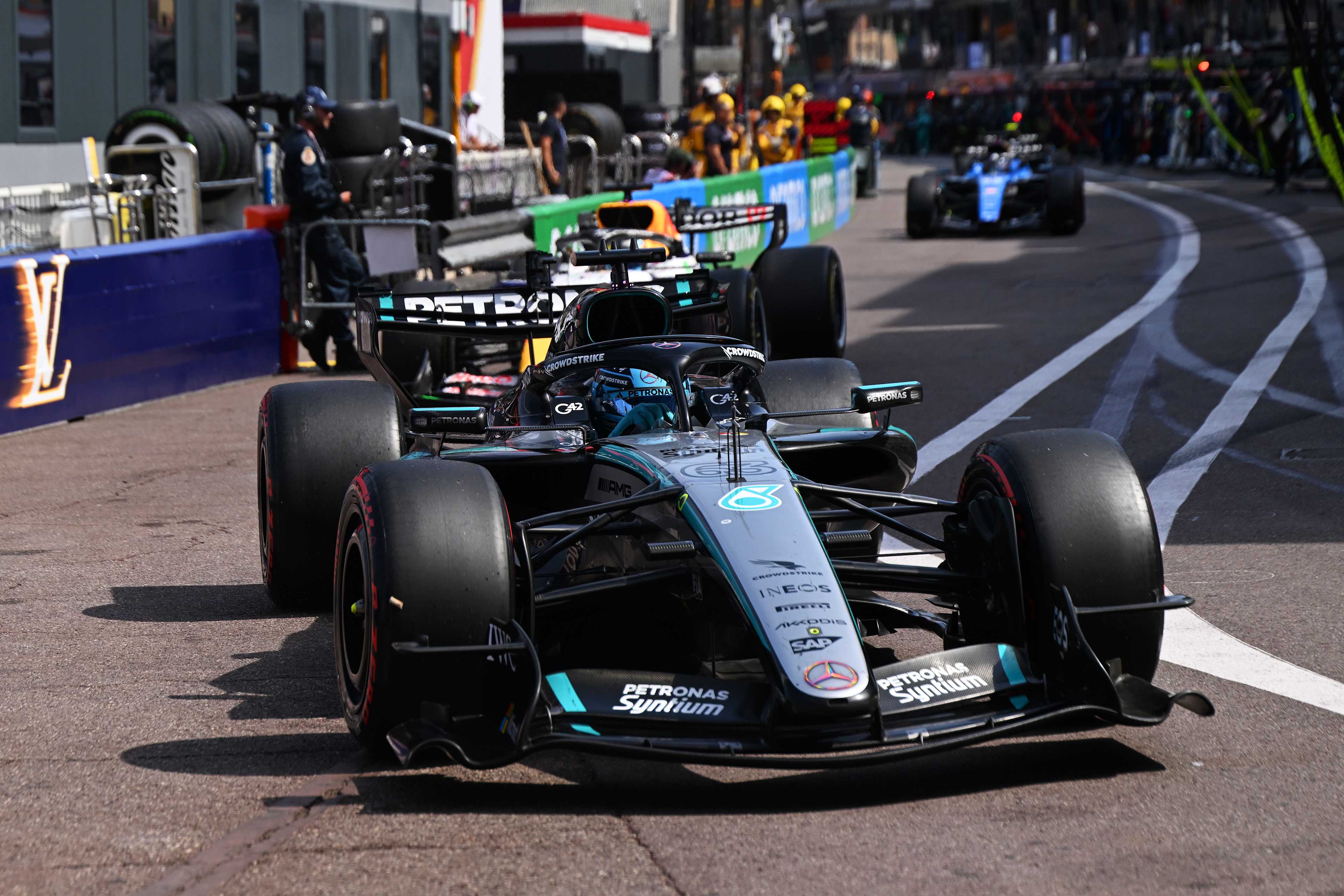
Red Bull can also take immense, justified pride in their weekend despite Verstappen’s incredibly frustrating DNF. Before his complex engine finally gave up the ghost, Max was driving brilliantly, wringing the neck of a difficult car. But the real star for the Milton Keynes squad was Isack Hadjar. Capitalising perfectly on the chaotic attrition and keeping his nose entirely clean amidst the madness, Hadjar secured a brilliant, highly composed podium finish. If he can continually deliver clean, highly consistent weekends, he will rapidly solidify himself as the perfect, deeply reliable wingman for Verstappen. Further down the grid, significant praise must be given to Cadillac. While mechanical reliability remains a glaring, incredibly frustrating issue for the new American outfit, Sergio Perez and Valtteri Bottas both demonstrated genuine, highly encouraging pace that heavily suggests the team could very soon be fighting for regular, hard-earned points.
The 2026 Monaco Grand Prix delivered exactly what it always inherently does: an uncompromising, brutally harsh examination of nerve, mechanical precision, and split-second strategy. Kimi Antonelli has definitively proven that he is the undisputed man to beat, while Ferrari and Red Bull have clearly shown they possess the underlying, raw pace to genuinely take the fight to Mercedes on the right circuits. As the weary but thoroughly exhilarated paddock quickly packs up and heads straight to the high-speed, demanding corners of Barcelona, the European season is truly, vibrantly alive. The immense pressure is rapidly mounting, the bitter rivalries are intensely multiplying, and the spectacular race for the 2026 World Championship is only just beginning.








