The Silent Dominance: How Mercedes Unlocked a Secret 2026 Advantage That Has Left the F1 Paddock in Despair
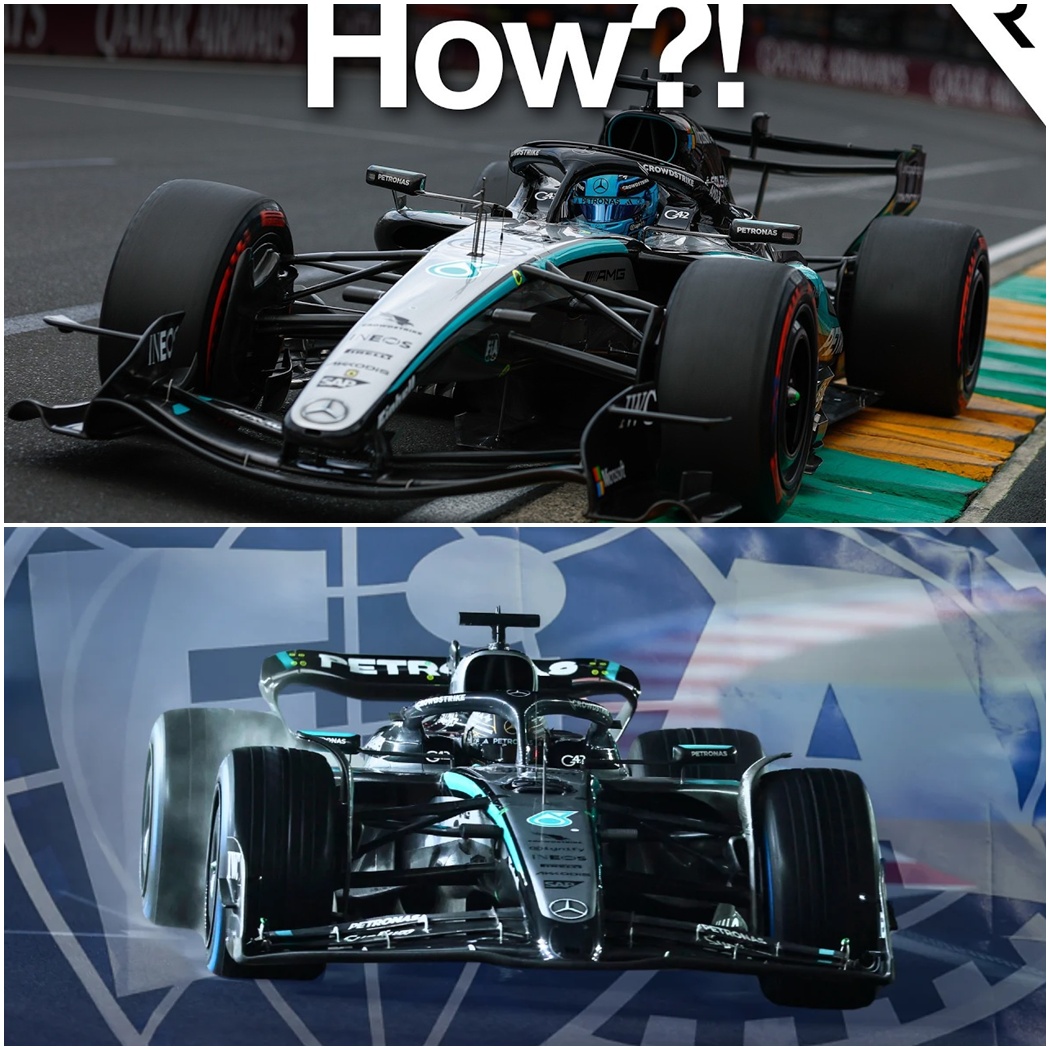
The 2026 Formula 1 season was promised to be a great equalizer, a reset that would bring the field closer together through radical new regulations and a focus on sustainable energy. Yet, as the dust settled on the season opener in Melbourne, a familiar and chilling sensation swept through the paddock. Mercedes, the team that defined the previous hybrid era, didn’t just win; they arrived with a level of superiority that has left rivals like Ferrari and Red Bull scratching their heads and customer teams like McLaren and Williams in a state of existential panic.
In Melbourne, the Silver Arrows reclaimed their status as the untouchable kings of the grid. George Russell claimed pole position by a staggering margin of nearly eight-tenths of a second—a gap reminiscent of the team’s most dominant years during the mid-2010s. While Charles Leclerc put up a valiant fight in his Ferrari, the reality is that Mercedes seems to have an extra gear that no one else can find. It isn’t just about raw horsepower anymore; it’s about a new, complex language of racing that Mercedes has mastered while everyone else is still learning the alphabet.
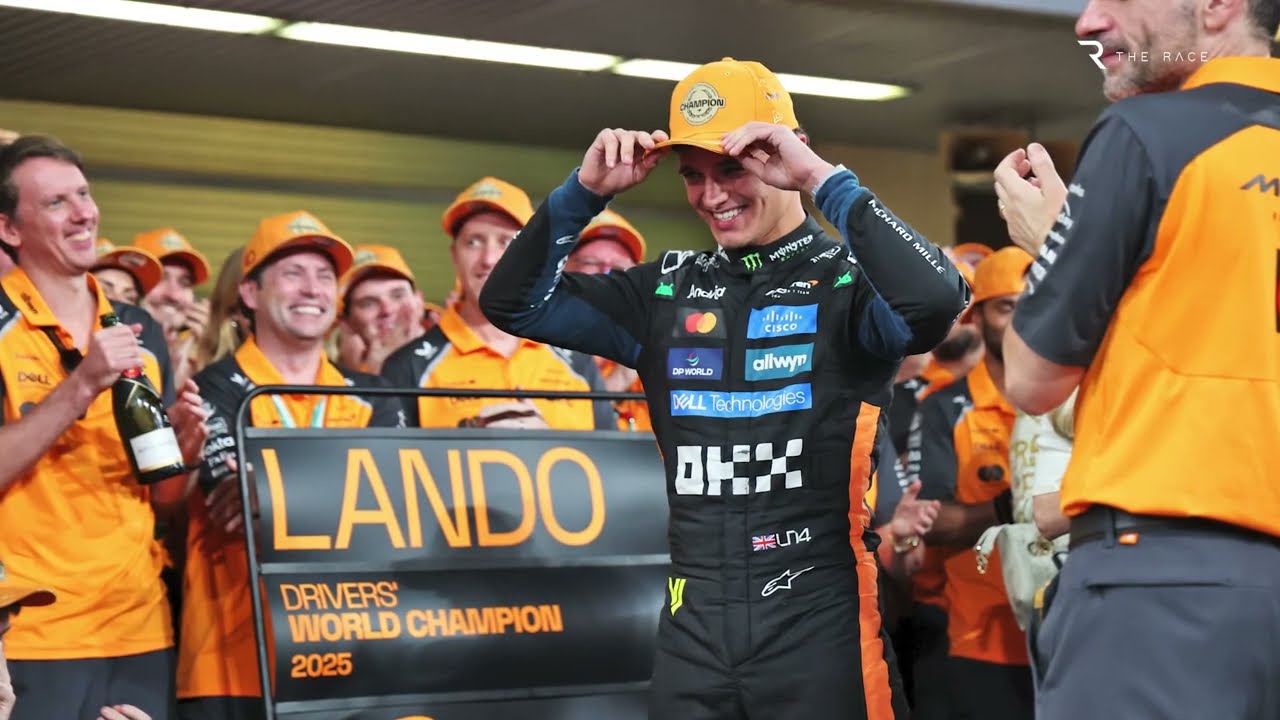
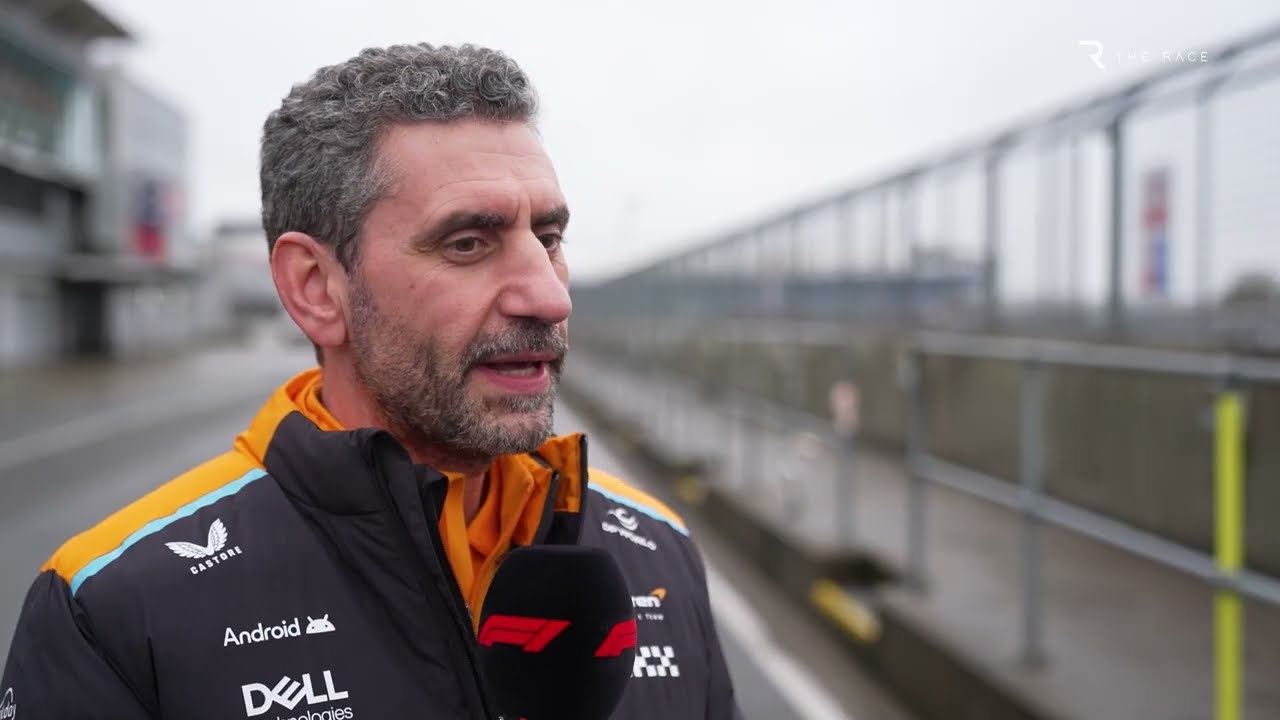
At the heart of this devastating advantage is the 2026 power unit. These new engines rely heavily on a 50/50 split between internal combustion and electrical energy. However, the game has shifted from “who has the most power” to “how do you use it.” This is what McLaren team boss Andrea Stella calls the “new language of F1.” It is the art of energy management—knowing precisely where to harvest energy and, more importantly, exactly where to deploy it.
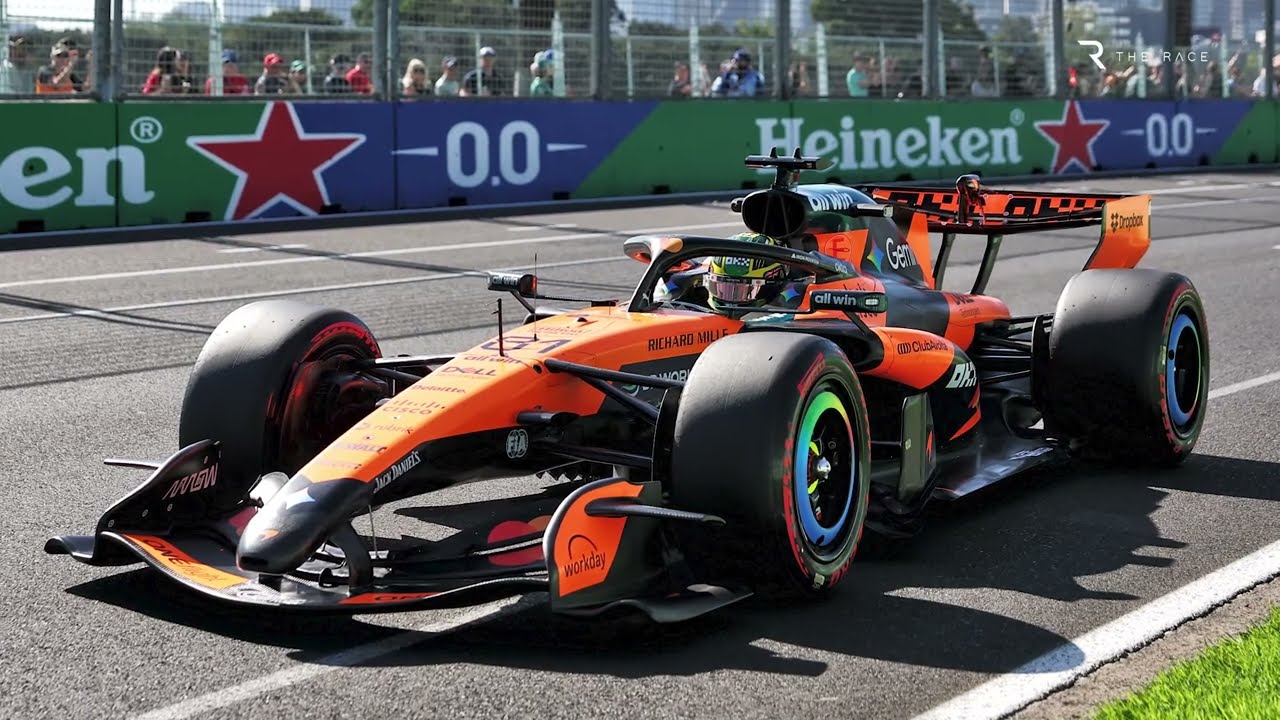
Melbourne served as a rude awakening for everyone not wearing a Mercedes works team shirt. Despite FIA rules mandating that engine suppliers provide identical hardware and software to their customers, the works Mercedes team is operating on a plane of existence far beyond McLaren or Williams. The data from qualifying was particularly stark. James Vowles, the Williams team principal, admitted that his team was caught completely off guard. After analyzing the GPS data, Vowles estimated that Williams is losing three-tenths of a second to the works Mercedes team on “engine understanding” alone. This has nothing to do with the physical engine and everything to do with the “knowledge” of how to calibrate the software for every specific inch of the track.
This knowledge gap is creating a harsh new reality for customer teams. In 2024 and 2025, McLaren proved that a customer team could still win titles by mastering aerodynamics and tire management. But in 2026, the engine and the chassis are so inextricably linked through energy management that being the manufacturer provides an inherent, almost insurmountable edge. Mercedes engineers built the engine; they know its secrets, its quirks, and its limits better than anyone else. While McLaren is out on track reacting to the data they gather, Mercedes arrives at the circuit with a “predictive” model that is already optimized.
The technical breakdown of this advantage is fascinating and terrifying for the competition. Even a tiny difference in battery charge can have a ripple effect that ruins a lap. For example, entering a specific turn with 100% battery charge instead of 98% might seem trivial, but that extra 2% of deployment can be worth a tenth of a second on a subsequent straight. When you multiply that across a dozen sectors, the gap becomes enormous.
A direct comparison between Oscar Piastri’s McLaren and George Russell’s Mercedes during Q3 in Melbourne highlights the disparity. Russell was able to stay on the throttle significantly longer through certain sections, a technique known as “super clipping,” where the motor harvests energy even while at full throttle. This allowed him to unleash a massive burst of power later in the lap, gaining four-tenths of a second in a single high-speed section. Piastri, using the exact same engine hardware, was simply unable to match that deployment strategy because his team didn’t have the same depth of understanding of the system’s limits. In fact, 73% of Piastri’s time loss to Russell occurred in these straight-line deployment zones.
The frustration in the paddock is palpable. Lando Norris, who finished a distant 52 seconds behind the winner, described McLaren as being “nowhere near” where they need to be. While McLaren acknowledges they have chassis deficiencies, the “puzzling” deficit on the straights to their own engine supplier is the real story. It has prompted Andrea Stella to wonder aloud if there are “systemic” factors at play that a customer team simply cannot control. If the works team has a monopoly on the most efficient way to run the hybrid system, then the dream of a customer team winning a world championship in the 2026 era may be dead on arrival.
Mercedes, for their part, remains relatively quiet about their secret sauce. George Russell has suggested that the focus on the engine has actually led people to overlook the quality of their chassis, which he believes is equally strong. However, the sheer scale of their deployment superiority makes it difficult for any other factor to shine through. Mercedes isn’t just winning; they are “killing everyone,” as some paddock insiders have noted, on energy deployment.
The implications for the rest of the 2026 season are profound. Ferrari and Red Bull are working frantically to decode the Mercedes strategy, but they are playing catch-up against a team that has already perfected its symphony. For customer teams, the situation is even more dire. They are essentially competing against their own supplier with one hand tied behind their backs, lacking the institutional knowledge that comes from designing the power unit from the ground up.
As the circus moves to China, the pressure on the chasing pack is at an all-time high. Can McLaren and Williams close the knowledge gap by working more closely with their Mercedes-assigned engineers? Or is the 2026 formula designed in a way that will always favor the works teams? For now, the “low-hanging fruit” of harvesting tactics is the only hope for the rest of the grid. But if Mercedes continues to find even more efficiency within their system, the 2026 season could turn into a one-team show that rivals anything we have seen in the history of the sport.
The message from Melbourne is clear: in the new era of Formula 1, raw speed is nothing without the knowledge to manage it. Mercedes has the book, the map, and the keys to the castle, while the rest of the world is still trying to find the front door.








