The Green Collapse: How Aston Martin’s Billion-Dollar Dream Turned Into a Dangerous Leadership Nightmare
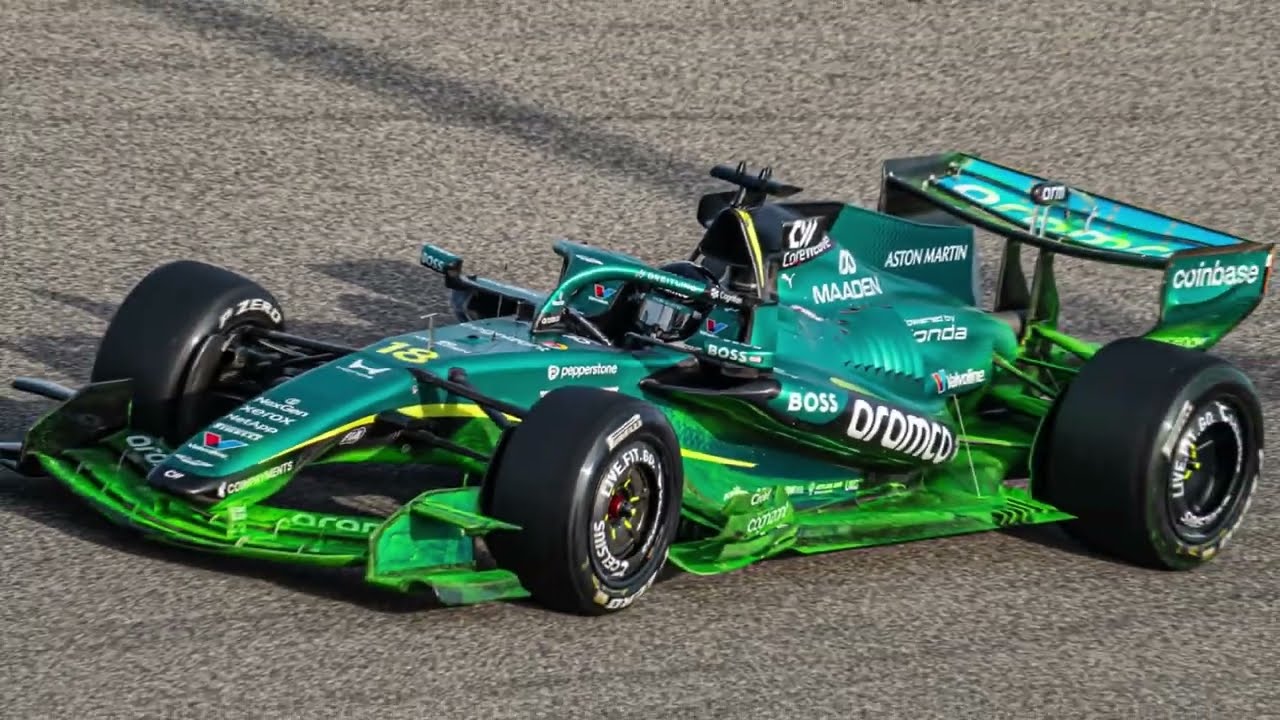
Aston Martin arrived at the dawn of the 2026 Formula 1 season carrying an aura of absolute invincibility. They possessed a state-of-the-art new factory, an exclusive new engine partnership with Japanese powerhouse Honda, the legendary design genius of Adrian Newey, and the kind of limitless ambition that only comes from spending more financial capital than any other constructor in the history of the sport. The stage was meticulously set for a total domination of the grid, a crowning achievement for billionaire owner Lawrence Stroll’s grand vision. Yet, merely two races into this highly anticipated new regulatory era, the terrifying reality could not be further from that dream. Aston Martin currently sits at the bottom of the standings with zero championship points. They have suffered consecutive double retirements, their elite drivers cannot physically complete a full race distance, and their entire leadership structure has publicly, dramatically fractured into pieces. The organization is no longer just struggling with a difficult or underperforming car; they are completely suffocated by a multi-layered crisis that extends from fatal flaws in the power unit straight into the very heart of the corporate boardroom. And unfortunately for everyone wearing green, the situation is getting much darker before it has any hope of getting lighter.
The genesis of this immediate collapse can be traced back to a fundamental error in organizational structure. The initial decision to place Adrian Newey—the most successful aerodynamicist in the history of motorsport—into the high-pressure role of Team Principal always carried an inherent, dangerous contradiction. Newey is undeniably the most influential designer of the modern era, a man individually responsible for an astonishing twenty-six championship-winning cars across his illustrious career. However, his entire professional life has been built exclusively around defining technical direction with surgical precision, utilizing a drafting board to manipulate airflow. His career was never built around managing the cutthroat operational, political, and human demands that come with leading a sprawling Formula 1 organization.
Newey himself inadvertently made this contradiction glaringly explicit when he attempted to explain how he ended up in the Team Principal role in the first place. He described the appointment not as a burning passion, but as a “practical necessity.” He frankly stated that since he was scheduled to be present at the early flyaway races anyway, he “may as well take on the title.” In the ruthless, hyper-competitive shark tank of Formula 1, that is absolutely not the language of a leader who genuinely wanted the job. It is the resigned language of a temporary arrangement made under immense corporate pressure. And history dictates that temporary arrangements at the absolute pinnacle of motorsport rarely, if ever, survive contact with a genuine crisis.
That crisis arrived immediately, violently, and without mercy. Aston Martin touched down in Melbourne for the season opener having logged the fewest testing kilometers of any single team on the grid. They brought with them a Honda power unit exhibiting severe, structural vibration issues and a terrifying shortage of critical spare components, meaning that every single practice session carried the genuine risk of ending their weekend entirely. The team was no longer trying to actively extract maximum performance from the chassis; they were desperately trying to survive their own faulty machinery. When a racing team finds itself backed into that terrifying corner, the role of the Team Principal becomes exponentially more critical. Coordinating the rapid crisis response, ruthlessly prioritizing limited engineering resources, and managing the intense external media pressure are not aerodynamic design problems. They require a completely different, highly specialized kind of operational leadership. And that is exactly the kind of leadership that Aston Martin completely lacked. Consequently, Newey is now officially stepping back from the Team Principal role, leaving a massive power vacuum in his wake.
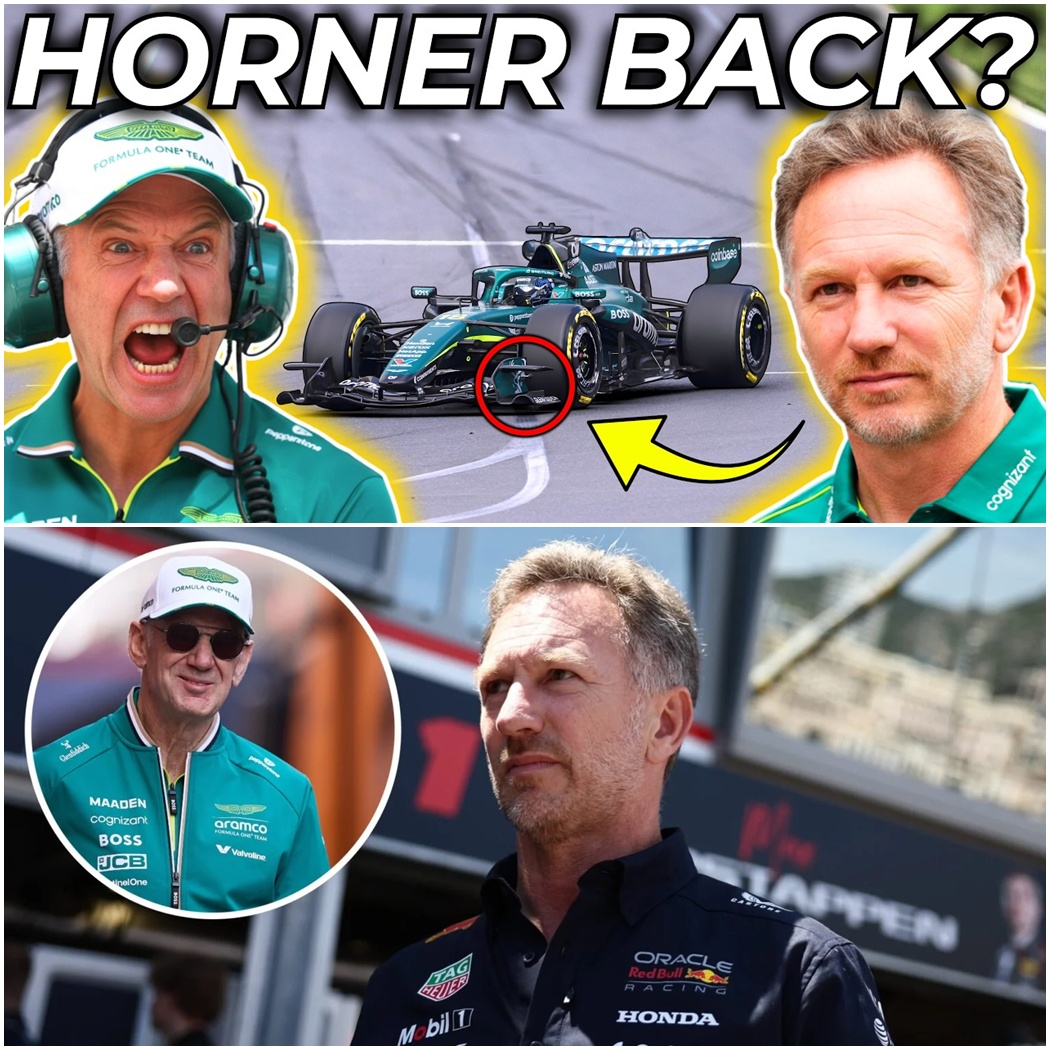
In a normal, functioning organization, a clear succession plan would be immediately activated. Since his highly publicized dismissal from Red Bull Racing, Christian Horner has been aggressively searching for a viable path back into the Formula 1 paddock. He had previously explored purchasing a minority stake in the Alpine team and had held multiple private conversations with Lawrence Stroll. Consequently, Horner’s name was heavily attached to Aston Martin’s leadership search almost from the exact moment Newey’s interim status became public knowledge. On paper, the argument for appointing Horner was undeniably compelling. He is the man who built Red Bull Racing into a juggernaut that captured four consecutive Constructors’ Championships. He expertly managed the most dominant, demanding driver of his generation, and he understands the vicious internal politics of a team operating under immense pressure in a way that very few people in the world can match. Crucially, he had previously worked side-by-side with Adrian Newey for nearly two decades, forging a legendary partnership that produced some of the most technically terrifying and dominant cars in Formula 1 history.
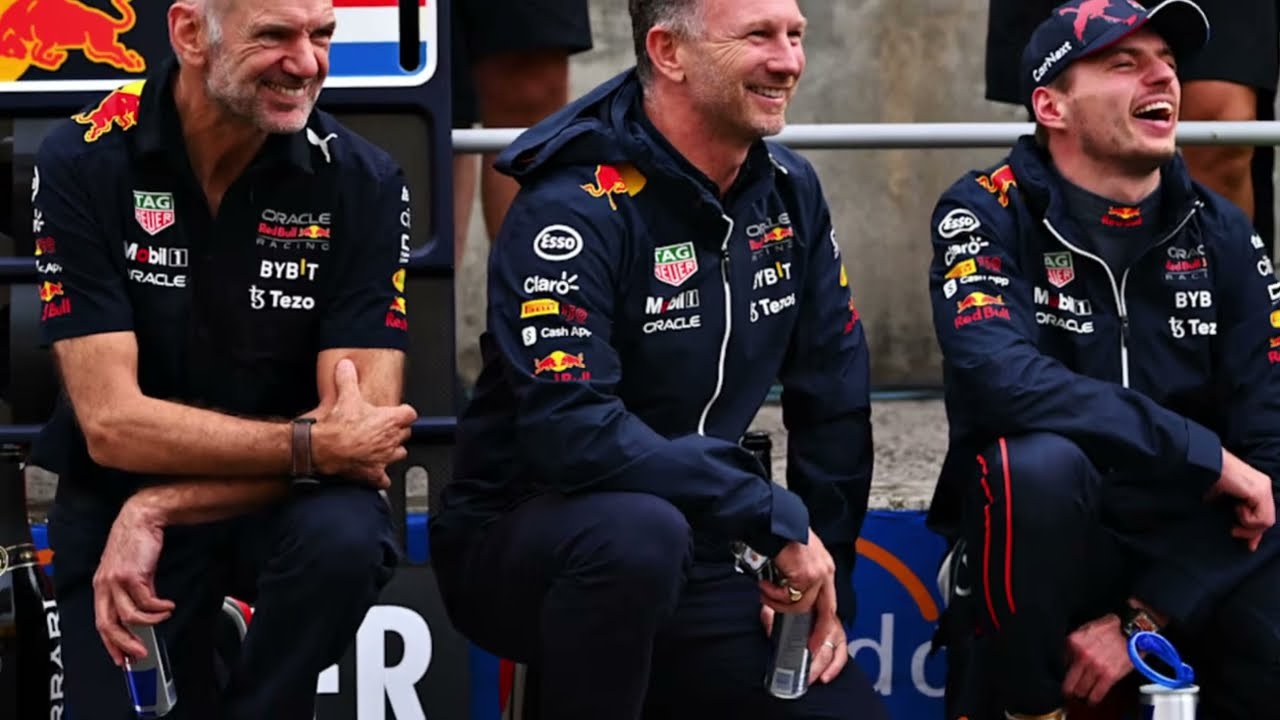
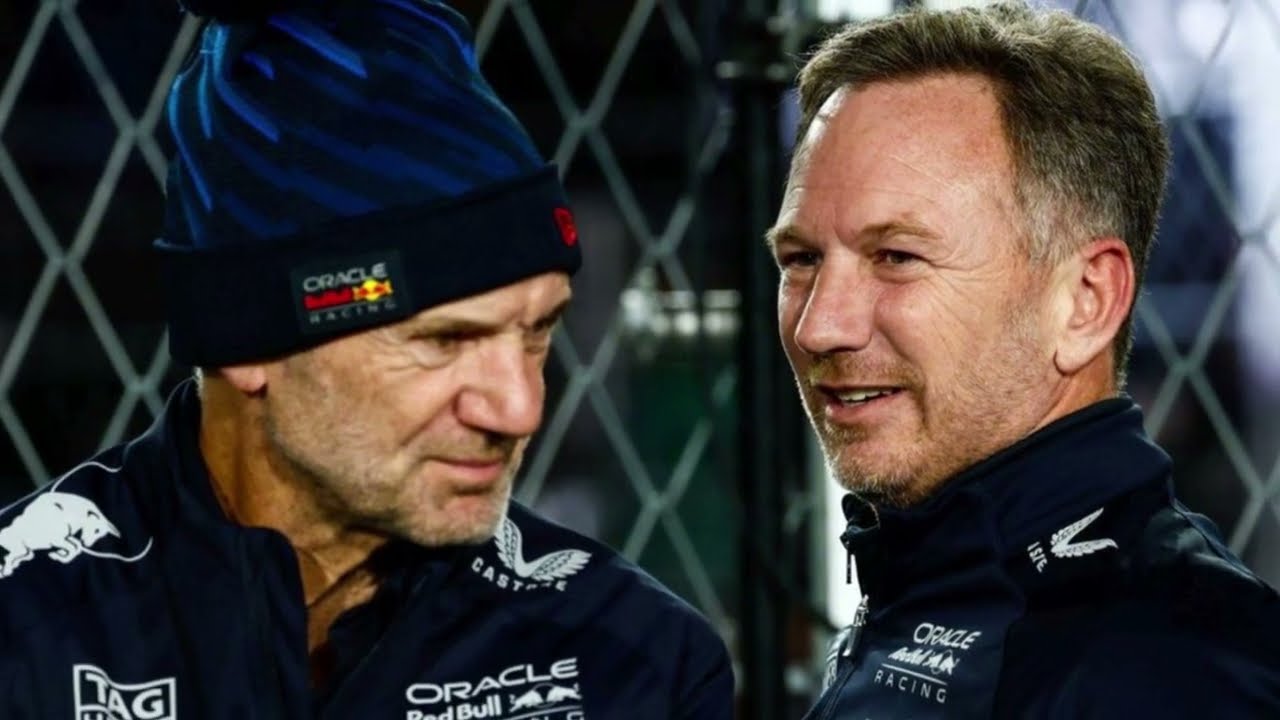
However, that shared history contains a fatal complication that has now entirely derailed Horner’s grand return. The professional relationship between Christian Horner and Adrian Newey deteriorated significantly during the final, turbulent period of their tenure together at Red Bull. In fact, Newey’s ultimate decision to leave the reigning champions was heavily influenced by Horner’s conduct during a period of extreme internal tension and political warfare. While paddock whispers suggest the two men have recently been in communication and their personal relationship has slightly improved, mere improvement is not nearly the same as a willingness to rebuild a high-stakes professional partnership under the most intensely pressurized circumstances either of them has faced in years. According to multiple highly placed sources, Adrian Newey is absolutely not open to working with Christian Horner ever again. He has made that uncompromising position crystal clear to the headhunters conducting the leadership search. Furthermore, Lawrence Stroll—who ultimately desperately needs Newey’s full, undivided commitment to salvage the engineering program—is simply not in a position of power to override that objection.
The immediate result of this paddock drama is that the single candidate who appeared most likely to bring immediate, proven authority and operational experience to a team in deep crisis has been officially eliminated. And he was eliminated not by the team’s ownership, but by the very person whose technical direction the team entirely depends upon for its survival.
With Christian Horner firmly blocked from the premises, the frantic search has narrowed to a significantly smaller pool of elite candidates, and absolutely none of them come without their own major complications. Jonathan Wheatley is widely regarded throughout the paddock as the strongest available option. His vast operational experience as the Sporting Director at Red Bull across multiple championship-winning seasons equips him with a deeply detailed understanding of exactly what a functional, highly competitive Formula 1 team looks like from the inside. Wheatley is currently serving as the Team Principal of the new Audi project, a role he eagerly took on when that massive undertaking needed exactly the kind of experienced, steady operational leadership that Aston Martin currently lacks.
The monumental challenge for Lawrence Stroll is figuring out how to convince Wheatley to abandon a team he has only recently joined for a situation that is objectively vastly more difficult. Former Formula 1 supremo Bernie Ecclestone publicly weighed in on this specific question, astutely noting that the only scenario where it makes logical sense for Wheatley to leave the safety of Audi is if Aston Martin can offer him something significantly more compelling than mere stability. That is an incredibly high bar to clear for a team that is currently completely unable to finish a motor race. Other names, such as Andrea Stella or Andreas Seidl, represent a different profile of available, experienced managers capable of delivering the kind of structured, operational clarity Aston Martin currently lacks. But Wheatley’s deep Red Bull background gives him unparalleled familiarity with the exact kind of ruthless performance culture Adrian Newey is desperately trying to build. Both are entirely logical choices, yet neither is guaranteed to take the poisoned chalice. And the longer this frantic search continues without a definitive resolution, the more the surrounding uncertainty compounds the terrifying, pre-existing problems on the engineering side of the garage.
Whoever eventually summons the courage to take over from Newey will inherit a situation that goes far beyond mere leadership dysfunction or bad press. They will inherit a car that is physically destroying its own drivers. The brand-new Honda power unit is consistently generating internal oscillations and vibrations that are severe enough to repeatedly shatter delicate battery systems. Even more horrifyingly, these vibrations are severe enough to physically injure the men behind the wheel. Newey ominously warned the management about this exact issue before the season even started. He explicitly stated that the intense vibrations carried a terrifying risk of inflicting long-term, permanent nerve damage to the drivers’ hands and arms if they attempted to complete full race distances.
This dark prophecy was devastatingly confirmed during the Chinese Grand Prix. Two-time World Champion Fernando Alonso, a man famously known for his pain tolerance and relentless grit, was forced to withdraw the car on lap 32. He frankly admitted that the team had discovered more violent vibrations during that session than at any prior point in the weekend, and that physically, his body simply could not endure the punishment any longer. Moments later, his teammate Lance Stroll was forced to retire after a mere nine laps with a suspected total battery failure—a direct, catastrophic consequence of those exact same vibrations tearing the internal electrical systems apart. Honda publicly acknowledged the extreme severity of the problem after the race, with their trackside general manager stating that there was absolutely “no excuse” for their shocking lack of reliability and performance.
But public acknowledgment is not an engineering solution. The fundamental root cause of the crisis—the violent internal oscillations within the power unit itself—cannot simply be addressed through clever chassis adjustments, aerodynamic tweaks, or suspension setup changes. It requires hundreds of hours of dedicated engineering time, endless simulation runs, and fundamental hardware modifications that can only be safely implemented during the rare gaps between race weekends. The upcoming five-week break between Japan and Miami represents the absolute most valuable development window Honda has had since the season began. Whether that precious time translates into meaningful, tangible improvement at the Miami Grand Prix remains highly uncertain. But the new Team Principal, whoever they may be, will immediately need to manage the massive expectations of the billionaire owner and protect the physical health of the drivers through a dark period where the fundamental limitation is a mechanical flaw they cannot fix through leadership alone.
Bernie Ecclestone’s sharp assessment of the Jonathan Wheatley situation beautifully cuts through the diplomatic, PR-approved language that surrounds most discussions of this kind. He rightly points out the core problem with attracting any qualified candidate to Silverstone. Leaving a stable project built from the ground up for a team in absolute crisis—one whose power unit is physically harming its superstar drivers and whose leadership structure has visibly, embarrassingly collapsed—requires a level of financial compensation and absolute, dictatorial authority that Aston Martin would need to deliver completely unconditionally.
However, Lawrence Stroll’s approach to team management has historically never been characterized by unconditional transfers of authority. His personal control over the Aston Martin brand is both significant and deeply ingrained. Any incoming Team Principal would need to ruthlessly negotiate not just a fancy job title, but genuine, untouchable operational independence. The track record of that kind of negotiation at Aston Martin is heavily complicated by the sudden departures that immediately preceded this one. Top executives like Martin Whitmarsh and Andy Cowell were moved aside, and now Newey himself is stepping back. The volatile pattern is glaringly visible for Wheatley or any other credible candidate to see. That pattern raises serious, uncomfortable questions that demand concrete answers before any serious employment conversation can even begin.
And every single week those questions go unanswered is another painful week the team operates without the clarity it so desperately needs. Aston Martin unequivocally has the financial resources, they possess the world-class facilities, and they have the most respected technical mind in the history of the sport committed to their engineering program. What they currently do not have is the leadership clarity required to miraculously convert those massive assets into lap time. Adrian Newey stepping back from the management role is undeniably the right decision, a necessary correction of an arrangement that was always doomed to fail. But a correct decision is not a sufficient decision to save a season. The Christian Horner option is entirely gone. The frantic search continues. The green car still cannot complete a race distance. The Honda power unit still physically tortures the drivers. And the next race in Japan is only days away.
Whoever eventually signs the contract to take the Aston Martin Team Principal role will inherit a situation far more complex, dangerous, and toxic than any standard job description could ever fully capture. This crisis is no longer just about fixing a broken race car. It is about desperately rebuilding shattered trust, establishing operational clarity, and finding a clear direction inside an organization that has been operating under immense, unsustainable strain since before the season even began. That healing process takes an immense amount of time. And time is exactly what Aston Martin does not currently have.