The End of the Chaos? How “Dr. Crazy” Plans to Save Audi from a 14-Year Identity Crisis
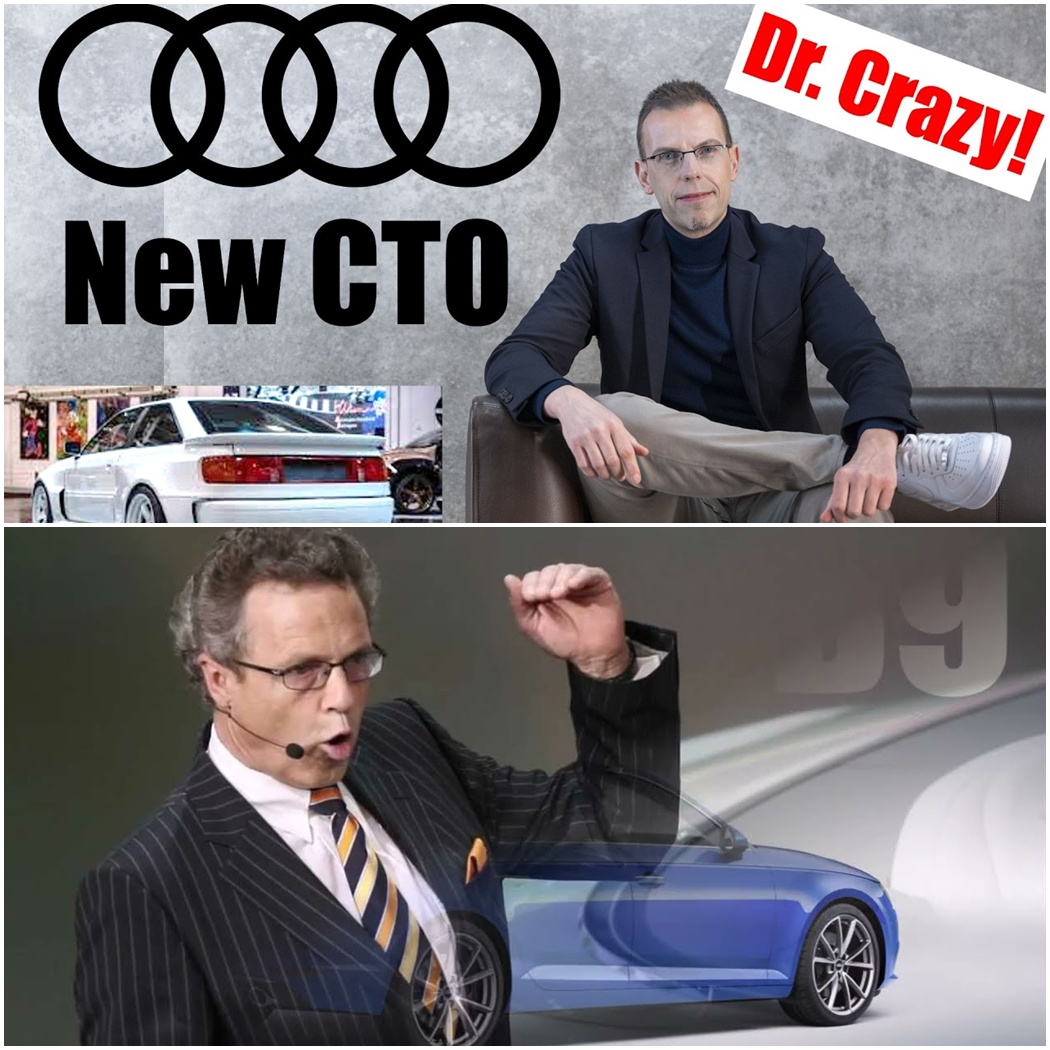
Audi, a brand historically synonymous with groundbreaking engineering and the iconic “Vorsprung durch Technik” ethos, has been weathering a quiet but devastating storm for the past fourteen years. Behind the gleaming showroom floors and the roaring engines lies a corporate labyrinth plagued by a seemingly endless game of musical chairs in its upper management. While the position of Chief Executive Officer has certainly seen its fair share of turbulence, the most significant and damaging instability has occurred in the role of Chief Technology Officer. For over a decade, this revolving door has severely crippled the brand’s ability to innovate, resulting in delayed projects, spiraling costs, and vehicles that feel more like corporate compromises than engineering marvels. But the automotive landscape is about to experience a massive seismic shift. Audi has officially appointed a new CTO, and he is entirely unlike any executive who has walked the halls of Ingolstadt before. Enter Rouven Mohr, affectionately and famously known throughout the automotive enthusiast community as “Dr. Crazy.”
To truly appreciate the magnitude of this new appointment, one must first understand the devastating corporate paralysis that has gripped Audi’s technical development department since 2012. The roots of this instability trace back to the departure of long-term CTO Michael Dick, who was essentially forced into an early retirement. He was quickly replaced by Wolfgang Dürheimer, setting off a chain reaction of chaos that would haunt the brand for years. In any massive corporate structure, the arrival of a new boss brings an immediate and grinding halt to ongoing productivity. Every department instinctively stops its core work to wait for the new overarching strategy. Existing, heavily funded projects are abruptly canceled, while entirely new initiatives are drawn up from scratch. Countless hours are wasted as mid-level managers scramble to present their specific departments as the most vital to the incoming executive. While this is a somewhat standard transition period for any business, at Audi, this disruptive reset button was being pressed every one to three years.
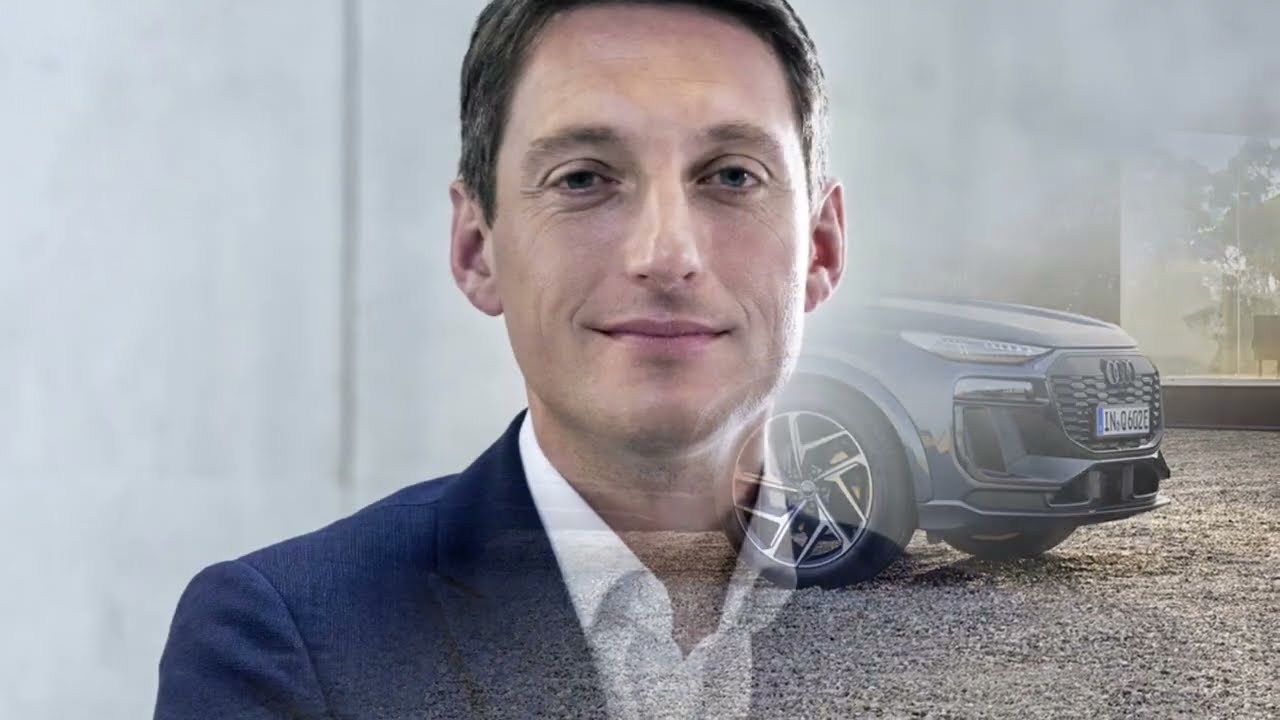
This staggering inconsistency decimated Audi’s development speed. Dürheimer created such an unprecedented level of internal chaos that Volkswagen Group’s upper management felt compelled to intervene, sending their absolute best engineer, Ulrich Hackenberg, to clean up the mess after just a single year. Hackenberg might have been the stabilizing force Audi desperately needed, but his tenure was tragically cut short when he was forced to leave amidst the devastating fallout of the 2015 diesel emissions scandal. The inconsistency dragged on, bleeding directly into the quality and identity of Audi’s consumer products. The most recent casualty of this chaotic position was Jeffrey Buku, a French manager whose background was heavily focused on software rather than automotive engineering. Buku had virtually no prior connection to cars and struggled to gain popularity or respect within Audi’s fiercely traditional technical development teams. Unsurprisingly, after just one grueling year, he too was shown the exit.
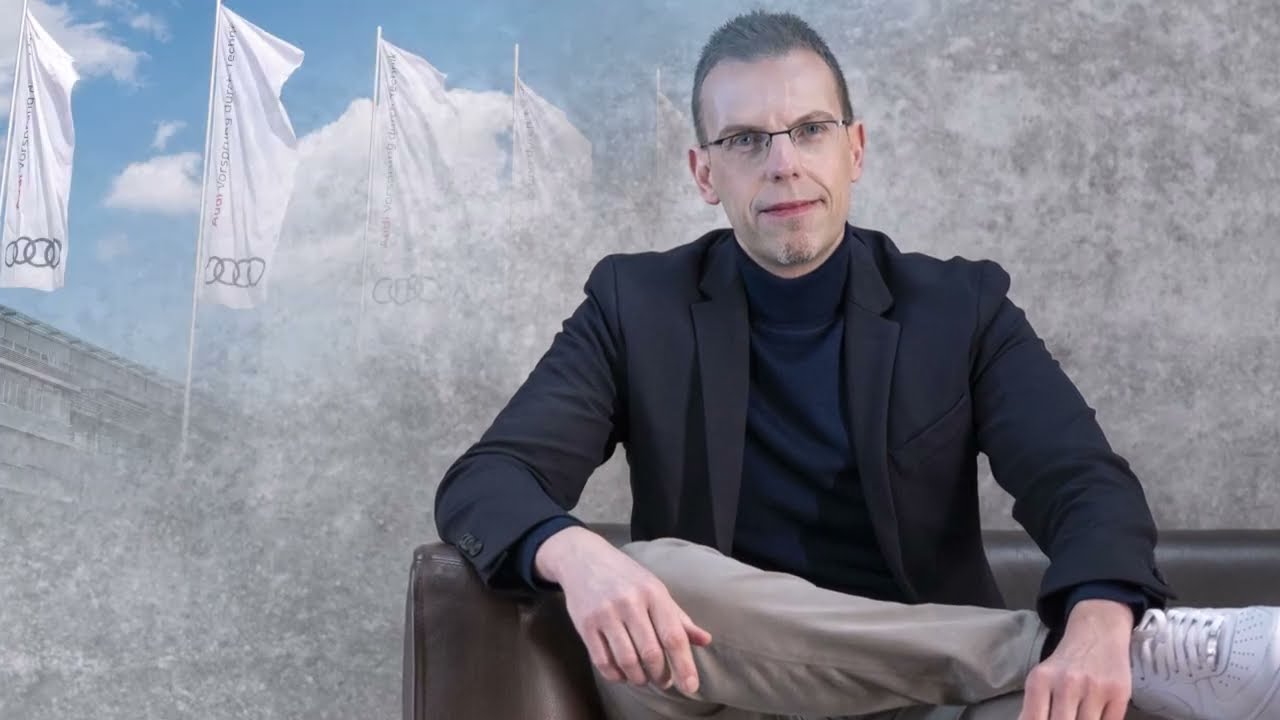
Just as the automotive world began to wonder if Audi was forever doomed to wander in the wilderness of corporate mismanagement, a beacon of hope emerged. Taking over the CTO position on the 1st of March is Rouven Mohr, a man whose reputation precedes him in the most spectacular way possible. Mohr is not another disconnected suit imported from a tech firm, nor is he a sterile corporate manager who views vehicles purely as numbers on a spreadsheet. He is a genuine, dyed-in-the-wool petrolhead and a wildly passionate engineer. He has previously held higher management positions at Audi, meaning he fundamentally understands the unique culture, the internal politics, and the historical weight of the four rings.
What makes Mohr truly exceptional is his deep, authentic connection to car enthusiasts. Over a decade ago, he proudly represented Audi in a variety of highly popular YouTube collaborations, cementing his status as a fan favorite in the automotive community. He isn’t just aware of the vibrant car tuning scene; he is an active, enthusiastic participant in it. He famously collaborated with heavyweights like JP Performance and Prior Design to develop a jaw-dropping widebody kit for his own personal Audi S2. This level of personal investment in automotive culture is virtually unheard of at the executive level of legacy automakers. Mohr knows every intricate detail about Audi’s underlying technology because he lives and breathes it. He is precisely the kind of visionary technical leader that enthusiasts and engineers alike dream of working alongside.
Furthermore, Mohr arrives armed with a flawless recent track record from one of the most demanding performance brands on the planet. Over the past few years, he served as the Chief Technology Officer for Lamborghini, expertly managing the incredibly complex transition from traditional naturally aspirated engines to cutting-edge hybrid drivetrains. Under his watchful eye, Lamborghini successfully launched the Revuelto and the Temerario, proving that environmental compliance does not have to come at the cost of visceral emotion and raw performance. Mohr is also an unapologetic motorsport fanatic. This particular passion is an absolute godsend for Audi at this exact moment in time, as the company gears up for its highly anticipated, high-stakes entry into the Formula 1 World Championship. Having a CTO who intrinsically understands the value, mechanics, and marketing power of top-tier motorsport will give Audi a vital competitive edge.
However, taking the helm as Audi’s Chief Technology Officer is not merely a victory lap for Mohr; it is an initiation into an immediate trial by fire. The desk he inherits is overflowing with critical, existential challenges that threaten the very fabric of the brand’s future. One of the most glaring issues is the financial and logistical fallout from their corporate sibling, Porsche. Porsche recently decided to cancel their joint 718 sister project, a move that leaves Audi entirely exposed. Because of this sudden cancellation, Audi’s promising Concept C could become exponentially more expensive to bring to production, as they are now forced to shoulder the massive development costs alone rather than splitting the financial burden across two brands.
Beyond hardware, the new CTO must urgently address a catastrophic software situation. Audi’s software development timeline, tangled up with Cariad, Rivian, and Xpeng, has devolved into an absolute mess that desperately requires decisive sorting out. Software glitches and delayed digital rollouts have plagued the Volkswagen Group for years, and Mohr will need to leverage all of his engineering discipline to bring these sprawling partnerships under control. Additionally, he faces a bizarre and confusing branding crisis in the crucial Asian market. With the introduction of the new Chinese subbrand, simply named “AUDI” in all capital letters, the company made the highly controversial decision to abandon the classic four rings. They are now designing and selling vehicles bearing the same name, completely devoid of the iconic logo, for a significantly lower price point, and incredibly, at the very same dealerships. This strategy risks severely diluting the premium cachet of the brand, and a proper, globally coherent naming convention must be established immediately.
Furthermore, Audi’s electric vehicle lineup, particularly the models built on the Premium Platform Electric (PPE) architecture, is in desperate need of a reputation overhaul. These foundational electric vehicles must prove their long-term reliability and help the brand project an aura of self-confidence once again. The good news is that Mohr is joining the company at a critical inflection point where upper management seems to have finally woken up. Audi has officially registered the overwhelmingly negative feedback from its alienated customer base and is actively pivoting back to the core values that made the brand a powerhouse in the first place.
Under the guidance of their new CEO, a multitude of broader corporate decisions are finally pointing in the right direction. Audi is aggressively returning to what it does best: crafting high-quality, luxurious interiors, reinstating tactile physical buttons over frustrating touchscreens, pushing the boundaries of genuine technical innovations, and returning to the clean, straight, and timeless design language that defined their golden era. The Concept C served as a mouth-watering taste of what these future models could look like, provided Mohr can navigate the financial hurdles left by Porsche.
As Rouven “Dr. Crazy” Mohr steps into his new office this March, the entire automotive industry will be watching with bated breath. He possesses the profound technical knowledge of a seasoned engineer, the ruthless efficiency of a top-tier executive, and the unbridled passion of a teenage car enthusiast. With his extensive contacts from Lamborghini and his deep understanding of high-performance architecture, whispered rumors of a glorious reintroduction of an Audi R8 successor are suddenly feeling incredibly realistic. For the first time in fourteen years, the chaos in Audi’s technical department might finally be over. The ultimate question remains: Can Audi turn things around and reclaim its rightful place at the pinnacle of German engineering? With Dr. Crazy firmly in the driver’s seat, the odds have never looked better.