Aston Martin’s Silence Speaks Volumes: How Honda is Exposing the Real Problem With the AMR26
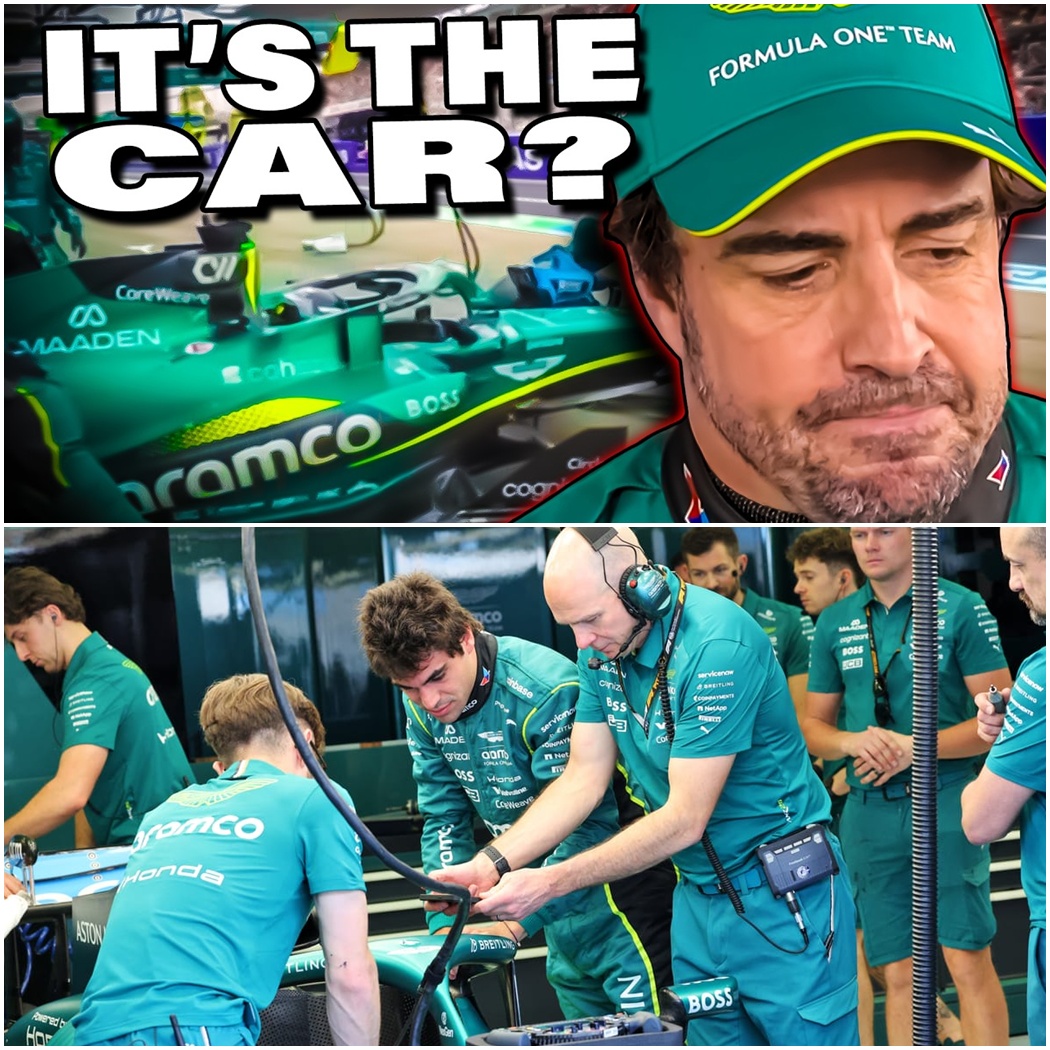
The 2026 Formula 1 season has been nothing short of a waking nightmare for Aston Martin. For months, the narrative surrounding the team has been dominated by tales of brutal, unmanageable vibrations tearing the AMR26 apart, leaving incredibly talented drivers like Fernando Alonso and Lance Stroll physically battered and fighting just to keep the car on the asphalt. The immediate, almost instinctual reaction from the paddock and the public was to point fingers at the new kids on the block: Honda. However, as the dust settles following the Japanese Grand Prix at Suzuka, a radically different and far more complex story is beginning to emerge. Honda might actually be finding the cure, but in doing so, they are glaringly exposing a much bigger problem—and it points directly at Aston Martin’s own chassis.
To fully understand this monumental shift in the paddock’s dynamic, we have to look at the subtle but vital victories achieved at Suzuka. By all traditional metrics, celebrating an 18th-place finish is entirely ridiculous for a team with championship aspirations. But when Fernando Alonso crossed the checkered flag in Japan, it marked a profoundly significant milestone: the team’s very first full race distance completion of the year. After weeks of fretting over whether the car could even survive half a Grand Prix without vibrating itself into a million pieces, crossing the finish line was a monumental sigh of relief. Even Lance Stroll’s retirement offered a glimmer of hope; his car failed due to a conventional water pressure issue, not the feral, bone-rattling shaking that has defined their season so far. Progress, no matter how agonizingly slow, is finally happening.
But with this newfound stability comes a harsh reality. When a Formula 1 car stops acting like an unpredictable, violent monster and starts suffering from normal mechanical faults, the blame game inherently shifts. Aston Martin can no longer hide behind the convenient excuse that the entire package is fundamentally broken. Someone has to step up, take ownership of the crisis, and figure out exactly why the AMR26 becomes practically undrivable the moment the power unit and the chassis are bolted together.
This is where Honda’s masterful, incredibly transparent communication strategy comes into play. While Aston Martin has retreated into the shadows, relying on heavily sanitized, cookie-cutter PR statements, Honda’s leadership has been aggressively controlling the narrative. Koji Watanabe, the head of Honda Racing, publicly stated that the battery side of the vibration problem was essentially resolved by the Chinese Grand Prix. Furthermore, Honda’s trackside manager, Shintaro Orihara, proudly reported that the manufacturer brought a brand-new experimental part to Friday practice in Suzuka.
The results of that Friday experiment were nothing short of eye-opening. According to Alonso, this new Honda component reduced the horrific vibrations by an astonishing 80 percent from his perspective in the cockpit. While it didn’t eradicate the issue entirely, it transformed the AMR26 from a dangerous, nerve-damaging weapon back into a manageable race car. Naturally, Honda removed the part ahead of Saturday’s competitive sessions—a standard operating procedure for teams testing highly experimental upgrades to ensure long-term reliability—but the data had already been harvested. The experiment proved, unequivocally, that Honda is actively finding solutions and that the engine itself is far from a “duff motor.”
In plain, undeniable engineering terms, Honda is politely but firmly broadcasting to the world that the root of the nightmare lives squarely in the integration. The vicious shaking is a severe case of mechanical resonance—two incredibly complex components vibrating at near-identical frequencies, turning a minor quirk into a catastrophic failure. The engine operates perfectly on the dyno in Sakura; it only turns feral when physically installed into Aston Martin’s notoriously fussy chassis.
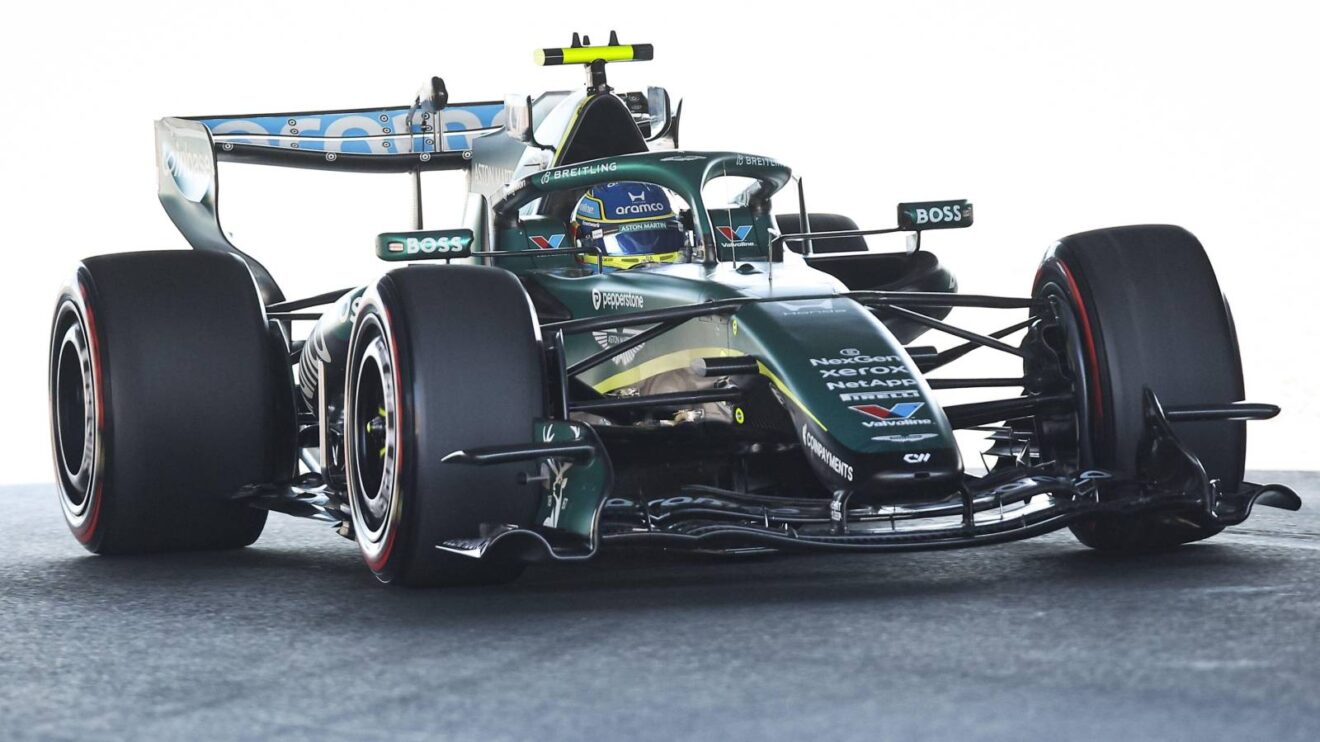
The contrast in public relations between the two camps right now is staggering, and it speaks volumes about the internal realization happening at Silverstone. Just weeks ago, Aston Martin’s tone was brutally defensive. In Melbourne, legendary designer Adrian Newey was openly discussing the risk of nerve damage, loudly laying the blame at the feet of the powertrain. Fast forward to Suzuka, and the tone from Aston Martin has gone completely vanilla. Team Principal Mike Krack is now robotically mumbling about “incremental improvements,” while Stroll has stopped acting like the sky is falling and is instead discussing the importance of simple mileage and data collection.
This sudden, incredibly sedate shift in messaging is a massive tell. Aston Martin’s technical brass—including heavyweight names like Enrico Cardile, Andy Cowell, and Newey—are slowly realizing that they cannot bluff their way out of this crisis. They are no longer a passive customer team buying engines off the shelf; they are a fully-fledged works operation, and right now, they are failing to hold up their end of the bargain. Honda is actively proving that the AMR26 is suffering from an agonizingly narrow operating window, and every tiny mechanical tweak the team makes threatens to push the car back into a disastrous state of vibration.
Honda’s refusal to quietly absorb the blame is completely intentional. The Japanese manufacturer clearly remembers the disastrous, highly publicized McLaren-Honda era of the 2010s. Back then, Ron Dennis and the McLaren leadership controlled the narrative, allowing the media to paint Honda as entirely incompetent, only to later realize that McLaren’s own “size-zero” packaging and fundamental chassis design were equally at fault. Honda has learned their lesson. They are leaving an extensive, highly visible public paper trail. They are doing interviews, sharing hard data, and proving they are doing their part to triage the situation. They are essentially demanding that Aston Martin step into the light and share the accountability, much like Max Verstappen and Red Bull successfully did to build a championship-winning culture.
The truth is, Aston Martin took a massive, arguably reckless gamble heading into 2026. Instead of staggering their technical updates over several seasons, they simultaneously introduced a brand-new rear suspension, a completely redesigned gearbox, and integrated an entirely new Honda power unit all at once. They threw far too many radical variables into the mixing pot, and the resulting chemical reaction blew up in their faces.
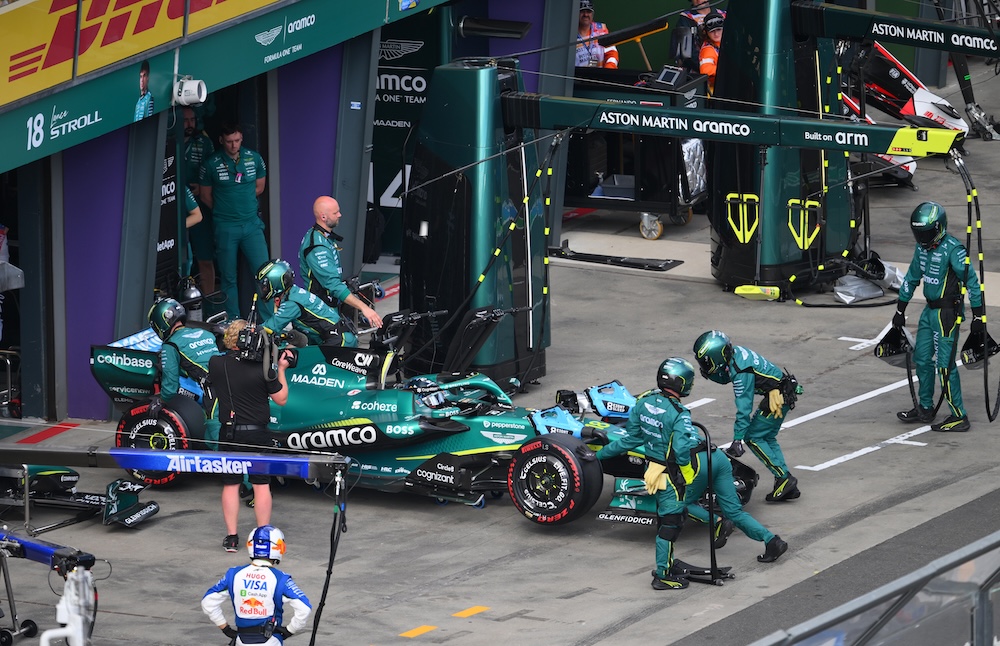
While the situation remains dire, the path forward is finally illuminated. The sprawling, amorphous monster of a problem has been cleanly segmented into manageable tasks: ensure battery survival, fix driver comfort, cure the integration resonance, and finally, find the actual pace deficit. Honda has demonstrably made massive strides on the first two fronts. Now, the burden of proof swings violently back to the green team. As the circus heads towards Miami, the glaring spotlight is no longer on the Japanese manufacturer. It is firmly locked on Aston Martin, waiting to see if they possess the technical humility and engineering prowess to fix the chaotic mess they helped create.








