The Unstoppable Rise: How Max Verstappen Became Formula 1’s Ultimate Enigma
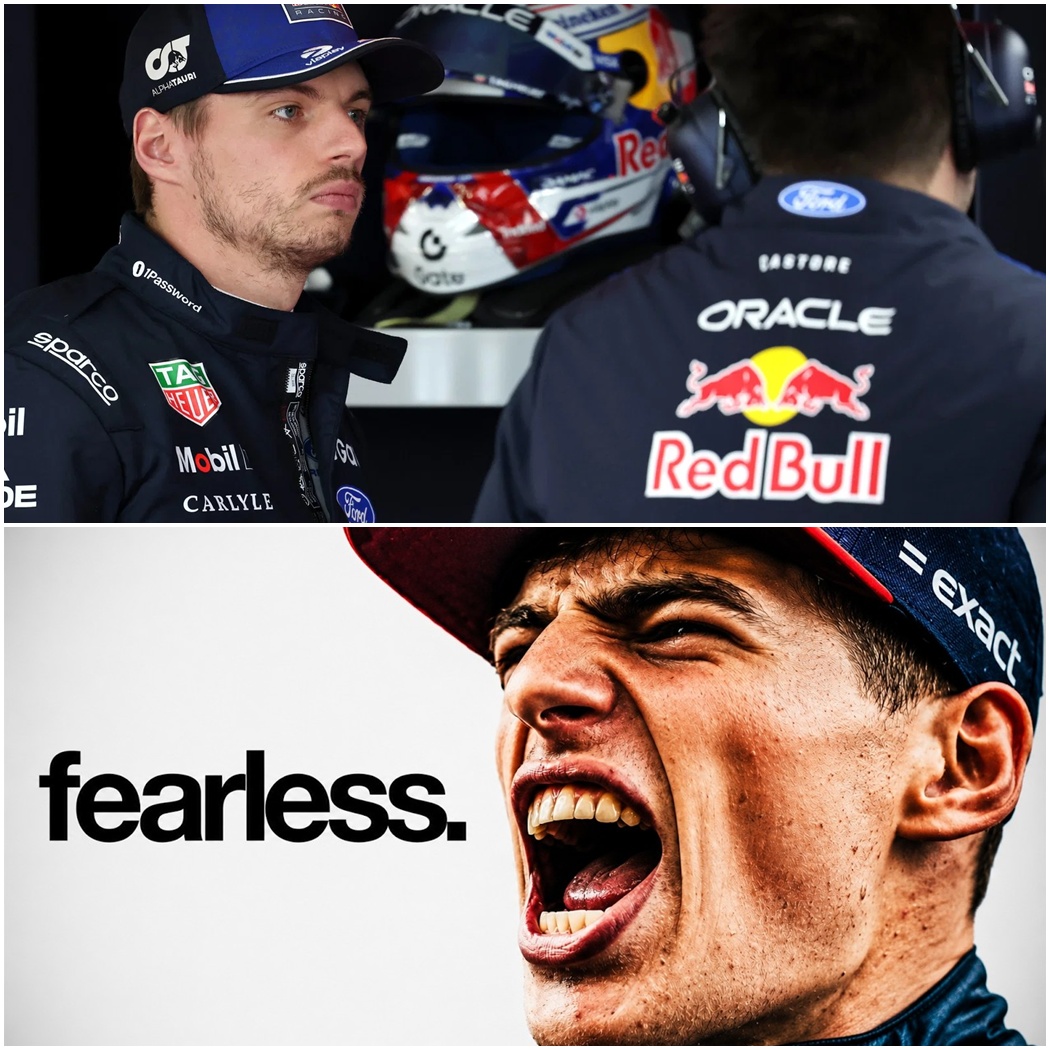
In the high-octane, precision-obsessed world of Formula 1, there are established protocols for how a young driver should rise through the ranks. Usually, it is a slow, methodical progression through junior categories, followed by a tenure at a midfield team to learn the ropes. But in 2016, those traditions were shattered by a teenager named Max Verstappen. His ascent to Red Bull Racing was not merely a promotion; it was a seismic event that shook the foundation of the sport, triggered a flurry of controversy, and ultimately redefined the boundaries of what is possible on a racetrack.
The story begins in the most unexpected of places: a lunch meeting. For an 18-year-old Verstappen, life was progressing at a manageable pace until Red Bull advisor Helmut Marko delivered the news that would alter his trajectory forever. With the swiftness of a single conversation, Verstappen found himself replacing Daniel Kvyat at the senior Red Bull team. The transition was abrupt, leaving the young Dutchman with mere days to prepare for the biggest opportunity of his life. The skepticism from the paddock was palpable. Critics argued that age is not just a number; it is a measure of experience, composure, and maturity—qualities they felt an 18-year-old simply could not possess.
The pressure at the 2016 Spanish Grand Prix was suffocating. Every eye in the paddock was fixed on the young debutant, waiting for the inevitable mistake. Yet, Verstappen defied the odds during qualifying, securing a respectable P4 position, starting just behind his teammate and ahead of both Ferrari drivers. However, qualifying was only the prelude. As the lights went out on race day, the events that followed would be etched into the annals of racing history.
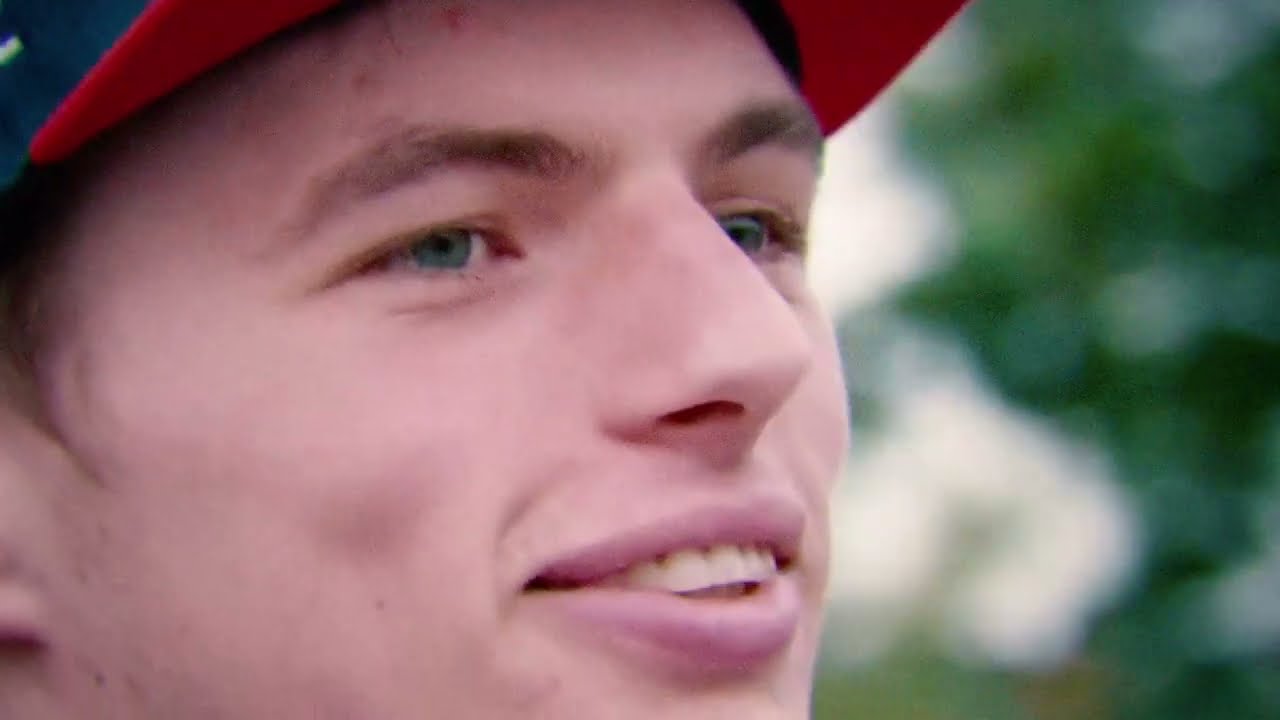
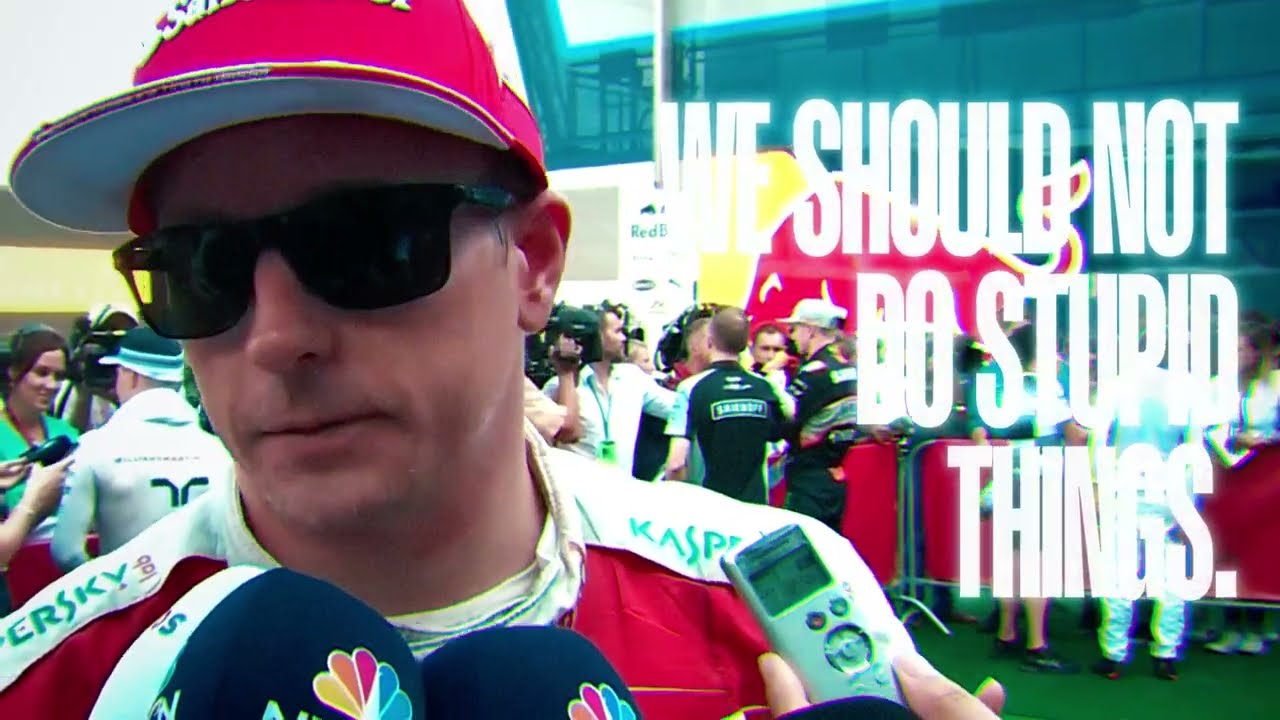
The race start was chaotic. A massive collision between the two Mercedes drivers, Lewis Hamilton and Nico Rosberg, removed the sport’s two titans from the equation, suddenly opening the door for the Red Bulls. Following a tactical shift, Verstappen found himself leading the Grand Prix at just 18 years and 227 days old. The final 22 laps were a masterclass in defensive driving. With the seasoned champion Kimi Raikkonen breathing down his neck, Verstappen demonstrated a maturity that belied his years. He held his nerve, managed his tyres, and crossed the finish line to become the youngest winner in Formula 1 history. The disbelief in the paddock was absolute; the impossible had become reality.
However, success in Formula 1 is rarely a straight line. Following his maiden victory, Verstappen quickly became the most polarizing figure in the sport. His driving style, characterized by extreme aggression and a refusal to yield, drew sharp criticism from veterans and fans alike. Detractors labeled him a “dangerous” driver, someone who treated the high-stakes world of F1 like a PlayStation game. They argued that he lacked the finesse and tactical awareness of his peers, preferring to muscle his way through gaps that simply did not exist.
The controversy peaked during several high-profile incidents where his defensive tactics forced the FIA to intervene. Other drivers complained bitterly on the radio, with some comparing his behavior to that of a frustrated child. These moments of tension underscored a fundamental clash of philosophies: the old guard, valuing established etiquette and respect for space, versus a new, relentless generation represented by Verstappen, for whom the track was a battleground where any gap was an opportunity to be seized.
Despite these accusations, the young Red Bull driver remained undeterred. He continued to rack up podiums, proving that his performance in Spain was no fluke. Yet, the definitive moment of his rookie season—and perhaps the one that truly defined his character—arrived at the Brazilian Grand Prix.
The conditions in São Paulo were treacherous. Rain hammered the track, leading to a race that was defined by safety cars, red flags, and near-misses. While the rest of the field struggled to keep their cars on the asphalt, Verstappen seemed to operate on a different plane of existence. He opted for lines that others feared to tread, seeking out grip in the spray and braking late into corners with a confidence that bordered on insanity. He effectively rewrote the textbook on wet-weather driving that day.
His race, however, was not without drama. A strategic gamble by Red Bull to fit him with full wet tyres backfired, forcing him down to 16th place with only 16 laps remaining. What followed was arguably one of the most incredible recovery drives in the history of the sport. With the clock ticking and the field ahead of him, Verstappen launched an offensive that bordered on the superhuman.
He carved through the field, overtaking driver after driver with surgical precision. The challenge was compounded by the need to overtake his own teammate, Daniel Ricciardo—a task notoriously difficult because they possessed identical machinery. Once he cleared that hurdle, he didn’t just catch up; he hunted down the leaders. His move on Sebastian Vettel, where he navigated a narrow gap while Vettel squeezed him toward the grass, was the ultimate display of his “nothing to lose” mentality. He finished the race on the podium, leaving spectators and commentators alike in awe of the sheer audacity he had displayed.
By the end of that season, the conversation had shifted. The initial skepticism had transformed into grudging respect, and for many, genuine admiration. The teenager who had been dismissed as a “dangerous rookie” had demonstrated that he possessed a unique, instinctive talent that set him apart. He had forced the sport to adapt to his intensity, and in doing so, he had effectively claimed his seat at the table of greatness.
Looking back, the 2016 season serves as the origin story for the force that is Max Verstappen. It was a year characterized by trials by fire, where every criticism served as fuel, and every controversy was a learning experience. It proved that in a sport often caught up in the details of aerodynamics and engine specs, raw, unfiltered human talent still holds the power to change everything.
The legacy of that season is not just found in the records he broke or the podiums he secured; it is found in the way he fundamentally changed the perception of what a young driver could achieve. He walked into a world of giants, challenged them on their own terms, and refused to back down even when the world told him he was wrong.
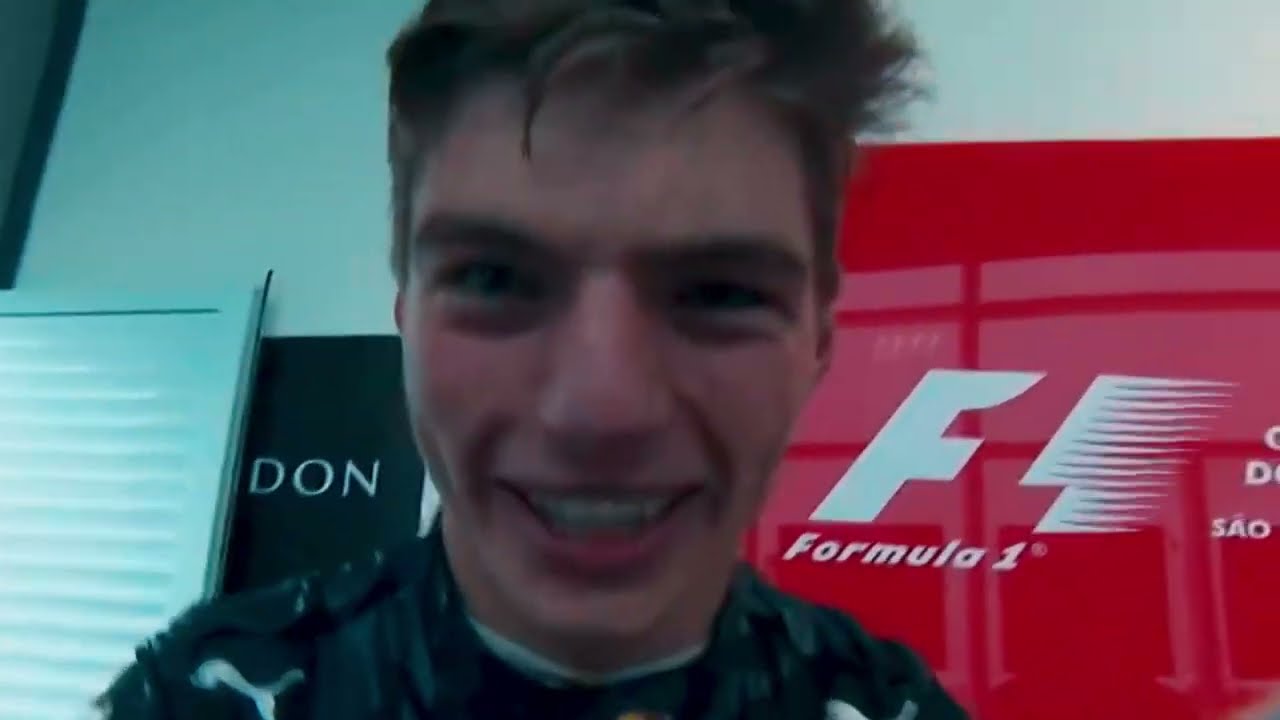
Today, when we analyze the dominant performances we see in the sport, we are witnessing the refinement of the traits displayed during that inaugural season. The aggression has been tempered by experience, and the raw speed has been sharpened into a weapon of surgical precision. But the core spirit remains unchanged: a driver who thrives on the edge, who views “safe and forgettable” as a fate worse than failure, and who continues to push the boundaries of what is possible in the most technologically advanced sport in the world.
The journey from the lunch meeting that launched his career to the world champion he would eventually become is a testament to the idea that some people are simply born to race. While the path may be strewn with controversy and the scrutiny of millions, those who truly love the sport recognize that it is precisely these kinds of characters that make Formula 1 worth watching. They are the ones who challenge the status quo, who force us to question our assumptions, and who, at the end of the day, remind us exactly why we fell in love with the sport in the first place: the pursuit of perfection, the courage to be bold, and the relentless drive to win.
As we look toward the future of the sport, it is clear that the impact of that 2016 season will be felt for years to come. Verstappen didn’t just join the grid; he announced his arrival with a roar that could not be silenced. For the fans, it was the beginning of an era. For the other drivers, it was a wake-up call. And for history, it was the moment the sport found its next icon. The teenage prodigy who was once labeled a problem has, through sheer force of will, become the standard-bearer for a new generation of racing excellence.








