The Secret Patch That Saved Formula 1: Inside the High-Stakes Technical Reset in Miami
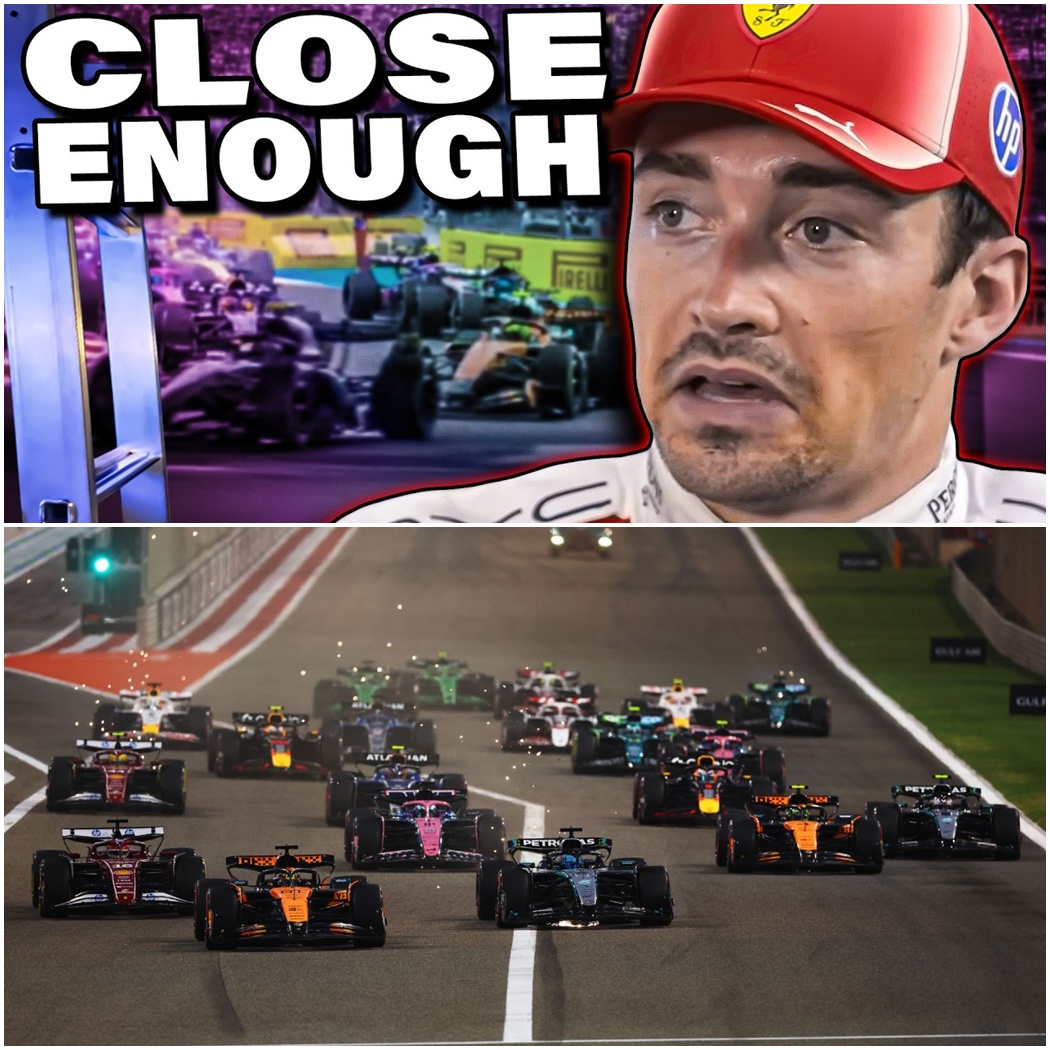
For the past several months, the 2026 Formula 1 World Championship has felt less like a premier global sporting event and more like a high-tension corporate product meeting that accidentally featured a few racing cars. The introduction of the radical new regulations—heavily focused on a massive shift toward electrical power and complex energy management—initially triggered a wave of profound confusion and widespread frustration that threatened to alienate even the most dedicated long-term fans. We were suddenly bombarded with a brand-new, alien vocabulary of “super clipping,” “mega-joules,” and “energy harvesting,” while the world’s greatest drivers were being forced to “lift and coast” in a way that went against every competitive instinct they had honed since their early karting days. However, as the dust finally settles on the vibrant Miami Grand Prix, an unusual and almost unsettling feeling has permeated the paddock: Formula 1 finally felt normal again.
This sense of normalcy was not the result of some magical, overnight disappearance of the complex 2026 ruleset. Instead, it was the outcome of a highly significant, high-stakes technical “patch” introduced by the FIA in a desperate attempt to lower the emotional and technical temperature of the sport. After three grueling races characterized by constant rulebook-bashing and public lamentations from drivers like Max Verstappen and Lando Norris, the Miami weekend offered the first tangible sign that the governing body had finally listened to the intense feedback from the grid. This was the moment the sport stopped trying to sprint on a broken leg and finally applied a necessary, stabilizing cast to its fractured public image.
The core of the problem leading up to Miami was a fundamental disconnect between the digital simulations and the physical reality of the racing. The initial 2026 framework had left drivers feeling more like energy managers than actual racers. The phenomenon of “super clipping”—where the electrical deployment would abruptly cut out at the end of long straights—not only made the cars look unnaturally slow but also created dangerous speed differentials that had already contributed to a major crash in Japan. Drivers were vocal in their disdain, with many feeling that their years of professional training were being rendered obsolete by a battery system that seemed to dictate the rhythm of the race regardless of their skill behind the wheel.
Faced with a mounting public relations disaster and a genuine rebellion from its star athletes, the FIA, led by technical director Nikolas Tombazis, finally intervened. The Miami Grand Prix became the testing ground for a comprehensive “energy framework” update. The maximum recharge target for the batteries was lowered, providing more scope for track-specific limits, and the peak “super clipping” threshold was raised significantly from 250 kW to 350 kW. Additionally, a new race boost cap was implemented to specifically target and soften the dangerous closing speeds that had plagued the opening rounds.
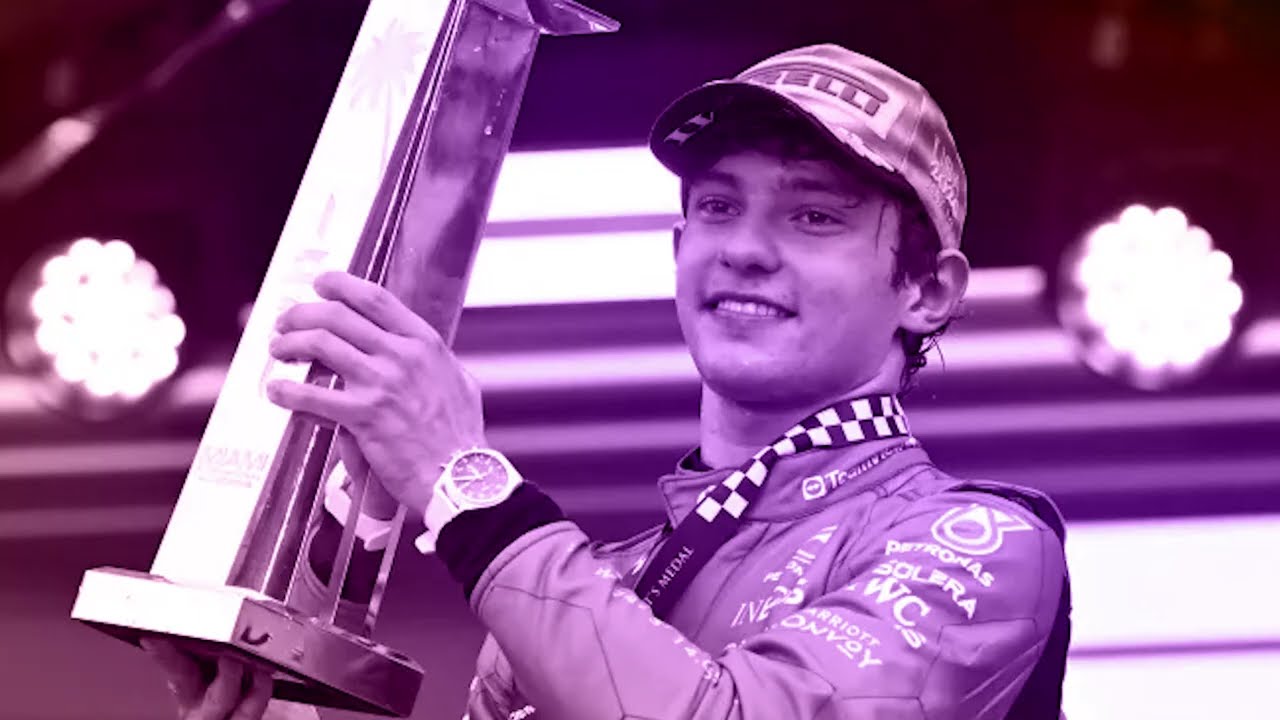
These adjustments were not revolutionary in their technical complexity, but their impact on the “human story” of the race was profound. For the first time this season, the technical drama did not completely overshadow the sporting drama. We weren’t spending our weekend obsessively analyzing energy harvesting charts or debating the nuances of computational dynamics. Instead, we were talking about a genuinely thrilling four-way fight for pole position. We were talking about McLaren’s massive upgrade package finally biting into the tarmac and putting Lando Norris within three seconds of the lead. We were talking about a resurgent Max Verstappen fighting his way back from a sixteenth-place qualifying effort to secure a top-five finish. And, perhaps most significantly, we were talking about teenage sensation Kimi Antonelli’s record-breaking performance as he continues to be compared to legends like Michael Schumacher and Ayrton Senna.
The Miami “patch” essentially provided an escape route that the sport’s commercial rights holders, Liberty Media, desperately needed. It proved that the fans are willing to tolerate a degree of technical “weirdness” as long as the underlying championship battle remains authentic and compelling. When the pecking order is compressed enough that seven or eight drivers are in legitimate contention for a front-row start, the complex mathematics of the battery system fade into the background. The audience wants to see recognizable causality: they want to see that if a team brings a major upgrade, they move forward on the grid. They want to see a driver earn a victory through skill and strategy, rather than simply having the most efficient battery management software.
Despite the relative success of the Miami weekend, it is important to recognize that the 2026 regulations are still very much in “intensive care.” The drivers remain cautious, with Lando Norris openly admitting that while the changes are an improvement, he would still prefer to strip the batteries out of the car entirely and return to “old-school” racing. His teammate, Oscar Piastri, was even more pointed, noting that while the lower qualifying harvest limit helped, the fundamental racing dynamic remains largely unchanged. The dangerous closing speed issue, while mitigated, has not been fully solved, leading to ongoing concerns about safety on fast, low-downforce circuits.
The upcoming Canadian Grand Prix in Montreal will serve as the true “acid test” for this new, patched version of Formula 1. Unlike Miami, which is an energy-rich circuit, the stop-start, heavy-braking nature of the Circuit Gilles Villeneuve will put immense pressure on the deployment behavior of the cars. The FIA has already announced a sliding scale of different energy recharging states for the weekend, with Canada set at a 6-megajoule limit—one of the lowest on the entire calendar. This race-by-race “tweaking” goes against the commercial arm’s desire for a one-size-fits-all marketing approach, but it is a necessary procedural step to ensure the cars don’t behave in a “strange” or unpredictable manner on track.

Beyond the immediate technical fixes, the Miami weekend exposed a much deeper and more significant power struggle happening behind the scenes. There is a growing sense of despondency among some of the major manufacturers, who are beginning to feel that their immense power over the sport’s direction is finally being curtailed. FIA President Mohammed Ben Sulayem and F1 CEO Stefano Domenicali appear to be increasingly aligned in their belief that the manufacturers must be “put in their place.” The message being sent from the top is clear: if you don’t like the direction the sport is taking, there are plenty of other entities waiting in the wings to step into your shoes.
Perhaps the most shocking revelation to come out of this internal struggle is Ben Sulayem’s public commitment to bringing back the iconic V8 engines by 2030 or 2031. While they would likely remain turbo-hybrids, the shift back toward a more traditional and visceral engine note would be a massive concession to the fans and drivers who feel the sport has lost its “soul” in the pursuit of high-tech sustainability. This long-term vision, combined with the immediate technical patches, suggests that Formula 1 is finally entering a period of genuine reparation.
The commercial salvation of the 2026 season depends entirely on the front of the grid remaining hyper-competitive. The sport cannot afford a period of unchallenged dominance from Mercedes, as it would immediately refocus the fans’ attention back onto the perceived flaws of the regulations. Miami showed that when the racing is tight and the human stories are prominent, the discerning fans are willing to silence their technical complaints for a moment. All the sport needs are race weekends where the sporting drama outweighs the technical drama—a feat that is significantly harder to pull off than a simple press release.
As we look toward the future, the goal for Formula 1 should be to reach a point where “normal” is no longer a headline-grabbing achievement. We should not be celebrating the fact that we can get through a weekend without having to read a technical manual to understand why a car suddenly lost speed on a straightaway. The disruptive and damaging nature of the season’s first three races has set a very low bar for emotional success, and while Miami was a relative triumph, it was not an all-time racing classic. It was a tolerable, manageable, and strategically sound race that allowed a real title fight to begin to breathe.
Formula 1 is currently on a long and difficult road to recovery. The “bugs” in the system are being identified and patched, and the governing bodies are finally showing a willingness to prioritize the quality of the racing over the rigid demands of the manufacturers. Whether this momentum can be sustained through the rest of the grueling twenty-four-race season remains to be seen, but for the first time in months, there is a genuine sense of hope in the paddock. The heart of the sport is still beating, and while it might still be in intensive care, the patient has finally started to sit up and take notice of the world around it. Roll on Canada, and roll on the return of the racing we all know and love.








