The Resurrection of a Legend: How Lewis Hamilton and Ferrari’s High-Stakes Gamble Are Set to Ignite the 2026 F1 Season
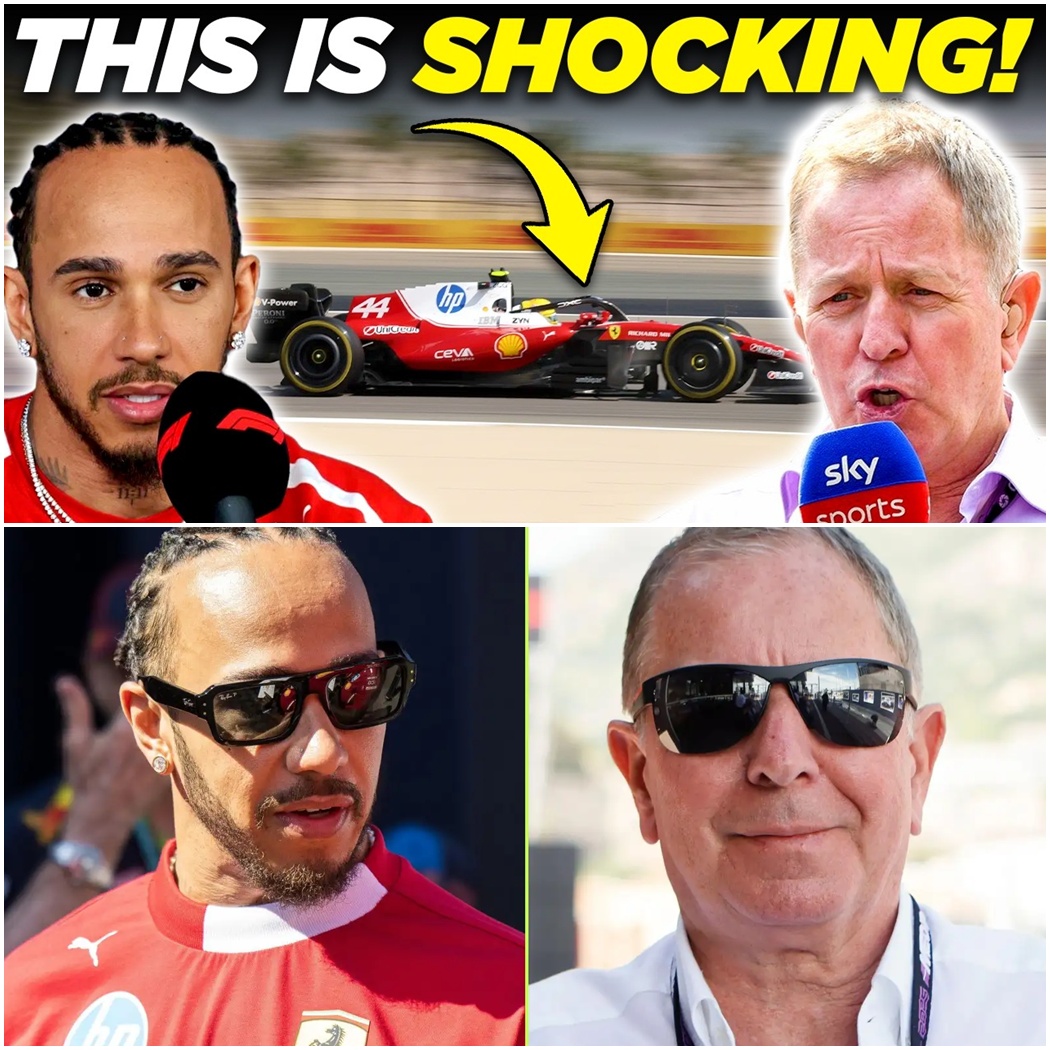
In the high-octane world of Formula 1, where split seconds define legacies and technical perfection is the only currency, the story of Lewis Hamilton’s 2025 season felt like a tragic final chapter. For the first time in a storied 19-season career, the seven-time world champion stood on exactly zero podiums. He was out-qualified, out-raced, and seemingly out-classed by his younger teammate, Charles Leclerc. The man who had once terrified a generation of drivers looked defeated, even calling himself “useless” over the team radio. But as the paddock prepares for the 2026 Australian Grand Prix, a new narrative is emerging—one of a legend reborn and a team that gambled its entire reputation on a single moment in time.
The shift began in the scorching heat of Bahrain during pre-season testing. Martin Brundle, a man who has witnessed every peak and valley of Hamilton’s two-decade career, dropped a bombshell observation that has since become the focal point of the 2026 season: “A happy Lewis has always been a fast Lewis.” To the casual observer, it sounds like a simple sentiment. To those who know the history of the sport, it is a warning.

To understand why the 2026 version of Hamilton is causing such a stir, one must look back at the wreckage of 2025. Hamilton’s move to Ferrari was billed as the greatest driver transfer in history, yet it initially yielded his lowest championship standing since his rookie year. He finished sixth with a mere 156 points. The statistics were brutal: Leclerc won the qualifying battle 19 to 5 and the race head-to-head 18 to 3. In Las Vegas, Hamilton qualified dead last on pure merit. By the season finale in Abu Dhabi, he spoke of wanting to “unplug from the matrix,” exhausted and written off by peers and pundits alike. Even the annual team principals’ poll, which ranks the top ten drivers, excluded his name entirely.
However, the failure of 2025 was not merely a decline in talent; it was a calculated sacrifice by Ferrari. Under the leadership of Fred Vasseur, the Scuderia made the stunning decision to abandon the development of their 2025 car as early as April. Hamilton was essentially racing a “frozen” machine—a car that was never going to improve—while the team poured every ounce of their resources, budget, and engineering brilliance into the 2026 regulations.
The 2026 season represents the most comprehensive rule overhaul in modern F1 history. With the simultaneous rewrite of both chassis and power unit regulations, the sport has undergone a total reset. The cars are now 30kg lighter, shorter, and narrower—designed to be agile “driver’s machines” rather than aerodynamic monsters. This shift plays directly into Hamilton’s legendary driving style. Alex Albon noted that these lighter cars suit a driver who “makes the corners short,” a hallmark of Hamilton’s peak years.
But it isn’t just the rules that have changed; it’s the machinery. Ferrari arrived in Bahrain with a car, the SF26, that has rival engineers scrambling. The innovations are radical. First, a smaller turbocharger unit provides instantaneous throttle response, allowing the Ferrari to launch off the line like a “rocket ship.” Second is the “flick-tail” mode—a blown exhaust system that utilizes a winglet to pull airflow from the diffuser, a design choice so architecturally fundamental it could take rivals six months to replicate. Finally, the “Macarena wing”—a rotating rear flap that exploits a gap in the regulations to deliver an extra 8 km/h of straight-line speed.
Hamilton’s reaction to this new beast has been the polar opposite of his 2025 misery. He declared that the SF26 has “his DNA in it.” He isn’t just a guest in a scarlet seat anymore; he is the architect of his own destiny. In a powerful Instagram manifesto posted in February 2026, Hamilton admitted, “For a moment I forgot who I was… you are not going to see that mindset again.” He described the new car as “fun” and “enjoyable”—words that had vanished from his vocabulary during his winless streaks.
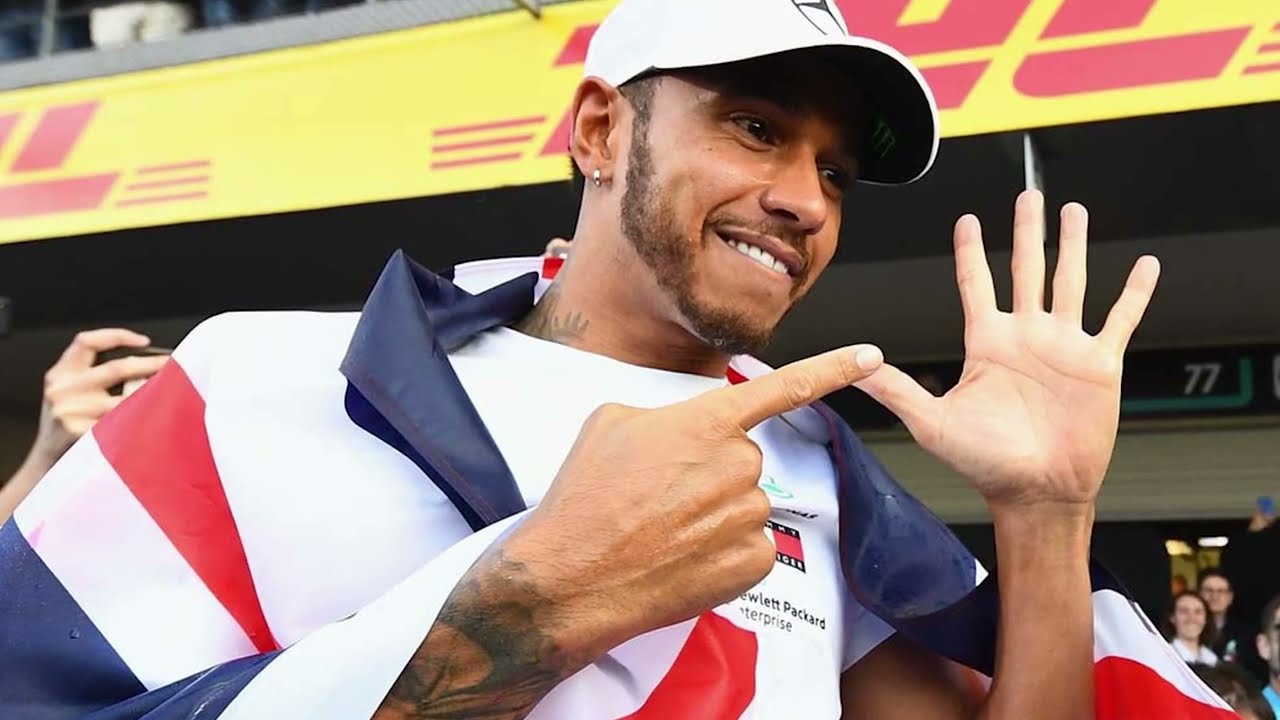
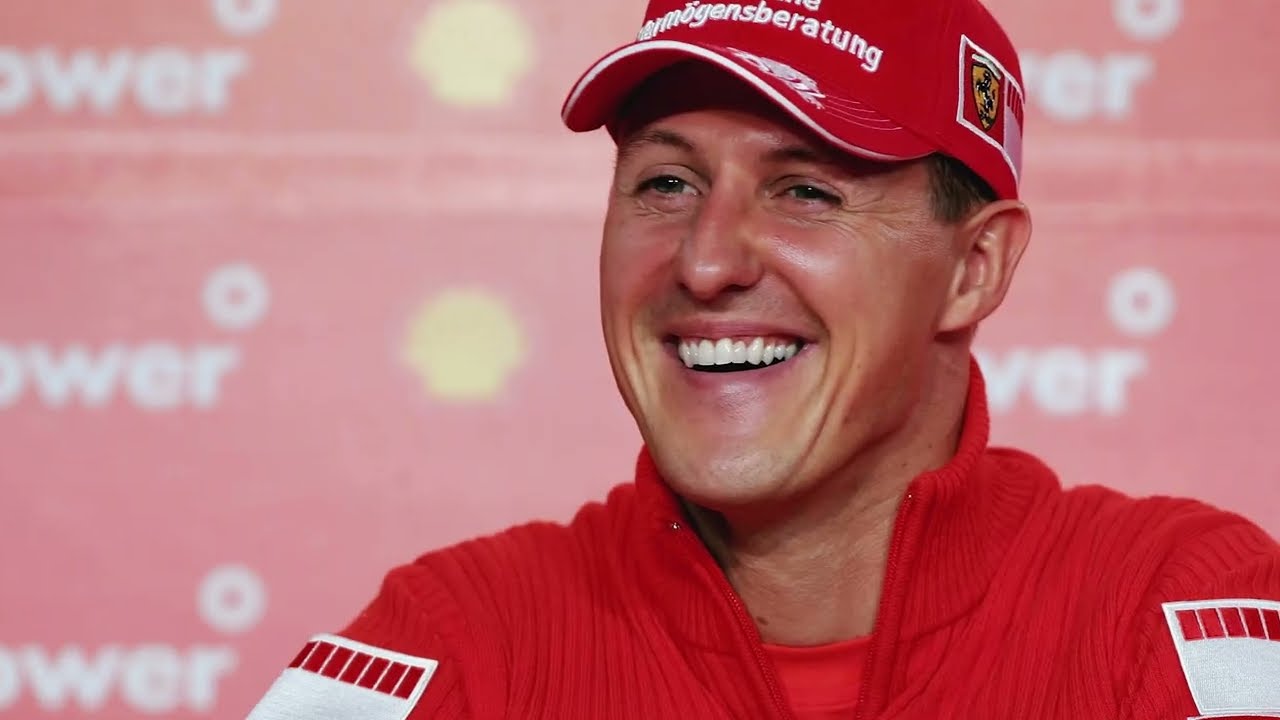
The stakes for this season transcend mere race wins. Everything Hamilton does is shadowed by the number eight. The controversial finish of Abu Dhabi 2021, where an eighth world title was snatched away in the final moments, remains the ultimate “what if” of the sport. To break the tie with Michael Schumacher and become the sole most decorated driver in history while driving for Ferrari—a team facing an 18-year title drought—would be the single greatest achievement in the history of motor racing.
The competition, however, is fiercer than ever. George Russell, now the bookmakers’ favorite, sits in a Mercedes package that looks formidable. Lando Norris, the reigning 2025 world champion, leads a McLaren team hungry to defend its crown. Max Verstappen remains a constant threat, despite his vocal criticism of the new hybrid-heavy regulations. And within his own garage, Hamilton must still contend with Charles Leclerc, who proved last year that he has no intention of playing second fiddle to a legend.
As the circus moves to Albert Park for the Australian Grand Prix on March 8th, the question isn’t just whether Hamilton can still drive—it’s whether the “happy Lewis” Brundle observed is ready to unleash the speed that once dominated the world. If history has taught us anything, it’s that when Hamilton feels the team is behind him and the car is beneath him, he is untouchable. The 2026 season is no longer just about racing; it’s about the return of a king who finally remembers who he is.








