The Point of No Return: How the 2026 Regulations Could Permanently Erase the Soul of Formula 1
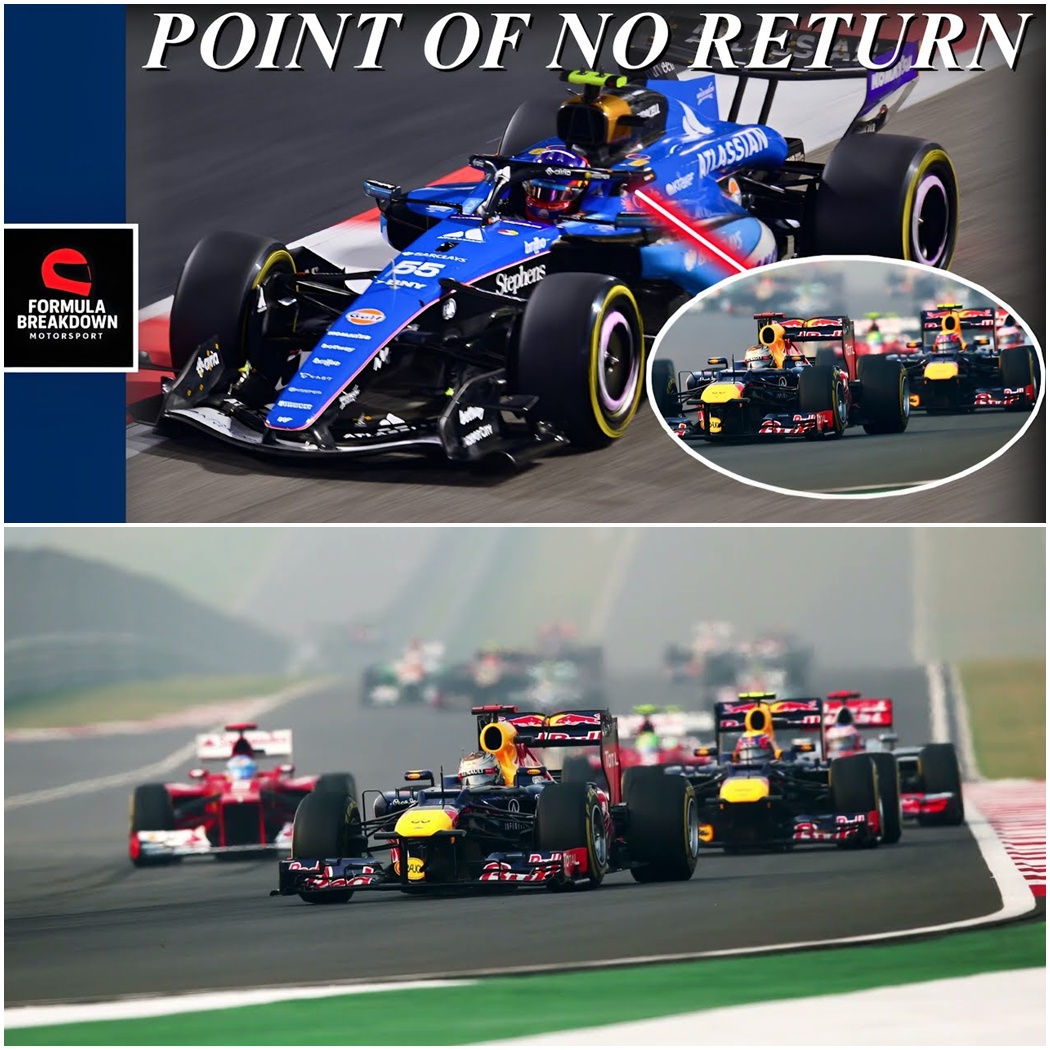
A dark, incredibly profound question is currently hovering over the high-stakes, billion-dollar world of Formula 1. It is a question that extends far beyond the traditional preseason debates over lap times, wind tunnel data, or which engineering genius has most effectively interpreted the latest aerodynamic loopholes. This pressing concern strikes at the very core of the sport’s identity and direction. With the impending arrival of the radical 2026 regulations, Formula 1 is not simply introducing yet another incremental tweak to its engine formula. Instead, the sport’s governing body is fundamentally redefining what a Formula 1 power unit actually is. By extension, they are making a massive, unalterable declaration about what the pinnacle of motorsport wants to represent in the modern, environmentally conscious era. This is not just a technical update; it is an absolute philosophical shift that threatens to forever alter the DNA of Grand Prix racing.
To truly grasp the magnitude of this impending transformation, one must look closely at the frighteningly complex architecture of the 2026 power units. For the very first time in the sport’s illustrious history, the cars will operate on an almost perfectly equal power split between traditional internal combustion and advanced electrical energy. The MGU-H (Motor Generator Unit – Heat), an incredibly intricate and defining component of the turbo-hybrid era since its controversial inception in 2014, has been completely eradicated from the rulebook. In its place, the sport is placing a massive reliance on the MGU-K (Motor Generator Unit – Kinetic), whose electrical output has been dramatically increased to a staggering 350 kilowatts. Combined with the absolute mandate of using fully sustainable, laboratory-engineered fuels, the sport has also been forced to introduce active aerodynamic systems. These movable wings are not meant to simply aid overtaking, like the current DRS system; they are entirely necessary just to compensate for the massive aerodynamic drag and the terrifyingly unpredictable new energy deployment and harvesting characteristics of the power units.
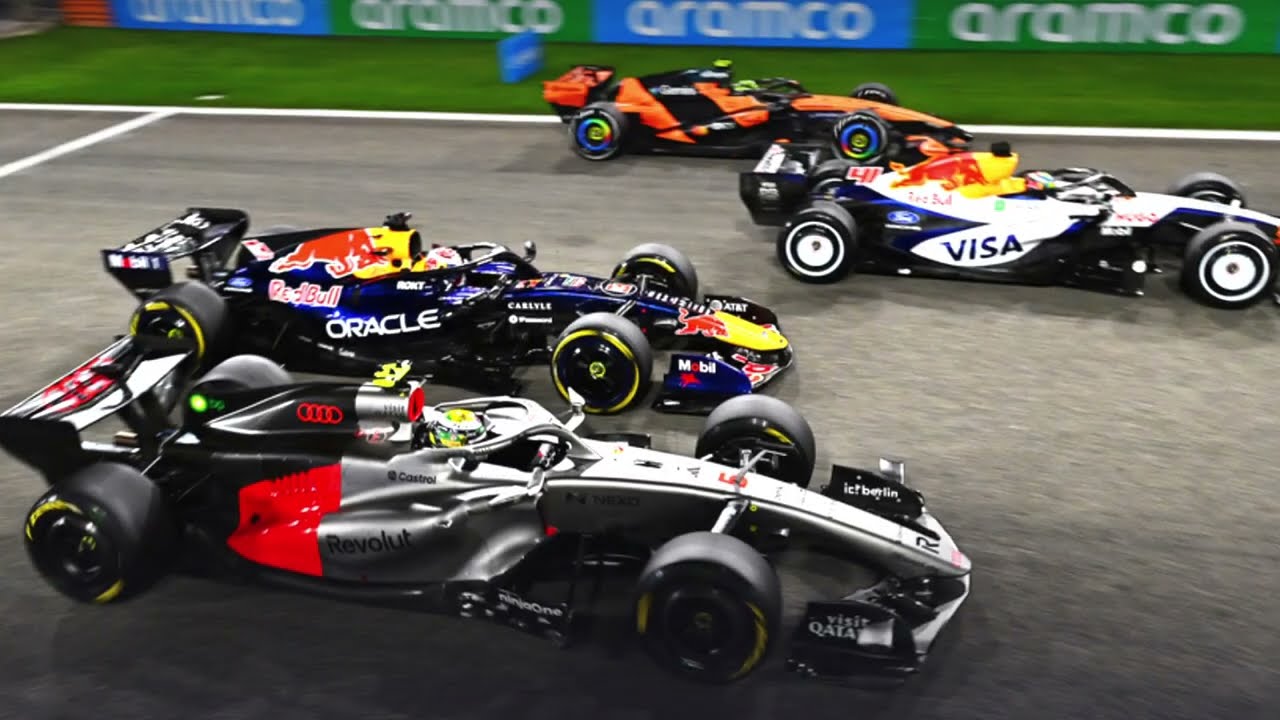
This sweeping overhaul represents a profound departure from how racing performance has traditionally been generated and managed. The central, lingering question haunting the paddock and the grandstands alike is whether Formula 1 has finally reached a permanent point of no return. Historically, the regulatory cycles of Formula 1 have almost never moved backwards technologically. When massive, fire-breathing turbocharged engines completely defined the culture of the 1980s, the sport did not eventually revert to earlier, simpler naturally aspirated formulas purely out of a sense of misplaced nostalgia. When the screaming V10 engines brutally replaced the beloved V12s, and later when the highly restricted V8s replaced the V10s, every single painful step was justified to the fans as necessary progress in the name of efficiency, strict cost control, or global technological relevance.
The initial introduction of the highly complex turbo-hybrid power units in 2014 marked yet another monumental leap forward, as hybridization was suddenly scaled up to a level that was completely unprecedented for any global racing series. Those 2014-era power units, heavily reliant on the inclusion of the MGU-H, were undeniably masterpieces of modern sophistication. The MGU-H was capable of harvesting massive amounts of wasted thermal energy directly from the searing exhaust gases, and it could completely eliminate turbo lag by artificially controlling the speed of the turbocharger compressor. From a purely academic and engineering standpoint, it was absolute brilliance. However, the reality of the racetrack proved that it was also astronomically expensive, overwhelmingly complex, and highly unattractive to any potential new manufacturers looking to enter the sport. The developmental barriers were simply too steep for anyone to challenge Mercedes, Ferrari, or Renault.
Therefore, the calculated removal of the MGU-H for the 2026 season was a necessary political compromise. It massively simplifies the engine architecture and drastically reduces developmental costs, directly making the new regulations far more accessible and inviting to incoming global manufacturers. In this specific regard, the strategy has been an overwhelming corporate success. Audi is mounting a massive factory entry, American titan Ford is returning to the sport in a blockbuster collaboration with Red Bull Racing, and Honda has formally recommitted its vast resources to the sport under this exact regulatory framework. From a strictly commercial, boardroom-level standpoint, these incoming regulations are brilliantly designed to secure heavy manufacturer commitment for the long-term financial health of the franchise.
However, while the boardrooms celebrate, the reality on the asphalt tells a vastly different, much more concerning story. The technical shift facing the drivers is profoundly extreme. The internal combustion engine will now only contribute roughly 400 kilowatts of power, while the electrical MGU-K will be forced to provide nearly 350 kilowatts to make up the deficit. Electrical deployment is no longer just a fun, supplementary boost button layered casually on top of a screaming combustion engine; it is effectively a co-equal partner in the propulsion of the vehicle. This drastic equalization changes absolutely everything about how these phenomenally fast cars must be driven, raced, and engineered.
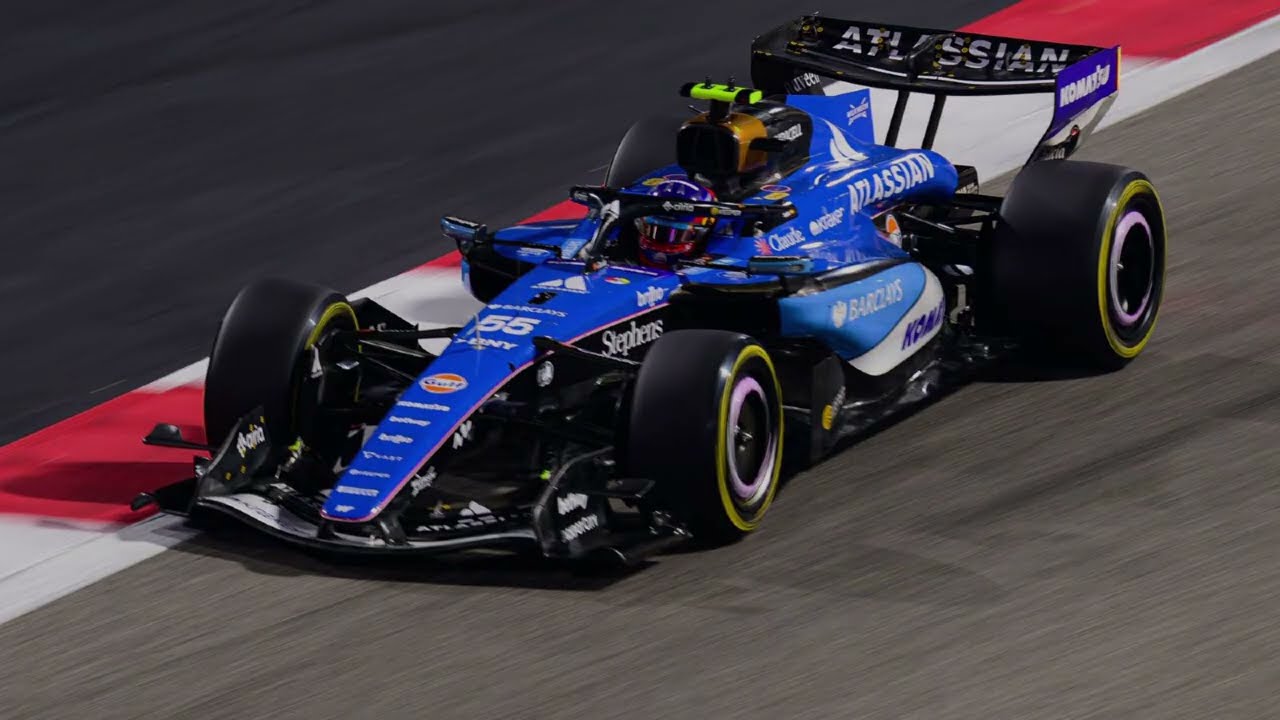
Energy harvesting under heavy braking will suddenly become the single most critical aspect of a driver’s lap. Modern circuits with fast, flowing corners and fewer heavy braking zones may suddenly present catastrophic challenges for energy recovery, drastically increasing the terrifying risk of battery depletion midway down a massive straightaway. Formula 1 drivers, supposedly the greatest gladiators in the world, will be forced to manage electrical deployment with agonizing precision. Pit wall engineering teams will be required to constantly optimize harvesting strategies throughout every single lap just to mitigate the jarring impact of fluctuating power deployment. Furthermore, because the power unit philosophy has so heavily compromised the chassis design, the active aerodynamic architecture will constantly be altering the car’s drag profile depending entirely on the driver’s current energy mode.
Formula 1 executives aggressively justify this highly controversial direction by arguing that the sport absolutely must keep up with the changing times. Road car manufacturers across the globe are rapidly and aggressively transitioning toward full electrification. Hybrid systems are becoming ubiquitous in daily traffic, and sustainable fuels are both politically and environmentally essential for a sport that burns fuel for entertainment. From an executive perspective, the 2026 regulations are perfectly coherent. They perfectly align the racing series with broader automotive industry trends and make the sport incredibly attractive for global brands trying to desperately navigate their own electrified futures.
Yet, any long-time fan knows that Formula 1 has never been purely about directly mirroring the development of road cars. If that mundane relevance were the true goal, the sport would have already transitioned fully to the silent, all-electric propulsion seen in Formula E. Instead, the magic of Formula 1 has always been its ability to perfectly balance cutting-edge technological relevance with raw, unadulterated spectacle and human emotion. The massive, looming risk right now is that by pushing so incredibly heavily toward electrification and energy management, the sport may inadvertently dilute, or completely destroy, the visceral, mechanical, roaring identity that has historically defined its global appeal.
This terrifying realization is precisely where the notion of a permanent point of no return becomes incredibly serious. Suppose that by the end of this upcoming regulation cycle, there is widespread, deafening fan sentiment that energy management has become far too dominant. Imagine if the drivers are openly complaining that they are lifting and coasting excessively just to harvest battery energy, or that the combustion element of the cars feels completely muted, artificial, and diminished. Could Formula 1 ever realistically revert to a pure racing formula dominated once again by screaming internal combustion? Technically, there is absolutely nothing in the rulebook preventing the FIA from drafting new regulations that rebalance the power split back toward 75 percent combustion and 25 percent electrical power.
However, politically and commercially, such a nostalgic reversal would be practically impossible. Massive automotive manufacturers commit hundreds of millions of dollars to the sport based strictly on regulatory stability and long-term alignment with their own corporate sales strategies. Audi’s entire, massive entry project is built entirely around these specific hybrid regulations. Ford’s highly publicized involvement with Red Bull is entirely framed around electrified technological relevance. Honda’s renewed commitment is completely linked to sustainable fuels and hybrid integration. Any sort of dramatic, fan-pleasing U-turn back to pure combustion could instantly destabilize those massive corporate partnerships and trigger a mass exodus from the grid.
In that sobering sense, Formula 1 has almost certainly locked itself into a one-way trajectory. The current mandate stands at a 50/50 split between combustion and electrical energy. If this proves even remotely viable, the natural, unavoidable progression from the boardrooms will be an even greater emphasis on electrification in the following regulatory cycle. The question is no longer whether a 50/50 split is sustainable; the truly terrifying question is whether a 60/40 or even 70/30 electrical split becomes the sport’s next logical step.
The immediate danger to Formula 1 is not a sudden, spectacular failure. The 2026 cars may very well still deliver highly competitive, side-by-side racing and deep technical intrigue for the hardcore engineering fans. The real, existential long-term risk lies entirely in the sport’s core identity. If energy harvesting truly becomes the primary, overriding limiting factor in overall race performance—if overtaking a rival depends vastly more on pre-programmed electrical deployment windows than on raw mechanical grip, driver bravery, or aerodynamic efficiency—then Formula 1 risks being perceived far less as a pure, instinctual racing series and vastly more as a sanitized, high-speed energy optimization competition.
What appears entirely unlikely is any sort of nostalgic, romantic return to the high-revving, fossil fuel-powered screaming engines without massive hybrid assistance. The global political and environmental landscape has simply shifted too dramatically for that to ever be a realistic possibility again. Ultimately, the 2026 regulations represent vastly more than just a complex technical reset for the engineers to solve. They are a massive, permanent strategic declaration of identity. Formula 1 is aggressively positioning itself as the ultimate global pinnacle of hybrid-electric performance, rather than the pinnacle of purely mechanical, visceral theater. Once a global sporting juggernaut commits to an identity shift at that massive scale, reversing course becomes exponentially more complex, if not outright impossible. The true point of no return may not actually be the complicated engine regulations themselves; the real point of no return will be the quiet acceptance of a sanitized new normal. If the fans simply shrug and embrace the 50/50 hybrid era as what Formula 1 has inevitably become, then the permanent trajectory toward silent, deeper electrification becomes absolutely inevitable. That silent compliance is the exact moment when the sport’s future direction becomes completely, irreversibly sealed.