The Megadeal That Never Was: How the Historic Red Bull and Porsche Formula 1 Partnership Spectacularly Collapsed
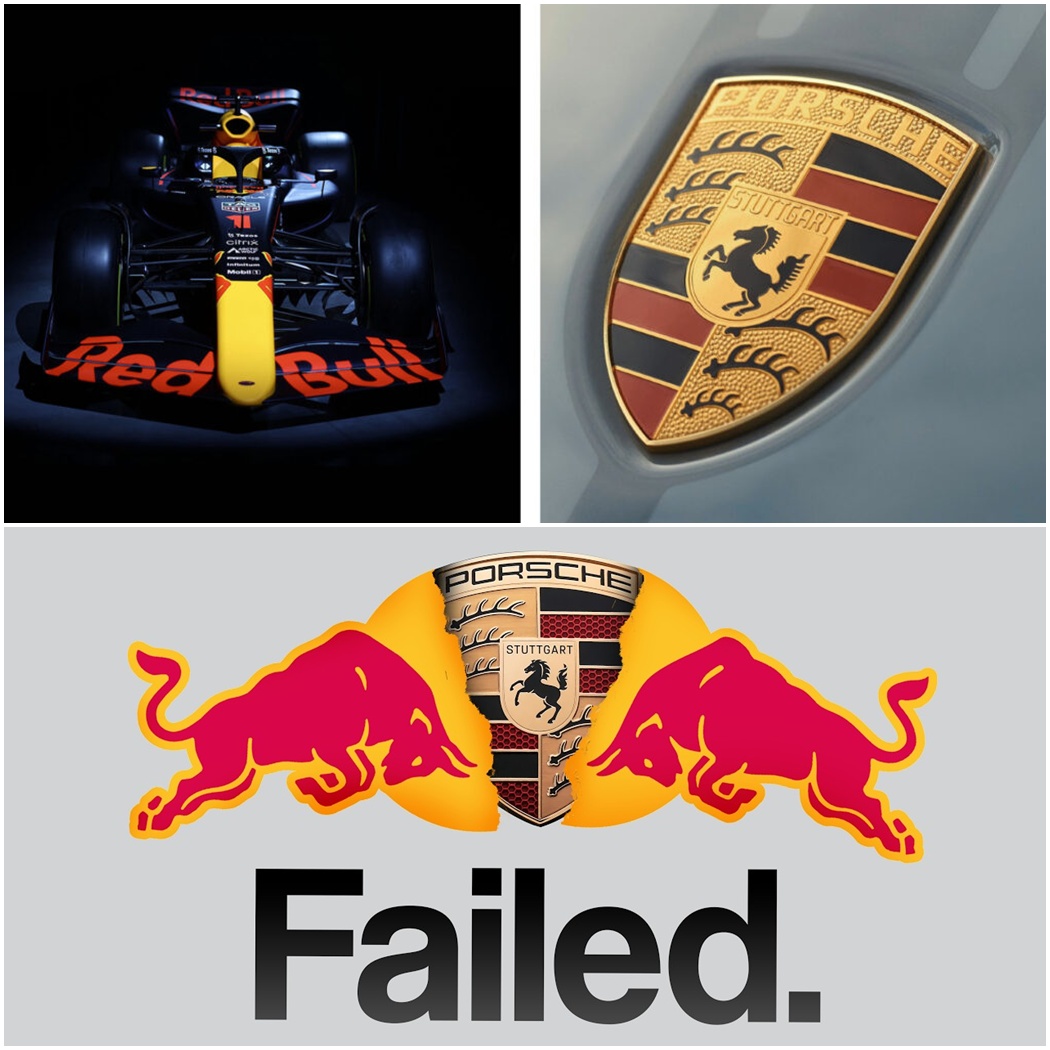
In the high-stakes, adrenaline-fueled world of Formula 1, the landscape is defined by constant evolution, relentless engineering arms races, and corporate partnerships worth hundreds of millions of dollars. But even by the astronomical standards of modern grand prix racing, the summer of 2022 held the promise of something entirely unprecedented. Porsche and Red Bull Racing, two absolute titans of their respective industries, were on the verge of cementing the most powerful partnership the sport had ever seen. One entity was the undisputed heavyweight champion of the current racing grid, a ruthlessly efficient winning machine. The other was an iconic German automotive giant with a legacy of motorsport dominance.
The deal was, for all intents and purposes, completely finished. The official press releases had been drafted and polished by public relations teams. A grand announcement date was circled on the calendar. And then, in a stunning twist that sent shockwaves through the global motorsport community, Red Bull Racing aggressively killed the agreement. The monumental collapse of this historic alliance changed the trajectory of Formula 1 forever. But to truly comprehend why the deal fell apart, and why Red Bull walked away from the table, one must look deep into the hidden history of Porsche’s complicated relationship with the pinnacle of motorsport, and the fiercely guarded independence of the Red Bull empire.
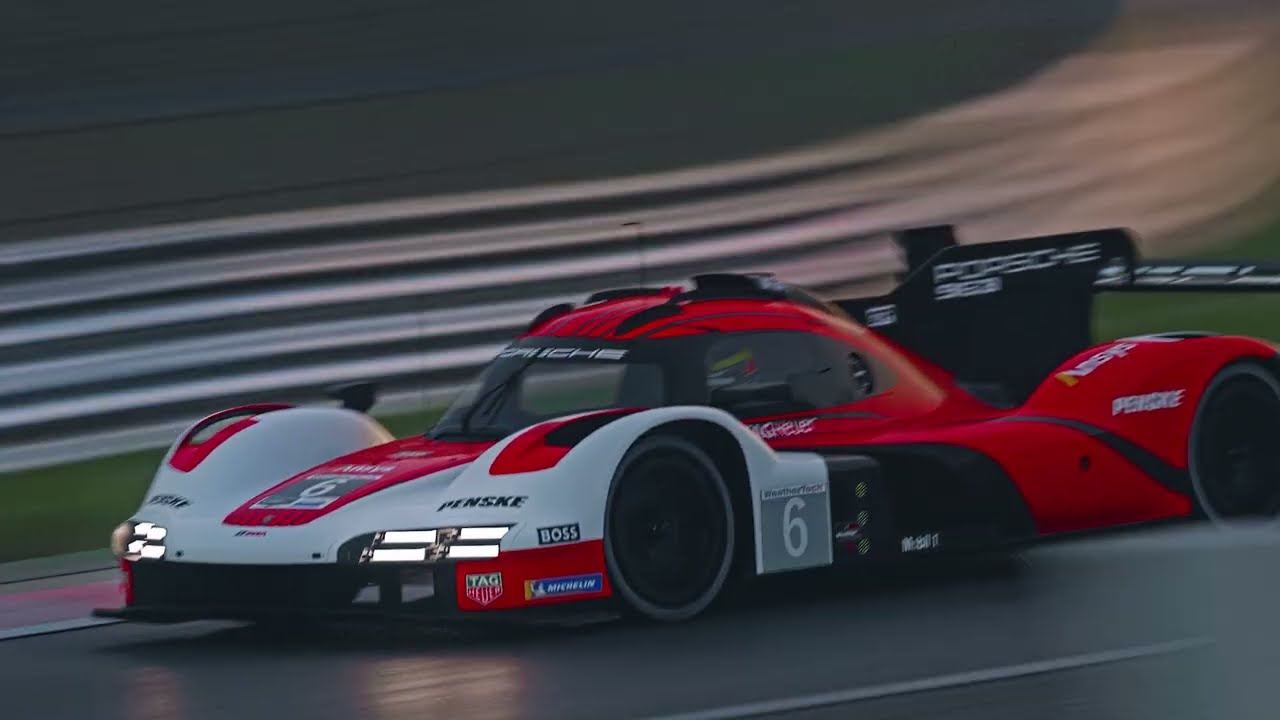
The fact that these two organizational juggernauts found each other in 2022 surprised absolutely no one who had been paying attention. However, what transpired next surprised everyone. Porsche’s desire to conquer Formula 1 was not a new phenomenon. In fact, the prestigious German automaker had attempted to master the grid three separate times before, with results ranging from quietly respectable to openly humiliating. Their initial foray into Grand Prix racing occurred in 1961. They arrived with their own car and engine, and while they were not overwhelmingly competitive, they managed to secure a single victory in 1962 courtesy of Dan Gurney. Yet, when Porsche executives analyzed the exorbitant costs of the sport against the limited marketing returns, they quietly folded their operation and walked away.
The second chapter of Porsche’s Formula 1 history is widely celebrated, though rarely credited to the brand itself. In 1983, a holding company called TAG financed Porsche to brilliantly engineer a turbocharged V6 engine for the McLaren Formula 1 team. It was a massive success. Between 1984 and 1986, McLaren dominated the grid, winning three consecutive world championships with legendary drivers Niki Lauda and Alain Prost at the wheel. But there was a catch: the engine did not carry the prestigious Porsche crest. It was officially branded as the TAG Turbo. Porsche did the heavy engineering lifting, but someone else reaped the ultimate historical credit.
Then came 1991, a year that Porsche executives would prefer to permanently erase from their collective memory. The brand officially returned to Formula 1 as an engine supplier under its own legendary name, partnering with the Footwork Arrows team. It was an unmitigated disaster of spectacular proportions. The engine Porsche constructed, designated the 3512, weighed an astonishing 180 kilograms. For context, the rival Ferrari engine of the exact same era weighed only 160 kilograms. In a microscopic sport where obsessed engineers spend weeks trying to shave 50 grams off a single suspension component, Porsche had arrived with a power unit drastically heavier than the competition.
Worse yet, it was chronically underpowered and fundamentally flawed. The engine had a terrifying tendency to destroy itself from the inside out, starving its own internal components of vital oil under heavy racing stress, leading to repeated, violent mid-race explosions. At the season opener in Phoenix, the engine failed before the race was even half finished. Following another catastrophic explosion in Monaco, Footwork unceremoniously pulled the plug mid-season, dumping the Porsche units for standard, off-the-shelf Cosworth customer engines. It was the absolute motorsport equivalent of a team firing an elite partner for something ordered out of a generic catalog. Porsche vanished from the Formula 1 paddock that afternoon, and for thirty-one years, they never looked back.
To grasp why 2022 felt destined to be different, one must thoroughly understand the precarious situation Red Bull Racing found itself in. Red Bull is not a legacy Formula 1 constructor. Founded in 2005 by an Austrian energy drink conglomerate, the team was built on a very specific, aggressive philosophy: move incredibly fast, think completely differently, and never wait for bureaucratic permission. Within a mere five years, Red Bull was the finest team on the grid, securing four consecutive world championships from 2010 to 2013.
But a massive crisis hit in 2021. Honda, their dedicated engine supplier, abruptly announced they were exiting the sport at the end of the season. For the vast majority of racing teams, losing a dedicated manufacturer partner is a fatal blow. You cannot simply replace hundreds of millions of dollars in highly specialized engineering research overnight. Red Bull’s response, however, was spectacularly audacious. They announced they would build their own bespoke power units entirely in-house at a brand-new, state-of-the-art facility in Milton Keynes, England. They named the ambitious project Red Bull Powertrains.
While this move projected immense confidence, underneath the bravado was a terrifying practical reality. Looming on the horizon was 2026, a year slated for a complete, radical overhaul of Formula 1’s technical regulations. The sport was shifting to a brand-new engine formula designed to be simpler and more relevant to road cars. For Red Bull, surviving 2026 was going to require an astronomical financial investment and a massive leap in technical capability. They desperately needed a partner.
Meanwhile, Porsche had spent the last decade perfecting cutting-edge hybrid technology through their immensely successful endurance racing program, winning the 24 Hours of Le Mans outright in 2015, 2016, and 2017. Their technical expertise was perfectly aligned with what the 2026 Formula 1 regulations demanded. Furthermore, Porsche possessed massive capital and a burning desire to finally establish a successful Grand Prix legacy under their own name. Red Bull possessed exactly what Porsche needed, and Porsche held exactly what Red Bull required. By early 2022, high-level negotiations were moving at breakneck speed.
The structural shape of the proposed deal, however, was fundamentally aggressive. Porsche was absolutely not interested in a traditional, passive engine supply arrangement. They did not just want to stick a badge on a Red Bull power unit and write a sponsorship check. Porsche demanded actual, structural ownership. The proposal on the table was a staggering 50 percent stake in Red Bull’s entire Formula 1 operation. Red Bull Racing, one of the most culturally relevant and valuable sporting franchises on the planet, would effectively become half Porsche. In return, the German automaker would co-develop the 2026 engine and inject massive financial and engineering resources into the team.
By the late spring of 2022, the negotiations had progressed so successfully that a formal announcement date was explicitly set: the Austrian Grand Prix in early July. It was the perfect symbolic setting. The race took place at the Red Bull Ring, situated in the home country of the energy drink’s founders. The press releases were locked in, the PR strategies were finalized, and the deeply connected paddock insiders were already operating under the assumption that the deal was an absolute certainty.
And then, the dominos began to fall in spectacular, catastrophic fashion. First, the FIA—the primary governing body of Formula 1—missed its crucial deadline. The final technical framework for the 2026 engine regulations, promised by the end of June, was delayed. For an entity like Porsche, which operates within the massive, highly structured Volkswagen Group, this was a severe obstacle. Corporate boards managing billions of dollars do not sign ten-year strategic commitments based on a rulebook that has not been legally finalized. Consequently, the grand announcement at the Austrian Grand Prix was quietly shelved.
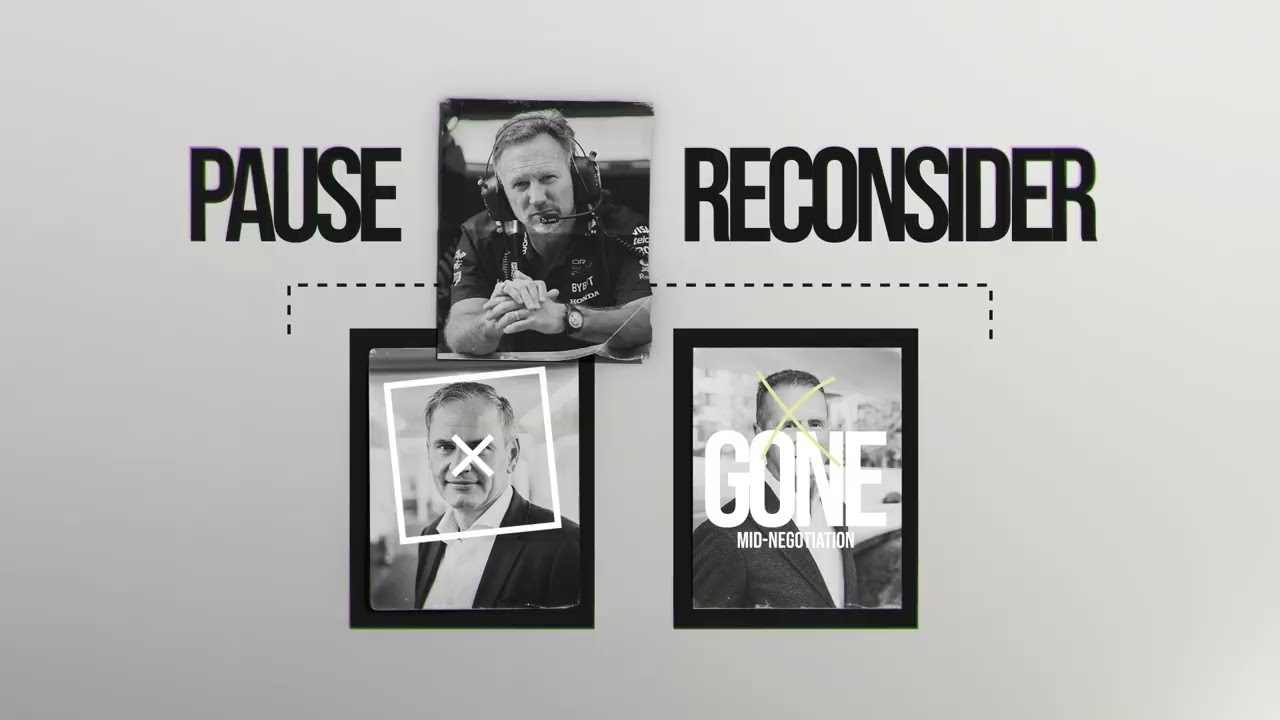
While the FIA scrambled to finish its homework, a massive earthquake struck the Volkswagen Group. Herbert Diess, the CEO of Volkswagen and the single most vital executive champion of the entire Formula 1 project, was abruptly ousted from his position. In late July, it was announced that Diess would be replaced by Oliver Blume, the chairman of Porsche. The executive who had originally green-lit the massive Red Bull strategy was suddenly gone mid-negotiation. For Red Bull, watching this unfold from across the table, this intense corporate instability was a blaring alarm bell.
The absolute death blow, however, arrived from the most unlikely of places. In late July, official antitrust regulatory documents suddenly emerged from the competition authority of Morocco. Filing these standard legal documents is a routine requirement across multiple global jurisdictions when major corporate acquisitions are planned. However, the deeply sensitive contents were anything but routine. The documents explicitly confirmed that Porsche was in the final process of acquiring a 50 percent stake in Red Bull Technology.
The secret was out before the ink was dry. Porsche instantly lost total control of the corporate narrative. But more importantly, the Moroccan leak woke a sleeping giant: Honda. While Honda had officially departed Formula 1, they had maintained a quiet, lucrative background relationship with Red Bull, servicing their existing engines. When the leaked documents made it legally concrete that a Porsche takeover would permanently seal off any path back to the grid for Honda, the Japanese manufacturer accelerated their interest. Behind closed doors, Honda aggressively began discussing a permanent return with Red Bull for 2026. Suddenly, Red Bull had incredibly viable options they did not have a month prior.
As the talks dragged on, the deep cultural chasm between the two organizations became impossible to ignore. The more they discussed the practical realities of a 50/50 co-ownership, the more Red Bull recoiled. They saw a terrifying preview of life under Porsche’s corporate umbrella: endless committee meetings, sluggish board approvals, and a rigid, institutional hierarchy. Red Bull’s entire racing empire was built on agility and the freedom to execute decisions instantaneously.
Then, Audi made their move. Porsche’s sister brand within the VW Group had been developing their own F1 entry. While Porsche remained bogged down in corporate red tape and boardroom transitions, Audi simply struck. In late August, they decisively announced their 2026 entry, quietly acquiring the Sauber team. The sharp contrast stung Porsche deeply, but it provided Red Bull with immense clarity. They realized they did not want to be suffocated by VW Group bureaucracy. Shortly after, Red Bull’s motorsport advisor, the notoriously blunt Helmut Marko, dropped the final hammer to the press, unequivocally stating that Porsche would not become a shareholder.
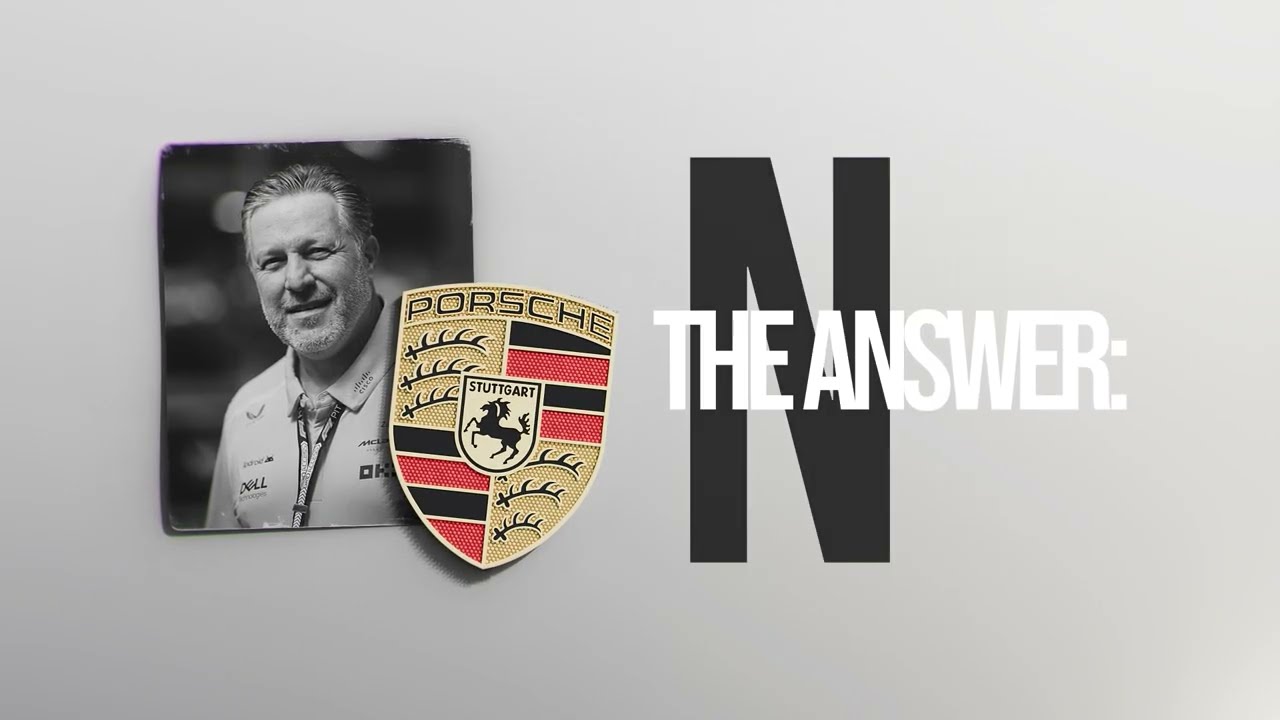
Porsche, reeling from the sudden rejection, scrambled to find another partner, desperately opening talks with McLaren. But McLaren, fiercely protective of their own historical legacy and equity, delivered the exact same answer as Red Bull. It became glaringly obvious that the core issue was not Red Bull’s culture; it was Porsche’s deeply arrogant assumption that their legendary name alone was worth a controlling stake in an elite racing team.
Red Bull, completely unbothered, moved forward at lightning speed. Months later, they announced a massive partnership with Ford for 2026. Ford agreed to co-develop the engine and sponsor the car, but crucially, they allowed Red Bull to retain absolute operational control of the team. The monumental seat that Porsche had spent an entire year aggressively negotiating for was quickly filled by an American manufacturer who understood the value of letting racers race. By March 2023, Porsche officially confirmed they would not be entering Formula 1. The grand megadeal of the century ultimately became nothing more than a fascinating cautionary tale about ego, corporate bureaucracy, and the uncompromising independence required to win in Formula 1.