The Ferrari Paradox: Why Lewis Hamilton’s P7 in Melbourne is the Grid’s Biggest Threat
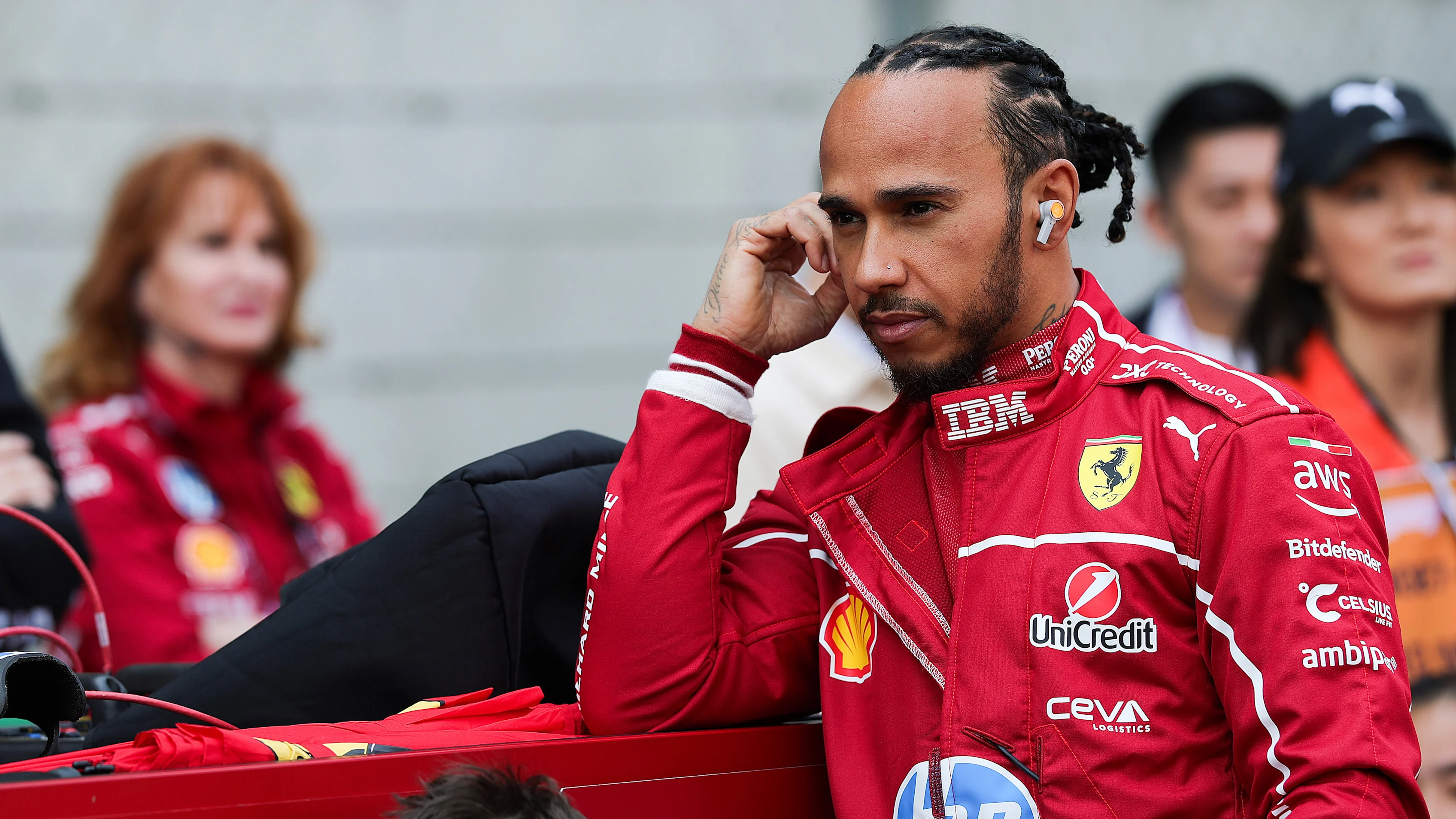
The atmosphere at Albert Park on Friday was nothing short of electric. For the first time in this brand-new technical era, the sight of Lewis Hamilton in the vibrant scarlet of Ferrari did not just feel like a novelty; it felt like a prophecy. As the timing screens flickered to life during the practice sessions, a familiar name sat perched near the summit. Hamilton was not just participating; he was performing with a calm, surgical precision that sent a shiver through the paddock. Across both sessions, he was the only driver to maintain a top-four presence, displaying a level of consistency that screamed readiness.
However, as the sun began to set over the Melbourne skyline during Saturday’s qualifying, that narrative took a sharp and confusing turn. The man who looked like a certain front-row contender suddenly found himself scraping through the knockout stages, eventually settling for a disappointing P7 on the grid. To the casual observer, it looked like a performance dip—a classic case of the “Ferrari fade.” But to those who dig deeper into the telemetry and the strategic choices made on the pit wall, the story of P7 is not one of a slow car, but of a brilliant package that was tactically outplayed by its own creators.
The “Ferrari Exposure” of the weekend came down to a single, aggressive, and ultimately flawed strategic call made at the very beginning of Q1. While the rest of the grid, including the pace-setting Mercedes of George Russell, played it safe by bolting on the soft compound tires to ensure safe passage into the next round, Ferrari opted for the road less traveled. They sent Hamilton and his teammate out on the medium compound. On paper, the logic was sound, perhaps even genius: if you can survive Q1 on the harder tire, you preserve your limited sets of fresh soft tires for the high-stakes shootouts of Q2 and Q3.
In the ruthless world of Formula 1, however, the line between strategic masterstroke and tactical disaster is razor-thin. For a few minutes, it looked like Ferrari had found the “cheat code” for the weekend. Hamilton’s initial laps on the mediums were stubbornly quick, matching the times of cars on the softer rubber. But as the track evolved and the grip levels rose, the soft-shod cars found a gear that the mediums simply could not reach. Suddenly, Hamilton was not comfortably safe; he was drifting toward the elimination zone.
The ensuing scramble was the first domino to fall in a chain reaction that ruined his qualifying. To survive Q1, Ferrari was forced to burn through the very margin they were trying to protect. Hamilton squeezed through in P6, but the damage was done. He entered Q2 without a fresh set of soft tires, forcing a seven-time world champion to attempt a high-speed rescue mission on rubber that had already seen better days. The sight of Hamilton sitting in 16th place mid-way through Q2 was a jarring reminder of how quickly a season’s momentum can be derailed by a single decision.

While Hamilton’s immense experience allowed him to piece together a “banker lap” that dragged the car into the final top-ten shootout, he arrived at Q3 mentally and mechanically compromised. He was out of sync, out of fresh tires, and forced to yield track position to his teammate just to find a clean window of air. The result—a P7 finish nearly a second off pole—looks ugly in the history books, but it is a deceptive figure. The SF26 was fast; it was simply boxed into a corner by a strategy that prioritizes theoretical gain over practical execution.
Despite the grid position, the mood coming out of the Ferrari garage was surprisingly defiant. In previous years, a P7 start would have been met with a frustrated shrug or a cryptic comment about “work to do.” But this is a different Lewis Hamilton. The move to Maranello appears to have flipped a kinetic switch within him. His post-qualifying remarks were not those of a defeated man, but of a predator who knows he has the tools to hunt. “The car is much better,” Hamilton noted calmly. “We could have been fighting for third.”
This is not mere optimism; it is backed by the cold, hard data of race simulations. When analysts stripped away the qualifying anomalies and looked at the long-run averages from Friday, a different picture emerged. While George Russell and Mercedes appear to be the current benchmark, Hamilton’s pace on the harder compounds was only a few tenths adrift, even with the interruptions of traffic and yellow flags. When those times are normalized, Ferrari emerges as the second-fastest team on pure race distance—ahead of both McLaren and Red Bull.
In Melbourne, race pace is a far more potent weapon than it is at more restrictive street circuits. Albert Park offers genuine passing opportunities, particularly with the high-speed run toward Turn 1. If the Ferrari truly possesses the tire management and sustained speed that the practice data suggests, P7 is not a prison sentence—it is merely a slightly longer commute to the podium. The key will be the opening lap. If Hamilton can utilize the SF26’s projected launch advantage to clear one or two cars early, he will find himself in the “podium bubble,” where strategic flexibility and tire life become the deciding factors.
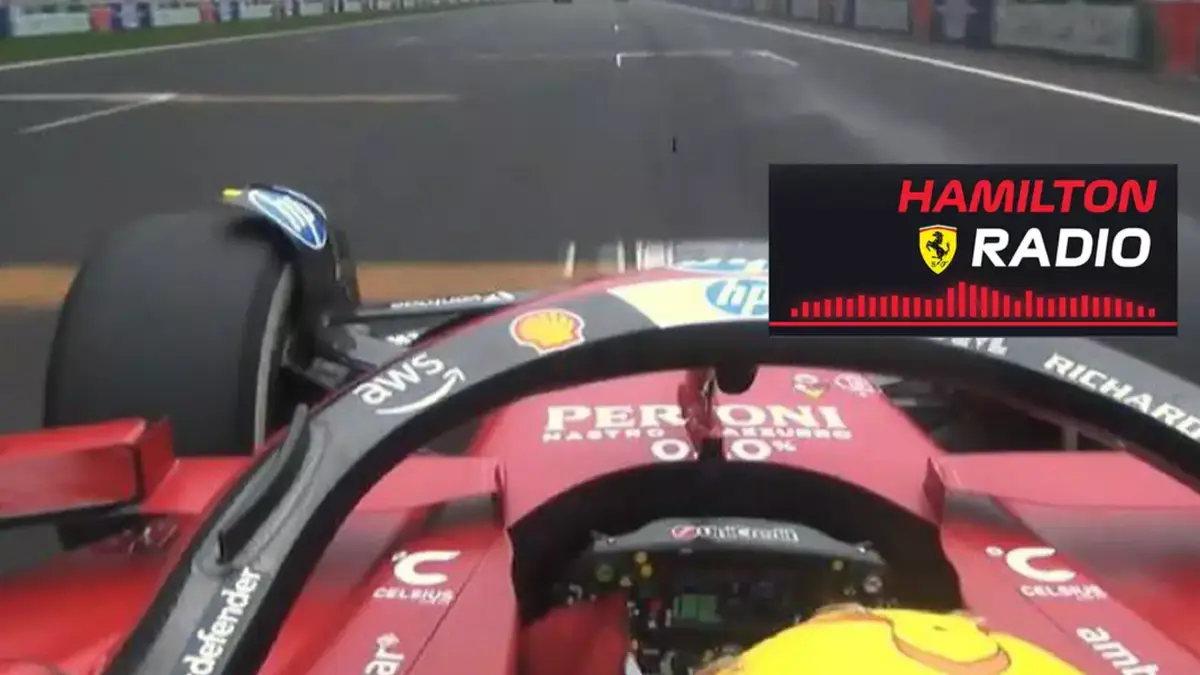
There is also the intangible factor: the mindset of a champion reborn. Throughout the last few seasons, Hamilton often looked like a driver fighting his equipment. In Melbourne, he looked like a driver who finally trusts the machine beneath him. You can see it in the way he attacks the curbs and the early commitment he shows on corner exit. A driver who trusts his car is a driver who can extract the “impossible” tenth of a second when it matters most.
So, while the headlines might focus on the strategic blunder that “exposed” Ferrari’s ongoing struggle with pit-wall pressure, the real story is the sleeping giant that is Hamilton’s race pace. The grid may have outqualified him today, but they have not outrun him. Tonight’s race is not about defending seventh; it is about proving that the red car belongs at the front. If Ferrari can keep their cool and avoid another over-complicated gamble, the world might just witness the first great comeback of the Hamilton-Ferrari era.