The Crisis Facing Formula One: Is the Pinnacle of Motorsport Truly Dying?
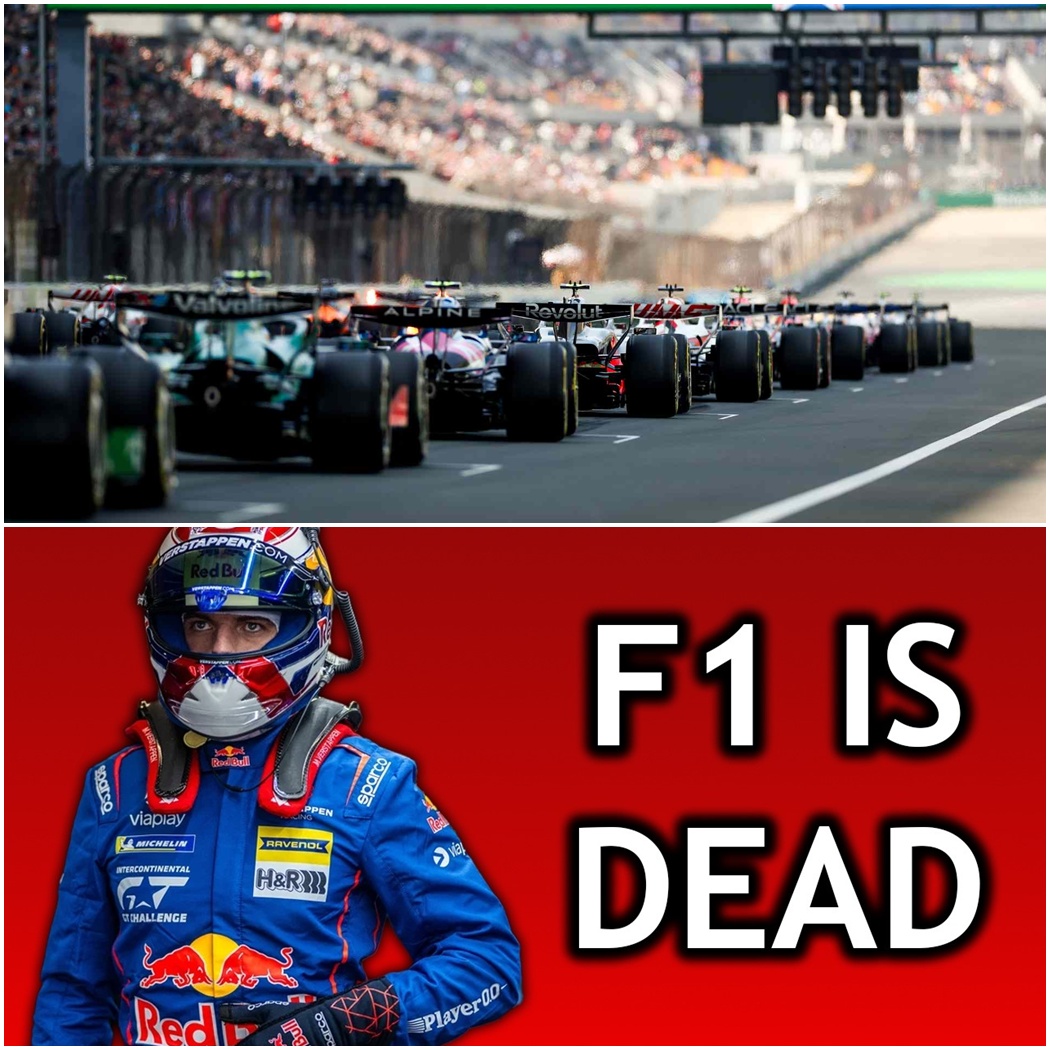
It is a sentiment that has echoed across grandstands, dominated social media feeds, and filled the chatter of countless motorsport forums throughout the year: “Formula One is dying.” If you have tuned into the current season, you have almost certainly encountered this sweeping statement or some variation of it. But how much truth lies behind this dramatic declaration? Is the pinnacle of motorsport genuinely withering away, or are we simply witnessing a highly vocal minority expressing their frustrations during a period of turbulent transition? To answer this, we must dive deep into the heart of the sport, separating the casual viewers from the dedicated purists, and exploring the intricate web of new regulations, logistical nightmares, and shifting fan loyalties that are currently defining the 2026 season.
From a purely statistical perspective, declaring Formula One dead seems almost entirely absurd. The sport has arguably never been more popular globally. Television viewing figures remain incredibly strong, there are more brand collaborations than ever before, and the sheer volume of people casually discussing race weekends in everyday conversation is unprecedented. If you were to ask a casual fan—someone who tunes in on a Sunday afternoon, enjoys the spectacle, and then moves on with their week until the next race—the sport is thriving. This demographic, which constitutes roughly eighty to ninety per cent of the global audience, does not spend their weekdays scouring technical forums or debating the nuances of engine regulations. They simply consume the product exactly as it is presented.
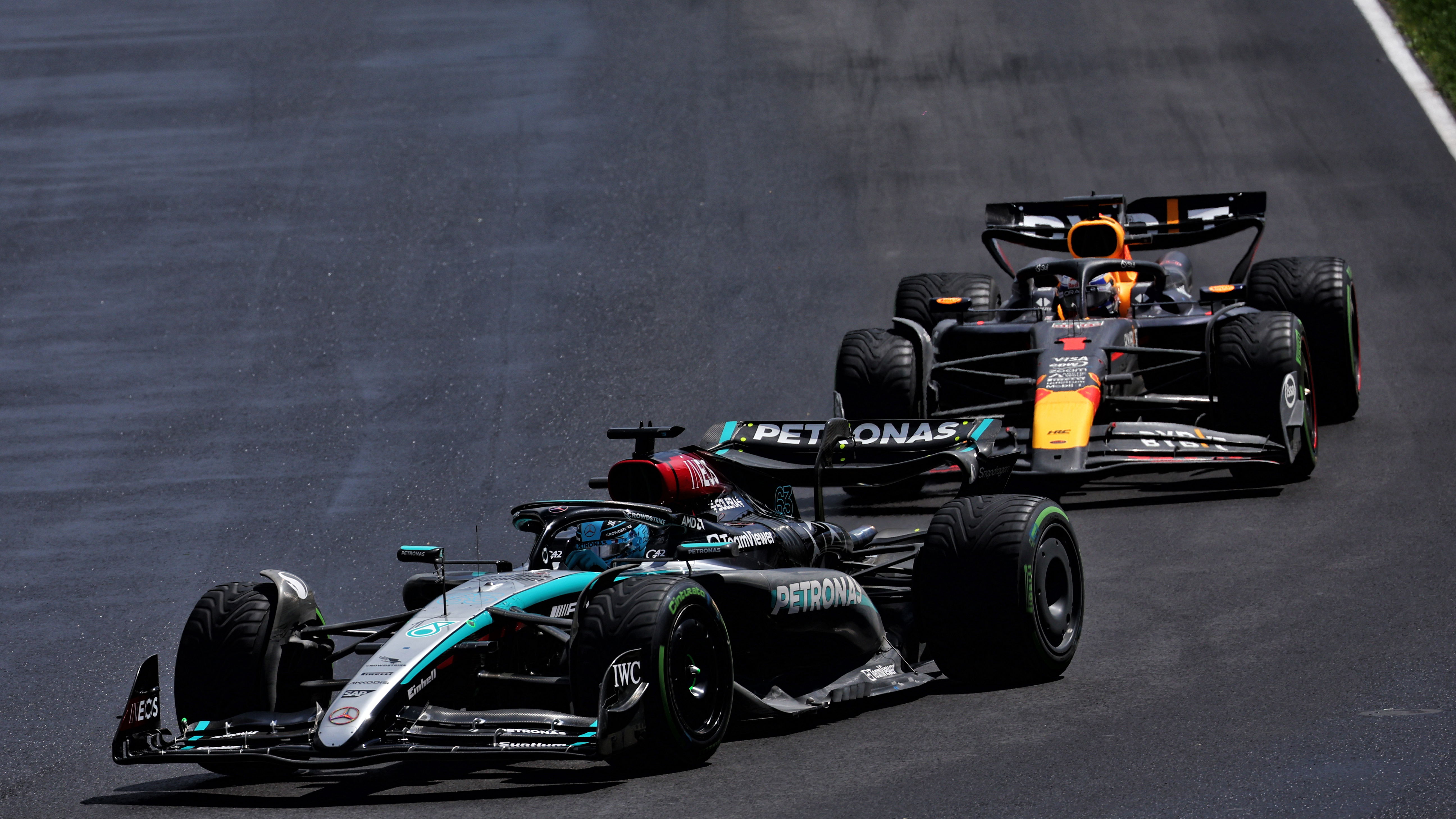
However, the loud cries that the sport is failing do not stem from the casual majority. They originate from the deeply dedicated fans. These are the individuals who live and breathe motorsport, who understand the rich history of Formula One, and who critically analyse every technical directive and strategic decision made by the governing bodies. To these purists, the current state of the sport feels deeply flawed. They are the ones feeling the sting of recent changes, and their discontent is rooted in highly specific, substantive issues that are fundamentally altering the DNA of Grand Prix racing.
At the absolute core of the current unrest are the new regulations introduced for the 2026 season. The governing body set out with noble intentions: to break new technological barriers, champion global sustainability, and make the sport significantly greener. They developed an impressive sustainable fuel and implemented a radical fifty-fifty power split between the traditional internal combustion engine and the electrical battery systems. However, the practical application of these green initiatives has resulted in what many purists derisively term “artificial racing.”
Artificial racing is generally defined as on-track action that is not entirely dictated by the skill, bravery, and intent of the driver. When the car relies heavily on automated mechanisms designed solely to aid overtaking, the purity of the combat is immediately compromised. The new batteries are incredibly powerful, easily sustaining the massive fifty-fifty split. Yet, they have introduced a host of incredibly frustrating dynamics that have fundamentally changed how the cars are driven.
One of the most glaring issues is a phenomenon known within the paddock as “silver clipping.” This occurs when the electrical energy is entirely depleted before a driver reaches the end of a straight or a heavy braking zone. Because half of the car’s total power output relies entirely on that battery, running out of juice effectively kills fifty per cent of the engine’s performance. The car drastically slows down in a highly unnatural manner. While the batteries recharge rapidly, they also drain at an alarming rate, forcing drivers to constantly lift and coast. This constant energy management is fundamentally ruining the spectacle of qualifying. Qualifying has traditionally been an exercise in pure, unadulterated speed—pushing man and machine to the absolute physical limit. Watching drivers tiptoe around circuits to conserve battery life feels antithetical to the very spirit of the sport.

The situation during the races themselves is arguably even more problematic. The battery deployment is semi-automated, relying on complex sensors and pre-programmed maps that dictate when to harvest and when to deploy energy. While hybrid systems have been present since 2014, the sheer power of the 2026 batteries makes them overwhelmingly dominant. Depending on how a driver exits a corner, the car’s computer might interpret the throttle application as a desire to push, automatically deploying a massive surge of electrical power. This can effectively force a driver into an overtaking manoeuvre when they had absolutely no intention of doing so.
In the highly strategic, high-speed chess match of Formula One, a driver might want to hold back, conserve their tyres, and wait for a much more advantageous overtaking spot later in the lap. Being thrust forward by an automated system completely strips the driver of their tactical autonomy. Furthermore, if they are forced to deploy their energy offensively, they are left entirely defenceless against an immediate counterattack. The unpredictability and automated nature of the power delivery are leaving drivers intensely frustrated and fans feeling totally disconnected from the action. Thankfully, the authorities are not entirely blind to this massive public uproar. Minor adjustments have already been trialled, and promises have been made that the 2027 regulations will tweak the split, returning a much greater emphasis to the traditional internal combustion engine.
Beyond the complex technical gripes, the 2026 season has been severely plagued by unprecedented logistical chaos. Formula One prides itself on its relentless global momentum, building narratives and excitement week after week. However, unpredictable geopolitical events have wreaked absolute havoc on this year’s schedule. The cancellation of both the Bahrain and Saudi Arabian Grands Prix due to regional conflicts created massive, momentum-killing voids in the racing calendar.
Following the frantic opening rounds, the sport suffered an agonising three-week gap before eventually arriving in Miami. Just as the hype began to rebuild across the Atlantic, another cavernous three-week break ensued before the Canadian Grand Prix. When there is a severe lack of actual racing to focus on, the media cycle naturally gravitates towards negative stories, bitter internal politics, and technical controversies. This prolonged absence from the track has allowed the “F1 is dying” narrative to fester and amplify without the distraction of brilliant on-track action.
The situation could become even more dire at the tail end of the season. Organisers of the Saudi Arabian Grand Prix are reportedly desperate to have their race reinstated, wielding immense financial resources to make it happen regardless of the logistical strain it places on the sport. This has led to terrifying whispers of a potential quadruple-header—four consecutive race weekends on completely different continents—to close out the championship. For the mechanics, engineers, and logistical staff who are already pushed to their physical and mental limits by an ever-expanding calendar, a quadruple-header would be an absolute nightmare. It is a recipe for severe burnout, and many seasoned paddock insiders fear it could trigger a mass exodus of highly skilled personnel from the sport.
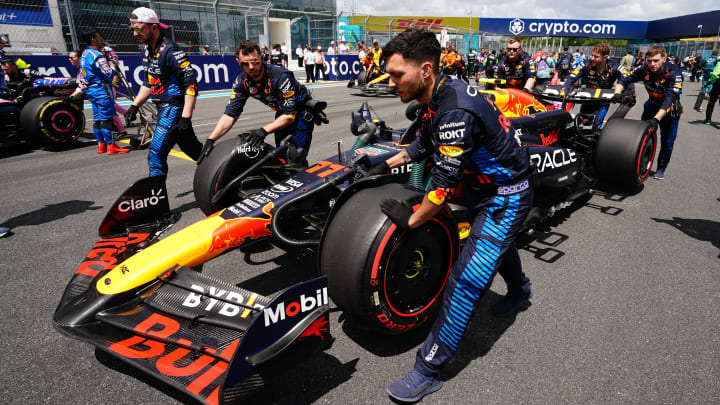
As dedicated fans become increasingly disillusioned with the artificial nature of the racing and the disjointed calendar, a fascinating cultural shift is beginning to occur. When a colossal sporting entity reaches the absolute zenith of its popularity, a plateau or slight decline is historically inevitable. However, the controversy surrounding the new regulations has prompted many hardcore fans to re-evaluate their dedication to Formula One, leading them to cast their gaze toward other motorsport disciplines.
Endurance racing, particularly the World Endurance Championship and events at the legendary Nürburgring, is experiencing a massive resurgence in popularity. This shift is being significantly accelerated by high-profile figures like Max Verstappen openly expressing their passion for endurance events and GT racing. Dedicated, knowledgeable racing enthusiasts are increasingly voicing the opinion that Formula One is no longer the undisputed pinnacle of pure motorsport. While Formula One has always leaned heavily into glamour and high-end engineering, series like endurance racing and IndyCar are currently offering a purer, more organic racing product that appeals to the purist’s heart.
There is, however, a dark side to this fan migration. Formula One has recently cultivated a highly toxic “fan war” culture, particularly on social media, where bitter tribalism frequently overshadows an actual appreciation for the sport. As these fans migrate to other series, there is a genuine, growing fear that they will bring this toxic behaviour with them. The terrifying prospect of seeing talented, hardworking drivers in other categories subjected to the same vitriolic abuse and tribal warfare that currently plagues the Formula One community is deeply concerning. The genuine hope is that fans will embrace the purity of these alternative series rather than seeking to actively replicate the negativity they left behind.
If the sport is currently navigating choppy waters, how can it successfully steer back toward greatness? While the casual audience might remain blissfully unaware of the underlying issues, ensuring the long-term health and credibility of Formula One requires appeasing the dedicated core. If one were to sit in the President’s chair, several radical but necessary changes could be implemented to restore the sport’s organic appeal.
Firstly, the calendar urgently needs to be restricted. The relentless push for more races is diluting the product and exhausting the workforce. A strict limit of eighteen to twenty races per season is the absolute sweet spot. It provides enough content to keep the narrative flowing beautifully without overwhelming the teams or causing viewer fatigue. Scarcity inherently builds value, and ensuring that every single Grand Prix feels like an unmissable, prestigious event should be the primary goal.
Secondly, the approach to overtaking aids must be fundamentally reconsidered. The highly complicated, semi-automated battery systems are far too intrusive. Instead, Formula One should look across the Atlantic and adopt a organic “push-to-pass” system similar to that used in IndyCar. Granting each driver a strictly allocated amount of extra horsepower—perhaps two hundred seconds to be used strategically over the course of an entire race—would place the tactical power firmly back in the hands of the athletes. It removes the artificial, automated element and replaces it with pure, unadulterated strategic driver input.
Furthermore, the acoustic appeal of the sport absolutely must be addressed. Returning to screaming V8 engines would immediately inject a visceral thrill back into the trackside experience. Anyone who has stood by a race track knows that the physical sensation of sound is a crucial element of the motorsport spectacle. The current power units, whilst technically engineering marvels, simply lack the dramatic, ear-splitting roar that defines a true racing machine.
Finally, and perhaps most controversially, the cars need to be slowed down. It sounds completely counterintuitive for a sport built on speed, but historically, slower, less aerodynamically sensitive cars produce vastly superior wheel-to-wheel racing. If the lap times were increased by just a second or two, it would drastically reduce the turbulent “dirty air” that makes following another car so incredibly difficult. Formula One would easily remain the fastest closed-circuit motorsport on the planet, but the sheer quality of the combat would improve exponentially.
In conclusion, the bold assertion that Formula One is entirely dead is certainly an overstatement, heavily fuelled by the frustration of the current moment. The sport possesses a remarkable, historic ability to adapt and survive. However, it is undeniably facing a critical juncture. The dangerous combination of artificial racing mechanics, logistical exhaustion, and the growing appeal of alternative motorsport categories serves as a stark warning. The administrators must listen to their most dedicated supporters, strip away the overly complex artificiality, and return the focus to what truly matters: the world’s greatest drivers competing in organically thrilling, wheel-to-wheel combat. Only then can the pinnacle of motorsport confidently secure its legacy for the future.