The Billion-Dollar Divorce: Why Red Bull Rejected Porsche and Risked an Entire Formula 1 Dynasty
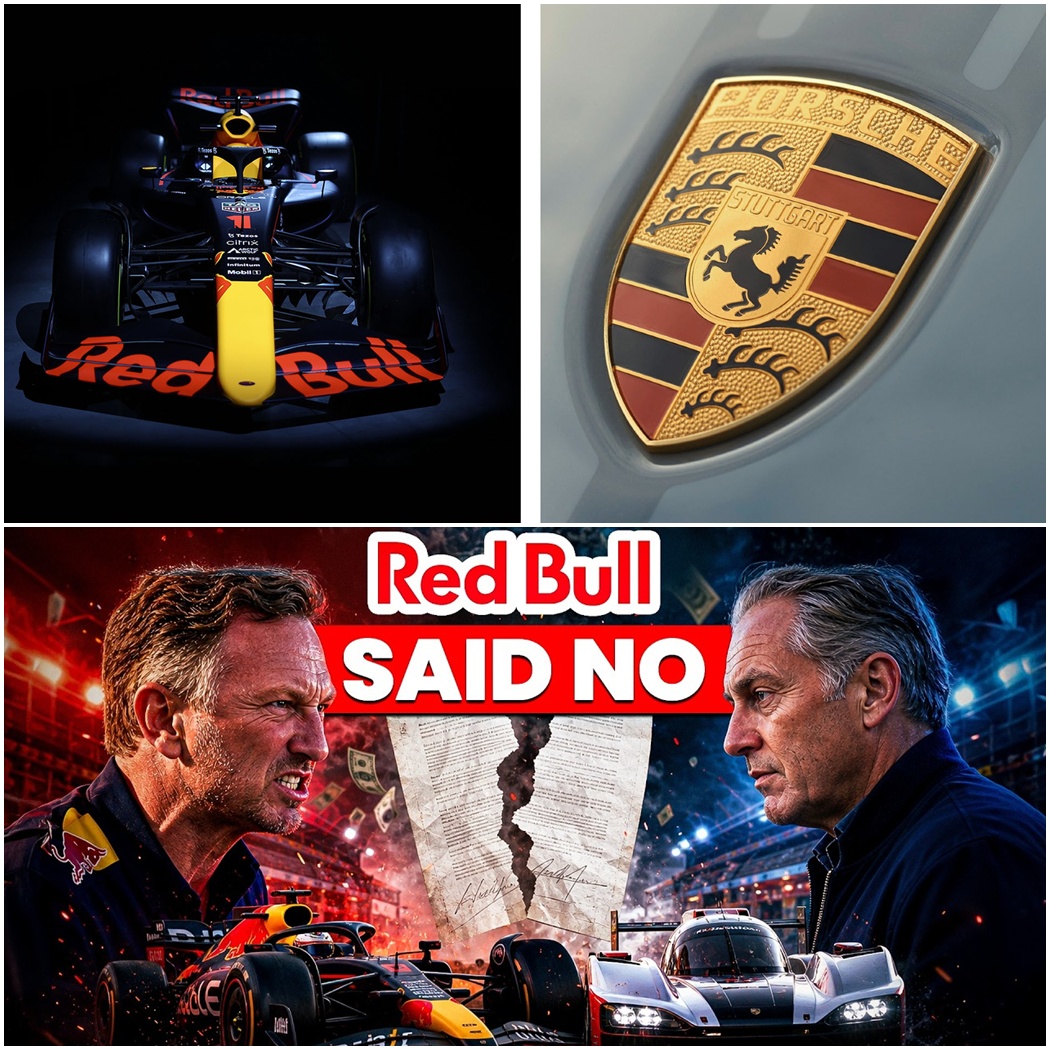
Somewhere buried deep within the digital archives of a Moroccan government website in the summer of 2022, a document appeared that was never supposed to see the light of day. It was, on the surface, a routine antitrust filing—the kind of incredibly dry, bureaucratic regulatory paperwork that quietly moves through competition councils globally without a single person paying attention. Except, buried inside the dense legal language of merger law, was a concrete description of something the entire Formula 1 world had been quietly whispering and wildly speculating about for months. Porsche AG officially intended to acquire a staggering fifty per cent stake in Red Bull Technology.
It was meant to be a joint venture, a shared future, and a dynasty co-owned by two titans of their respective industries. The document was pulled down almost immediately, deleted from the server as if it had never existed. But the internet is entirely unforgiving, and the Formula 1 paddock had already seen it. Within mere hours, the entire motorsport community had rapidly processed exactly what this leak meant. Porsche was finally entering Formula 1. Red Bull Racing was officially getting a fully-backed factory manufacturer partner. The sport was about to welcome back one of the most iconic, revered, and historically significant names in automotive history to the front of the starting grid.
The official announcement felt like a mere formality. The champagne was effectively on ice. But the announcement never came. And the intricate, shocking reason why it never arrived tells you something profound about Red Bull Racing—something that no championship trophy, no blistering lap record, and no constructor’s title could ever quite capture. Because what actually happened between Porsche and Red Bull behind closed doors in the summer of 2022 was a devastating collision between two highly successful organisations that fundamentally, completely, and utterly misunderstood one another, right up until the very moment the deal was dead.
To truly understand the sheer scale of what Porsche was attempting to pull off, you have to zoom out to look at the wider corporate picture. This was not merely Porsche acting as a lone wolf. The Volkswagen Group, one of the largest automotive empires on the planet, had made a monumental corporate decision at the absolute highest boardroom level: Formula 1 was finally worth entering. The sweeping technical regulation changes scheduled for 2026 presented a golden opportunity. The masterplan was meticulously coordinated, breathtakingly ambitious, and specifically designed to make the maximum possible impact on the global stage.
Audi, another jewel in the VW Group crown, would formally acquire the Sauber team and meticulously build a full works operation entirely from scratch—developing the engine, the racing team, and the physical infrastructure. Porsche, meanwhile, would take a completely different route. They would strategically partner with Red Bull, seamlessly plugging directly into the most dominant and successful team in the modern era of the sport, effectively arriving at the absolute front of the grid from day one. Two legendary brands, two separate entries, and one enormous automotive corporation planting its flag into the pinnacle of motorsport.
The sheer ambition was staggering to witness, and for a brief, shining moment in 2022, it looked entirely inevitable. Porsche had even confidently trademarked the phrase “F1nally”. The Formula 1 paddock was treating the impending announcement as a simple scheduling question, wondering not if it would happen, but when the press conference would be called. Even cynical insiders within the sport, people who deeply understood just how fragile, complicated, and political manufacturer relationships could be, assumed this mega-deal would comfortably close. The core logic was simply too airtight to fail. Red Bull desperately needed a top-tier engine partner for the new 2026 regulations. Porsche desperately needed a competitive, championship-ready team. The financial numbers made perfect sense, the two global brands naturally complemented each other, and the timing could not have been more perfect.
There was only one catastrophic problem: nobody had actually bothered to tell Red Bull what specific, subservient role they were supposed to play in Porsche’s grand vision of the future.
Here is exactly what the executives in Stuttgart actually saw when they looked at Red Bull in 2022. They saw an incredible racing team that had just spectacularly delivered Max Verstappen his second consecutive world championship. They saw Adrian Newey, widely regarded as the greatest and most innovative car designer in the extensive history of the sport, still operating brilliantly at the absolute peak of his engineering powers. They saw a phenomenal constructor that had previously won four consecutive titles between 2010 and 2013, heroically navigated through a painfully difficult middle period, and then ruthlessly rebuilt itself into something even more dominant than before. Most importantly, they saw Red Bull Powertrains—a state-of-the-art, brand-new, in-house engine facility located in Milton Keynes, purpose-built specifically for the looming 2026 regulations.
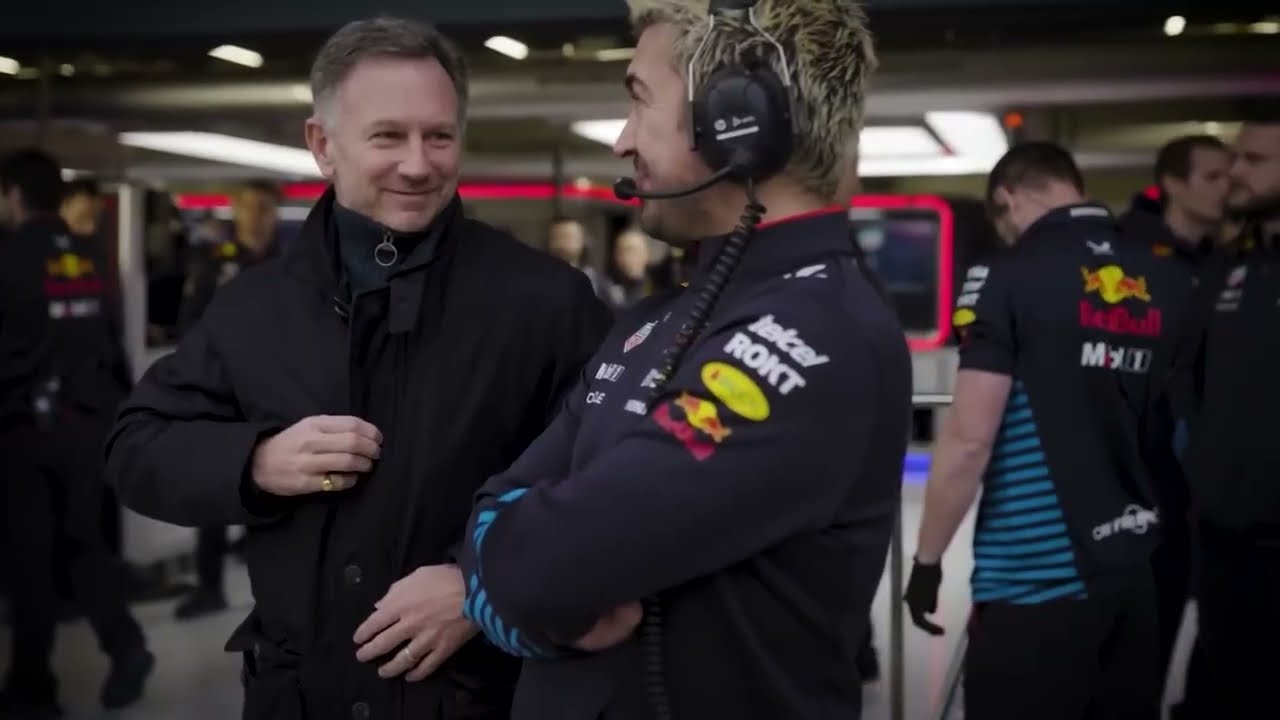
Porsche knew they were targeting the best racing team on the planet, featuring the very best driver on the planet, at the exact historical moment that the driver was systematically rewriting the Formula 1 record books. From Porsche’s corporate perspective, demanding a fifty per cent stake in that operation was not an aggressive or greedy ask. To them, it felt entirely proportionate to what they were bringing to the table: the immense prestige of the Porsche name, the legendary standard of Porsche engineering, Porsche’s massive global brand value, and the virtually unlimited financial resources of the entire Volkswagen Group backing them up. To Porsche, this was meant to be a respectful partnership between equals.
But that fundamental belief was the very poison that killed the deal. Red Bull is not, and has never been, a traditional Formula 1 team. And that specific, unyielding cultural reality may have been the single most important thing that Porsche completely failed to understand.
Consider the establishment. Ferrari was literally born in Formula 1; the sport itself is Ferrari’s entire identity and heartbeat. Mercedes-Benz arrived as a colossal automotive manufacturer boasting an entire century of deep motorsport heritage. McLaren was passionately built by a racing driver exclusively for racing. These historic organisations fundamentally understand themselves directly through the traditional lens of the sport. Their corporate identity and Formula 1’s identity are completely intertwined.
Red Bull, on the other hand, is an Austrian energy drink company that boldly bought a struggling, underperforming midfield team (Jaguar) for exactly one dollar in the mid-2000s and aggressively built an unstoppable dynasty. Their entire internal culture, the highly specific way they hire talent, the swift way they operate, and the ruthless way they make strategic decisions, is constructed entirely around a single, foundational, and unshakeable belief: that outsiders can beat the establishment. They believe that you do not need anyone’s permission to be great, and that the historic giants of the sport can be consistently beaten by passionate people who simply refuse to accept that the giants are “supposed” to win.
Every single championship Red Bull ever won served to forcefully reinforce that core belief. Every single time they out-designed the brilliant engineers at Ferrari, every time they aggressively out-strategised the mighty Mercedes pit wall, and every time they out-developed the rest of the chasing field, their powerful internal mythology grew stronger. The story they told themselves was simple: We built this ourselves. We owe this incredible success to absolutely nobody. And we answer to nobody.
So, when the executives from Porsche confidently arrived in Milton Keynes with fifty per cent ownership proudly sitting on the negotiating table, Red Bull did not process it as a generous business proposal. They processed it as a hostile rewrite of their own carefully crafted identity. Porsche was not politely offering to join Red Bull; Porsche was demanding to become Red Bull. And that was something the fiercely independent leadership at Red Bull could simply never, ever accept. To the corporate boardroom in Germany, fifty per cent looked like a totally reasonable and standard business arrangement. To the racing racers in Milton Keynes, fifty per cent looked exactly like surrender.
The intense negotiations dragged deep into the late summer of 2022. Both sides were incredibly serious. Both sides had highly genuine, logical reasons to fiercely want this complex deal to work. But the central, glaring question of ownership never moved an inch. Porsche stubbornly refused to accept a minority, subservient position. Red Bull stubbornly refused to accept co-ownership of the team they had painstakingly built from the ground up from nothing. The deeper the tense talks went, the more blisteringly obvious the fundamental cultural incompatibility became. Porsche was aggressively negotiating with a company that had actively spent seventeen years building its entire identity around the specific idea that it never needed to share control with anyone. Every single concession Red Bull might have potentially made would have directly contradicted the very winning culture that made them worth negotiating with in the first place.
On September 9th, 2022, during the famously passionate Italian Grand Prix weekend at Monza, Porsche formally issued a cold, clinical public statement confirming that the partnership discussions would not be continued. The mega-deal was officially dead.
Let the sheer magnitude of that land for a second. The vast majority of racing teams spend decades desperately trying to attract a major manufacturer partner. Porsche, undeniably one of the most iconic and successful automotive brands on Earth, backed by the full, unimaginable financial weight of the Volkswagen Group, had come directly to Red Bull’s door. Porsche wanted in. Porsche was sitting there with a pen, ready to write the blank check. And Red Bull looked them in the eye and said no. The paddock was absolutely stunned. The pure audacity of that historic decision was incredibly difficult for pundits to process in real time. And yet, if you truly understood what Red Bull actually was at its core, it was the only decision they were ever realistically going to make.
Herein lies the brilliant, tragic irony that sits directly at the centre of this entire story. Red Bull had deliberately built their own massively expensive in-house engine operation—Red Bull Powertrains—specifically to avoid depending on an outside manufacturer who could, at any given moment, selfishly prioritise their own works team over Red Bull’s racing interests. The entire, costly point of that new facility was total independence. It was about absolute control. It was about the freedom to determine their own destiny without asking anyone’s permission. Then, Porsche unexpectedly showed up offering to completely fund exactly that facility, but strictly in exchange for half of absolutely everything. Accepting that money would have entirely defeated the entire foundational purpose of building it. Red Bull had carefully constructed the expensive architecture of their own independence, and Porsche was casually offering to pay for it in exchange for the independence itself. The answer was never, ever going to be yes.
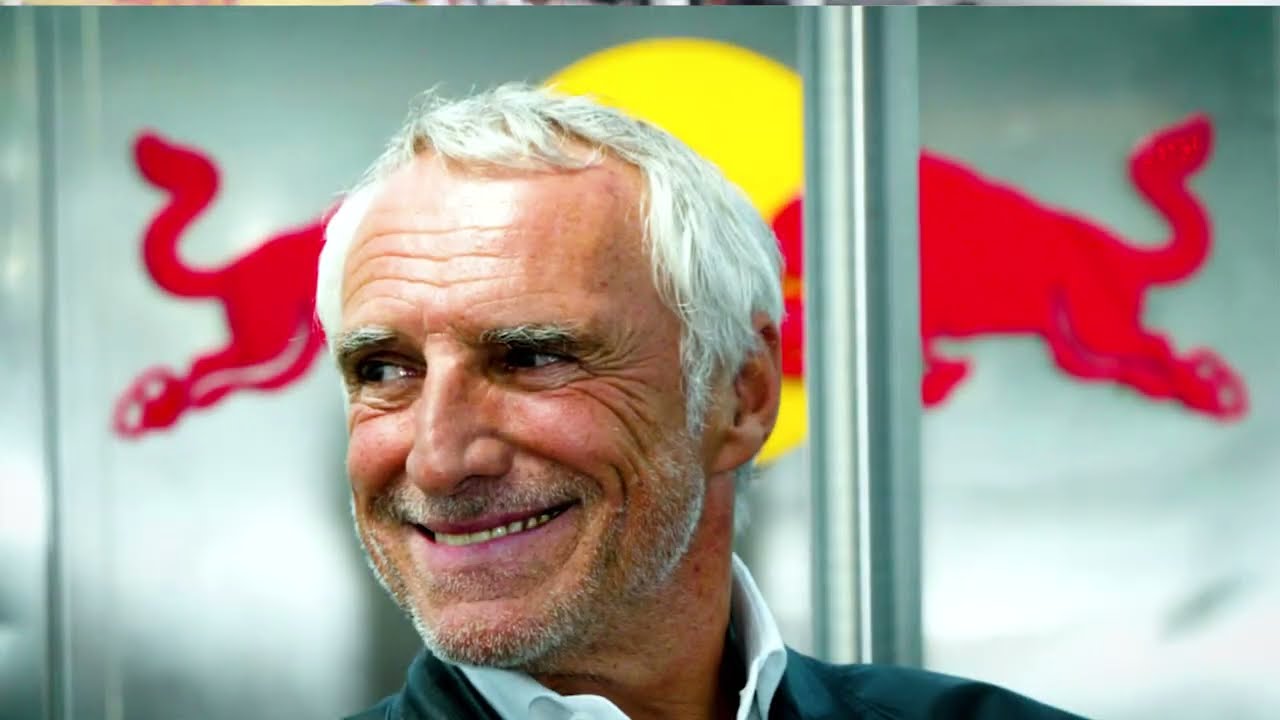
But what happened next is where the story shifts drastically from audacious brilliance to something far more complicated, chaotic, and tragic. Almost exactly seven weeks after the Porsche deal dramatically collapsed, on October 22nd, 2022, Dietrich Mateschitz died. The visionary architect and undisputed patriarch of Red Bull’s Formula 1 dynasty was suddenly gone. The clear vision, ultimate authority, and unwavering stability that had shaped the tight-knit organisation for decades disappeared completely with him.
What rapidly followed was undoubtedly the most intensely turbulent period in Red Bull’s modern history. Adrian Newey, the greatest car designer the sport has ever produced, shocked the world by announcing his departure in May 2024, following a highly publicised and deeply damaging breakdown in his relationship with team principal Christian Horner. Jonathan Wheatley, the masterful race operations director who had been absolutely central to Red Bull’s phenomenal strategic dominance for years, left at the end of the 2024 season. Internal corporate power struggles that had been managed very quietly and cleanly for years suddenly became extremely public and incredibly messy. The mighty dynasty that had once seemed completely untouchable suddenly began to look genuinely, terrifyingly fragile. Red Bull had defiantly rejected Porsche to heroically protect the culture that Mateschitz built; then, within a mere two years, the very people who physically embodied that winning culture were gone.
Meanwhile, needing an engine solution, Red Bull eventually found a completely different manufacturer partner. American giant Ford officially announced in early 2023 that they would join forces with the team. The Red Bull Ford Powertrains partnership was set to cover the 2026 regulations and beyond. But crucially, Ford contributes highly specific expertise in battery technology, electric motor development, and complex power unit software, comfortably embedded directly within Red Bull’s existing operation in Milton Keynes. It is strictly a technical collaboration. It is a partnership, emphatically not a co-ownership. Ford willingly accepted the exact thing that Porsche had arrogantly refused to accept: absolute participation entirely on Red Bull’s terms.
The stark contrast between these two approaches is incredibly revealing. Porsche came to Formula 1 aggressively wanting to co-own the dynasty. Ford came to Formula 1 humbly wanting to be part of it. One of those initial conversations ended in a cheerful, optimistic press release. The other ended in a deleted, leaked regulatory filing on a Moroccan government website that was never supposed to exist. What that specifically tells you about the difference between the two corporate deals is absolutely everything. Ford completely understood exactly what Red Bull was selling. Porsche incorrectly thought Red Bull was selling something entirely different.
Now, look at the brutal reality of the track. After six intense rounds of the deeply challenging 2026 season, Red Bull finds themselves languishing in an unfamiliar fourth place in the constructor’s championship, a massive 72 points behind their fierce rivals at McLaren, Ferrari, and Mercedes. Max Verstappen’s best finish so far is a frustrating third place in Canada. The highly anticipated Red Bull Ford power unit has shown deeply concerning reliability problems under race conditions. The fiercely independent team that bravely rejected Porsche to protect its sacred autonomy is currently being comfortably outscored by rival teams operating with a mere fraction of Red Bull’s historic resources and recent winning history.
Of course, the 2026 season is still relatively young. Red Bull has certainly been in difficult positions before, and if any team knows exactly how to aggressively dig deep and find performance, it is them. But the glaring gap between where they currently are and where they once were is painfully real. And the brilliant minds who helped build that massive gap in the first place—Newey, Wheatley, and Mateschitz—are tragically no longer there to save them.
Porsche, for its part, finds itself in an equally bitter position, with absolutely no Formula 1 presence at all. They have no racing team, no hybrid engine, and no entry on the grid. The Volkswagen Group’s grand, earth-shattering dual strategy has so far produced considerably less than it proudly promised the world. Audi’s complex Sauber project has already suffered through multiple messy leadership changes and remains a deeply challenging work in progress. The ambitious corporate plan that was supposed to loudly bring two of the biggest, most successful names in motorsport back to the grid simultaneously has frustratingly stalled on both sides.
Formula 1 has always carried a quiet, fascinating philosophical argument at its core about what the sport actually rewards. There is a romantic version of the sport where sheer individual brilliance—an extraordinary driver, a genius designer, an unyielding team culture—can successfully override massive institutional and financial advantage. Red Bull spent fifteen glorious years loudly making that exact argument. They made it incredibly convincingly. They made it with consecutive world championships, shattered lap records, and unforgettable moments that fans will passionately talk about for decades to come.
The lingering question that the 2026 season is now answering, slowly and painfully race by race, is whether that romantic argument still genuinely holds up in a high-tech sport that has rapidly changed around it. Red Bull spent years emphatically proving that fierce independence could consistently beat massive manufacturers. Then Porsche arrived with billions of dollars and demanded half the company. Red Bull proudly said no. Four dramatic years later, Porsche isn’t in Formula 1 at all, and Red Bull is desperately fighting just to get back to the front. And the ultimate question still heavily hangs over the entire sport: was rejecting Porsche the absolute smartest, bravest decision Red Bull ever made to protect its soul, or will history remember it as the most devastatingly expensive mistake in Formula 1 history?