The Beast Awakens: Why Istanbul Park’s 2027 Formula 1 Return Changes the Entire Racing Landscape
A Statement on the Streets of Istanbul
On April 24, 2026, the piercing scream of a Formula One engine echoed across the Bosphorus waterfront, shattering the usual morning hum of Istanbul. A premier class racing car tore through the historic streets, navigating its way from Galataport straight to the majestic Dolmabahce Presidential Palace. This was not a renegade joyride, nor was it a standard promotional run. It was a massive, unapologetic statement of intent.
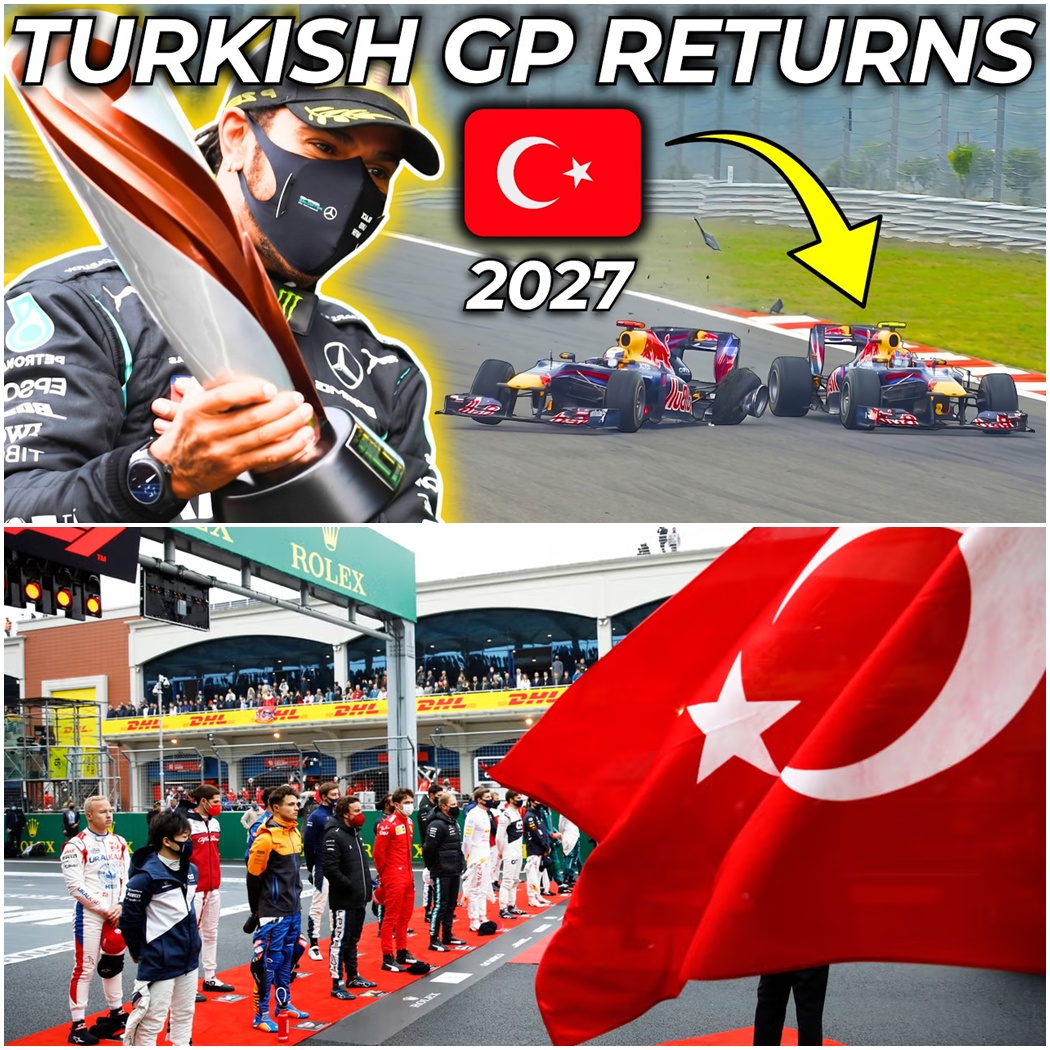
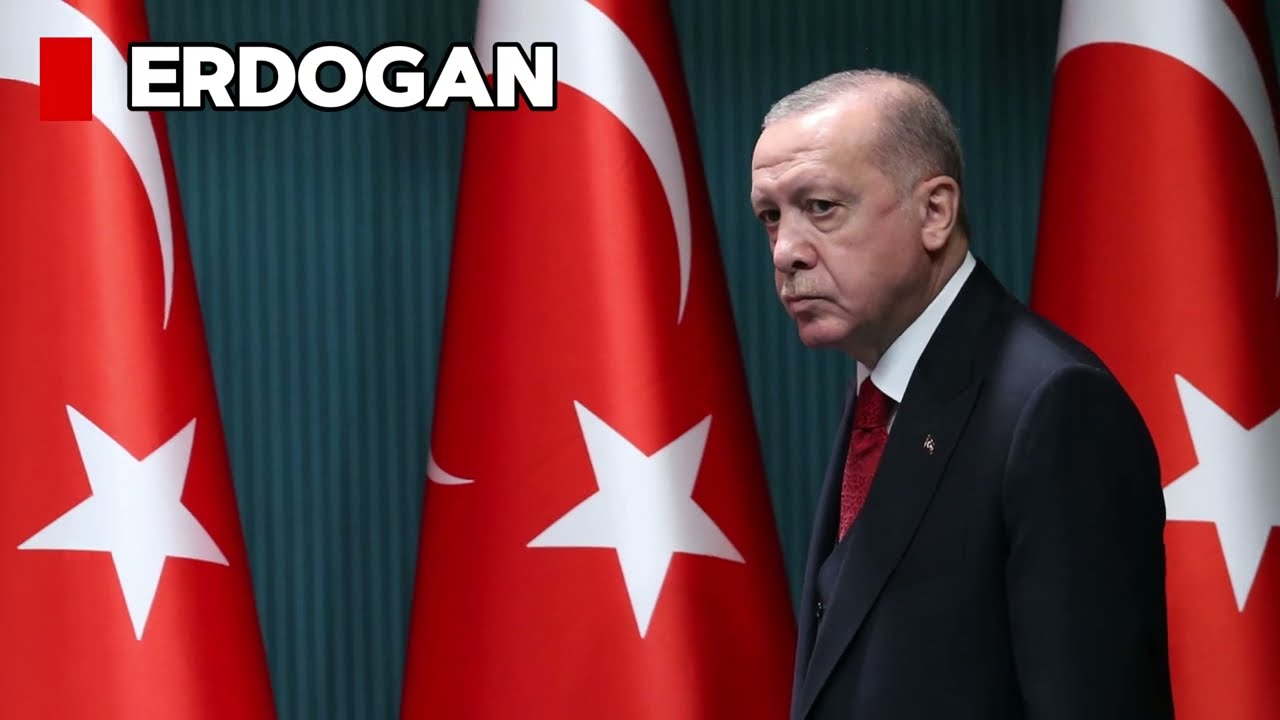
Standing shoulder-to-shoulder, Turkish President Recep Tayyip Erdogan, Formula One CEO Stefano Domenicali, and FIA President Mohammed Ben Sulayem officially confirmed what a passionate fanbase of 19 million Turkish motorsport enthusiasts had been desperately waiting six agonizing years to hear. Istanbul Park is officially back. The sweeping, unforgiving asphalt of one of the world’s most beloved circuits will host a Grand Prix from 2027 through 2031. This is a monumental five-year chapter that redefines the immediate future of the sport.
However, this announcement is not just about another dot returning to an increasingly crowded global calendar. It is about the resurrection of a specific, magical circuit that drivers across every single generation speak of with an almost religious reverence. They describe Istanbul Park in a way they describe virtually no other venue on earth. It is not just fast. It is not just technical. It is not just physically challenging. It is all three of those grueling elements fused simultaneously into a masterclass of track design, highlighted by a single combination of corners that only one place on the planet can offer.
The Terrifying Brilliance of Turn 8
If you truly want to understand why Istanbul Park’s return provoked such an intensely emotional reaction—from drivers who wrestled cars there fifteen years ago, from fans who campaigned relentlessly for its revival, and from Domenicali himself, who dubbed it “one of the most exciting and challenging circuits in Formula 1″—you have to understand the monster that is Turn 8.
Turn 8 at Istanbul Park is not the fastest corner in Formula One, nor is it the longest. But it is, without a shadow of a doubt, the most complete and brutal test of a driver and a machine working together at the absolute, ragged limit of what the laws of physics permit. It is a sustained, high-speed, downhill left-hander that sweeps across four entirely separate apex points, demanding approximately six agonizing seconds of flat-out, unwavering commitment. There is absolutely no equivalent to this corner anywhere else on the global calendar.
The sheer violence of the corner begins immediately after the back straight. The car is traveling at an eye-watering speed of approximately 290 kilometers per hour. When the driver spots the entry point, their natural survival instinct screams at them to brake. But in Turn 8, there is no braking. The elite drivers do not even lift their foot off the throttle. They carry that terrifying speed into a sweeping geometry that tightens, suddenly opens up, and then aggressively tightens again.
Simultaneously, the track drops sharply downhill. This rapid descent means the car is generating a massive, ever-increasing amount of aerodynamic downforce as it accelerates through the curve, creating a brutal physical loading environment that radically changes four distinct times across the length of a single corner. In a standard Formula One turn, a driver finds one specific point of maximum lateral load, the chassis settles, and they power out. In Turn 8, the load violently shifts at every single apex. The tires are instantly pushed to their absolute thermal and mechanical limits. The driver’s neck is subjected to bone-crushing G-forces, and they have to manage all of this chaos while remaining flat on the accelerator.
Turn 8 is the ultimate truth-teller. It violently exposes the massive difference between a driver who is merely fast, and a driver who is truly great. Fast drivers survive Turn 8 quickly. Great drivers conquer it at a speed that makes the impossible look effortlessly manageable. We saw Sebastian Vettel master it in his 2011 qualifying run. We witnessed Lewis Hamilton tame it in the treacherous rain in 2020. We watched Kimi Raikkonen own it in 2005. Every generation has produced that one magical lap through Turn 8 that nobody else could possibly match.
A History of Chaos and Greatness
Istanbul Park has only hosted nine Grands Prix in its history, yet it has produced a massively disproportionate number of the iconic moments that have defined Formula One’s modern era. The track layout intrinsically generates a level of intensity where basic self-preservation frequently loses out to raw competitive instinct.
Consider the 2006 race, where Felipe Massa crossed the finish line a microscopic 0.081 seconds ahead of the legendary Michael Schumacher. It was an astonishing climax after 58 grueling laps of genuine, wheel-to-wheel warfare between two of the sport’s absolute greatest drivers, resulting in one of the tightest winning margins in motorsport history.
Then, there was the political earthquake of 2010. Sebastian Vettel and Mark Webber, driving the absolutely dominant Red Bull machinery, were locked in a bitter fight for the championship. On the incredibly fast run down to Turn 12, with Webber leading and Vettel aggressively attempting a pass, the two teammates catastrophically collided. Both cars were heavily damaged, throwing away a guaranteed one-two finish and permanently fracturing the team dynamic. Only a circuit as inherently aggressive as Istanbul Park can force teammates to push each other over the absolute edge.
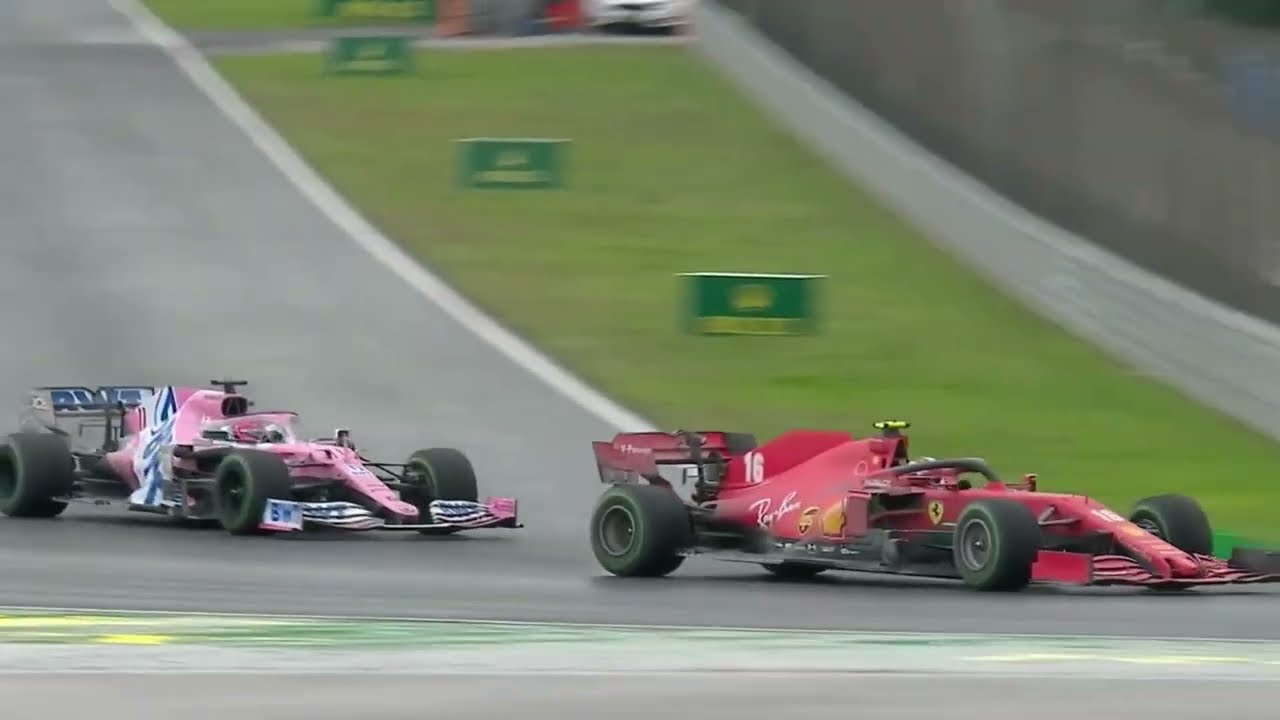
We also cannot forget the historic 2020 race. Lewis Hamilton arrived in Turkey desperately needing a victory to secure his seventh world championship, a result that would equal Michael Schumacher’s supposedly untouchable all-time record. The conditions were apocalyptic. It was pouring rain on a newly laid track surface so incredibly slippery that drivers were spinning their cars at a walking pace in the pit lane. Yet, Hamilton drove what he later described as one of the best races of his entire life, crossing the line in tears to cement his legacy.
The Financial Battle for Survival
If the racing was always this spectacularly good, why did Istanbul Park ever leave? The answer, as it almost always is in the ruthless business of Formula One, was money.
The circuit’s original exit from the permanent calendar back in 2011 was entirely financial. The local circuit operator simply could no longer meet Formula One’s astronomical hosting fee requirements. While the race temporarily returned in 2020 and 2021, those were strictly COVID-19 replacement events—emergency, cut-price bookings rather than long-term strategic deals. Once the global pandemic ended, Turkey was swiftly removed from the calendar again.
From 2022 onwards, bringing Turkey back became a massive, highly complex ongoing negotiation. The financial barrier was immense. Formula One’s current hosting fees for a premier event are estimated to be between $30 million and $60 million per year. For several years, Turkey lacked the commercial infrastructure to support that staggering level of investment.
The massive breakthrough finally arrived in 2024. A powerful consortium, partly owned by Lale Cander—the highly influential chairwoman of Pirelli’s Turkish branch—successfully acquired the operating rights to Istanbul Park for an unprecedented 30-year period, at a cost of approximately $17.8 million. The new operators were given a clear, uncompromising mandate: secure a permanent Formula One deal by 2026. They missed that initial target by just one year, but they delivered a concrete 5-year contract that grants the circuit much-needed commercial stability through 2031.
To make room for Turkey, the calendar had to shift. The beloved Dutch Grand Prix at Zandvoort has a contract expiring after 2026, and its departure created the exact slot that Istanbul desperately needed.
The 2027 Unleashing
The timing of this return could not possibly be better. The 2027 Formula One season is slated to arrive with a heavily revised regulatory framework, directly built upon the harsh lessons learned during the troubled rollout of the 2026 cars.
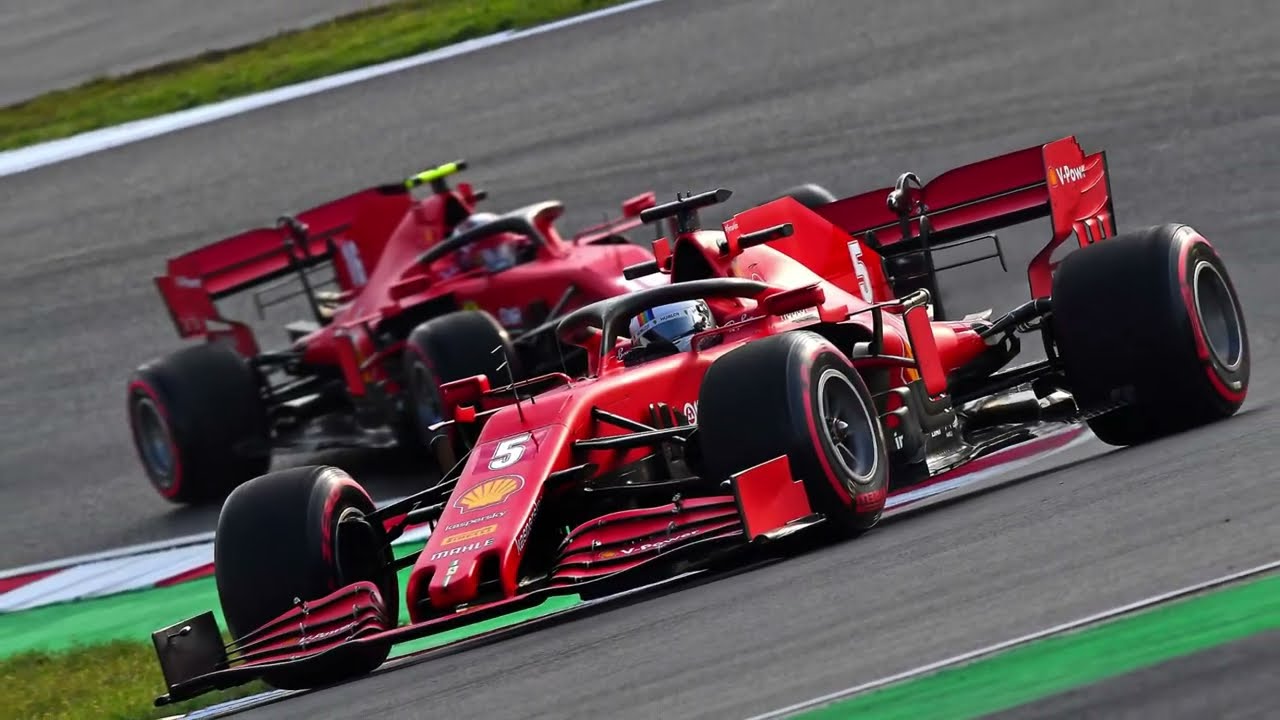
Istanbul Park is a circuit that aggressively demands flat-out commitment, induces massive tire degradation across its sweeping middle sector, and encourages genuine, late-braking overtakes into Turn 12. This is a track best experienced when the cars can freely express the absolute maximum range of their aerodynamic and engine performance, without being artificially constrained by conservative energy management algorithms that prioritize saving battery life over pure driver input.
Under the restrictive 2026 regulations, that full expression simply was not possible. At a circuit where the fundamental challenge is carrying maximum speed through Turn 8 for six straight seconds, a car that has to suddenly harvest battery power halfway through the corner cannot fully communicate what Istanbul Park was brilliantly designed to reveal. The 2027 season represents the ultimate opportunity to fix that mechanical flaw and unleash the true potential of these machines.
Six years is an incredibly long time to wait for something that never should have left in the first place. But the deal is signed. The money is secured. The greatest corner in motorsport is coming back to test a brand new generation of drivers. Istanbul Park gives the fans everything they have ever wanted from racing, and in 2027, the beast will finally awaken once again.








