The 2026 Season Reset: The Biggest Fatal Weakness Every F1 Team Must Fix Before Miami
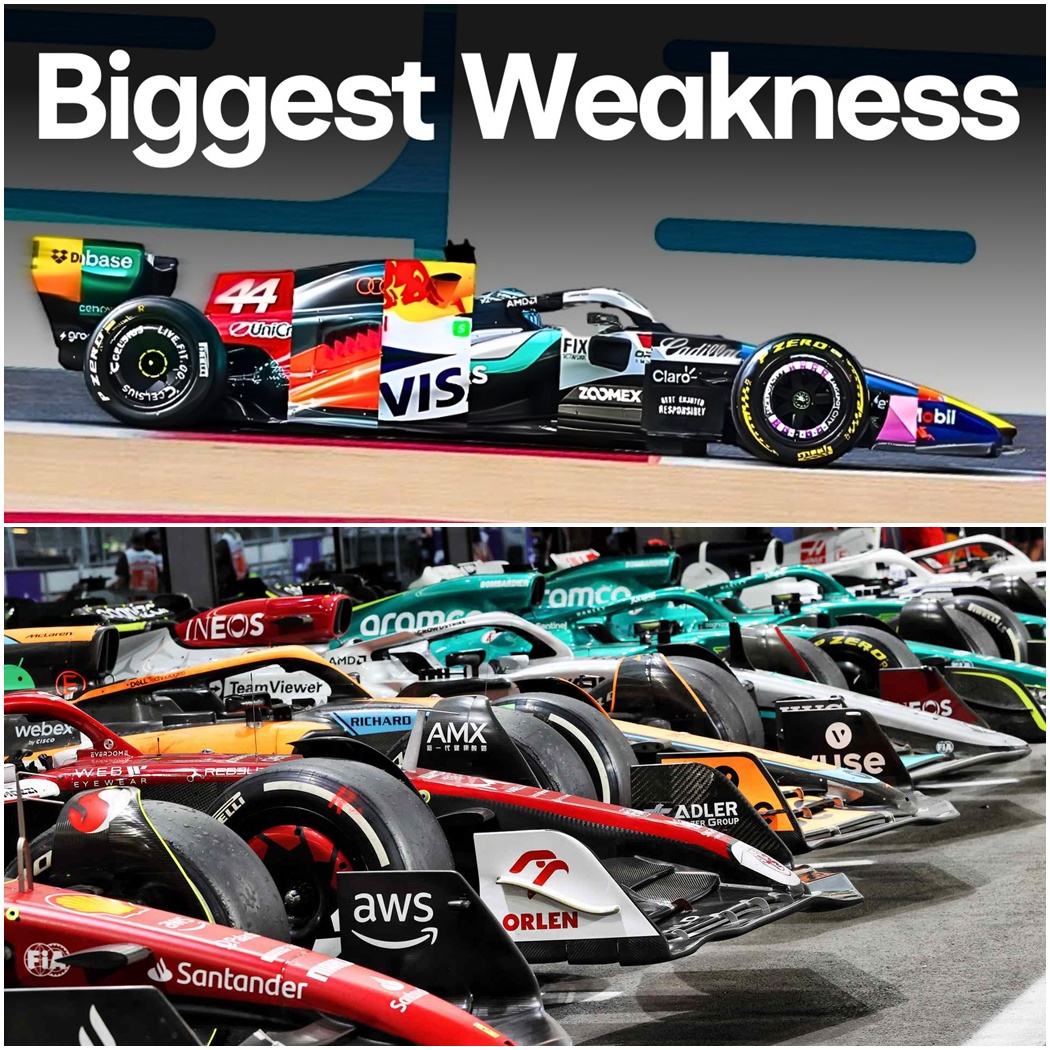
A Frantic Race Against Time
The highly anticipated 2026 Formula One season has burst out of the gates, but not in the way anyone predicted. Following the unexpected cancellations of the Bahrain and Saudi Arabian Grands Prix, the normally steady rhythm of the racing calendar was thrown into utter chaos. Suddenly, the teams found themselves staring down a massive, unintended April break. In the high-stakes world of Formula One, empty time is never just a vacation; it immediately transforms into a cutthroat development sprint.
The first three races in Australia, China, and Japan acted as a brutal magnifying glass, exposing clear, lap-time-bleeding weaknesses up and down the grid. No car is perfect, and right now, the engineering departments back at the factories are working around the clock. The upcoming Miami Grand Prix is no longer just a race; it is officially a complete season reset. Every single team has a massive, fatal flaw they absolutely must solve if they want to survive the rest of the year. Let us dive deep into the fascinating mechanical drama and uncover exactly what each team is desperately trying to fix.
The Heavy Hitters: Mercedes, Ferrari, and McLaren
You might assume that the reigning front-runners are sitting comfortably, but the reality is incredibly tense. Mercedes has undeniably started the 2026 campaign with the best overall car on the grid. The W17 is a masterpiece of aerodynamic efficiency and power unit integration. However, they possess a glaring Achilles’ heel: their race starts are deeply flawed. George Russell and highly-rated rookie Kimi Antonelli have repeatedly been swallowed up off the starting line. The culprit? Extreme turbo lag. Mercedes boldly opted for a longer gearing design to dominate high-speed straights, but it is costing them dearly when the lights go out. Furthermore, their car absolutely despises “dirty air.” When they lose positions at the start, they struggle to fight back through the pack. Their absolute priority for Miami is expanding their dirty air tolerance.
Over at Maranello, Ferrari has emerged as the second-best force, boasting what many consider to be the fastest car through the corners. Yet, they are hiding a deeply frustrating secret beneath the engine cover. The legendary Italian squad is suffering from a devastating horsepower deficit, estimated to be around 30 horsepower down compared to Mercedes. Lewis Hamilton has openly admitted they are struggling heavily on the straights. Ferrari purposely chose a smaller turbocharger to guarantee lightning-quick race starts, but this compromise has crippled their peak electrical energy deployment. As a result, the SF26 shoots off the line but fades painfully as the race progresses. Team Principal Fred Vasseur is desperately waiting for an FIA-approved engine upgrade, but until then, they are relying on radical aerodynamic tweaks—like testing the highly controversial “Macarena” rear wing—to shed drag and stay in the fight.
McLaren, meanwhile, has been incredibly impressive, dramatically closing the performance gap to the Mercedes works team. They have a brilliant chassis in the slow-speed sections, but they are bleeding precious downforce in the medium and high-speed corners. This flaw stems from a bold design choice: McLaren built a significantly shorter gearbox to save weight, which has inadvertently caused an exponential loss of downforce relative to vehicle speed. Team Principal Andrea Stella has openly promised a massive upgrade package for Miami to finally cure this high-speed instability and cement McLaren as a consistent, weekly threat.
The Baffled Giants and Midfield Scrambles
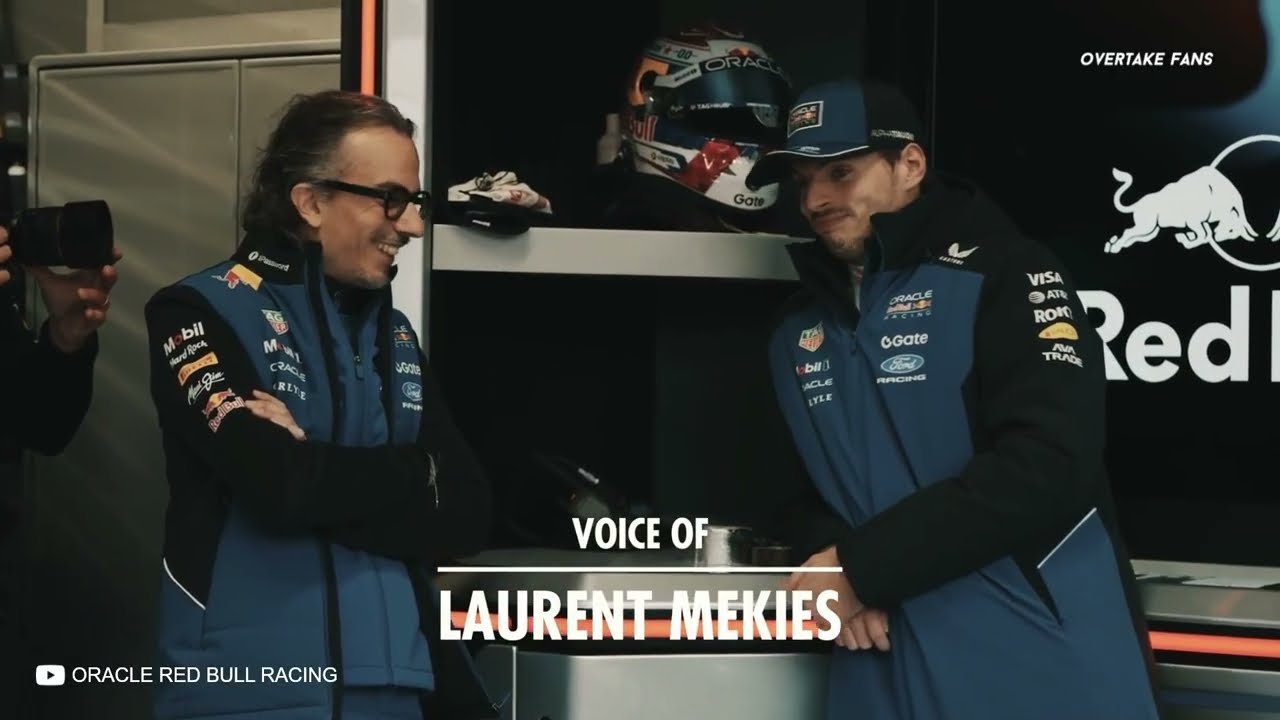
The most shocking narrative of 2026 belongs to Red Bull Racing. Developing their own power unit for the very first time was supposed to be their biggest hurdle, but incredibly, their new engine is widely considered the second-fastest on the grid. Their nightmare is actually the RB22 chassis itself. The car is suffering from chronic, uncontrollable mid-corner understeer. Max Verstappen and Isack Hadjar have been heavily complaining that no matter what setup changes they apply, the car remains unresponsive and difficult to trust. Team boss Laurent Mekies has openly admitted the team is completely baffled. They are dragging targeted floor upgrades to Miami in a desperate bid to find balance, but they are absolutely not expecting any overnight miracles.
In the fiercely competitive midfield, Haas and Alpine are facing their own unique demons. The Haas VF26 is actually a brilliant all-rounder, giving their drivers immediate confidence. However, it is fundamentally lacking aerodynamic efficiency, acting somewhat like a parachute on the straights. This forces their electrical energy system to work overtime, resulting in severe lap time loss. Alpine, on the other hand, has made a great decision switching to Mercedes power, completely turning their fortunes around after a dismal 2025. Yet, both Pierre Gasly and Franco Colapinto are battling terrifying high-speed understeer. Alpine is bringing major upgrades to Miami, having recently tested new parts during a secret Silverstone filming day, hoping to finally unlock the true potential of their Mercedes engine.
The Racing Bulls squad is dealing with a highly temperamental machine. Their VCU 03 is quick, but its operating window is dangerously narrow. The car is incredibly unstable under heavy braking and suffers from a stubborn understeery balance that severely compromises their qualifying pace. When the tires get softer, the car becomes nearly uncontrollable. Their primary mission is widening that sweet spot to give their drivers some much-needed predictability.
Audi, making their grand entrance, is facing pure embarrassment on Sunday afternoons. They have designed a solid V6 engine, but they aggressively opted for a massive turbocharger. The result? Immense, debilitating turbo lag. When the lights go out, the engine bogs down, followed by massive wheelspin. To the naked eye, the Audi simply looks like it is standing still while the rest of the grid flies by. They are averaging a loss of four positions on the opening lap alone. Mattia Binotto has essentially admitted there is no quick, straightforward fix for this year, forcing them to pray for a regulatory upgrade opportunity.
The Rear Guard: Williams, Cadillac, and an Aston Martin Nightmare
At the back of the pack, the heartbreak is palpable. Williams has suffered a horrific start to 2026. After a brutal crash test failure in the pre-season, the team was forced to reinforce the FW48, resulting in a car that is a staggering 30 kilograms overweight. In Formula One, that translates to losing nearly a full second of pure lap time. To make matters worse, Carlos Sainz has described the car’s terrifying lack of downforce as “three-wheeling” through the corners. Team boss James Vowles is rushing the first batch of crucial weight-saving upgrades to Miami, but it will be a long, painful road to recovery.
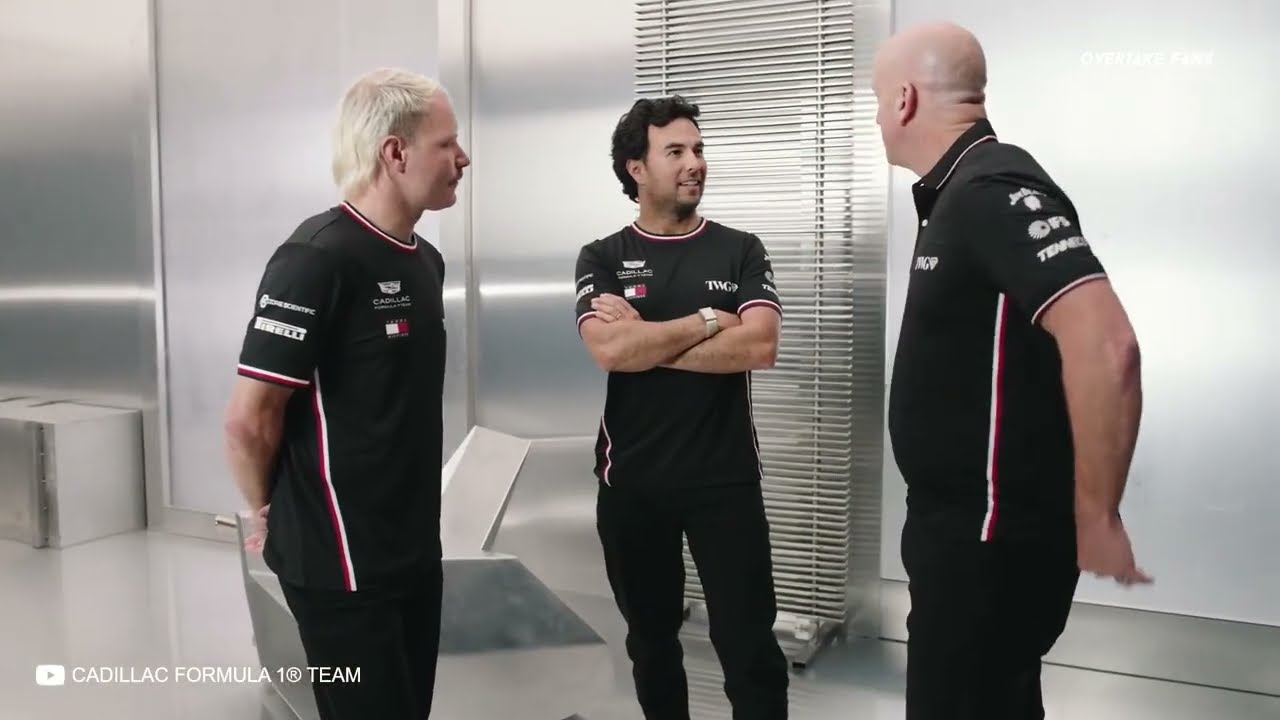
Conversely, the brand new Cadillac squad has been a wonderful surprise. Armed with Ferrari power, the MAC 26 is fundamentally sound and well-balanced. Valtteri Bottas and Sergio Perez genuinely enjoy driving the car, but it simply lacks the overall downforce load required to actually fight in the midfield. They are introducing major aerodynamic tweaks in Miami, hoping to add usable downforce without ruining the car’s currently pleasant handling characteristics.
Finally, we reach the most catastrophic story of the year: Aston Martin. Before the season, many predicted they would be fighting for a world championship. Instead, their transition to the new Honda power unit has triggered an absolute disaster. The Honda engine is suffering from incredibly violent vibrations, costing the team a massive two seconds per lap. These vibrations are so severe they are actively destroying the battery components and posing a legitimate risk of long-term nerve damage to the drivers.
Furthermore, the Honda V6 is shockingly underpowered—an estimated 50 to 60 horsepower down on Mercedes—and carries roughly 10 kilograms of excess weight. Even a brilliant mind like Adrian Newey cannot easily design a car out of a hole this deep. Until Honda fundamentally resolves these massive reliability and performance issues, Aston Martin is firmly anchored to the very back of the grid, enduring a completely lost season.
As the paddock packs its bags for the sunshine and glamour of South Florida, the tension behind the pit wall is thick enough to cut with a knife. The Miami Grand Prix is not just the next race on the calendar; it is a desperate test of survival, engineering prowess, and sheer willpower. Every team knows their fatal weakness, and now, the entire world is about to see who actually has the ability to fix it.








