How Susie Wolff Masterminded a Formula One Revolution and Saved F1 Academy From Silent Oblivion
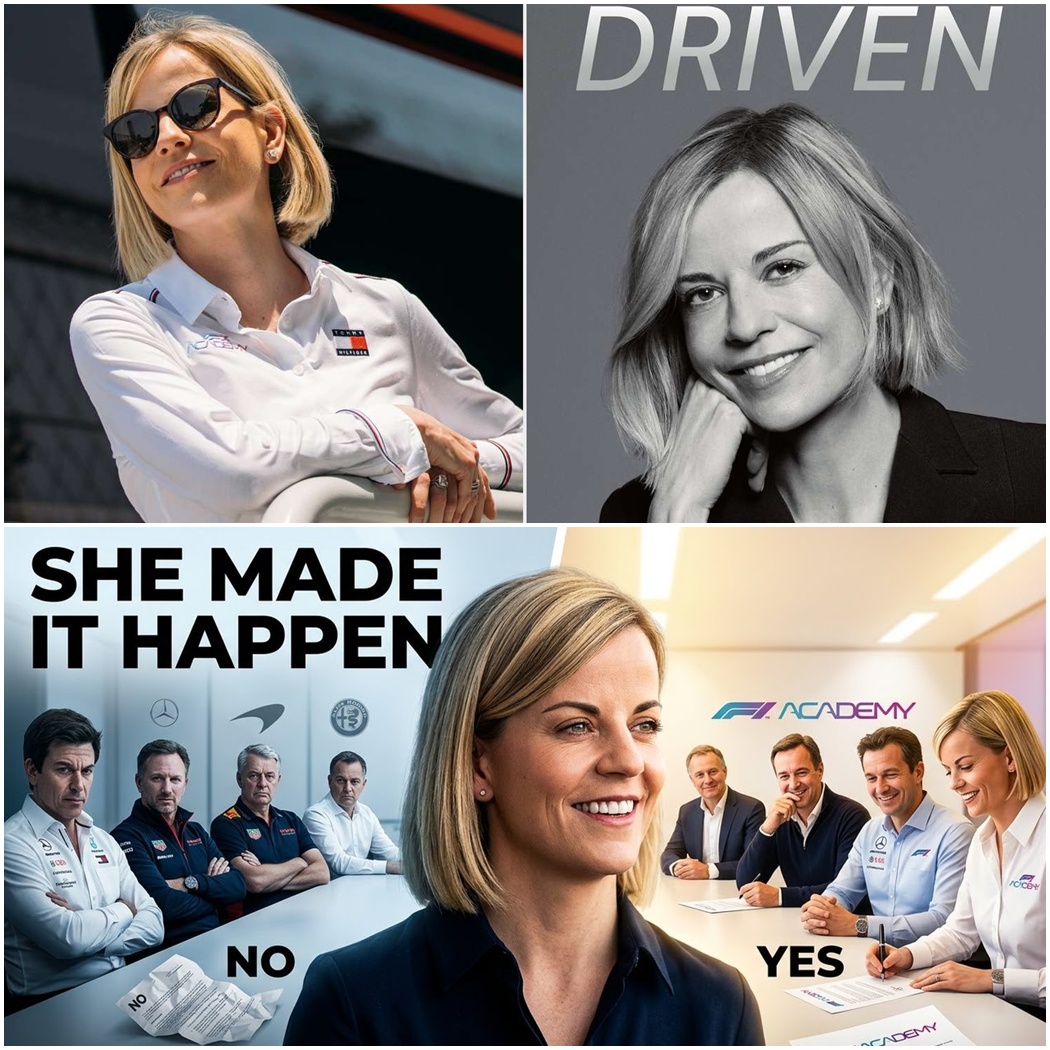
The world of Formula One is synonymous with unparalleled spectacle. It is a travelling global circus of eccentric billionaires, cutting-edge engineering, and ferocious competition, all wrapped securely in an atmosphere of deafening engines and roaring crowds. However, there is a quieter, significantly darker side to the ruthless business of motorsport—one where progressive dreams are quietly snuffed out before they ever reach the broadcast cameras. This was almost the precise fate of the F1 Academy, a visionary project designed to champion female racing drivers that came dangerously close to total collapse before the world even noticed its existence.
For decades, the pinnacle of motorsport has remained an exclusive boys’ club, heavily guarded by tradition, astronomical costs, and deeply entrenched systemic biases. The last time a woman successfully competed in a Formula One Grand Prix and scored championship points was Lella Lombardi in 1975—a stark statistic that stands as a glaring indictment of the sport’s flawed developmental pipeline. The F1 Academy was enthusiastically conceptualised as the ultimate antidote to this historical imbalance. It was pitched to the media as a revolutionary step forward, a dedicated series that would finally provide young female drivers with the financial backing, track time, and global exposure necessary to permanently shatter the glass ceiling of motorsport.
But as with many ambitious corporate projects, the vast gulf between the initial press release and the harsh reality of execution was alarmingly wide. Had it not been for the sheer political force, tactical brilliance, and unyielding determination of one woman, the entire initiative would have vanished into the annals of forgotten motorsport ventures. That woman was Susie Wolff. Her intervention did not merely salvage a failing racing series; it fundamentally altered the political landscape of Formula One, forcing the most powerful racing teams on the planet to put their money, their prestige, and their global reputations precisely where their mouths were.
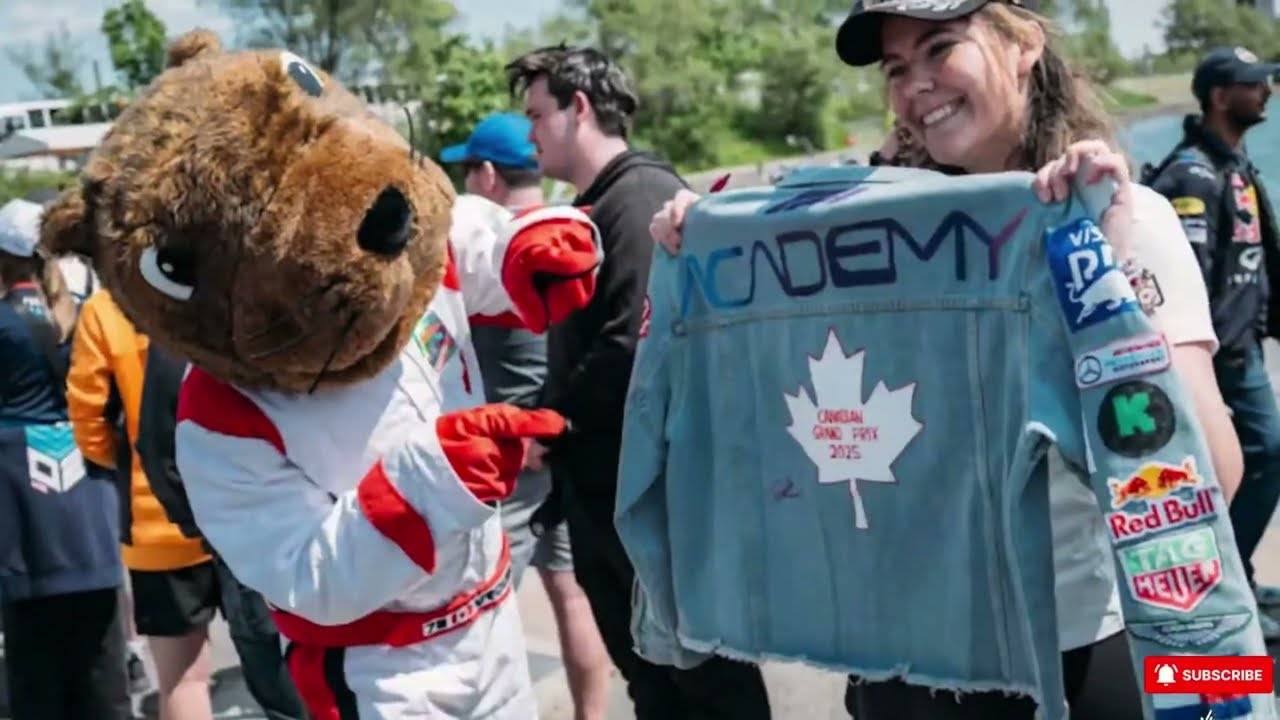
The Haunting Silence of Circuit Paul Ricard
The terrifying magnitude of the impending disaster did not reveal itself during a high-stakes board meeting in a glass-walled skyscraper, nor did it manifest in a fiery, leaked exchange of corporate emails. Instead, the stark reality struck Susie Wolff in the middle of a desolate car park in the south of France.
Arriving at the Circuit Paul Ricard for an early F1 Academy race weekend, Wolff was mentally prepared for the familiar, intoxicating chaos of a professional motorsport event. She anticipated the gridlock of massive team trucks, the vibrant, pulsing energy of expectant fans, the constant hum of generators, and the sharp, unmistakable scent of burning rubber lingering in the air. What she encountered instead was a chilling, absolute void.
There was no traffic. There were no eager crowds queuing impatiently at the turnstiles. The grandstands were utterly deserted, standing like concrete skeletons against the picturesque French skyline. The silence was so profoundly unnatural that Wolff genuinely believed, for a fleeting moment, that she had mistakenly arrived on the wrong weekend.
Unfortunately, the grim reality waiting for her inside the paddock was significantly worse than simple geographical isolation. It was a hostile environment teetering precariously on the very edge of institutional mutiny. Almost immediately upon her arrival, anxious team bosses began to quietly pull her aside, delivering severe warnings that sent immediate shockwaves through the fragile foundations of the series. They were not merely expressing polite dissatisfaction with the logistics; they were actively preparing to withdraw their operations. Crucially, they were not planning to politely leave at the end of the season in an orderly fashion—they were looking to pull the plug immediately, packing their tools and vanishing into the night.
The lifeblood of motorsport—corporate sponsorship money—was completely absent. Without the necessary funds to keep the complex operation afloat, the teams could simply not justify the relentless expenditure. To compound the overwhelming misery, young, terrified female drivers began approaching Wolff with tears in their eyes, openly confessing that they could not afford to make the remaining scheduled payments required to secure their hard-earned seats. The entire system was fracturing in real-time, collapsing dramatically under the immense, crushing weight of its own structural flaws.
A Fundamentally Flawed Business Model
To properly understand why the F1 Academy was bleeding to death, one must first critically examine the original blueprints of its creation. When the series was initially announced, the financial structure sounded entirely logical, at least on paper. The immense burden of funding would be divided into three equal pillars: Formula One Management itself would benevolently pay one-third of the operational costs, the participating racing teams would cover another third, and the drivers themselves would be strictly responsible for sourcing the final third through their own independent sponsorships.
It was an elegant financial theory that rapidly devolved into absolute chaos the exact moment it encountered the brutal, unforgiving reality of the open corporate market.
Racing a sophisticated single-seater car around international circuits is an inherently exorbitant exercise. We are talking about hundreds of thousands of pounds strictly required for ongoing chassis maintenance, expensive engine leases, vital wind tunnel testing, complex travelling logistics, and the employment of a small, highly trained army of engineers and mechanics. By forcing young women—who already face immense, systemic prejudice when pitching to male-dominated corporate boards—to independently source a third of these astronomical budgets, the series inadvertently set them up to fail spectacularly.
Because every team and every individual driver was left completely to their own devices, they all entered the exact same corporate market simultaneously, fighting tooth and nail against each other for the exact same limited pool of sponsorship capital. There was absolutely no centralised commercial strategy, no unified brand identity, and most damagingly, no guaranteed television audience. The tragic result was a chaotic race to the bottom. Some desperate drivers were effectively begging for €5,000 just to buy a set of fresh tyres, while others were confidently asking for half a million euros to fund comprehensive, multi-year development programmes.
Corporate sponsors, who are fundamentally driven by strict metrics and guaranteed return on investment, took one fleeting look at the chaotic proposition and collectively closed their chequebooks. The corporate world is exceptionally cynical. Marketing directors sitting comfortably in boardrooms in London, New York, and Tokyo demand engagement, measurable metrics, and guaranteed global broadcast visibility. They are not in the business of philanthropy. When they swiftly realised that the F1 Academy was operating on the quiet periphery, completely detached from the glittering, billion-dollar spectacle of the main Formula One show, they walked away. The harsh truth was glaringly obvious: why would any major international brand invest substantial capital to paint their logo on a race car that was silently circulating a track in front of completely empty grandstands?
Motorsport is undeniably a sport built on passion, adrenaline, and emotion, but at its cold, metallic core, it is a ruthless business. And businesses simply do not invest in invisibility. Susie Wolff understood something absolutely critical in that bleak, lonely French paddock: the F1 Academy did not merely suffer from a lack of funds. It suffered from a profound lack of legitimacy. And in the insular, heavily guarded, elitist world of Formula One, legitimacy is a rare currency that is solely distributed by the ten established teams on the grid.
The Radical Pitch to Stefano Domenicali
Faced with the total disintegration of her mandate, Susie Wolff realised that incremental adjustments or polite requests would be entirely useless. The dying series required a monumental, unprecedented shock to the system. The narrative immediately shifted from a desperate, panicked battle for survival into a high-stakes masterclass in paddock politics.
Wolff picked up the telephone and directly connected with Stefano Domenicali, the powerful Chief Executive Officer of Formula One. Her aggressively proposed solution was as radical as it was completely unprecedented: she demanded to bring all ten Formula One teams directly into the F1 Academy. She did not want them there symbolically, offering hollow, PR-approved quotes for meaningless press releases. She demanded that they be completely integrated commercially, visually, and financially.
Wolff envisioned a unified ecosystem where an F1 Academy car would be painted in the exact same iconic livery as its parent Formula One team. Every massive global brand operating within the absolute pinnacle of motorsport would have an undeniable, highly visible stake in the women’s series.
In hindsight, the brilliant concept seems incredibly obvious. But at the time, it was a wildly dangerous gamble. Formula One teams are notoriously protective of their brand equity. They spend hundreds of millions of pounds annually cultivating an image of exclusive, uncompromising excellence. Several prominent team principals harboured serious, vocal reservations about attaching their pristine, billion-dollar global brands to a struggling, amateurish support series whose commercial viability was highly suspect.
Wolff was consequently forced to embark on an arduous, exhausting diplomatic campaign, marching from opulent motorhome to opulent motorhome, from team boss to team boss, effectively selling a vision of the future that did not yet exist. She had to forcefully convince hard-nosed billionaires that investing directly in female drivers was not just a moral obligation to society, but a strict commercial necessity for their own future survival.
The Brutal Ultimatum from Her Own Husband
One might logically assume that Wolff possessed a significant, unbeatable trump card in her difficult negotiations: her husband, Toto Wolff, is the tremendously powerful Team Principal and Chief Executive Officer of the Mercedes-AMG Petronas Formula One Team. Surely, securing the vital backing of the mighty Mercedes empire would be a simple, over-the-breakfast-table formality.
The reality was dramatically different, perfectly highlighting the complex and often deeply cynical nature of paddock politics. According to Susie Wolff herself, Toto flatly refused to be the first team principal to sign his name on the dotted line.
His shocking refusal was not born of malice, nor was it a lack of belief in his wife’s visionary project. Rather, it was a highly calculated political manoeuvre. Toto deeply understood that if Mercedes were the very first team to pledge their financial support, the entire revolutionary initiative could be instantly dismissed by highly suspicious rival teams as an act of blatant nepotism—a husband simply doing an expensive favour for his wife. Such a catastrophic optics disaster would have permanently crippled the project’s credibility before a single contract was formally drafted.
Therefore, Toto issued a brutal, uncompromising ultimatum: Susie had to go out into the paddock and secure the firm commitment of six other Formula One teams entirely on her own merit. Once she miraculously reached that magic number, Mercedes would officially join as the seventh.
This severe edict changed everything. It meant Wolff had to walk directly into the hostile dens of Mercedes’ fiercest competitors and ask for their unconditional, financial support.
Forging Unlikely Alliances in the Paddock
The first monumental breakthrough finally arrived courtesy of Frédéric Vasseur, the charismatic and heavily pragmatic Team Principal of Scuderia Ferrari. Securing the backing of Ferrari was the direct equivalent of capturing the heavily guarded crown jewels of motorsport. When Vasseur agreed to support the F1 Academy, the abstract vision suddenly crystallised into something magnificent and tangible. The prospect of a vibrant red, officially Ferrari-backed car taking to the track mattered immensely—not just visually for the television cameras, but psychologically for the entire sport. When the legendary Prancing Horse stamps its seal of approval on a project, the rest of the competitive motorsport world is immediately forced to take it very seriously.
Shortly after Ferrari’s monumental commitment, Zak Brown, the aggressively commercial Chief Executive Officer of McLaren Racing, proudly brought his team into the fold. Another colossal brand, another vital, undeniable layer of credibility generously added to the foundation.
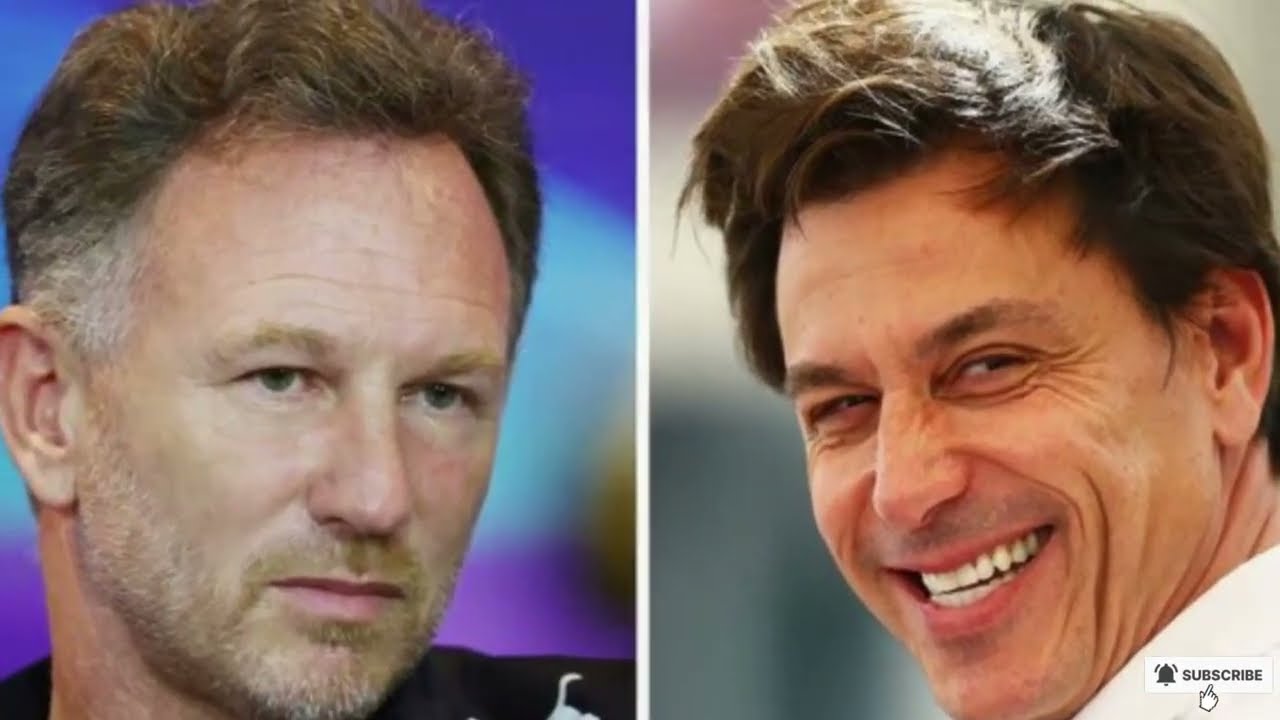
However, perhaps the absolute most fascinating and entirely unexpected development of the entire saga involved Christian Horner and Red Bull Racing. To truly appreciate the staggering gravity of this alliance, one must deeply understand the intensely bitter, deeply personal, and highly public rivalry that exists between the Wolff family and Christian Horner. The political warfare waged between Mercedes and Red Bull over the past several championship seasons has been one of the coldest, most fiercely toxic relationships in the entire modern era of Formula One.
Yet, despite the palpable, thick tension and the long history of venomous public sniping, Christian Horner reportedly offered his steadfast, unwavering support for the F1 Academy project. Why? Because even the most deeply entrenched rivals occasionally recognise when something significantly bigger than their own petty squabbles is genuinely at stake. Horner, standing alongside his elite peers, acknowledged the undeniable reality that Formula One desperately needed a robust, credible, and fully funded pathway for talented women to progress rapidly through the junior categories.
Slowly but surely, the impossible began to miraculously materialise. Four teams signed the paperwork. Then five. Finally, Wolff exhaustively secured the elusive sixth team. True to his strict word, Toto Wolff immediately brought the immense, terrifying weight of Mercedes-AMG to the negotiating table, firmly locking in seven of the ten total teams.
Cornering the Final Holdouts
With seven major global brands now publicly committed to the project, the entire dynamic of the negotiations shifted dramatically. The immense pressure now squarely rested on the hesitant shoulders of the final three teams.
This was arguably the most critical, highly dangerous psychological battle of the entire endeavour. As the legal paperwork began to freely circulate the paddock with seven confirmed, highly public signatures, the final three teams suddenly found themselves in a highly precarious, publicly dangerous position. If they stubbornly chose to stay out, they severely risked being globally branded by the media as the archaic, heavily misogynistic organisations actively blocking the vital progression of women in international motorsport. Alternatively, they could quietly swallow their massive pride and join the inevitable revolution before intense public pressure inevitably turned decisively against them.
It would have been incredibly easy for Susie Wolff to leverage the hungry media, to publicly attack those stubborn holdouts and aggressively shame them into immediate compliance. But she didn’t. She demonstrated remarkable, steely restraint, flatly refusing to expose their cowardly hesitancy to the waiting press. Instead, she maintained a relentless, suffocating campaign of private pressure.
She scheduled meeting after meeting, engaged in tense conversation after tense conversation, and fundamentally refused to ever accept ‘no’ for an answer. She allowed the sheer, terrifying weight of the impending PR disaster to do the heavy lifting for her. Eventually, her unwavering, terrifying persistence paid off. One by one, the remaining dominoes fell. Every single Formula One team completely capitulated and signed the agreement.
The Legacy and the Impending War
That single moment fundamentally and permanently changed the trajectory of the F1 Academy. The transformation was not simply a matter of politely solving every financial issue overnight. Rather, the series finally inherited Formula One’s absolute most powerful and fiercely guarded asset: global attention.
By intrinsically linking the F1 Academy directly to the ten constructor teams, every single brand suddenly possessed a vested, highly expensive interest in actively promoting the drivers, producing engaging social media content, and highlighting the weekend races. The visibility that comes with integration cannot be overstated. A young girl watching television on a Sunday afternoon no longer sees an unbranded, generic racing car; she sees the iconic papaya orange of McLaren, the historic rosso corsa of Scuderia Ferrari, or the sleek silver and black of Mercedes-AMG. She actively sees female athletes walking the exact same pit lane as Lewis Hamilton, Max Verstappen, and Charles Leclerc. This profound psychological shift completely alters the global perception of what is possible. It rapidly normalises the presence of women in the absolute highest echelons of motorsport engineering and fierce competition.
The empty, terrifyingly silent paddock that Wolff had walked into at Paul Ricard was rapidly filled with vibrant colour, strong identity, and screaming, passionate fans. F1 Academy drivers were no longer isolated, underfunded prospects struggling alone in the dark shadows; they were official, heavily protected representatives of the biggest brands on earth.
This incredible story reveals a stark, uncomfortable truth about the business of global sport that is rarely acknowledged in polished official press releases: talent pathways do not survive on mere inspiration, hope, or warm goodwill. They survive solely through established power structures, substantial capital investment, global visibility, and fiercely protected brand equity. Without these solid pillars, even the absolute most noble ideas will quietly evaporate.
However, beneath the celebratory, colourful surface of unified liveries and smiling paddock harmony, a much larger, significantly more controversial question is rapidly brewing. The absolute real test of the F1 Academy’s success has not yet arrived.
The true battlefield will aggressively emerge when one of these highly developed, heavily supported female drivers finally knocks loudly on the heavily guarded door of a genuine Formula One seat. It is one thing for an incredibly wealthy F1 team principal to generously support a junior development programme from a safe distance; it is an entirely different, highly dangerous proposition for them to hand over a highly coveted, multi-million-pound Formula One cockpit.
When that fateful day arrives, and a female driver conclusively demonstrates she has the blistering pace to survive the ruthless, terrifying performance expectations of modern F1 politics, the sport will firmly face its ultimate, unavoidable reckoning. Are the powerful men running these elite teams genuinely prepared to welcome a woman back onto the premier grid, or are they merely comfortable financing the temporary illusion of progress? The unshakeable foundation has been forcefully laid by Susie Wolff, but the final, absolute most brutal war for true equality in motorsport is only just beginning.








