Formula 1’s 2026 Crisis: Is Mercedes Engineering Another Era of Dominance While Everyday Fans Are Priced Out?
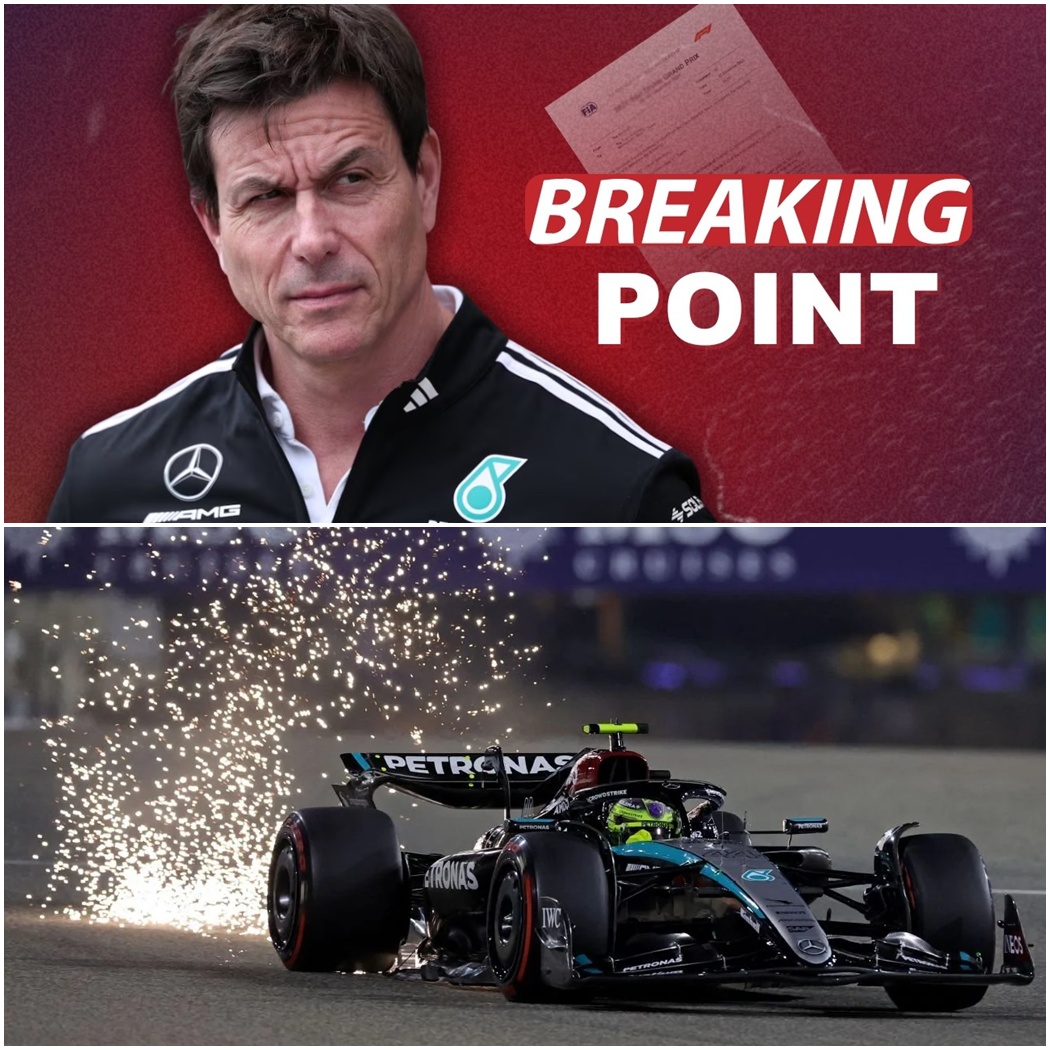
Formula 1 is currently accelerating toward what could easily become one of its most controversial and deeply divisive seasons in recent memory. The Federation Internationale de l’Automobile, universally known as the FIA, has proudly declared that the upcoming 2026 regulation changes will usher in a cleaner, closer, and far more sustainable future for the pinnacle of motorsport. It is a brilliant marketing pitch, designed to attract new automotive manufacturers while simultaneously appeasing global environmental concerns. However, if you spend any amount of time listening to the whispers echoing through the paddock, or if you gauge the temperature of the dedicated global fanbase, a completely different narrative begins to emerge. The fans are simply not buying it, and the teams are actively preparing for a political war.

Right now, the sport is caught in the center of a rapidly intensifying storm. A growing dispute over engine regulations threatens to heavily tilt the competitive balance of the grid before a single wheel even turns in anger. At the exact same time, skyrocketing ticket prices are pushing the dream of attending a live Grand Prix further out of reach for the average supporter. The situation has forced millions of passionate followers to ask a very dangerous and deeply uncomfortable question: Who is Formula 1 actually for anymore?
To understand the sheer magnitude of the impending 2026 crisis, we must first look under the engine cover. At the very heart of the looming storm is a highly technical, frustratingly ambiguous gray area regarding the new power unit compression rules. The 2026 regulations strictly cap the engine’s compression ratio at a maximum of 16.0:1. On paper, this seems like a straightforward, easily enforceable rule designed to keep the playing field level and prevent runaway spending on internal combustion development. However, in the high-stakes, hyper-competitive world of Formula 1, a rule is only as strong as its precise definition. Crucially, the measurement of this compression ratio is defined under very specific testing conditions, and rival teams strongly believe that this particular definition leaves massive room for creative interpretation.
According to multiple verified reports circulating within the motorsport community, major automotive giants including Ferrari, Audi, and Honda have raised serious concerns. They suspect that Mercedes, and potentially the newly independent Red Bull Powertrains division, may be brilliantly exploiting the exact methodology of how that ratio is actively measured. It is essential to note that neither Mercedes nor Red Bull is being accused of outright cheating or breaking the rule. Instead, they are suspected of doing what elite Formula 1 teams do best: finding the gray areas. Mercedes firmly insists that its highly anticipated 2026 engine is fully legal and compliant with the spirit of the regulations. However, the rest of the grid remains entirely unconvinced.
On massive social media platforms like Reddit, and within the hushed hospitality suites of the racing paddock, terrifying comparisons to the infamous 2014 season are already being aggressively made. Long-time fans remember 2014 vividly; it was the dawn of the turbo-hybrid era, a time when Mercedes nailed the complex engine regulations so perfectly that they secured an unprecedented run of unbroken dominance that lasted for nearly a decade. The current fear is not based on proven, on-track dominance—because the cars do not exist yet—but rather on the painful historical lesson that early regulatory advantages are almost impossible to overcome. The FIA has publicly acknowledged these mounting concerns and states that it is working diligently to clarify the rules before the 2026 season officially begins. Yet, the longer this tense situation drags on without a firm resolution, the louder the ultimate question becomes: Is this a triumph of engineering innovation, or is another painfully predictable era of the sport being decided behind closed doors before the starting lights even go out?
However, the agonizing debate over engine parity is only half of the story. Even if the highly debated 2026 regulations manage to deliver thrilling, closely fought racing on the asphalt, a much larger existential crisis is brewing in the grandstands. Can the actual fans still afford to be a part of the spectacle?
The harsh reality is that ticket prices across the entire Formula 1 calendar continue to trend aggressively upward, completely outpacing standard inflation and wage growth. Premium, heavily marketed events such as the Las Vegas Grand Prix, the season finale in Abu Dhabi, and even traditionally accessible European heritage races now frequently list standard three-day general admission passes that effortlessly climb into the four-figure range. Depending on the seating category and hospitality access, attending a single weekend of racing can cost a family what they might otherwise spend on a major international vacation.

While prices naturally vary heavily by circuit, promoter, and global region, the overwhelming sentiment online is tragically consistent: everyday fans feel entirely priced out and deliberately left behind. On platforms like X and Reddit, fan frustration is rapidly boiling over into genuine anger. Many long-time supporters are openly accusing Formula 1’s commercial rights holders, Liberty Media, of actively prioritizing elite, VIP exclusivity over grassroots accessibility. Liberty Media’s standard corporate argument is that global demand for the sport is simply higher than it has ever been in history, effectively driving up the market value of a ticket. While that may be economically true, it raises a deeply difficult and potentially catastrophic question for the sport’s long-term future. If the next generation of passionate fans is discovering the sport through viral clips on TikTok and dramatic episodes of “Drive to Survive,” but cannot ever afford to experience the visceral roar of the cars in person, what happens to Formula 1’s authentic, emotional connection with its audience? A sport cannot survive purely on corporate sponsors and celebrity VIPs; it requires the beating heart of a dedicated, lifelong fanbase.
Compounding the financial alienation and the regulatory paranoia is the dramatic evolution of the cars themselves. Early simulation fears strongly suggested that the 2026 aerodynamic regulations might make the cars dramatically slower than the current generation. However, initial virtual testing indicators now suggest that the cars will still be incredibly fast, but they will drive and race in a fundamentally different manner. One of the most shocking changes is the complete removal of the Drag Reduction System (DRS). For over a decade, DRS has been the artificial overtaking aid that defined modern F1 battles. In its place, the sport is introducing a complex system of active aerodynamics and strategic electrical energy deployment modes. These sweeping changes are ostensibly designed to naturally improve following distances and overall racing efficiency.
Yet, fans online are already intensely debating what this heavy reliance on technology actually means for the purity of the sport. While some tech-focused supporters are genuinely excited by the futuristic active aero concepts, many purists are deeply worried. There is a legitimate fear that Grand Prix races could soon lean far too heavily into computerized energy management. Fans dread a future where thrilling on-track battles are silently decided by battery deployment timing and algorithmic strategy, rather than by raw, wheel-to-wheel, gladiatorial driving instinct. Right now, this is not a confirmed problem, but rather an expectation clash between the engineers designing the future and the fans longing for the past. The real challenge for Formula 1 management is determining whether they can successfully balance cutting-edge technological innovation with the raw, visceral, dangerous racing that made fans fall in love with the sport in the first place.
Formula 1 currently exists in a fascinating, highly lucrative paradox. Its global audience is significantly younger, more diverse, and more geographically widespread than at any other point in its seventy-plus-year history. Massive automotive juggernauts like Audi and American icons like Cadillac are actively joining the grid. Legendary engineering minds, such as Adrian Newey, are already shaping the foundational designs of this fast-approaching next era.
And yet, despite all the explosive commercial success and manufacturer interest, the sport risks profoundly alienating its core foundation. Through a toxic combination of regulatory uncertainty, astronomical, unjustified costs, and a growing, painful sense that all major decisions are happening far removed from the fans themselves, the soul of Formula 1 is actively under threat.
The governing body of the FIA still has a brief window of time to act decisively. Firmly clarifying the highly contentious engine compression rules right now could prevent years of bitter, unwatchable controversy and single-team dominance. Actively addressing fan accessibility and intervening in the ticketing crisis could protect Formula 1’s future audience from turning away in disgust. But if neither of these massive issues is resolved, 2026 will not just be remembered as the dawn of a shiny new technological era. It will be remembered forever as the specific year that Formula 1 definitively chose corporate greed and engineering loopholes over the pure, unadulterated passion of racing. The next era is coming fast, and the entire motorsport world is watching every single move.