Ferrari’s ‘Rocket’ Leaves Field Stunned While Aston Martin Faces ‘Absolute Disaster’ in 2026 Testing
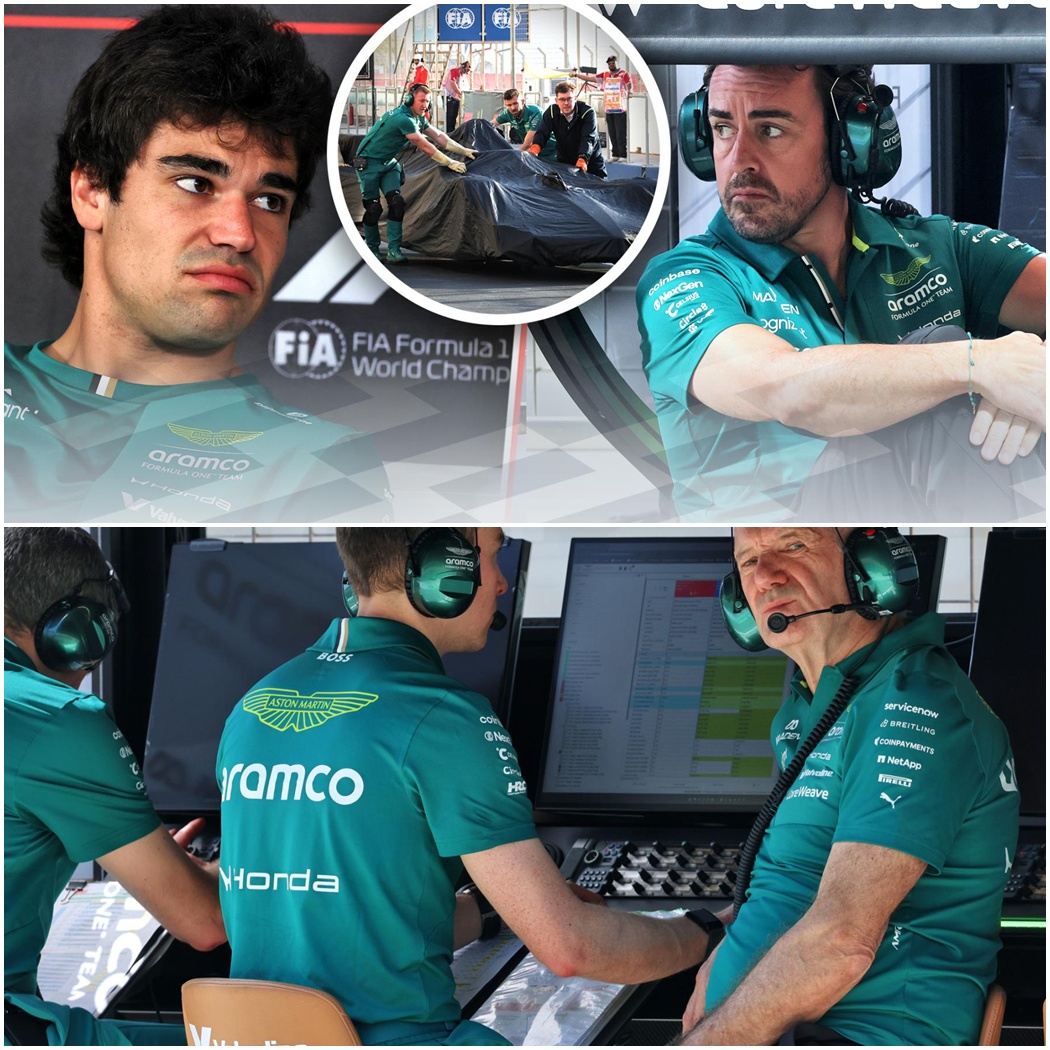
The Formula 1 landscape has been fundamentally reshaped following the conclusion of preseason testing in Bahrain. As the sport stands on the precipice of the most significant regulatory overhaul since 2014, the hierarchy of the grid appears to have been thrown into a blender. While the “Prancing Horse” of Ferrari has emerged from the desert sands looking like a revitalized powerhouse, the ambitious Aston Martin project has spiraled into what experts are labeling an “absolute disaster.”

The Rise of the Ferrari ‘Rocket’
If testing is a game of poker, Ferrari may have just revealed a royal flush. The Scuderia topped the timesheets in both Barcelona and Bahrain, but it wasn’t just the headline lap times that caught the eye of the paddock. The Ferrari SF26, driven by the powerhouse duo of Lewis Hamilton and Charles Leclerc, displayed a level of reliability and innovative engineering that has rivals like Mercedes and Red Bull Racing visibly concerned.
One of the most talked-about breakthroughs is Ferrari’s “rocket start” capability. By opting for a smaller, quicker-spooling turbocharger, Ferrari has gained superior control over energy deployment off the line. During practice starts in Bahrain, the Ferraris were seen catapulting forward with a ferocity that rivals simply could not match. This “baked-in” advantage means that even if a Mercedes or Red Bull is faster over a single lap, they risk being swallowed up before reaching the first corner.
Ferrari completed an impressive 1,164 laps across the testing phases, proving that their new power unit isn’t just fast—it’s durable. The atmosphere in the garage has shifted from the cautious optimism of previous years to a palpable sense of dominance.
Aston Martin’s Unmitigated Catastrophe
On the opposite end of the spectrum lies Aston Martin. Despite the massive financial influx from Lawrence Stroll, the hiring of design genius Adrian Newey, and a high-profile partnership with Honda, the team’s preseason was nothing short of “disgraceful.”
Aston Martin finished at the absolute bottom of the lap count charts, managing a meager 394 laps. To put that into perspective, the brand-new Cadillac team—a squad that barely existed twelve months ago—managed nearly 400 more laps of data. The issues for Aston Martin are multi-faceted: a shortage of power unit parts, cooling failures, and a car that seems fundamentally at odds with its Honda heart.
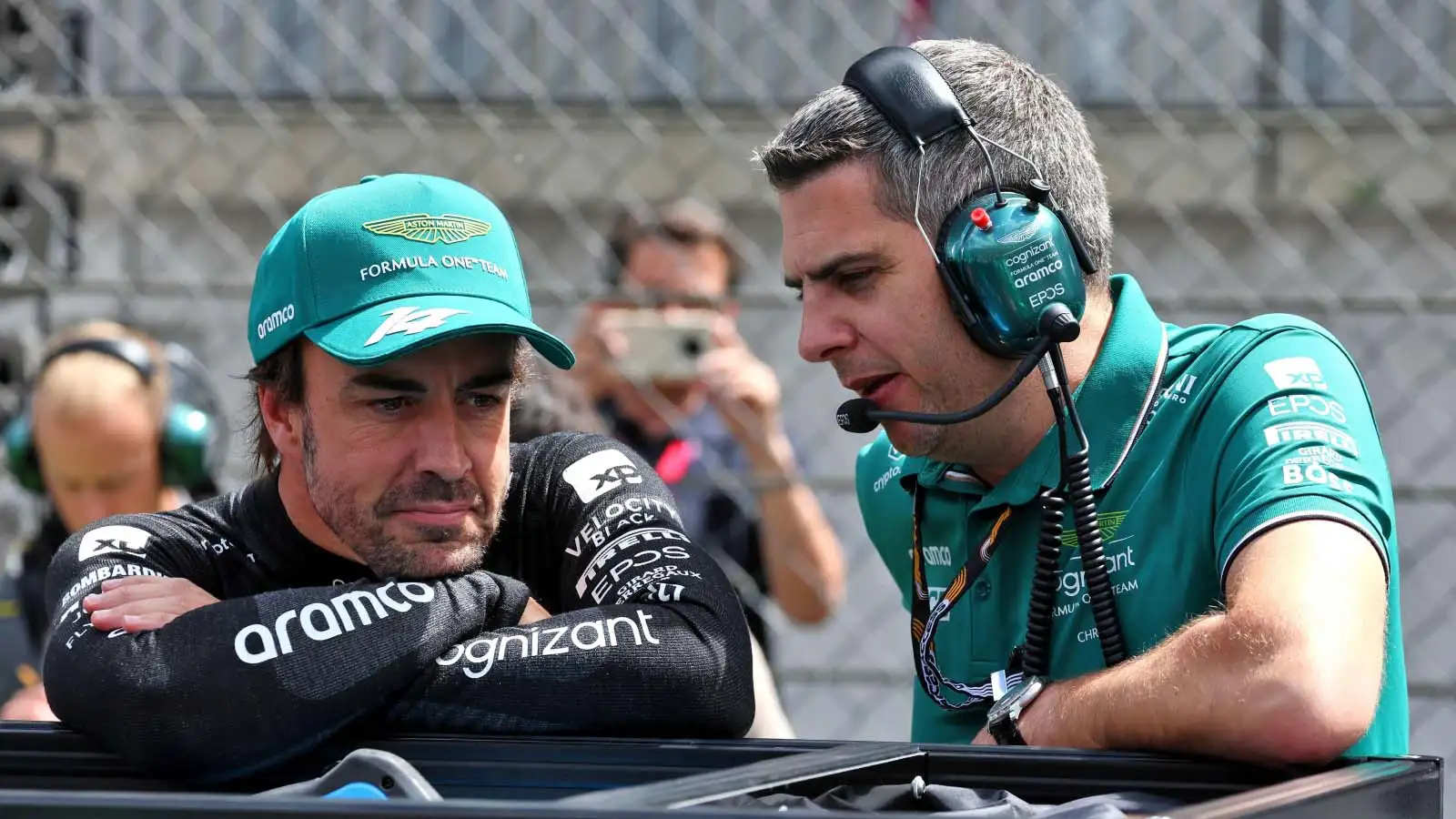
The sight of a frustrated Fernando Alonso standing next to his stranded car was the defining image of their week. With the season opener in Australia less than two weeks away, the team is in a race against time to even manufacture enough parts to finish the Grand Prix. The “deja vu” for Alonso, who famously criticized Honda’s “GP2 engine” during his McLaren days, is a bitter pill for the veteran Spaniard to swallow.
The Sandbagging Games: Mercedes and Red Bull
While Ferrari showed their hand, the rest of the “Big Four” remained shrouded in mystery. Mercedes led the overall lap count with 1,204 laps, indicating a bulletproof reliability that could be their secret weapon in Australia. However, their true pace remains a question mark. Paddock insiders suggest that the Silver Arrows were “sandbagging” more than anyone else, intentionally holding back performance to avoid showing their full potential to the FIA and their rivals.
Red Bull Racing, the dominant force of the previous era, also kept their cards close to their chest. While Max Verstappen didn’t chase the “glory laps” set by Leclerc, telemetry suggests the Red Bull engines were significantly turned down. Williams team principal James Vowles noted that the Red Bull remains a formidable threat, even if they didn’t top the charts in Bahrain.
A New Era of Complexity
The 2026 regulations have introduced a 50/50 split between combustion and electrical energy, leading to a level of complexity that has drawn criticism from drivers and fans alike. Max Verstappen has been vocal about his dislike for the “battery-heavy” future of the sport, but F1 CEO Stefano Domenicali remains confident that the “fantastic racing” will eventually silence the skeptics.
As the teams pack their crates for Melbourne, the narrative is set: Ferrari has the “Rocket,” Aston Martin is in “Disaster” mode, and the rest of the field is waiting for the Australian sun to reveal who has been telling the truth and who has been hiding behind the desert haze.