Cracks in the Emerald Dream: Inside the High-Stakes Crisis Threatening to Derail Aston Martin’s F1 Future
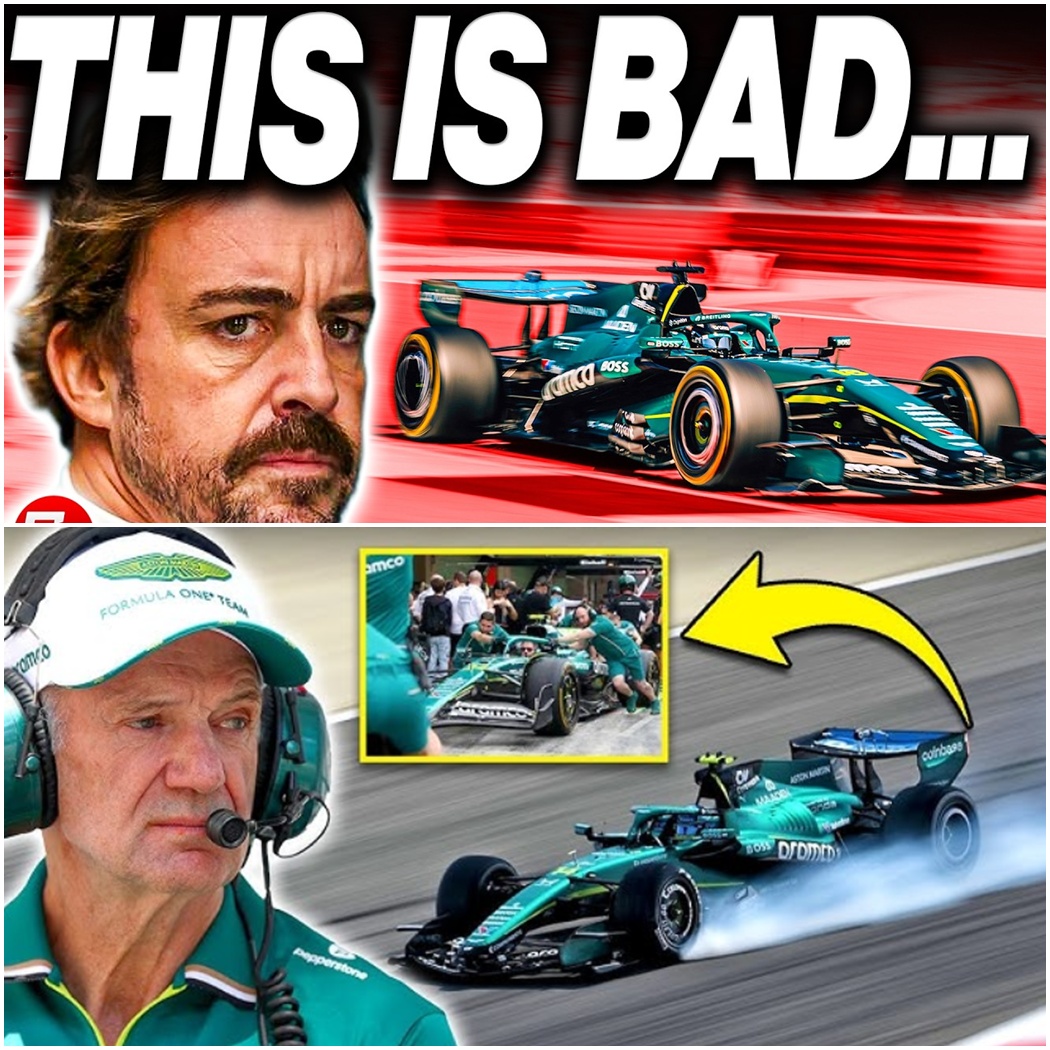
There is a strange, unsettling silence hanging over Silverstone right now. For years, the narrative surrounding the Aston Martin Formula 1 team has been one of relentless, noisy ambition. It was the sound of construction at a multi-million-dollar campus, the roar of billionaire Lawrence Stroll’s expectations, and the buzz of high-profile signings like the legendary Adrian Newey. But as the sport prepares to enter a brand-new technical chapter, that roar has been replaced by a tense, heavy quiet. It is not the calm before a storm; it is the silence of a team staring into a void.
At the heart of this unfolding disaster is a piece of machinery that was supposed to be the final piece of the championship puzzle: the Honda power unit. Instead of propelling the AMR26 to the front of the grid, the engine has thrown the team into what can only be described as a full-blown existential crisis. As the paddock prepares for the season opener in Australia, the conversation at Aston Martin has shifted from podiums and trophies to something much more primal—survival.
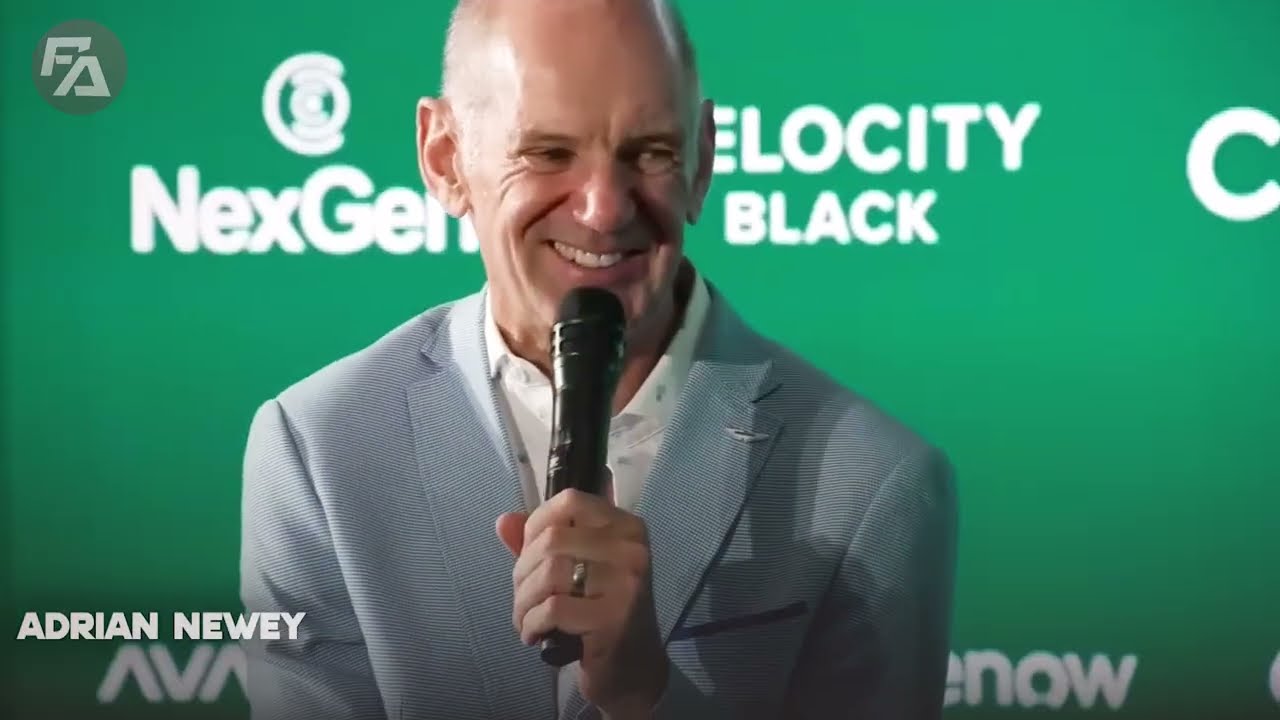
The magnitude of this crisis cannot be overstated. Lawrence Stroll has invested billions of dollars into turning this outfit into a title-winning powerhouse. He built a state-of-the-art “smart” factory, poached the best aerodynamicists in the business, and secured the services of Andy Cowell—the man who masterminded the Mercedes engine dominance. Yet, all the money and genius in the world mean very little if the car cannot complete a single race distance.
The cracks first appeared during pre-season testing in Bahrain. What was meant to be a showcase for the AMR26 quickly devolved into a nightmare. The car spent more time on jacks in the garage than it did on the asphalt. Mechanics were seen frantically working on the rear end of the car as multiple engine failures and battery collapses crippled their program. The team left Bahrain with a fraction of the data they needed and a growing sense of dread that their season might be over before it even began.
Technically, the issue is as fascinating as it is devastating. Reports from within the team suggest that the Honda V6 engine is producing “excessive vibrations.” In the precision world of Formula 1, vibrations are a silent killer. In this case, the shaking is so violent that it is literally destroying the hybrid battery pack, which sits nestled within the chassis. The very heart of the car’s electrical system is shaking itself to pieces. If that weren’t enough, the internal combustion engine is rumored to be lacking roughly 80 horsepower when it comes to recharging those batteries. In a sport where performance is measured in milliseconds, an 80-horsepower deficit is an eternity. It is the difference between a front-row start and a humiliating exit in the first round of qualifying.
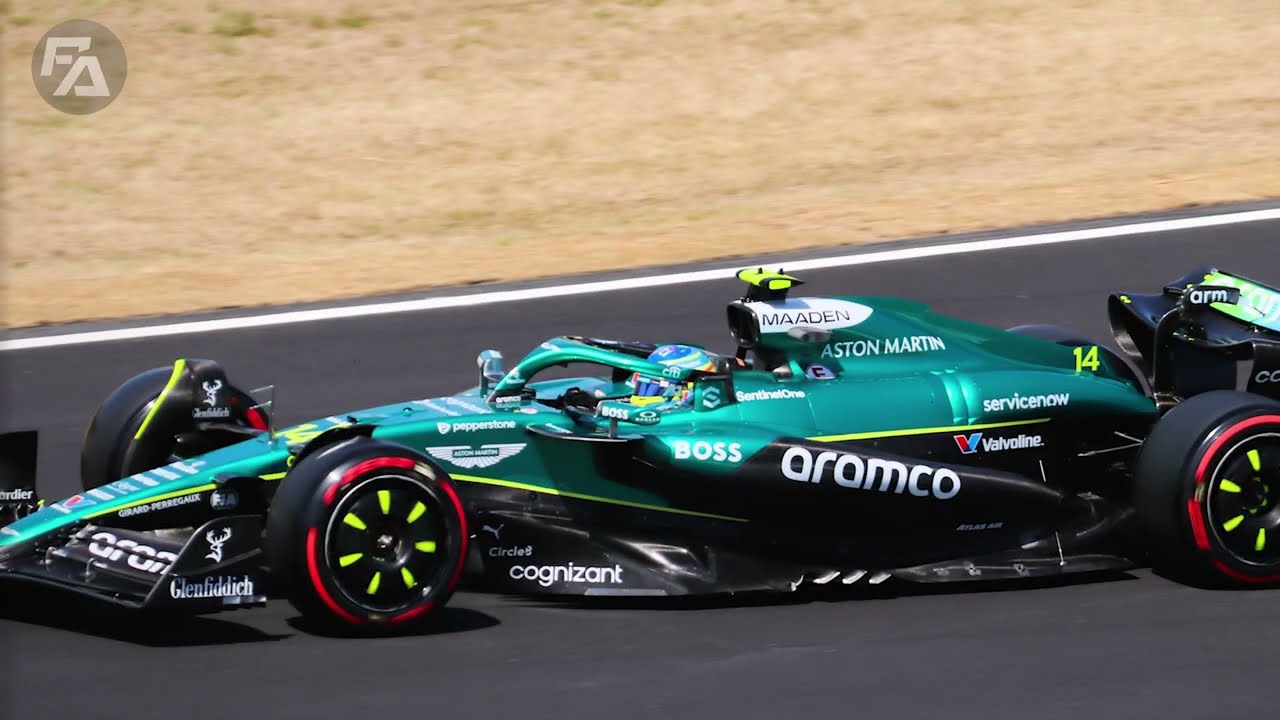
The situation became so dire that whispers began to circulate that Aston Martin might invoke “force majeure” to skip the Australian Grand Prix entirely. The logic was simple: why fly across the world to fail publicly? However, the legal and reputational fallout of such a move would be catastrophic. Breaking the Concorde Agreement would result in massive financial penalties, but the damage to the brand—the image of a “super team” failing to even show up—would be a permanent stain.
So, the decision has been made. Aston Martin will be in Melbourne, but they won’t be there to race in the traditional sense. The strategy is heartbreakingly modest: they are aiming for the 107% rule in qualifying. This rule states that a driver must set a time within 107% of the fastest lap in Q1 to be allowed to start the race. For a team that hired Adrian Newey to win world titles, merely being “legal” to race is a profound humiliation. Behind the scenes, the plan is to run as many laps as possible to gather data and then likely retire the cars early to save what few spare parts they have left. It is a “box-ticking” exercise in participation, a ghost of the competitive spirit the team usually embodies.
The human element of this crisis is perhaps the most compelling. Imagine being Adrian Newey, a man widely considered the greatest designer in the history of the sport. He is known for his ability to find performance where others see none, yet even his genius is neutralized by a power unit that won’t stay together. Rumors suggest Newey has already resorted to dry, sarcastic humor regarding the engine’s inability to even power its own battery. Then there is Andy Cowell, who has reportedly been dispatched directly to Honda’s facility in Sakura, Japan. This is an “all hands on deck” emergency, a frantic attempt to find a mechanical fix for a fundamental structural flaw.
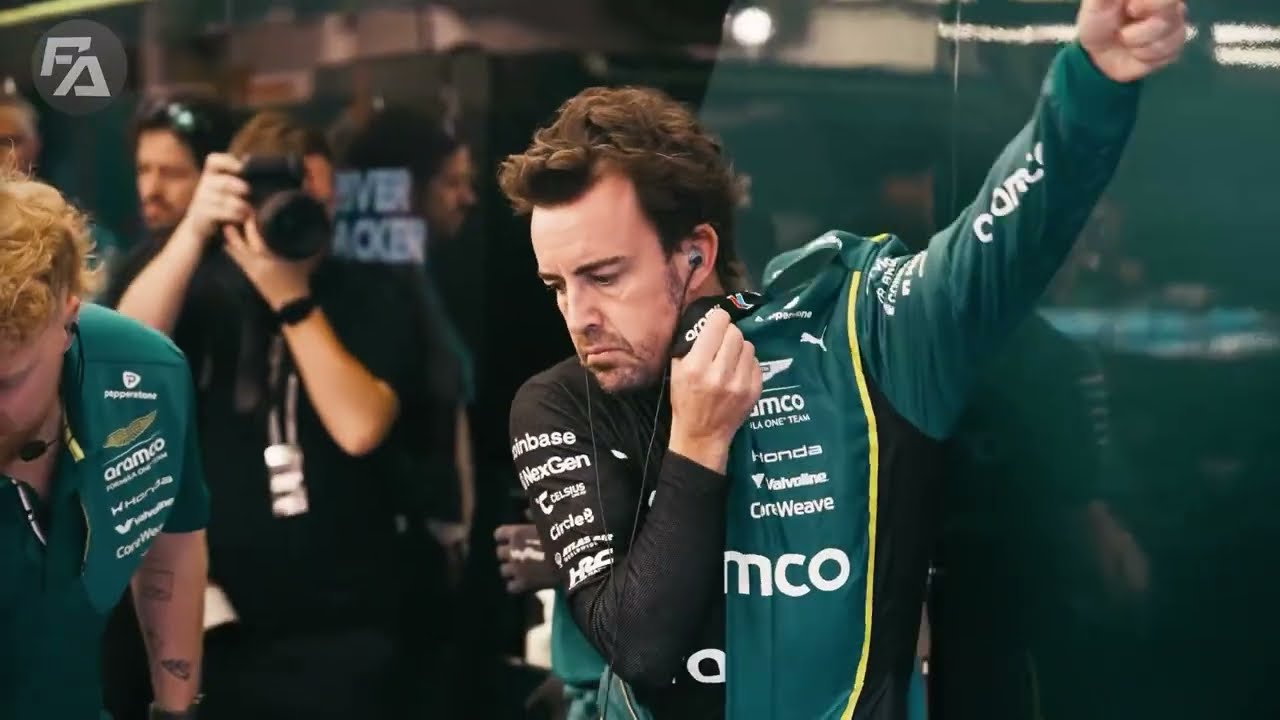
For the drivers, the psychological toll is immense. They have spent the winter training, visualizing overtakes, and preparing for the physical demands of a new era. Now, they face the prospect of driving a “ticking time bomb.” Instead of pushing the limits, they will be told to manage energy, avoid certain curb strikes that might trigger vibrations, and watch as rivals they were supposed to be beating disappear into the distance. It is not racing; it is damage control at 200 miles per hour.
Despite the gloom, the team is refusing to completely surrender. Thomas Maher, a respected voice in the paddock, noted that there is no plan to simply “exist” on the grid. The team knows they are on the back foot, but they also know that staying at home solves nothing. Every kilometer driven, even at a reduced pace, is a kilometer of data that can be sent back to the engineers in Silverstone and Sakura. They have a new aerodynamic package ready—one that could potentially unlock massive speed—but they cannot even begin to evaluate it until the engine stops breaking. You cannot test the wings of a plane if the engines won’t fire.
As the sun rises over Albert Park in Melbourne this weekend, the eyes of the world will be on those green cars. Will the “reliability tweaks” brought by Honda work? Can they suppress the vibrations long enough to see a checkered flag? If they fail, and the AMR26 limps back to the pits in a cloud of smoke or an eerie electrical silence, it won’t just be a bad weekend. it will be the beginning of a very uncomfortable reckoning for Lawrence Stroll and his billions.
Formula 1 is a cruel sport. It has no memory of past successes and no sympathy for big budgets. It only cares about what happens when the lights go out. Aston Martin entered this era promising a dream of emerald glory. Right now, that dream is shaking, and the world is watching to see if it finally shatters. The real question isn’t whether they can win in Australia—it’s how many chances a dream gets before reality finally catches up.








