Complete Collapse or the Cost of Transformation? The Brutal Reality Inside Aston Martin’s Pre-Season Nightmare
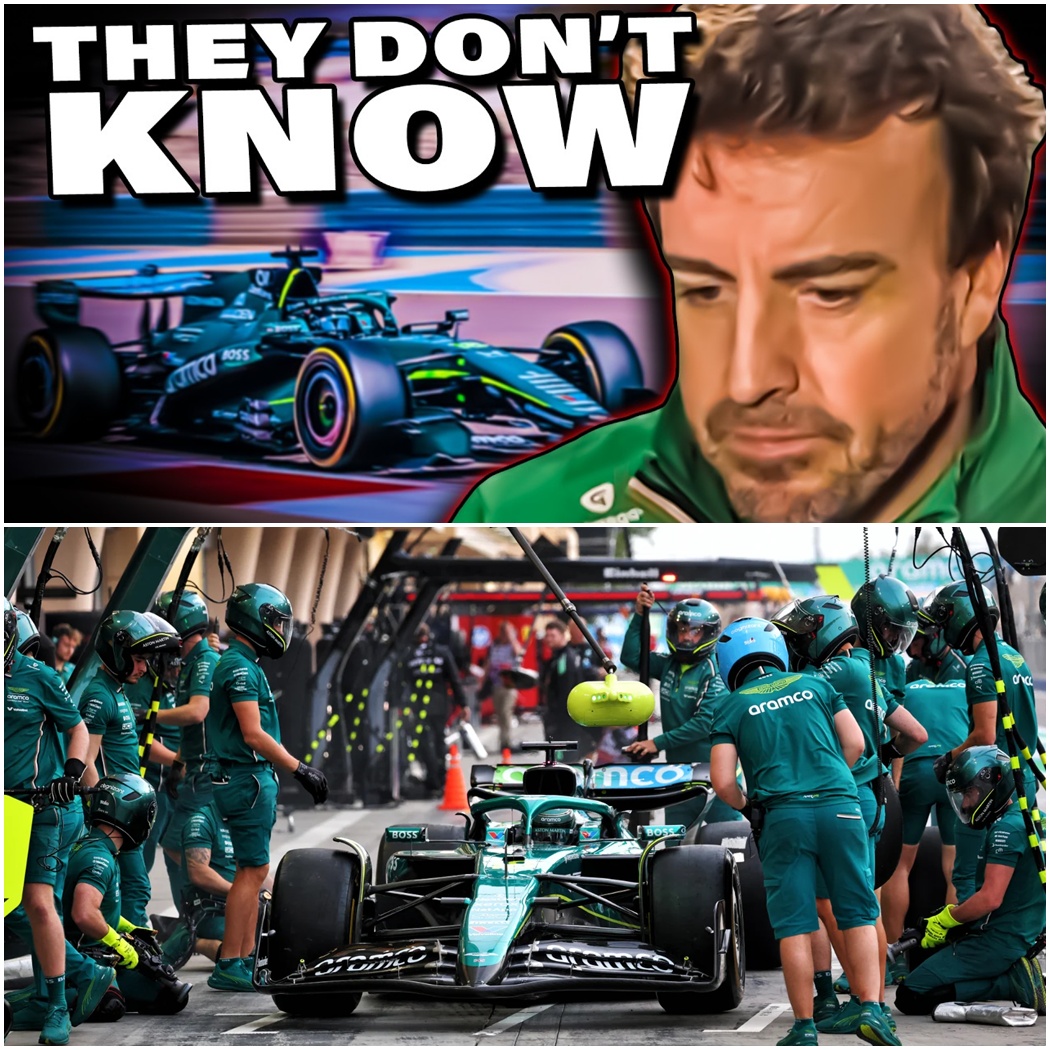
Could Aston Martin actually skip the very first race of the highly anticipated 2026 Formula 1 season? Under normal circumstances, asking such a question about a heavily funded, fiercely ambitious organization would seem entirely absurd. Yet, as the dust settles over the scorching Bahrain International Circuit following a disastrous pre-season testing period, nobody in the paddock is laughing at the prospect. The concept of the team in green simply failing to show up at Albert Park is no longer an internet joke; it is a terrifying reflection of an organization that has spectacularly lost its way.
The lasting, haunting image of the Bahrain tests was not a brilliant overtaking maneuver or a blazing fast lap time. It was the sight of two-time world champion Fernando Alonso, a man who has poured his heart and soul into this ambitious project, standing completely alone in the unforgiving desert sun. Next to him sat his immobilized Aston Martin AMR26, a highly anticipated machine that had just suffered yet another catastrophic failure. The car was entirely untouchable, buzzing with an electrical charge that looked uncomfortably close to the darkest days of Alonso’s doomed McLaren-Honda stint in 2015.

For a team backed by the immense wealth of Canadian billionaire Lawrence Stroll, a man who has invested hundreds of millions of dollars into state-of-the-art facilities and high-profile engineering talent, this is the ultimate public humiliation. Almost nothing has gone right for the team based at Silverstone. In fact, there is a very real, highly embarrassing scenario brewing where Cadillac—a brand-new entry to the sport—could genuinely outpace Aston Martin when the lights go out in Melbourne.
While Cadillac smoothly navigated their testing program, prioritizing vital mileage and diligently collecting data without pretending to be the fastest on the grid, Aston Martin stumbled through an absolute nightmare. The sheer volume of concurrent failures has left experts completely bewildered. It is incredibly difficult to pinpoint exactly which of the team’s current issues is the most alarming because there are simply too many to choose from. The car was delivered late. The overall mileage is catastrophically low. The newly developed Honda power unit appears incredibly fragile. The spare parts pool is terrifyingly thin. The brand-new, internally developed gearbox and the radically redesigned rear suspension are completely unproven.
To compound these mechanical nightmares, Aston Martin is currently suffering through the agonizing growing pains of operating as a genuine, independent “works” team for the very first time. For years, the team has relied on the comfortable safety net of purchasing Mercedes engines, gearboxes, and rear suspensions. If something went wrong with those core components, the blame could easily be shifted to Brackley. Now, as the exclusive partner to Honda, that luxury is completely gone. When the car fails, there is no one else to blame. Aston Martin is entirely responsible for its own destiny, and right now, that destiny looks remarkably grim.
The catastrophic nature of this transition was summarized perfectly on the final day of testing when Honda was forced to issue a public statement regarding a severe battery issue. The tone of the statement was eerily reminiscent of the desperate apologies issued by struggling teams in the past. When a proud Japanese manufacturer like Honda feels compelled to publicly address a massive failure during pre-season testing, the internal panic is undeniably real.
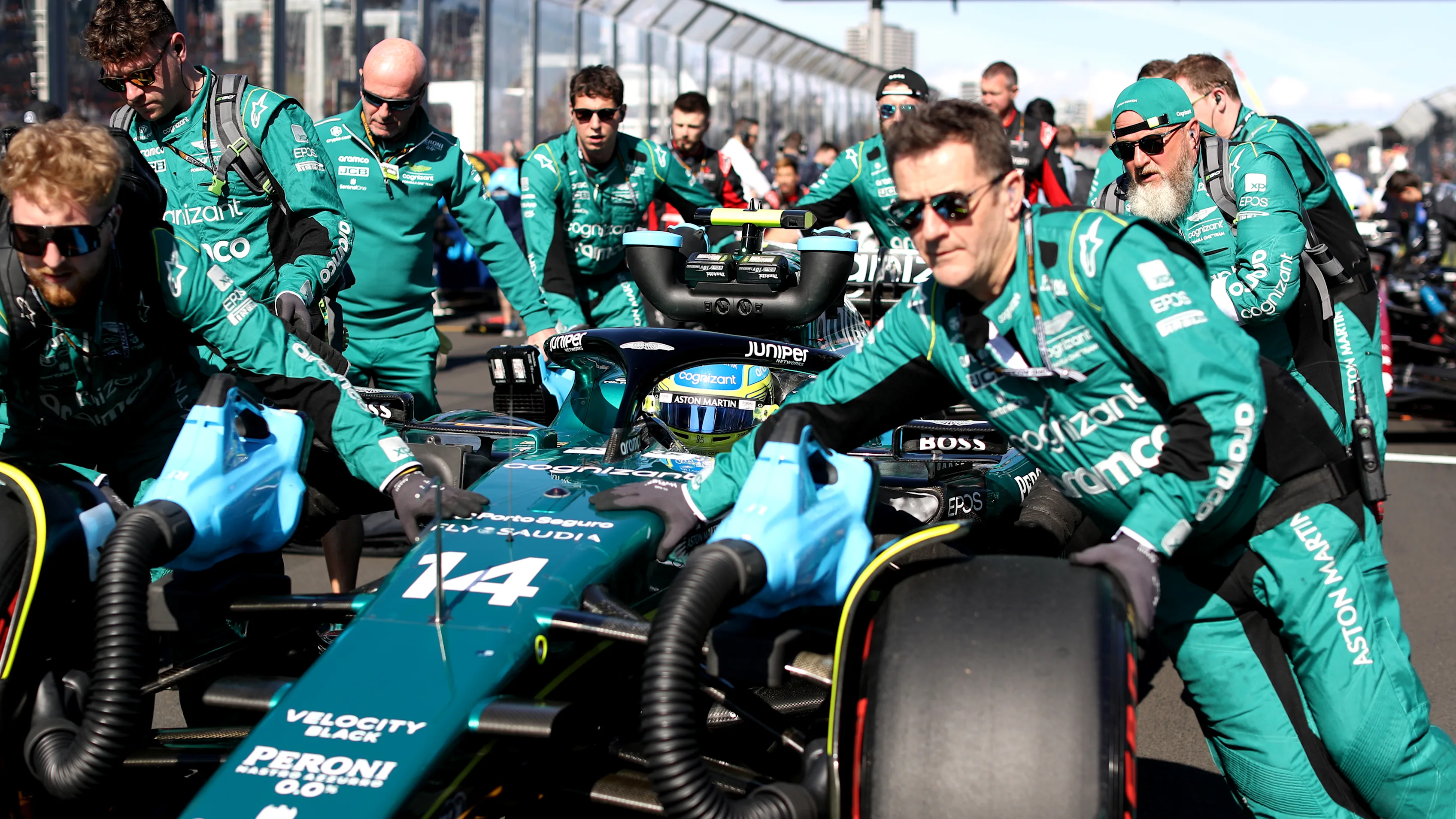
The raw data paints an incredibly bleak picture. While other teams successfully logged upward of 4,000 to 6,000 kilometers of vital testing data to understand the complex new 2026 regulations—which heavily emphasize intricate electrical energy management—Aston Martin barely managed to scrape together a fraction of that distance. The most alarming metric of all is that the team completely failed to execute a full race simulation. The absolute maximum continuous running Fernando Alonso managed to squeeze out of the AMR26 was a meager 26 laps before the entire system gave out. In modern Formula 1, if you cannot prove that your car can survive a 300-kilometer race distance in testing, arriving at the first Grand Prix becomes a deeply dangerous game of Russian roulette.
This terrifying lack of mileage naturally leads to the brutal Catch-22 currently facing team management. Showing up to the Australian Grand Prix with an unreliable, heavily compromised car risks turning the race weekend into a high-speed parts shredder. If the team is already critically low on spare components, a single crash or major mechanical failure could end their weekend before qualifying even begins. However, the political and public relations ramifications of refusing to participate would be absolutely devastating to the Aston Martin brand.
Behind the closed doors of the newly constructed mega-campus, tensions are reportedly boiling over. The team’s leadership structure, drastically altered months ago to prepare for this new era, is facing its first massive stress test. Adrian Newey, arguably the greatest aerodynamic designer in the history of motorsport, was brought in to act as the managing technical partner and oversee day-to-day operations. However, being a brilliant designer and being an effective team principal are two vastly different skill sets. Newey’s legendary, uncompromising pursuit of absolute perfection is currently colliding with the chaotic reality of a team that simply needs to get a functional car onto the track.
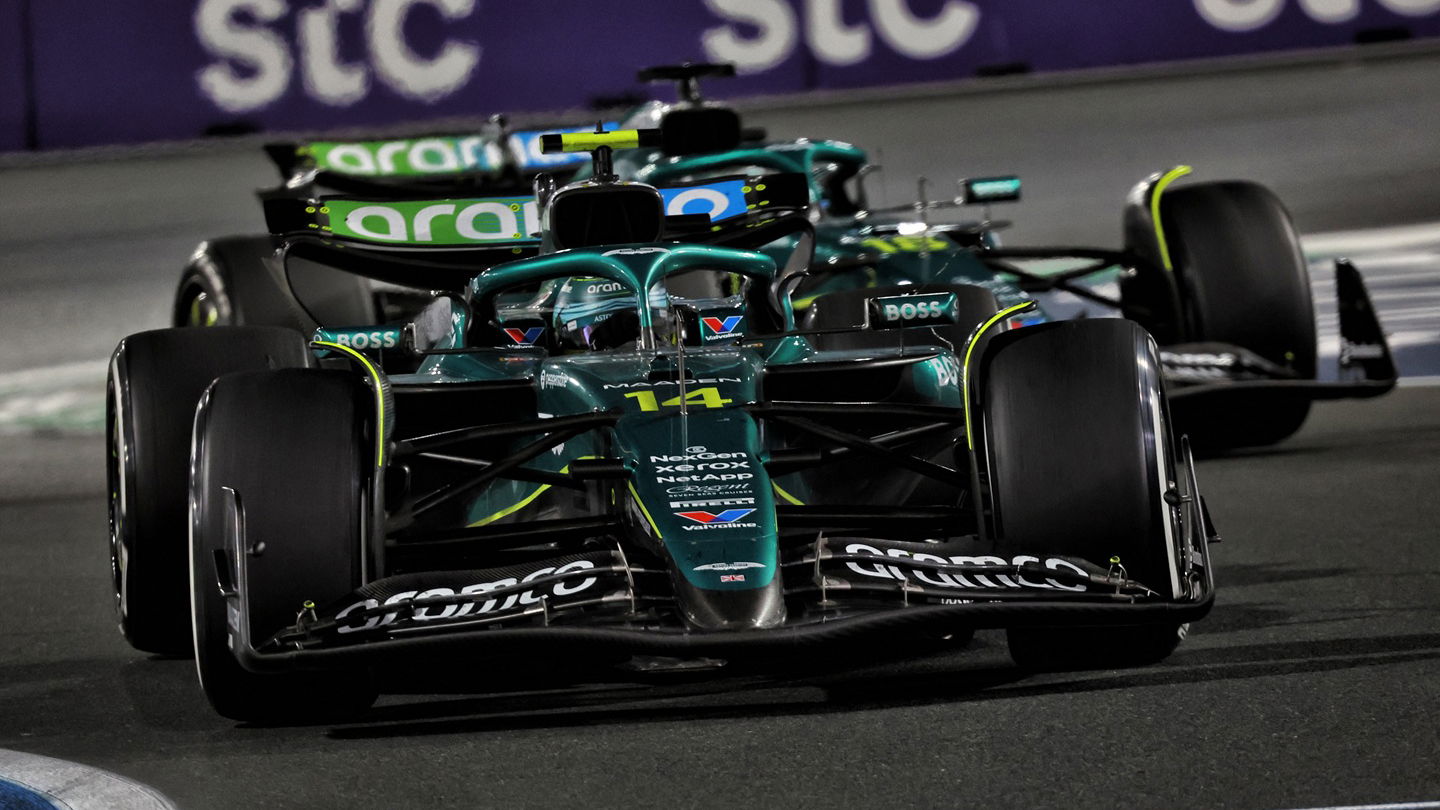
Reports have rapidly surfaced regarding a massive internal clash between Newey and Andy Cowell, the former mastermind behind Mercedes’ dominant hybrid engines who was brought in to optimize the Honda partnership. Cowell allegedly argued for a heavily engine-focused approach, understanding that the new 2026 regulations are entirely dictated by electrical energy management. Conversely, Newey’s aerodynamic demands may have pushed the packaging of the fragile power unit too far. This internal friction highlights the sheer organizational chaos tearing through the team.
Simultaneously, a massive corporate financial maneuver has added another layer of deep uncertainty to the project. Just as the car was visibly failing on the track in Bahrain, it was announced that the Aston Martin Lagonda car company had sold the naming rights of the Formula 1 team to AMRGP Holdings for £50 million. On the surface, this looks like a desperate bid to inject rapid cash into the struggling road car business to service mounting debts. However, looking deeper, it reveals a highly calculated corporate structuring. This complex deal effectively separates the financial fate of the Formula 1 team from the heavily indebted car company. More importantly, it secures a potential clean exit strategy for Lawrence Stroll. Should the Canadian billionaire finally grow completely exhausted by this incredibly expensive struggle, the team could easily be sold to new investors while retaining its iconic name.
Amidst this raging storm of mechanical failures, leadership clashes, and corporate restructuring, the dynamic between the team’s two drivers has become utterly fascinating. Fernando Alonso, the legendary veteran, has remarkably chosen to act as the ultimate shield for the team. Despite his notorious history of burning bridges when a project fails to deliver, Alonso has remained fiercely protective of the AMR26. He refuses to write the car off as a complete dud, carefully choosing to describe the overall package as merely “immature.” He is desperately trying to keep team morale afloat, focusing on systematic troubleshooting and holding onto the belief that the underlying aerodynamic concept is fundamentally sound.
In stark contrast, his teammate Lance Stroll has been brutally pessimistic. Providing the kind of raw, unfiltered feedback that immediately generates negative headlines, the younger Stroll openly complained about being completely off the pace, confirming the worst fears of the fanbase. In the midst of the team’s greatest modern crisis, it is abundantly clear that Fernando Alonso is the only driver capable of leading them through the darkness. Preserving Alonso’s faith is now the single most critical mission for Aston Martin. If the Spaniard decides to walk away and announce his retirement out of sheer frustration, the psychological blow to the Silverstone squad would be fatal.
The brutal reality is that Lawrence Stroll’s grand vision of creating an enduring, dominant empire equivalent to Ferrari has collided violently with the unforgiving nature of Formula 1. Aston Martin can no longer rely on clever marketing or flashy presentations to hide their deficiencies. They are finally learning what it truly takes to be an independent works team in the most technologically advanced sport on the planet. The recovery process will not be pretty, and it will not be fast. They must endure the public mockery, stabilize their deeply flawed systems, and accept that the upcoming flyaway races will essentially serve as highly public, painfully slow testing sessions. Aston Martin does not simply have a broken car; they have a broken system, and putting the pieces back together will demand a level of resilience this team has never previously had to demonstrate.








