2026 Australian Grand Prix: Mercedes Triumphs Amidst “Mario Kart” Chaos and Rookie Revolutions
The dawn of the 2026 Formula 1 season in Melbourne was nothing short of a baptism by fire. As the engines roared to life under a suite of radical and controversial new regulations, the Australian Grand Prix delivered a spectacle that was equal parts technical thriller and high-stakes drama. While the dust settles on the Albert Park Circuit, the paddock is buzzing with a singular realization: the hierarchy of F1 has been shaken to its core, and the era of “artificial” racing has officially begun.
Mercedes emerged from the weekend with a dream 1-2 finish, but the path to the podium was paved with more questions than answers. Team Principal Toto Wolff dropped a bombshell post-race, admitting that the Silver Arrows had been “sandbagging” during testing, carrying an extra 10kg of weight to hide their true potential. While the strategy paid off, it wasn’t a perfect weekend for the Brackley squad. Rising star Kimi Antonelli survived a chaotic buildup, including a fine for a loose cooler that Lando Norris eventually obliterated, to finish within striking distance of his teammate George Russell. The reliability of the Mercedes power unit seems to be the gold standard of the new era, but as Martin Brundle noted, the internal competition between the veteran Russell and the rookie sensation Antonelli is just getting started.
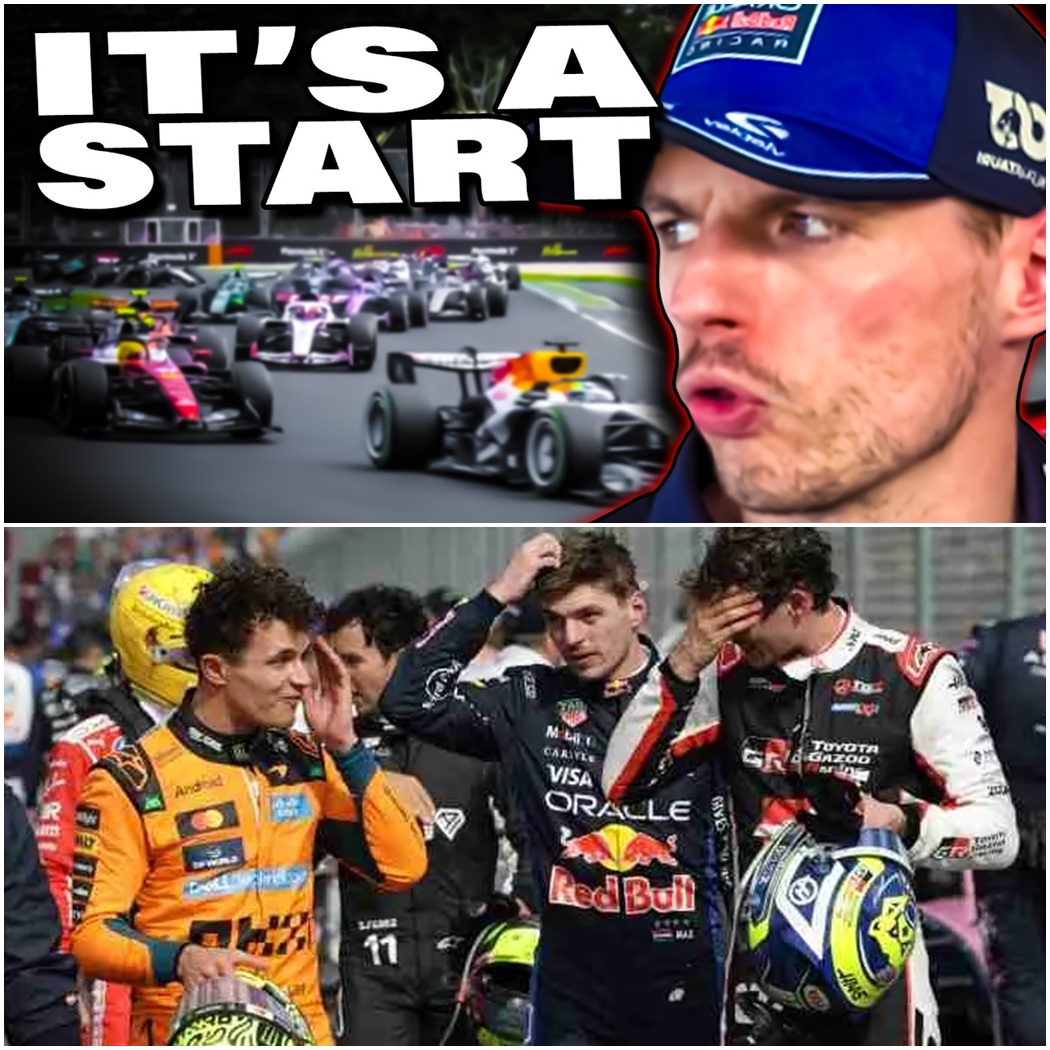
For the defending world champion, Max Verstappen, the weekend was a test of character rather than a display of dominance. A catastrophic engine failure in qualifying left the Dutchman starting from the very back of the grid at P20. In true champion fashion, Verstappen carved through the field to secure a P6 finish, a result he described with characteristic bluntness as “just overtaking slower cars.” Despite the heroic recovery, the cracks in the Red Bull-Ford partnership are visible. Verstappen reported unprecedented rear-axle locking, and the team’s struggle with the new battery regulations remains a glaring weakness. However, the champion’s calm, “management mode” demeanor suggests he is ready for the long-haul rebuilding process Red Bull currently finds itself in.
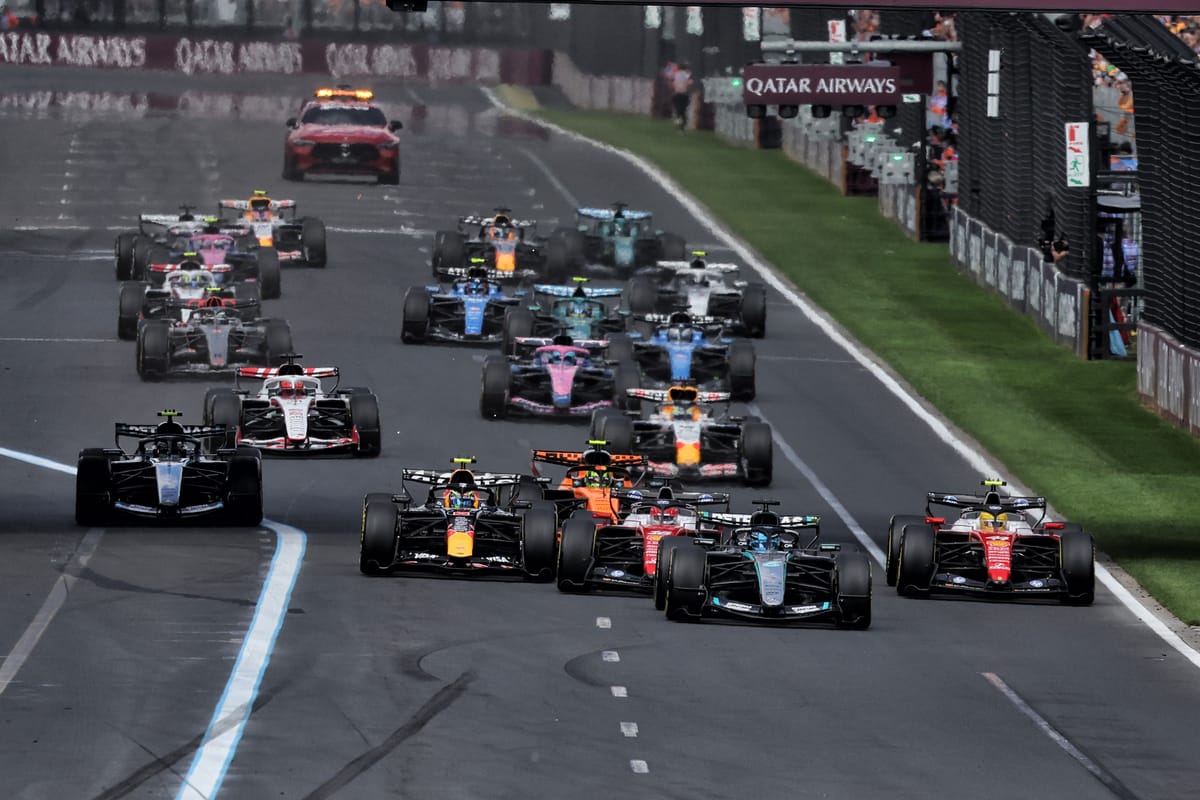
The talk of the town, however, wasn’t just about the world champions; it was about the “Class of 2026” rookies who refused to be intimidated. Arvid Lindlad, Red Bull’s newest protégé at Racing Bulls, stole the headlines with a fearless performance. From banging wheels with Lewis Hamilton at the start to holding his own against Verstappen, Lindlad proved he possesses the “F2 spirit” the sport has been craving. Finishing P8 on his debut, Lindlad has already positioned himself as a serious threat to his more experienced teammate, Liam Lawson, who struggled to P13 after a poor start. Similarly, Gabriel Bortoleto delivered a masterclass for Audi’s debut, securing points and outqualifying the veteran Nico Hulkenberg. Even with a pit-entry scare, Bortoleto’s pace caught the eye of none other than design legend Adrian Newey, who was spotted hovering around the Audi garage with his famous notebook.
Ferrari, meanwhile, left Melbourne with a sense of “what if.” Charles Leclerc secured a podium, and Lewis Hamilton matched his best-ever result for the Scuderia with a P4, but a cautious strategy under the new regulations may have cost them a shot at the win. The Ferrari duo looked racy, with Hamilton sounding more “locked in” and motivated than he has in years. However, software glitches—including a mapping error that reset between Q2 and Q3—hampered their single-lap authority. Leclerc’s comparison of the new energy deployment to “Mario Kart” highlights a growing sentiment among drivers: the racing feels increasingly artificial, with battery management often taking precedence over pure driving skill.

Further down the grid, the “losers” of the weekend are already looking toward China for redemption. McLaren’s Oscar Piastri suffered a “soul-crushing” home race, falling victim to a combination of cold tires and an unexpected power spike. While Lando Norris managed to find pace toward the end, finishing nearly a minute behind the leaders is a stark reminder of how far the Woking team has to go to reclaim their 2024 form. Williams and Carlos Sainz also faced a weekend to forget, as Sainz’s lack of track time left him frustrated in P15, highlighting the steep learning curve of the new regulation cycle.
As the circus moves to China, the 2026 season is already shaping up to be a year of transition and technical volatility. The “funeral march” many predicted for the new regulations hasn’t materialized—17 cars finished the race, and the on-track action remained intense—but the complaints from the drivers regarding the “shambolic” battery issues cannot be ignored. Formula 1 is at a crossroads, balancing the “show” of high-tech energy deployment with the soul of traditional racing. One thing is certain: in this new era, reputation counts for nothing, and every lap is a lesson in survival.








