2026 F1 Season Preview: A New Era of Chaos, Comebacks, and Championship Collisions
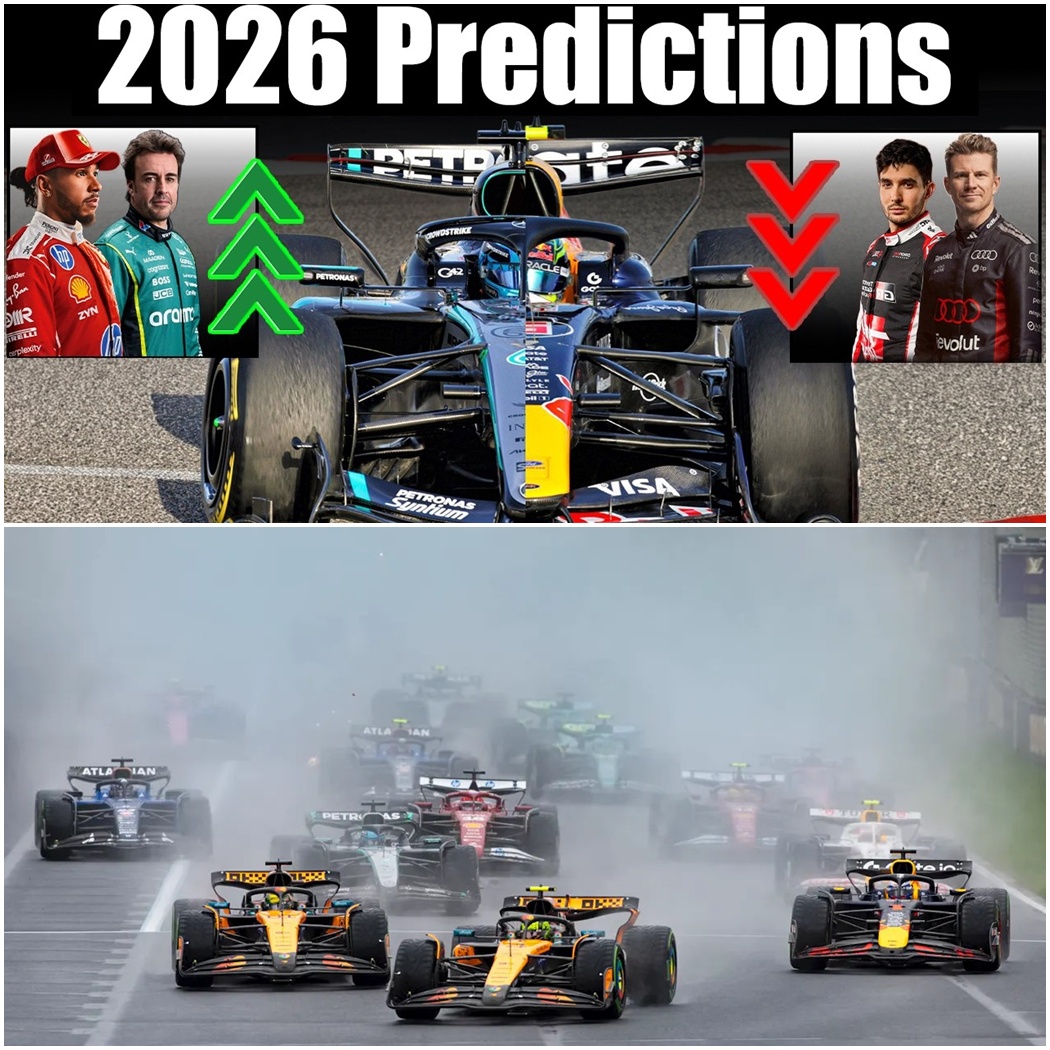
The roar of Formula 1 is about to sound very different. As we stand on the precipice of the 2026 season, the air is thick with anticipation and, frankly, a good deal of uncertainty. With a radical overhaul of engine and aerodynamic regulations, the sport is hitting a “reset” button that hasn’t been seen in years. Gone are the days of predictable dominance; in their place is a landscape where rookies could stun veterans, and established giants might find themselves clawing their way out of the midfield.

Looking at the grid from the bottom up, the 2026 season presents a steep learning curve for the newcomers. At the very tail end, Cadillac enters the fray with high hopes but realistic expectations. Despite a decent showing in preseason testing, the consensus is that Sergio “Checo” Perez and Valtteri Bottas will find themselves in a “warm-up” year. While the Ferrari engine provides a reliable backbone, the car itself remains a basic platform. It’s a year for Cadillac to learn the ropes of Formula 1, with Perez likely holding a slight edge over Bottas in race trim, though points will be hard-fought and rare.
Moving slightly up the order, the RB team featuring Liam Lawson and rookie Arvid Lindblad faces its own set of challenges. Lawson, a driver known for his aggressive style and undeniable talent, is finally getting the full-season opportunity he has long deserved. While 2026 will be an “adjustment period” for Lindblad—the grid’s lone true rookie—Lawson is expected to lead the charge. The cars this year are notoriously difficult to “nail,” with complex controls and a tendency for snaps that will test even the most seasoned hands.
One of the most intriguing stories of 2026 is the official arrival of Audi. Taking over the Sauber foundation, the team has shown significant progress from the early tests in Barcelona to the final days in Bahrain. However, a new engine and a restructured team mean they are likely to evolve throughout the year rather than explode onto the scene. Nico Hülkenberg, fresh off his first career podium last year, remains a qualifying specialist, but there is a growing belief that Gabriel “Gabby” Bortoleto will be the one to truly shine. Bortoleto, a driver many view as a future world champion, has the mental fortitude and raw pace to eventually outclass his veteran teammate as the season progresses.
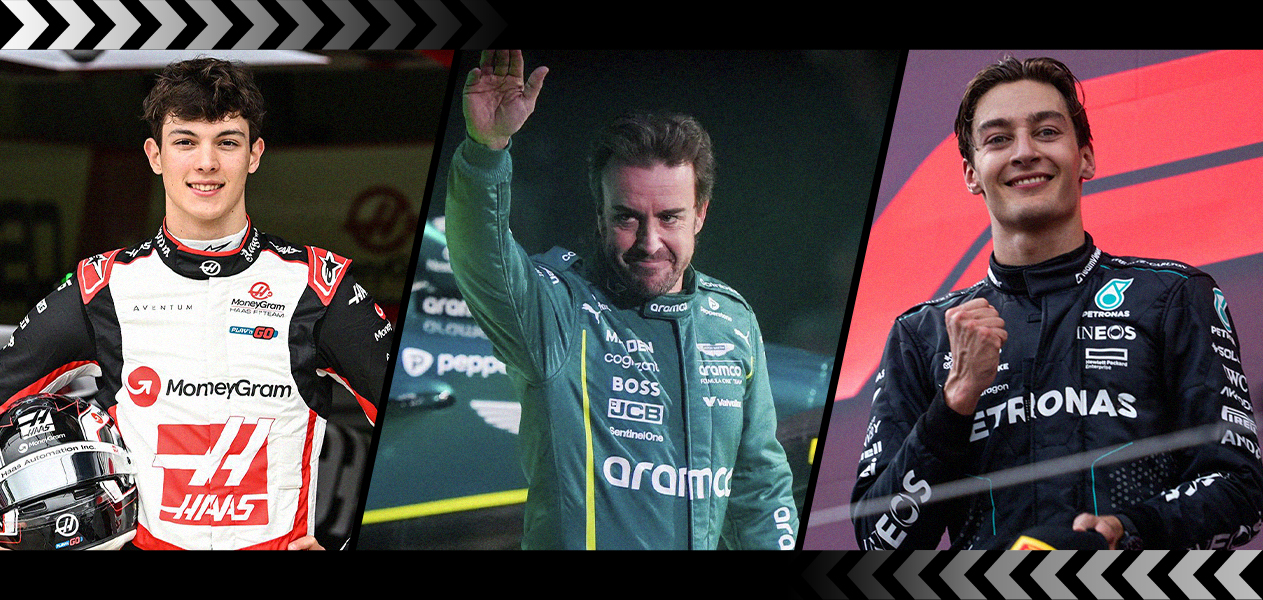
In the midfield, the tension is palpable. Alpine, under the new guidance of Flavio Briatore and technical director David Sanchez, appears to have turned a corner. While Esteban Ocon’s smooth understeering style might clash with the snappy nature of the 2026 cars, Pierre Gasly and Franco Colapinto are tipped to make significant strides. Colapinto, finally enjoying a full season, has the aggressive oversteer preference that these new regulations seem to reward. Meanwhile, the “team in green,” Aston Martin, remains the biggest wildcard. Preseason testing was, by many accounts, “horrifying” due to reliability issues. Yet, with the legendary Adrian Newey now influencing the project, it’s impossible to count them out. Fernando Alonso, the ageless warrior of the grid, is expected to once again “outdrive” his machinery, dragging a potentially flawed car into the top ten through sheer force of will.
The battle at the front of the pack, however, is where the real fireworks will happen. We are looking at a four-way titan clash between Mercedes, Ferrari, Red Bull, and McLaren.
For the Tifosi, 2026 represents a massive beacon of hope. The Ferrari camp is reportedly “smiling from ear to ear,” with a car that looks balanced and potent. Lewis Hamilton’s move to the Scuderia is being hailed as a potential “revival” season. His late-breaking style is expected to mesh perfectly with the new car’s characteristics. While Charles Leclerc remains the sentimental and statistical favorite at Ferrari, Hamilton’s veteran savvy could see him back in championship-contending form, silencing any whispers that his best days are behind him.
McLaren enters the season with perhaps the most harmonious and talented young duo on the grid. Lando Norris and Oscar Piastri are expected to be inseparable on the timesheets. While Piastri is a “smooth operator,” Norris’s preference for an aggressive rear end might give him the initial advantage in the 2026 machinery. McLaren’s preseason form was stellar, and with a powerhouse Mercedes engine behind them, they are no longer just “best of the rest”—they are legitimate title threats.
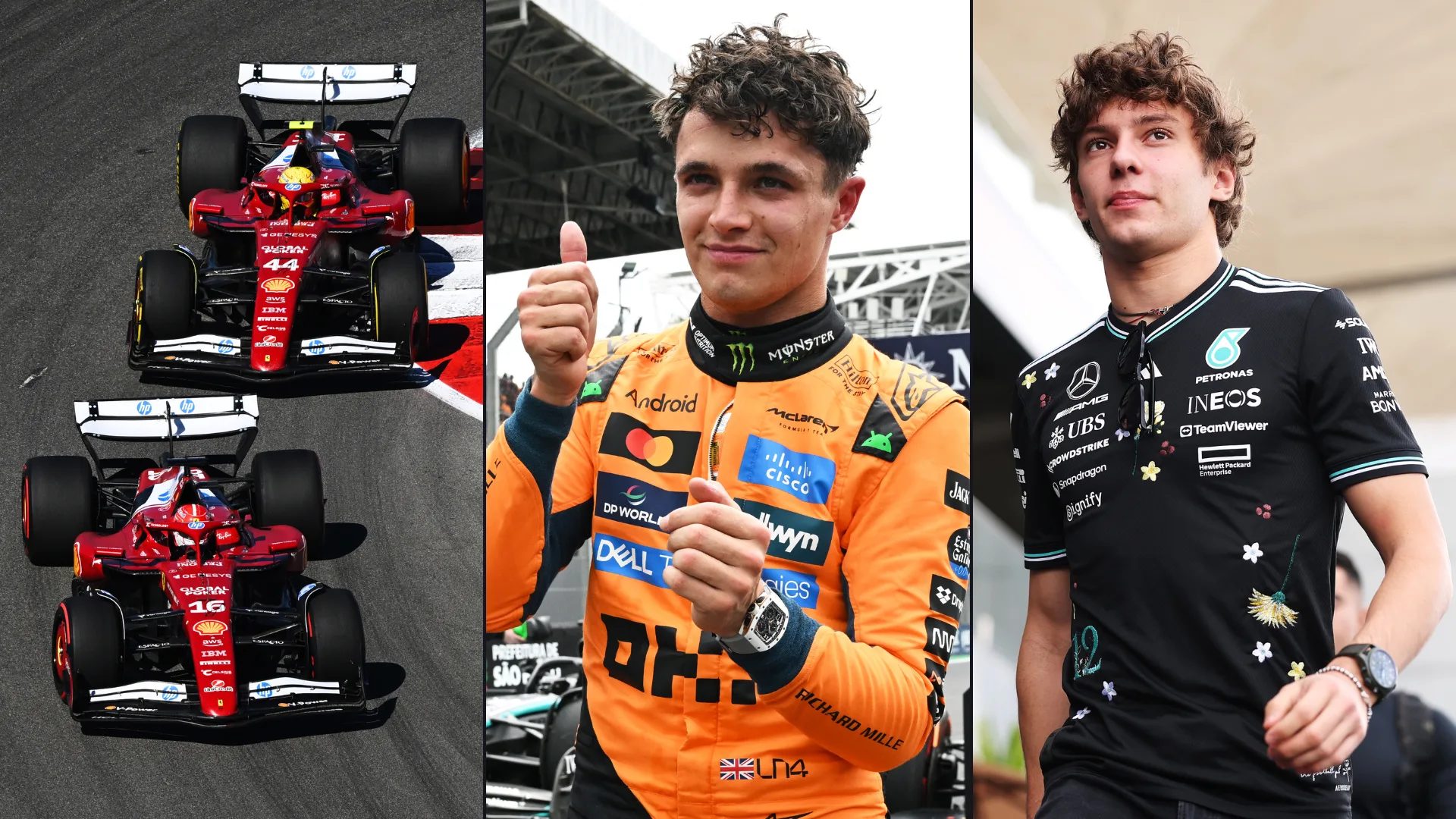
Then, there is Red Bull. Despite the departure of key figures and the transition to their own Ford-backed power units, they still hold the ultimate trump card: Max Verstappen. The Dutchman’s ability to adapt is legendary—demonstrated by his ability to take corners in gears that shouldn’t be possible. Even if the Red Bull isn’t the fastest car on every track, Verstappen’s “unstoppable” nature ensures he will be a permanent fixture on the podium, mentored by his own sheer talent and a car that, while different, still carries the DNA of a winner. Isaac Hadjar, stepping into the second Red Bull seat, faces the ultimate “pressure cooker,” but his driving style—remarkably similar to Verstappen’s—could make him the most effective teammate Max has had in years.
Finally, we look at Mercedes and George Russell. Many analysts and fans alike have pegged Russell as the man to beat in 2026. The Mercedes engine is rumored to be the class of the field, echoing the dominant start of the hybrid era in 2014. Russell has proven that when he is given the tools, he is clinical. With Hamilton gone to Ferrari, the “Silver Arrows” are now Russell’s team to lead, and he seems more than ready to claim the throne.
The 2026 season isn’t just a race; it’s a technical war and a psychological battleground. From the struggles of the backmarkers to the elite chess match at the front, every lap will be a discovery. Will the Mercedes engine reign supreme? Can Alonso work another miracle? Will Hamilton find his eighth title in red? The answers are coming, and they will be written at 200 miles per hour.








