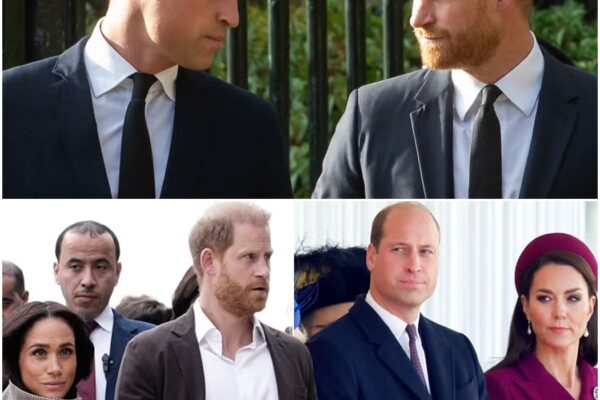
The Royal Olive Branch: Inside King Charles’ Bid to Secure Harry and Meghan’s Return to the UK
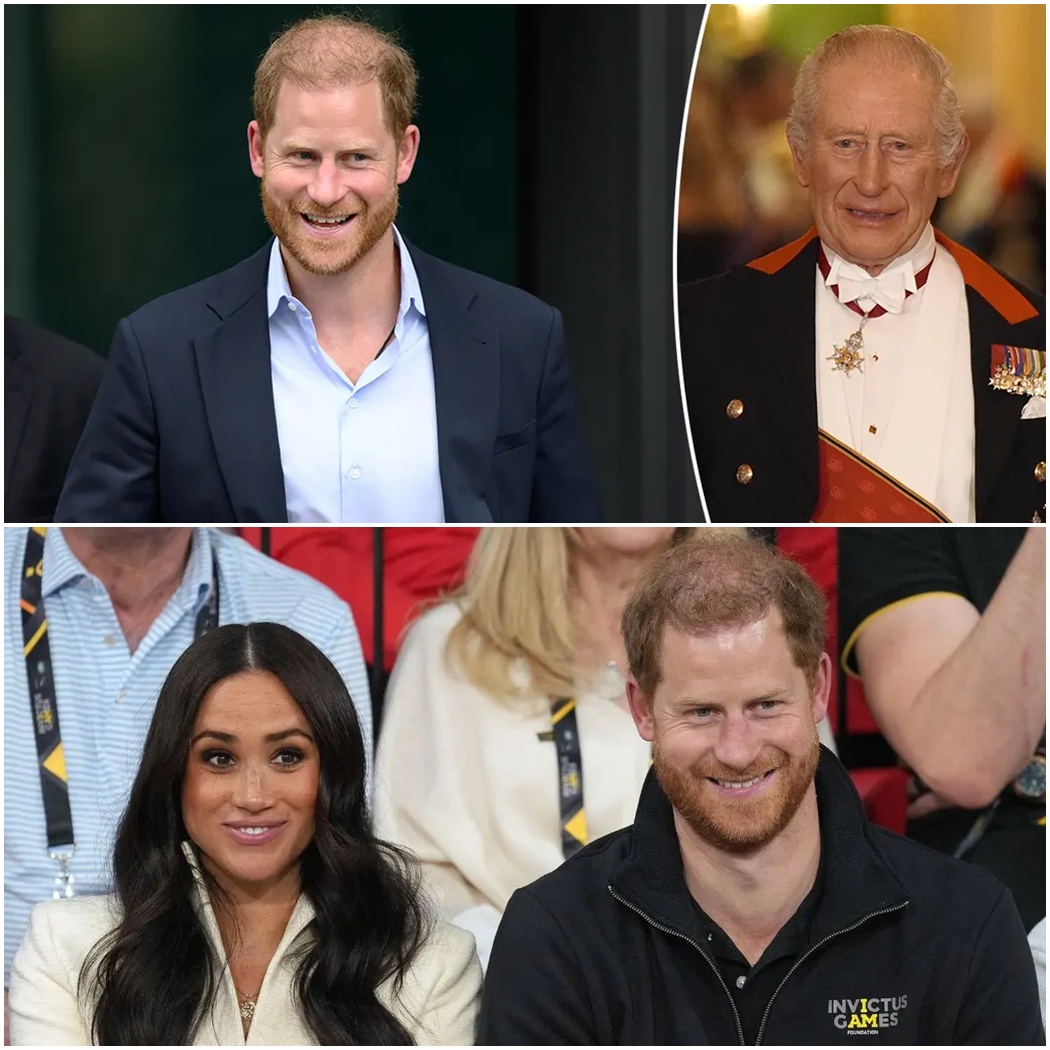
The relationship between the British Royal Family and the Duke and Duchess of Sussex has, for years, been defined by distance, legal friction, and a seemingly endless cycle of public declarations. Since their departure from official royal duties in 2020, Prince Harry and Meghan Markle have navigated a complex path, often finding themselves at odds with the very institution they once represented. Yet, as the calendar turns towards July 2026, a new chapter appears to be opening—one that is as surprising as it is significant. Reports have emerged indicating that King Charles III has personally intervened to help facilitate security arrangements for the couple’s highly anticipated return to Britain, a move that could mark a pivotal turning point in a saga that has gripped the world.
For Prince Harry, the issue of security has been more than a mere logistical concern; it has been the primary barrier preventing him from bringing his family—including his children, Archie and Lilibet—back to his home country. Since the Home Office downgraded the family’s protected status, the Duke has repeatedly voiced his profound safety concerns. He has maintained that, without the protection he believes is necessary, he cannot in good conscience expose his wife and children to the inherent risks of a UK visit. This stance, while grounded in his own experiences, has frequently been viewed by palace insiders and the public alike as a point of stubbornness, further entrenching the divide between the Duke and the institution he left behind.
The latest reports, however, suggest a dramatic shift in strategy. According to sources, King Charles has offered to utilise his own resources to assist with security arrangements for the upcoming visit. This gesture, while not a wholesale restoration of the royal protection the couple lost years ago, is being interpreted by royal observers as a clear and deliberate olive branch. It is a calculated move by a father who, facing his own health challenges and the natural passing of time, appears increasingly eager to bridge the gap with his younger son and, perhaps more crucially, to forge a relationship with grandchildren he has seen far too infrequently.

The Sussexes are set to travel to the UK next month to mark a significant milestone: the one-year countdown to the 2027 Invictus Games, which are to be held in Birmingham. The Invictus Games remain one of the most enduring and respected legacies of Harry’s royal career, a flagship charitable endeavour that continues to bridge the divide between his past and his present. His presence at these events is expected to be a focal point, drawing both immense media interest and a heightened sense of public curiosity. The prospect of Harry, Meghan, Archie, and Lilibet all appearing together on British soil for the first time in four years has naturally sent a ripple of excitement and speculation through the corridors of Buckingham Palace and beyond.
Yet, this “safe return” is far from simple. While the King’s involvement provides a necessary layer of support, the underlying reality of the Home Office’s security assessment remains unchanged. The Government’s Royal and VIP Executive Committee has not altered its threat level for the couple, meaning that the official provision of taxpayer-funded protection remains a matter of strict protocol. The King’s support, therefore, is a pragmatic solution to a political stalemate—an attempt to bypass the rigid, often unyielding bureaucracy of state security by using private resources to ensure that the Duke can feel safe enough to return.
The symbolism of this trip extends beyond mere logistics. For Meghan Markle, who has not stepped foot in the United Kingdom since the late Queen’s funeral, the return will be fraught with emotion and societal pressure. The reception that awaits the Sussexes is a subject of intense debate. While many supporters argue that the passage of time should foster reconciliation, a significant portion of the British public remains deeply sceptical of the couple’s motives. The “fair-mindedness” that Meghan reportedly hopes for may be tempered by the lingering resentment that has characterised the public narrative surrounding the couple for the better part of a decade.
Critics of the Sussexes remain unconvinced that this gesture indicates a genuine change in the relationship. Some royal experts have warned that while the King’s intervention may allow for a short-term, successful visit, it does not imply a restoration of the status and influence that Harry and Meghan previously held. The path to long-term reconciliation, if such a thing is even possible, remains long and winding. The distrust that has built up over years of “truth-telling” interviews and leaked private conversations will not disappear overnight, regardless of how accommodating the King may choose to be.

Behind the scenes, the dynamic within the monarchy itself is also shifting. Reports have surfaced suggesting that the Prince of Wales, William, is increasingly carving out his own path, with a distinct team and agenda that at times contrasts with the King’s approach. Some insiders suggest that William, deeply wounded by the personal attacks made against his family, holds a more guarded and cautious stance toward Harry than his father does. This potential friction adds a layer of complexity to the King’s decision-making process; he is balancing his role as a monarch committed to the stability of the institution with his role as a father seeking a quiet, private peace with his son.
The location of their stay has also become a subject of massive speculation. Reports indicate that the King has extended an offer of accommodation at a royal property—a gesture he has made before, only to have it declined by his son. This time, however, there is a sense of urgency. The reports of potential stays at Althorp House, the Spencer family estate and the final resting place of Princess Diana, have added a poignant, almost poetic, layer to the visit. For Harry, who has always maintained a deeply personal and spiritual connection to his mother’s legacy, the choice of such a location would signal that his return is about more than just the Invictus Games; it is about reconnection with his own heritage and his own grief.
As the date of the visit approaches, the world waits to see how this high-stakes gamble will play out. Will the public welcome them with open arms, or will they be met with the icy reception that some predict? Will this trip provide the foundation for a lasting family healing, or will it be seen as a temporary truce, fragile and easily broken? These questions currently occupy the minds of those who track every movement of the Windsor family.
In many ways, the story of Prince Harry and Meghan Markle is the story of a modern family struggling to reconcile its private wounds with its very public responsibilities. The security issue, while ostensibly about personal safety, has functioned as a metaphor for the broader sense of vulnerability that the Sussexes feel in the face of an institution they have spent years critiquing. By stepping in, King Charles is acknowledging that this vulnerability is real, and in doing so, he is creating a space—however small—where the family can finally start to communicate without the roar of the media or the weight of legal motions in the background.
The significance of the grandchildren, Archie and Lilibet, cannot be overstated. For a man of the King’s age and position, the opportunity to see his grandchildren grow, to hear their voices, and to introduce them to their roots in the United Kingdom is priceless. It is perhaps the single most powerful incentive for the King to persist in his efforts to secure this visit. Even if the broader political and diplomatic issues remain unresolved, the simple, human act of a grandfather spending time with his grandchildren is a goal that is well worth the trouble of managing such a complex logistical operation.
Ultimately, the events of this coming July will be a litmus test for the future of the British Royal Family. It will reveal whether the institution has the capacity to evolve, to forgive, and to accommodate those who have chosen a different path. It will also reveal whether Prince Harry, after years of standing his ground, is prepared to accept the hand that has been offered to him. The eyes of the world are fixed on the Palace, waiting to see if this summer will be remembered as the moment the rift was finally bridged, or merely another chapter in a long and complicated story of separation.
Regardless of the outcome, the fact that these discussions are even happening is a testament to the enduring fascination that the royal family holds. In an era where many traditional structures are being challenged, the monarchy remains a unique focal point of interest, drama, and personal intrigue. As we look towards the countdown to the Invictus Games, we are reminded that at the core of all this pomp and controversy, there are human beings attempting to navigate the complexities of duty, love, and the often painful process of letting go of the past.
The upcoming visit to Birmingham, and the events surrounding it, will undoubtedly provide the final verdict. Until then, we can only observe the careful choreography of diplomatic efforts, the subtle signals being sent from behind the palace gates, and the persistent hope that, against all odds, the royal family might find a way back to one another. It is a story that refuses to be ignored, a drama that continues to unfold on the global stage, and one that reminds us that even when you are royalty, the most difficult bridges to build are the ones that lead back home.