The Miami Correction: How Formula 1 is Desperately Re-Engineering the 2026 Rules to Save the Art of Driving
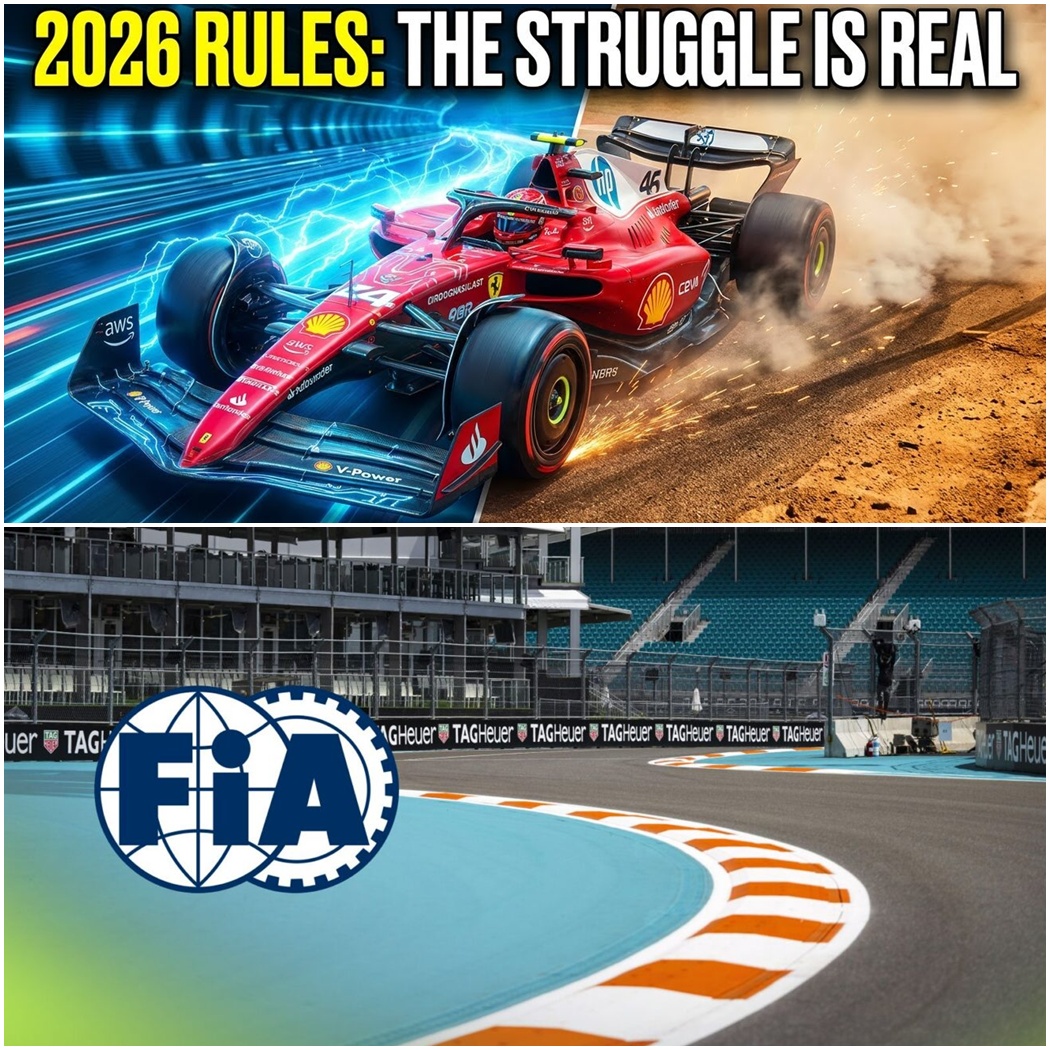
The neon lights and coastal breeze of Miami have always promised a spectacle, but as Formula 1 returns to the Magic City, the conversation has shifted from the celebrity guest lists to a much more existential crisis happening under the carbon fiber skin of the world’s fastest cars. We are witnessing the first major “correction” of the 2026 regulatory era—a targeted, surgical intervention by the FIA designed to fix a fundamental flaw that has left the world’s best drivers feeling like passengers in a high-stakes science experiment.
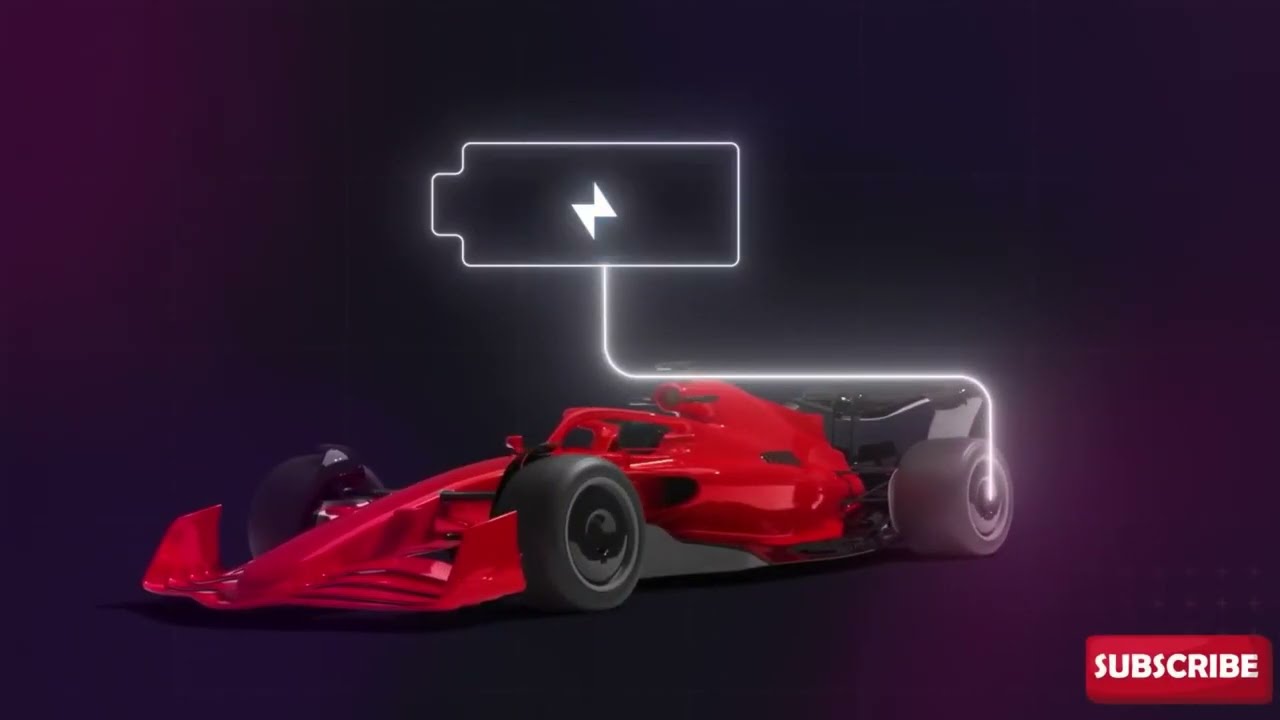
For the opening three races of the season, a shadow has loomed over the paddock. The 2026 regulations, built on a ambitious near 50/50 split between internal combustion and electric power, promised a green revolution. However, the reality on track was far from the “flat-out” heroics fans pay to see. Instead of gladiators pushing to the absolute limit, drivers were forced into a bizarre ballet of “lift and coast,” recharging batteries mid-lap just to ensure they didn’t “derate”—the dreaded loss of electrical boost—on the following straight.
The Ghost in the Machine: Why Drivers Were Struggling
The problem, as it turns out, was a strange contradiction in the car’s DNA. The early iterations of the 2026 power units created a scenario where driving faster in one corner could actually make a driver significantly slower across the entire lap. If a driver attacked a sequence of turns with traditional aggression, the battery would drain so rapidly that the car would effectively “hit a wall” of air resistance on the next straight without the electrical help to push through it.
Drivers were vocal. Qualifying, usually the purest expression of a driver’s bravery and skill, had become a mathematical headache. The instinct to brake late and accelerate early was being suppressed by the need to manage energy. The FIA listened, and Miami marks the debut of a recalibrated Formula 1.
Surgical Fixes: Less is More
The changes arriving this weekend are precise. In an ironic twist, the FIA has decided that the path to better racing involves harvesting less total energy per lap. By reducing the incentive for aggressive recharging, the “awkward” driving behaviors—like lifting off the throttle early on a straight—should theoretically disappear.
To compensate, the “super tipping” power has been bumped to 350 kW, ensuring the cars still pack a punch. The goal is a more natural feeling under the right foot. Drivers can now stay on the throttle longer and approach corners with the “limit-hunting” mentality that defines the sport. According to simulations from teams like McLaren, this doesn’t necessarily make the cars faster at peak speed—in fact, they might be slightly slower on paper—but they will be “usable” for longer.
Why Slower Speeds Might Create Faster Racing
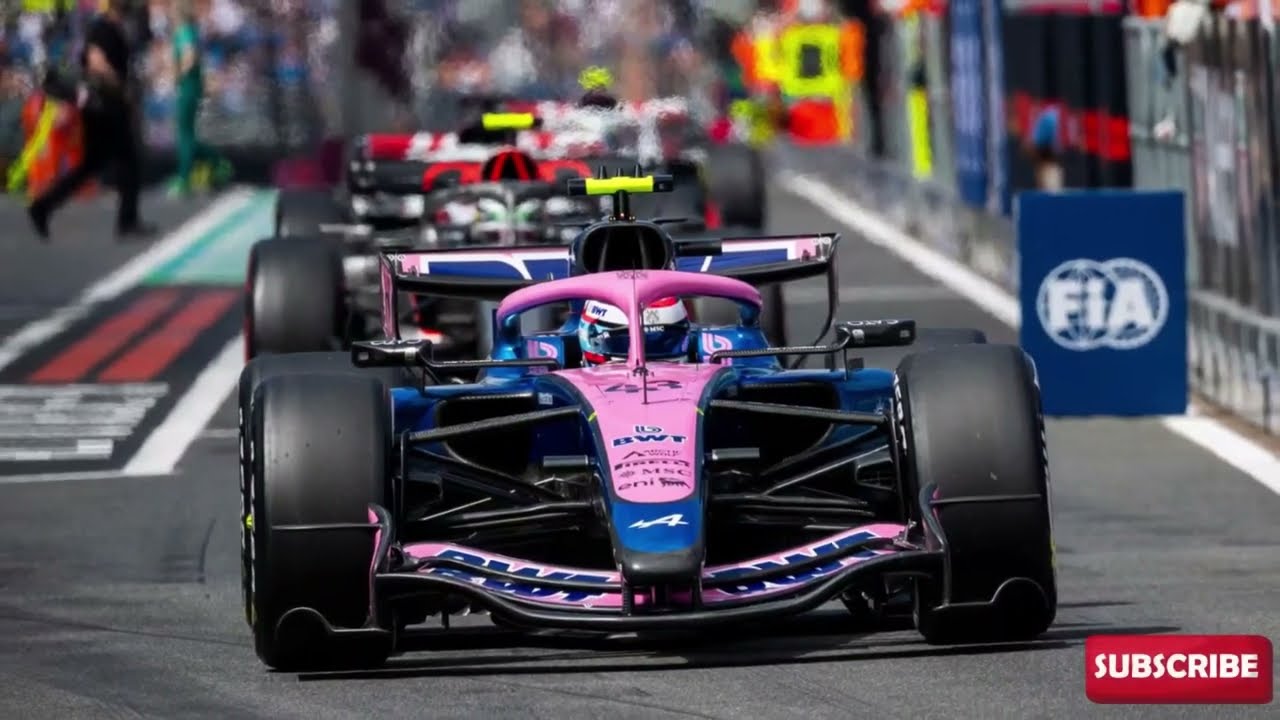
There is a fascinating paradox at play in Miami. While top speeds may dip, the cars will arrive at braking zones carrying more consistent speed. Previously, the sudden drop-off in energy at the end of a straight caused a noticeable slowdown before the driver even touched the brakes. Now, the power delivery is smoother. This means the margin for error is shrinking even further.
Braking points will become more critical, and corner entries will require a level of precision we haven’t seen in years. The ECU (Engine Control Unit) adjustments also mean that a small mistake won’t drain the entire battery’s reserves in one go. The system is becoming more forgiving of human imperfection, which, counter-intuitively, allows the drivers to take more risks.
The Death of the Opportunistic Overtake?
Perhaps the most controversial shift involves how drivers pass one another. The FIA has introduced strict limits on where electric deployment can reach its maximum. In high-risk sections or corners without active aerodynamics, power is now capped at 250 kW. This effectively funnels overtaking maneuvers into “traditional” zones—long straights and heavy braking areas.
We are moving away from the era of “opportunistic” lunges. The new boost system is refined; timing is now everything. If a driver uses their energy too early in an attack, they leave themselves defenseless for a counter-attack on the next lap. Efficiency has transformed from a technical advantage into a primary weapon of both offense and defense.
The Human Element in a Digital Era
As the teams adapt their race simulations and rewrite their energy strategies, the pressure on the humans behind the wheel has never been higher. This version of Formula 1 rewards discipline over raw aggression. The mistakes that will decide the Miami Grand Prix won’t always be spectacular crashes into the barriers; they will be subtle. A mistimed deployment here, a slightly early attack there, and the energy balance shifts, leaving a driver vulnerable for the next three laps.
Inside the paddock, the reaction is one of cautious optimism. The drivers welcome the return of a car that feels more like a racing machine and less like a rolling laboratory. However, they also recognize that the sport is in a state of flux. Miami isn’t the final destination for the 2026 rules; it is the first real-world test of the sport’s ability to admit when a direction isn’t working and course-correct in real-time.
The Road Ahead
Formula 1 is evolving. The 2026 dream of balancing sustainability with high-octane entertainment is still alive, but it is proving to be a difficult tightrope to walk. Miami will be the litmus test for whether these “surgical” adjustments can restore the soul of the sport.
This weekend, don’t just watch the leaderboard. Watch the braking points. Watch the timing of the moves. Watch the moments where a driver chooses to wait rather than strike. In this new era of “strategic control,” the smartest driver on the grid might just be the one who finishes first, proving that even in a world of complex algorithms and hybrid power, the human mind remains the most powerful component in the car.








