The Ultimate Crucible: Why the 2026 Le Mans 24 Hours Will Be the Greatest Hypercar Battle in Motorsport History
The Magic and Brutality of La Sarthe
There is a highly specific, undeniable magic that hangs heavily in the warm summer air of the French countryside every single June. It is a potent, intoxicating mixture of highly combustible racing fuel, burning carbon-fibre brake dust, and the palpable, nervous adrenaline of hundreds of thousands of passionate fans. The Circuit de la Sarthe is not merely a racing track; it is a legendary, unforgiving crucible that has ruthlessly broken the spirits of the greatest engineers and drivers the world has ever known. For twenty-four exhausting, mind-bending hours, human endurance and mechanical reliability are violently stretched far beyond their logical limits.
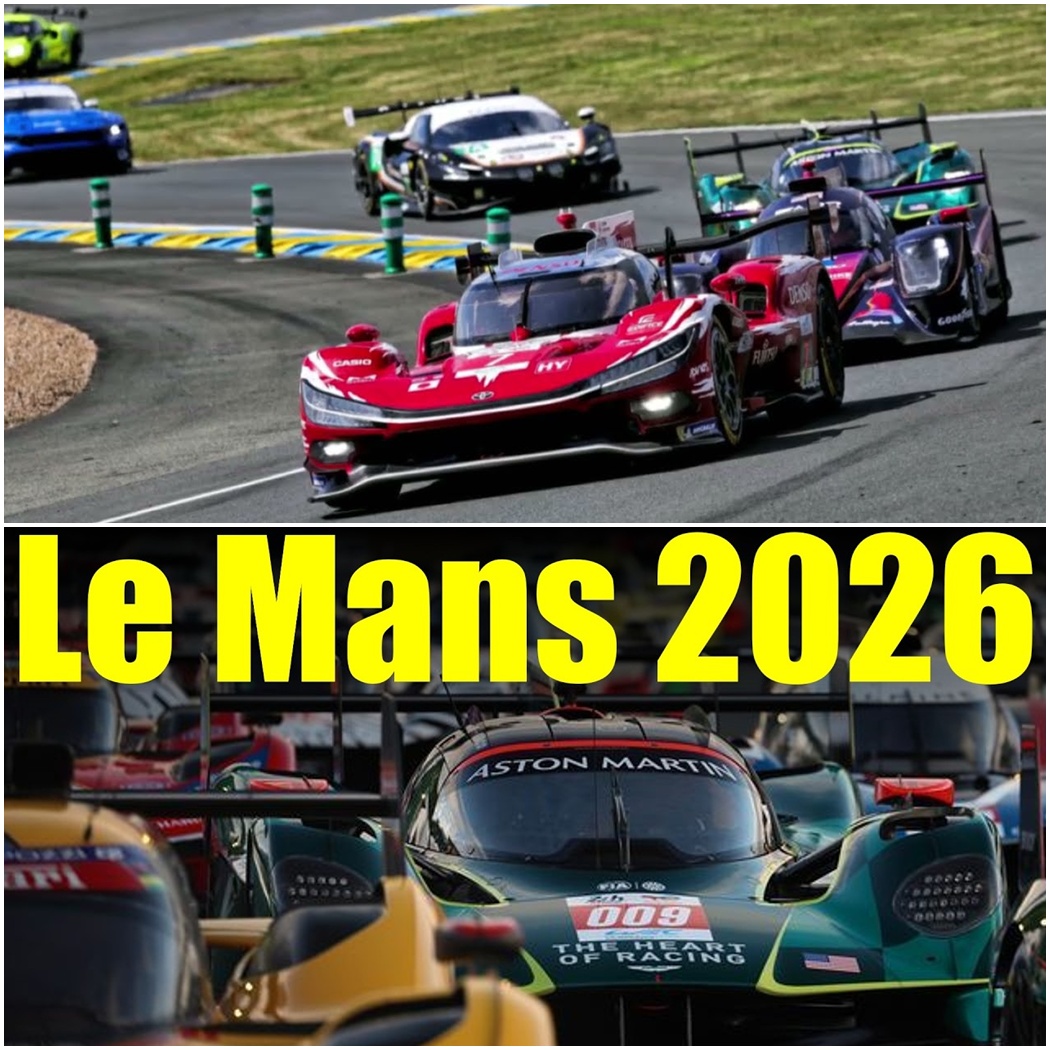
This year, the 94th edition of the historic 24 Hours of Le Mans promises to be a spectacle unlike absolutely anything we have witnessed in the modern era of motorsport. Over 300,000 screaming fans are expected to flood the grandstands and campsites, fully prepared to bear witness to a staggering 62-car grid. But the true, undisputed headline of the 2026 event lies firmly within the premier tier of prototype racing. The Hypercar class has officially reached a terrifying, glorious fever pitch.
In what can only be described as a golden age of endurance racing, a staggering eighteen Hypercars representing eight distinct, powerhouse automotive manufacturers are preparing to go to absolute war. Aston Martin, Alpine, BMW, Cadillac, Ferrari, Genesis, Peugeot, and Toyota are all meticulously aligning their bespoke aerodynamic weapons in what promises to be an epic, chaotic, and fiercely contested battle for overall immortality.
The Arrival of the Genesis Enigma
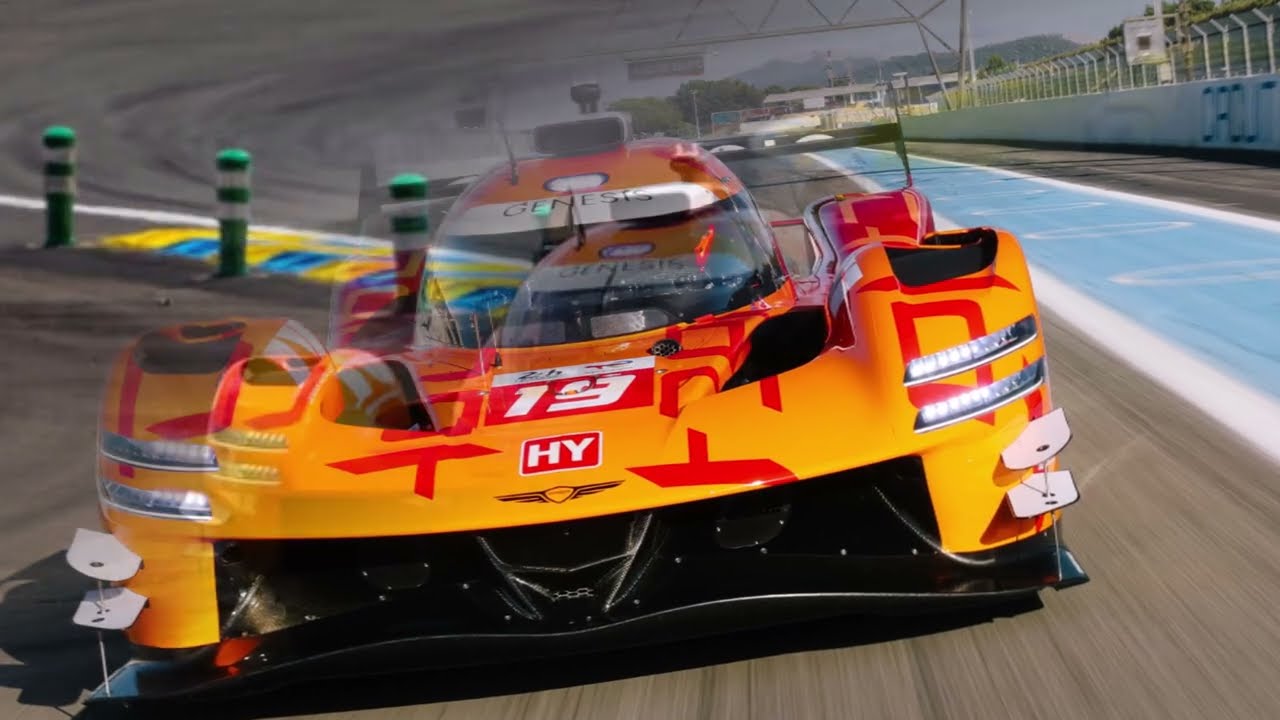
Perhaps the most universally discussed and heavily anticipated entry into the 2026 Le Mans paddock is the spectacular arrival of a completely new challenger. The Genesis entry is the enormous news story that has completely monopolised paddock chatter ahead of the gruelling race. The ambitious South Korean luxury make has confidently stepped into the highly complex LMDh arena, heavily relying on the proven expertise of chassis manufacturer Oreca to build the intricate bones of the GMR-001-Hypercar.
But Genesis has not simply arrived to make up the starting grid numbers; they have emphatically arrived to win. Powering their striking prototype is a highly sophisticated, twin-turbo V8 engine fundamentally derived from their incredibly successful World Rally Championship programmes. To ensure they possess the vital, clinical experience required to conquer the night at Le Mans, they have boldly entrusted three-time overall winner André Lotterer with lead driving duties. Partnered alongside the ruthlessly fast Pipo Derani and young talent Mathys Jaubert, the Genesis Magma Racing squad is an incredibly dangerous dark horse. They are aiming to decisively reach the chequered flag with both cars, bringing a completely fresh, disruptive energy to the established European and Japanese dominance.
The Return of British Royalty: Aston Martin’s Valkyrie
If the paddock was not already entirely saturated with intense manufacturer rivalry, the spectacular return of iconic British engineering has sent shockwaves through the sport. Aston Martin is emphatically returning to the highest level of endurance racing after an agonising fourteen-year hiatus, bringing with them a machine that fundamentally defies conventional logic: the Aston Martin Valkyrie.
Unlike the vast majority of their direct competitors who are heavily relying on complex hybrid systems to artificially boost their acceleration, the Valkyrie LMH is a pure, unadulterated, non-hybrid monster. Originally conceived as a highly extreme, track-focused road car by the brilliant mind of Adrian Newey, the Valkyrie features a screaming, naturally aspirated V12 engine that produces a spine-tingling soundtrack entirely unmatched on the modern grid. Handled expertly by the Aston Martin THOR Team, with seasoned drivers like Harry Tincknell, Marco Sørensen, and Alex Riberas at the absolute helm, the car is an aerodynamic masterpiece.
However, the Circuit de la Sarthe is a uniquely challenging course. On paper, the notoriously long straights and fast-flowing Porsche Curves theoretically play perfectly to the Valkyrie’s immense high-speed aerodynamic strengths. Yet, the brutal, bumpy nature of the public roads and the aggressive kerbs of the Ford Chicane have historically proved difficult for a car that demands absolute, rigid aerodynamic stability. If the stellar driver line-up can deliver strong, metronomic double stints and safely navigate the treacherous, slower GT traffic in the pitch black of the night, Aston Martin could dramatically shock the established order.
Toyota’s Relentless Pursuit of Perfection
You cannot discuss the modern era of the 24 Hours of Le Mans without heavily focusing on the relentless, clinical efficiency of Toyota Gazoo Racing. As five-time overall winners and the proud holders of the fastest-ever lap recorded around the historic French circuit, the Japanese giant arrives in 2026 with a massive target painted firmly on their collective backs.
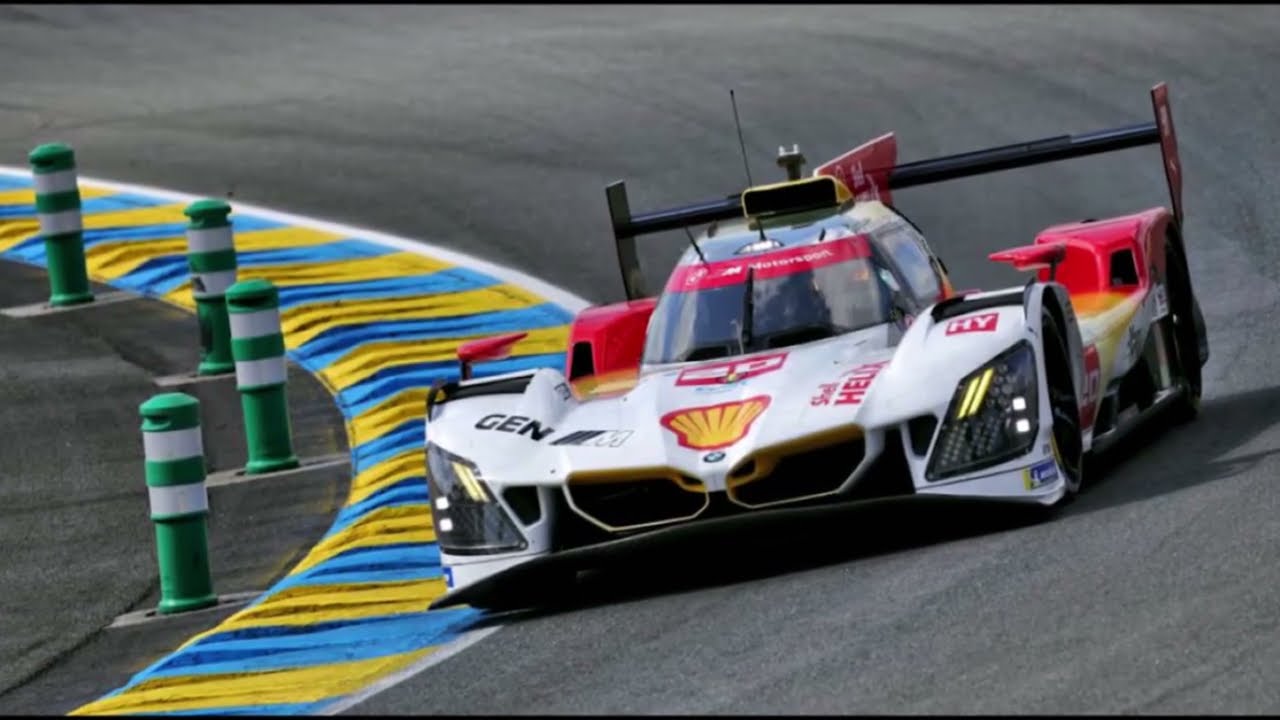
Determined to aggressively reclaim the undisputed crown they lost to Ferrari, Toyota Racing is fielding an entirely new, highly devastating weapon: the TR010 HYBRID. This new car is a massive, comprehensive aerodynamic upgrade over the previous GR010 model. The striking TR010 represents the absolute pinnacle of technical development, visually aligning with Toyota’s latest, highly aggressive road car design language. The revised aerodynamic packaging is meticulously designed to help their legendary drivers seamlessly race at their absolute maximum in all unpredictable weather conditions.
The driver line-ups remain an intimidating blend of raw speed and immense tactical intelligence. The #7 machine will be aggressively piloted by Mike Conway, Kamui Kobayashi, and Nyck de Vries, while the sister #8 car features the incredibly experienced trio of Sébastien Buemi, Brendon Hartley, and Ryo Hirakawa. For Toyota, nothing less than total, humiliating domination is ever considered an acceptable result. Their singular passion is to win the global engineering race, and they will stop at absolutely nothing to ensure the Japanese anthem echoes proudly across the packed grandstands on Sunday afternoon.
The Prancing Horse Defends Its Territory
Directly standing in Toyota’s destructive path is the undeniable romance and sheer, unbridled passion of Ferrari. The legendary Italian marquee emphatically returned to the top tier of endurance racing in recent years and immediately, magically captured the overall victory, permanently writing a glorious new chapter in their rich racing history.
For 2026, Ferrari AF Corse is proudly bringing back the gorgeous, highly effective 499P Hypercar. The stunning red machines are heavily favoured by the passionate European crowds. The #50 car, driven brilliantly by Antonio Fuoco, Nicklas Nielsen, and Miguel Molina, alongside the #51 car piloted by Alessandro Pier Guidi, James Calado, and Antonio Giovinazzi, represent a formidable wall of Italian defiance. Furthermore, the fiercely competitive privateer entry of the #83 AF Corse car, featuring the beloved Robert Kubica, ensures that Ferrari possesses the sheer numerical strength to aggressively dictate the complex strategic flow of the entire race. The tactical mind games between the pit walls of Ferrari and Toyota are fully expected to be as intensely captivating as the on-track action itself.
The American Powerhouses: Cadillac and Ford
While the Europeans and the Japanese brutally fight for supremacy, the undeniable roar of American V8 power will be heavily felt throughout the dense French forests. Cadillac Hertz Team JOTA arrives in France completely primed for outright performance. After securing a brilliant Hyperpole at Le Mans in previous years and proving their immense race pace, the Cadillac V-Series.R is hungry for ultimate success. With legendary veterans like Sébastien Bourdais and Will Stevens aggressively wrestling the striking, sharp-edged prototypes, the American manufacturer is desperately looking to permanently disrupt the established European hegemony.
Meanwhile, further down the grid in the highly competitive LMGT3 class, another deeply emotional American story is beautifully unfolding. Exactly sixty years after their historic, monumental 1-2-3 sweep that famously humiliated Ferrari in 1966, Ford Racing and Proton Competition are preparing to aggressively tackle the demanding 24 Hours with the Ford Mustang GT3.
The global Mustang GT3 programme is currently showcasing the extreme durability and raw performance of a naturally aspirated 5.4-litre V8 engine on the world’s biggest, most scrutinised stage. This deeply nostalgic 2026 campaign actively serves as a critical, foundational stepping stone toward the highly anticipated return of Ford Racing to the top-tier Hypercar category currently scheduled for 2027. The Mustang GT3 cars competing this weekend proudly carry the exact same relentless DNA and blue-collar determination that conquered the world six decades ago. They are currently hunting for a spectacular podium finish to properly honour their immense, unmatched legacy.
The European Heavyweights: BMW, Alpine, and Peugeot
The battle for Hypercar glory is further complicated by the massive, heavily funded efforts of BMW, Alpine, and Peugeot.
BMW M Team WRT has made steady, terrifying progress with the M Hybrid V8. After enduring a highly frustrating Le Mans campaign previously, the Bavarian team successfully introduced a massive new aerodynamics package that instantly yielded a spectacular one-two sweep at Spa-Francorchamps. Drivers like Robin Frijns, René Rast, and Dries Vanthoor are quietly optimistic that a special, historic result is entirely possible. BMW is desperately hunting for their second overall 24 Hours of Le Mans win, a deeply coveted prize they have not touched since the legendary V12 LMR triumphed in 1999.
The French fans will be deafeningly roaring for the Alpine Endurance Team. With a beautifully redesigned logo shaped like a striking arrow, Alpine is boldly aiming to hit the bullseye in 2026. The A424 LMDh prototype has seen significant internal developments, and the high-profile arrival of established stars like António Félix da Costa alongside young, fearless rookie Victor Martins heavily buoys their internal confidence.
Likewise, Peugeot TotalEnergies completely refuses to back down. The radically unique 9X8 Hypercar, completely visually distinct from absolutely everything else on the grid, is heavily counting on drivers like Stoffel Vandoorne and Paul Di Resta to mathematically conquer the brutal aerodynamic challenges of the Circuit de la Sarthe.
A Glimpse into the Hydrogen Future
While the ferocious battle for overall victory will aggressively consume the weekend, the 2026 Le Mans 24 Hours also marks a massive, historic milestone for the entire future of global motorsports. In a spectacular display of forward-thinking innovation, Toyota is officially bringing the TR LH2 Racing Prototype to the historic circuit for dynamic public demonstration runs.
Based securely on the exact same physical chassis as the TR010 HYBRID Hypercar, this revolutionary test car is entirely powered by a liquid hydrogen-fuelled internal combustion engine. It miraculously retains the aggressive, visceral sounds and mechanical sensations of a traditional racing engine, but with the massive, game-changing advantage of near-zero tailpipe emissions. When the TR LH2 aggressively laps the circuit on Saturday afternoon before the main race begins, the hundreds of thousands of watching fans will literally be staring directly at the sustainable future of endurance racing. It is a powerful, undeniable statement of intent that the internal combustion engine can genuinely survive and fiercely thrive in a completely environmentally conscious world.
The Ultimate Test Awaits
As the final, crucial daylight Free Practice sessions violently come to a close and the tense atmosphere of Hyperpole rapidly approaches, the sheer magnitude of the impending 2026 race becomes completely undeniable. Eighteen Hypercars. Eight massive, heavily invested manufacturers. A highly unpredictable Balance of Performance system completely guaranteeing a brutally level playing field.
The 24 Hours of Le Mans is absolutely never simply won on pure, unadulterated pace alone. It is won through flawless, lightning-fast pit stops in the freezing dead of night. It is won by exhausted, sleep-deprived drivers somehow miraculously avoiding spinning GT cars in torrential, unpredictable rainstorms. It is won by brilliant, heavily stressed engineers making split-second mathematical decisions that completely dictate the complex destiny of hundreds of dedicated team members.
The 2026 edition is perfectly poised to be the absolute greatest, most fiercely contested endurance race of our modern generation. Whether it is the screaming V12 of the Aston Martin, the surgical precision of the new Toyota, the romantic passion of Ferrari, or the disruptive, aggressive arrival of Genesis, one fundamental truth entirely remains. The Circuit de la Sarthe will always aggressively choose its own victor. The legendary track is hungry, the ultimate stage is perfectly set, and the deafening roar of the Hypercars is about to violently shake the very foundations of the motorsport world.








