Drivers Revolt and Crisis Meetings: How the FIA is Being Forced to Save the “Broken” 2026 F1 Season
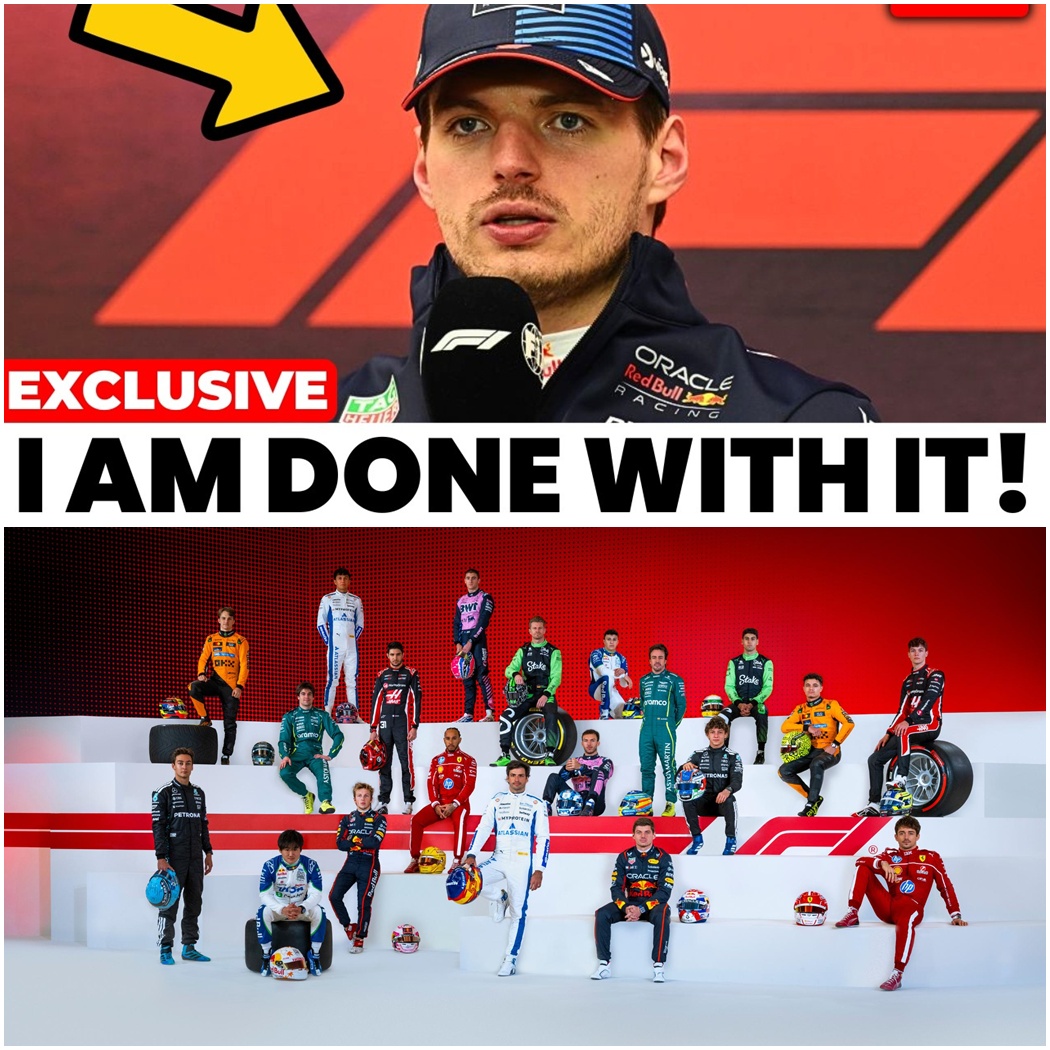
The 2026 Formula 1 season has spectacularly hit a wall, and the sport’s governing body has finally, reluctantly, been forced to admit it. After weeks of intense and mounting pressure from frustrated drivers, angry team bosses, and bewildered fans, the FIA sat down for a high-stakes, closed-door crisis meeting on Thursday. This gathering marks the very first in what is expected to be a dramatic series of emergency sessions scheduled throughout the month of April. The singular item on the agenda was painfully clear to everyone in the paddock: the heavily hyped 2026 regulations are fundamentally broken, and something massive has to change before the sport pays a truly terrifying price on the track.
To understand why the pinnacle of motorsport is currently in a state of absolute panic, you have to look directly at the incredibly complex new energy management systems. Under the strict 2026 rules, drivers are heavily restricted in how they generate electrical power. When a driver is pushing hard at full throttle, their car is only legally permitted to harvest 250 kilowatts of energy. However, if they suddenly lift off the accelerator pedal, that harvesting rate aggressively spikes to the maximum 350 kilowatts.
That seemingly small 100-kilowatt gap in the rulebook has birthed an absolute nightmare on the asphalt. Drivers are being forced into extreme “lift and coast” maneuvers at the most dangerous, high-speed points of the circuit. They aren’t doing this to save fuel or execute a clever tire strategy; they are doing it purely out of sheer desperation to keep their hybrid energy systems topped up. The inevitable result is a terrifying scenario involving massive, unpredictable closing speed differences between cars. You have one driver bravely staying flat out while the car directly ahead is suddenly coasting to recharge. The trailing driver has absolutely no way to anticipate the severe deceleration ahead of them. This is no longer motor racing; this is a high-speed safety crisis masquerading as a world championship.
This bubbling disaster violently boiled over during the recent Japanese Grand Prix at Suzuka. The exact terrifying scenario the drivers feared came to life when young star Ollie Bearman was involved in a massive, high-impact accident. It was the exact kind of devastating crash that absolutely nobody wanted to see, yet tragically, it was the exact crash everyone had been actively warned was coming.
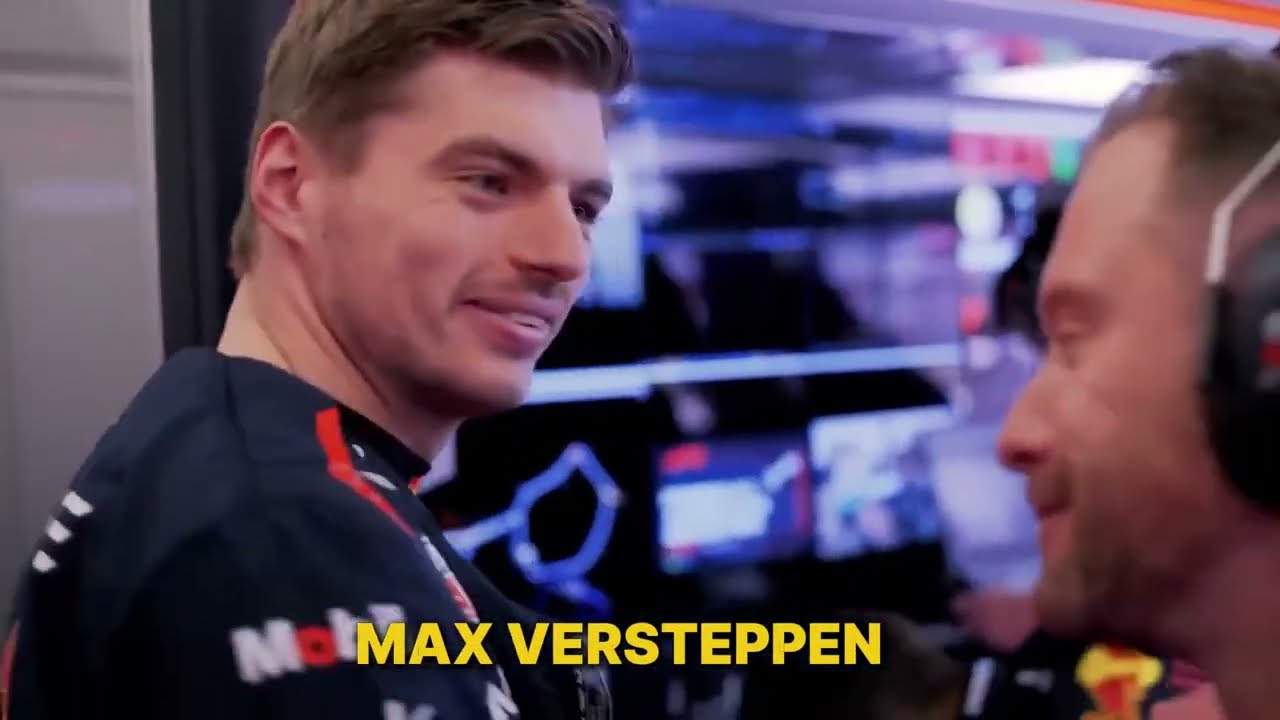
Prior to the incident, Ferrari’s Carlos Sainz had already looked the FIA square in the eye and explicitly warned them that the extreme speed differentials between the cars were going to cause a massive accident. He was tragically proven right. But the most damning indictment of the new era came from the reigning four-time world champion, Max Verstappen. Never one to mince his words, Verstappen took a blowtorch to the 2026 regulations. He didn’t just complain about his car’s balance; he viciously labeled the new generation of F1 cars as “Formula E on steroids.” He told the world’s media he would genuinely rather be playing Mario Kart, and in a move that sent shockwaves through the paddock, he went as far as threatening to walk away from the sport entirely if drastic improvements weren’t made.
These were not the emotional, throwaway comments of a frustrated driver merely having a bad weekend at the office. These were the calculated, heavily weighted words of the sport’s biggest superstar telling the regulators that their product was fundamentally flawed and dangerous. And he wasn’t standing alone. The Grand Prix Drivers’ Association (GPDA) made it abundantly clear that Verstappen’s outrage was not an isolated incident. Carlos Sainz publicly confirmed that the GPDA was entirely united on this front. Every single driver on the grid shared the exact same, deep-rooted safety concerns. When the collective voice of the drivers’ union speaks with such unwavering unity and genuine fear, the FIA simply cannot afford to look the other way.
So, on Thursday, the FIA finally stopped looking away. The emergency meeting brought together the absolute top brass of Formula 1 and the leading technical directors from all 10 teams. The official statement from the FIA PR machine described the gathering as featuring “constructive dialogue on difficult topics.” Reading between the lines, they openly acknowledged that the energy management regulations desperately need to be rewritten. For an organization that historically operates at a glacial pace and very rarely admits fault in the middle of a championship campaign, this was a monumental concession.
Currently, there are three concrete options laying on the crisis table. The first option is to significantly increase the “super clipping” limit. Super clipping is the highly technical process of harvesting energy while the driver is still at full throttle, which is currently strictly capped at 250 kilowatts. McLaren’s brilliant team principal, Andrea Stella, has aggressively proposed raising that limit to match the full 350-kilowatt output. If drivers can successfully harvest maximum energy without needing to lift off the throttle, the erratic, terrifying speed profiles would immediately become far more predictable. Within the paddock, this is widely considered the safest, smartest, and least disruptive option available. It directly attacks the root cause of the dangerous “lift and coast” problem without requiring teams to redesign their cars entirely.
The second option is a bit more targeted toward deployment. The FIA could choose to reduce the maximum energy deployment away from 350 kilowatts, or they could artificially adjust the “ramp-down rate”—the specific speed at which the electrical power deliberately fades as the car rockets down a long straight. Right now, when that electrical power suddenly cuts out, the cars essentially become sitting ducks, leaving drivers completely defenseless. Adjusting this rate would make the power delivery much more gradual, eliminating those terrifying dead zones.
Then, there is the third option. It is by far the most extreme, and it is the one giving aerodynamicists nightmares. It involves brutally slashing the total energy harvesting limit from 8 megajoules down to a mere 6 megajoules per lap. Before Suzuka, the FIA had already quietly cut the qualifying limit to reduce dangerous super clipping, but dropping it to 6 megajoules during a race is a massive paradigm shift. It would mean drivers are carrying significantly less recoverable energy, dramatically reducing the intense pressure to aggressively harvest. They could finally push hard, drive on pure instinct, and stop managing their steering wheels like they are stuck in commuter traffic. The downside? Early data suggests lap times could balloon by more than two full seconds at certain circuits. The cars would be noticeably, perhaps embarrassingly, slower. For a global sport that heavily markets itself on being the absolute pinnacle of speed and engineering, slowing the cars down by two seconds is a bitter, jagged pill to swallow.
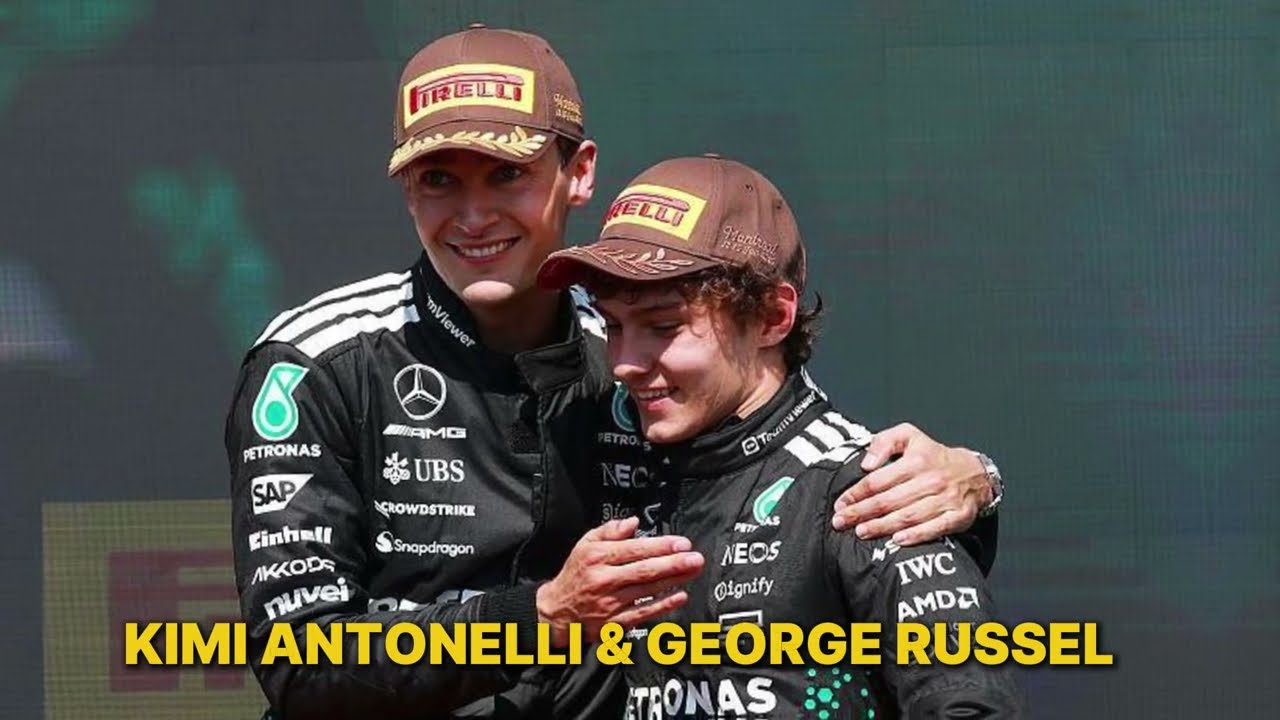
But here is where the pure politics of Formula 1 make everything infinitely more complicated. Mercedes has utterly dominated the incredibly young 2026 season. Kimi Antonelli and George Russell have sensationally won all three opening races and the sprint. The silver arrows have brilliantly built a car perfectly optimized for these exact, flawed energy regulations. Naturally, Mercedes does not want a single comma in the rulebook to change. Their massive investment is paying off with pure gold.

On the other side of the garage, Red Bull Racing is in total freefall. The team that won a staggering 21 races in 2023 is currently languishing in fifth place in the constructors’ standings—level on points with Alpine. Max Verstappen openly admitted they are totally lost trying to understand the complex new energy systems. McLaren and Red Bull are pushing aggressively for massive changes, knowing a mid-season rewrite is their only realistic chance to reset the competitive order and close the gap to Mercedes.
The clock is now ticking louder than ever. The FIA has outlined a brutally strict timeline: a sporting regulations meeting on April 15th, technical finalizing on April 16th, and the ultimate, season-defining vote by team bosses on April 20th. If approved, the sweeping new rules will be forcefully implemented in time for the Miami Grand Prix in early May. That leaves the brightest engineers in the world with less than four weeks to model, adapt, and rewrite their software. The entire 2026 championship hangs delicately in the balance. Will the rule changes magically revive Verstappen’s title hopes, or will Mercedes successfully lobby to protect their historic dominance? The Formula 1 world is holding its breath.








