The ‘Madring’ Revolution: Inside Formula 1’s Audacious, Neck-Breaking Madrid Circuit
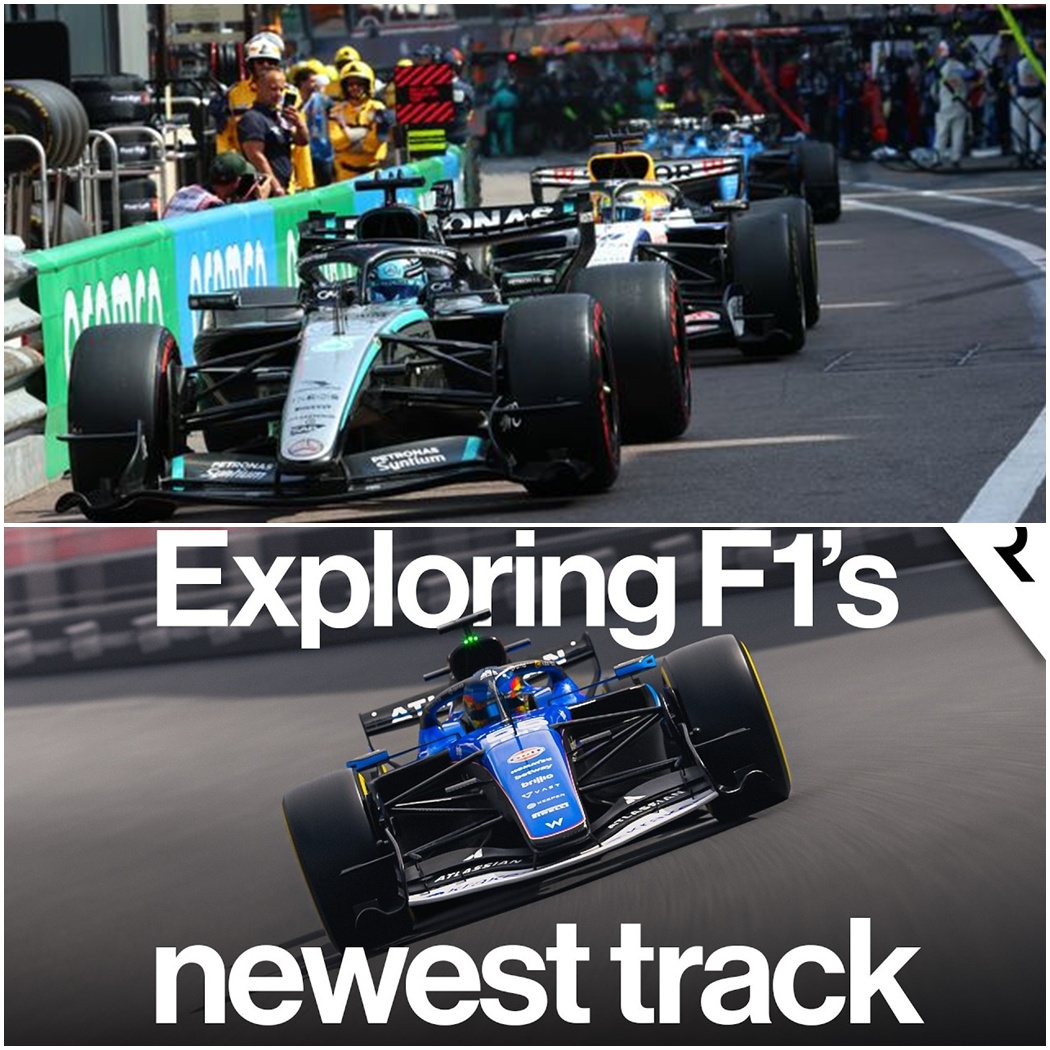
The roar of Formula 1 engines is preparing to echo through the vibrant, sun-drenched streets of the Spanish capital in a way that motorsport enthusiasts have never witnessed before. Madrid is officially back on the global motorsport map, and the much-anticipated ‘Madring’ circuit is shaping up to be an absolute spectacle of modern engineering, raw speed, and strategic complexity. Arriving on the calendar this September—with the inaugural race scheduled for September 13th—the brand new Spanish Grand Prix venue promises an adrenaline-fueled hybrid experience that seamlessly fuses the unforgiving nature of a street circuit with the high-octane, flowing dynamics of a purpose-built permanent racetrack.
For years, purists of the sport have expressed a growing skepticism toward the increasing number of urban street tracks joining the Formula 1 calendar. Critics often cite a lack of overtaking opportunities, monotonous ninety-degree corners, and an absence of character. However, following a comprehensive tour of the construction site, discussions with key figures behind the project, and a deep dive into the circuit’s layout, it is abundantly clear that the Madring is heavily equipped to silence the doubters. This is not going to be another flat, featureless procession in the vein of the old Valencia or Sochi tracks. Instead, Madrid is offering a track brimming with vicious elevation changes, blind crests, and a banking so extreme it will genuinely test the physical limits of the drivers.
The Anatomy of Speed: Unpacking the 5.4-Kilometre Layout
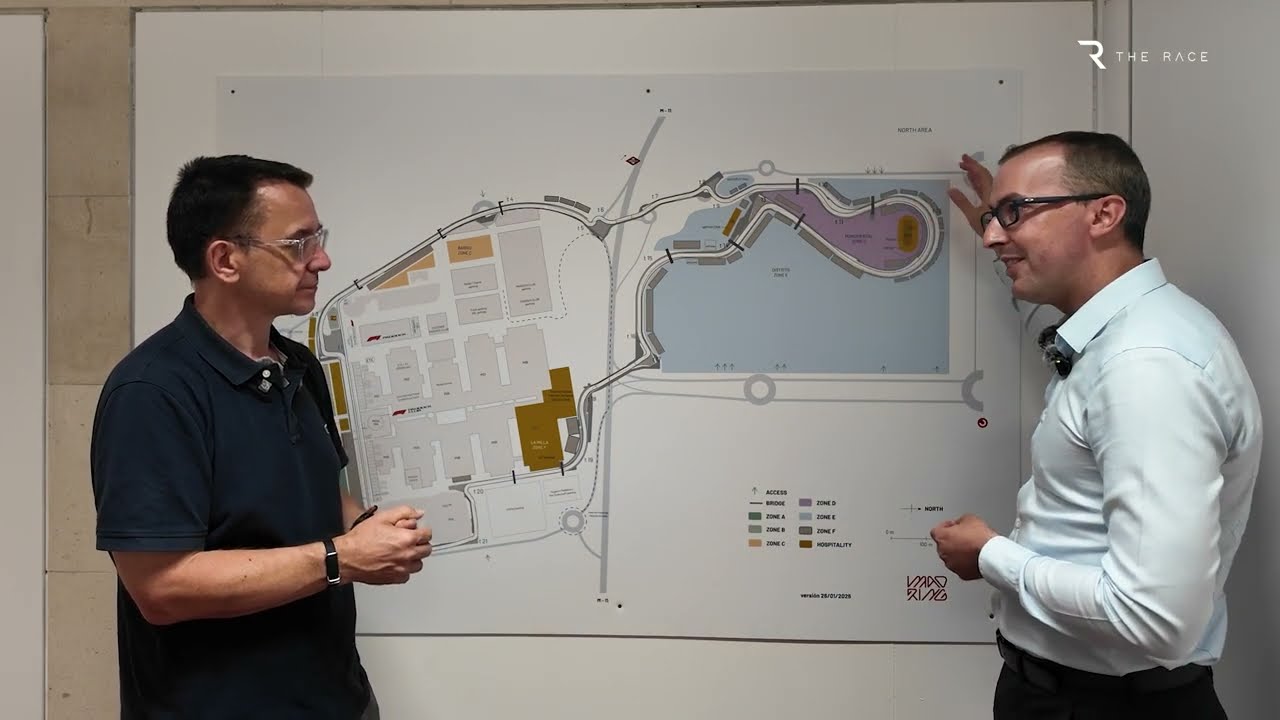
To truly appreciate what the Madrid circuit will bring to the Formula 1 World Championship, one must look closely at its ambitious layout. Stretching across 5.4 kilometres and featuring a total of twenty-two corners, the track is a masterclass in variety. The lap begins on the main start-finish straight, which is uniquely positioned to drop the cars into Turn One after a notably short run of less than three hundred metres from the pole position slot. This condensed blast off the line guarantees that the start of the race will be a chaotic, tightly packed scramble for position, demanding ultimate precision from the drivers as they brake heavily into a slow, tight left-right chicane taken in third gear.
But the slow, technical nature of the first sector is a deliberate deception. Immediately after navigating the opening chicane, the drivers are unleashed onto a colossal, flat-out stretch measuring over one kilometre in length. Accelerating violently all the way down to Turns Five and Six, the state-of-the-art simulations predict that the latest generation of Formula 1 machinery will comfortably exceed terrifying speeds of three hundred and forty kilometres per hour. This massive straight is destined to become the primary overtaking hotspot of the circuit, allowing slipstreaming battles that will undoubtedly define the race.
Yet, this is merely the warm-up. As the cars rocket into the Valdebebas zone—the neighbourhood situated closest to the IFEMA exhibition centre—the circuit reveals its true, wild character. The track dramatically plunges downhill into Turn Eight before instantly rearing back up into a viciously steep eight percent incline. Just as the cars crest this steep climb, the ground drops away once more into a five percent descent. These rapid, rollercoaster-like elevation changes will constantly unsettle the cars, forcing the suspension systems to work overtime while drivers desperately try to maintain traction across the undulating Spanish tarmac.
The Crown Jewel: Surviving ‘La Monumental’
Every iconic racetrack in the world boasts a signature corner that defines its legacy. Spa-Francorchamps has the terrifying Eau Rouge; Suzuka has the legendary 130R; and now, Madrid brings us ‘La Monumental’. Taking the form of Turn Twelve, this corner is already generating a mixture of awe and anxiety throughout the Formula 1 paddock.
La Monumental is not just a corner; it is an engineering marvel. Stretching for an astonishing five hundred and fifty metres, it will officially claim the title of the longest corner in modern Formula 1. But its length is only a fraction of the story. The corner features a jaw-dropping twenty-four percent gradient banking, which translates to approximately thirteen and a half degrees of steep inclination. At its peak, the outer edge of the track towers ten metres high into the Madrid sky.
When you stand at the base of La Monumental, the sheer scale of the banking is dizzying. The organisers initially planned for the approach to be completely flat out, but safety concerns regarding the extreme G-forces forced them to introduce a chicane at Turns Ten and Eleven to slightly scrub off speed. Even with this intervention, drivers are expected to attack the banking at speeds well over two hundred and fifty kilometres per hour. For more than two agonising seconds, the drivers will be subjected to crushing sustained lateral loads in excess of 4G. The physical strain on the drivers’ necks will be immense, separating the fittest athletes from the rest of the grid.
Adding to the terror is the corner’s exceptionally blind exit. Because La Monumental sweeps uphill and then immediately drops away upon exit, the drivers will be steering towards a vanishing point they simply cannot see. With concrete barriers lining the extreme edges of the track, there is zero margin for error. As local racing experts note, the steep banking offers multiple viable racing lines. A veteran like Fernando Alonso might aggressively hug the high line to maintain momentum, while others may dive low. The strategic battles through this monolithic curve will undoubtedly be the defining images of the Spanish Grand Prix.
G-Forces and Rubber: The Pirelli Challenge
While the drivers physically brace for the punishing nature of La Monumental, the engineers on the pit wall will be closely monitoring an entirely different crisis: tyre degradation. The sustained high speeds, coupled with the brutal compression generated by the extreme banking, will put an unprecedented amount of strain on the front left tyre.
Pirelli, the official tyre supplier for Formula 1, will have to engineer incredibly robust compounds specifically to survive the unique demands of the Madring. A failure on the front left tyre at maximum velocity through the banking would be catastrophic, meaning tyre management will heavily dictate race strategy. The sheer physics of La Monumental will demand a complete re-evaluation of chassis setups across the pit lane. The right side of the car will be thrust deep into the tarmac, while the left side struggles against the colossal inertia. Engineers will be forced into a treacherous balancing act: setting the ride height low enough to exploit the aerodynamic ground effect on the massive straights, but high enough to prevent the floor from violently bottoming out as the car compresses into the twenty-four percent banking.
Furthermore, the pit lane itself introduces a fascinating tactical headache. Organisers estimate that transiting the exceptionally long and slow pit lane will cost drivers upwards of twenty-five to thirty seconds. Such a massive time penalty for a pit stop means that a one-stop strategy will be the holy grail for race engineers, further incentivising drivers to nurse their tyres through the abrasive, high-load sections of the circuit.
Sustainability Meets Engineering
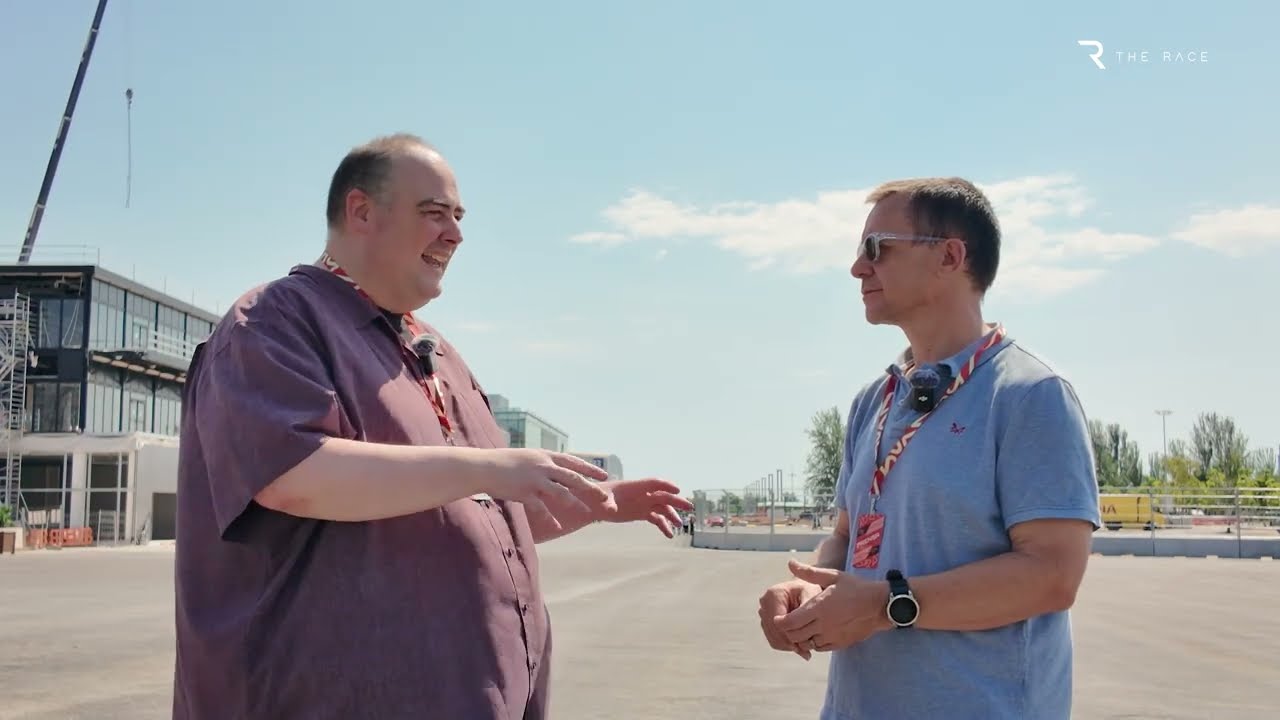
What makes the Madrid circuit particularly fascinating is how its creation intertwines with modern environmental sensibilities. The construction of La Monumental required massive amounts of earth to create the artificial ten-metre-high landfill. Instead of relying on a fleet of carbon-spewing trucks to import materials from outside the city, Chief Operations Officer Carlos Gimenez and his team devised a highly sustainable, eco-friendly solution.
The earth used to sculpt the colossal banking was excavated directly from other areas of the circuit’s plot. This ingenious closed-loop construction method dramatically reduced the project’s overall carbon footprint. By eliminating the need to transport soil across the region, the organisers minimised traffic disruption, slashed emissions, and demonstrated that large-scale motorsport infrastructure can be developed with a keen eye on environmental responsibility. It is a brilliant testament to the forward-thinking nature of the Madring project.
Visions of Red: Asphalt and Indoor Racing
As if a terrifying banked corner and rollercoaster elevation changes were not enough, the organisers of the Madrid Grand Prix are already planning aesthetic and structural innovations that could forever change the visual identity of Formula 1. During the initial design phases, there was serious discussion about paving the circuit with striking red asphalt—a bold nod to the vibrant, passionate colours that define both Spain and the city of Madrid.
While the red tarmac has been shelved for the inaugural race out of an abundance of caution—largely because the specific pigment formulation has not yet been subjected to the extreme rigours of Formula 1 cars—it remains a strong possibility for the future. Due to the abrasive nature of the racing, the track will inevitably require resurfacing during its ten-year contract. Gimenez revealed that the iconic red pigment will likely be introduced during this repaving process. However, navigating Madrid’s strict civic regulations presents a unique challenge, as red asphalt is legally reserved for public cycling lanes in the city. Therefore, the vibrant red surface will likely be restricted to the private, purpose-built sections of the track, ensuring La Monumental stands out even more dramatically.
Furthermore, the track’s integration with the massive IFEMA exhibition centre opens the door to another mind-bending possibility: indoor racing. Taking inspiration from the Formula E circuit at the ExCeL in London, organisers are actively exploring the potential to route the Formula 1 track directly through the cavernous exhibition halls. The sensory overload of a howling Formula 1 engine echoing off the walls of an indoor arena would be an unprecedented spectacle in the history of the sport, further cementing Madrid as a trailblazing, boundary-pushing venue.
A Circuit of Two Halves: The Fan Experience
For the hundreds of thousands of passionate fans expected to descend upon Madrid this September, the logistical layout of the track presents a uniquely fascinating dynamic. The Madring is quite literally a circuit of two distinct halves, geographically divided by the bustling M11 motorway. The track dives underneath the highway via two high-speed tunnels, seamlessly connecting the IFEMA exhibition sector with the sprawling Valdebebas zone.
However, for the inaugural event, there will be no physical pedestrian bridges spanning the motorway to connect the two fan zones. This creates a fascinating choice for attendees. Fans must commit to a side for their race day experience. If you secure a ticket for the southern half—the IFEMA sector—you will be immersed in the traditional Formula 1 paddock atmosphere, complete with the cavernous, sprawling pit garages and start-finish line action. This side is easily accessible via the city’s highly efficient underground metro system.
Alternatively, fans who choose the northern half will be treated to the raw, untamed speed of the Valdebebas sector, including prime viewing spots for the awe-inspiring La Monumental banked corner. This vibrant fan zone is seamlessly serviced by Madrid’s overground train network. The anticipation of navigating between these zones, experiencing the shifting roars of the V6 hybrid power units echoing through the M11 tunnels, and witnessing the sheer scale of the IFEMA complex guarantees an immersive weekend for every spectator. While shuttle buses will eventually ferry fans between the two halves, the distinct separation guarantees that the northern and southern sectors will develop their own unique subcultures and electric atmospheres over the race weekend.
The Verdict: More Than Just Another Street Track
When the lights go out in Madrid, the Formula 1 world will instantly realise that the Madring is not merely another sterile addition to the calendar. It is a track loaded with genuine personality and aggressive character. From the blindingly fast one-kilometre straights to the neck-straining, tyre-shredding brutality of a twenty-four percent banked corner, the circuit has been meticulously engineered to demand perfection from the world’s greatest drivers.
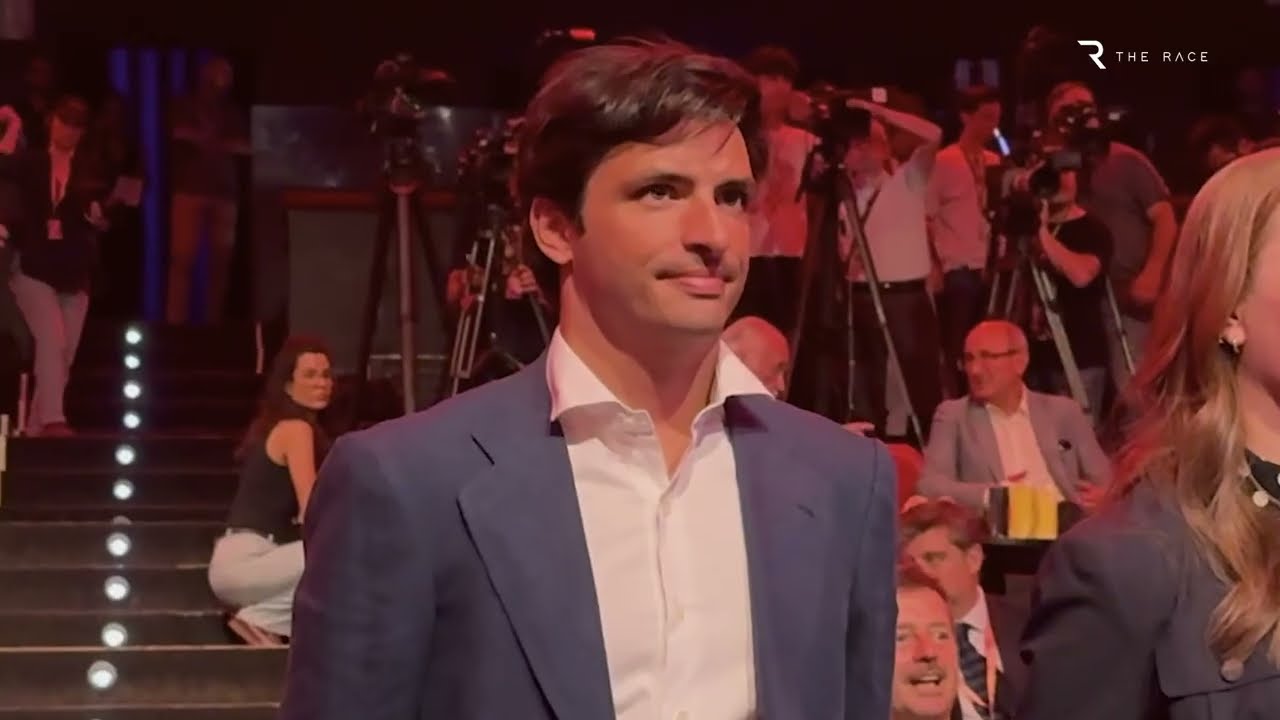
Hometown hero Carlos Sainz has already voiced his sheer anticipation, noting the flowing, high-speed nature of the second sector that entirely betrays the typical slow, clumsy feel of a traditional street circuit. The sheer variety of challenges—from heavy braking zones and blind crests to multiple racing lines through massive banking—ensures that car setup will be an absolute nightmare for engineers, but the racing will be an unmissable thrill for the fans.
The passing of the Spanish Grand Prix torch to Madrid has undoubtedly sparked a new era for motorsport in the country. The Madring has set a formidable new benchmark for what a modern, hybrid Formula 1 venue can achieve. It is ambitious, it is bold, and above all, it is incredibly fast. When the cars hit the track to tackle La Monumental for the very first time, history will be written at three hundred kilometres per hour. The countdown has officially begun, and the global racing world is waiting with bated breath.








