The Unseen War at Suzuka: Every Crucial 2026 F1 Car Update Revealed Ahead of the Japanese Grand Prix
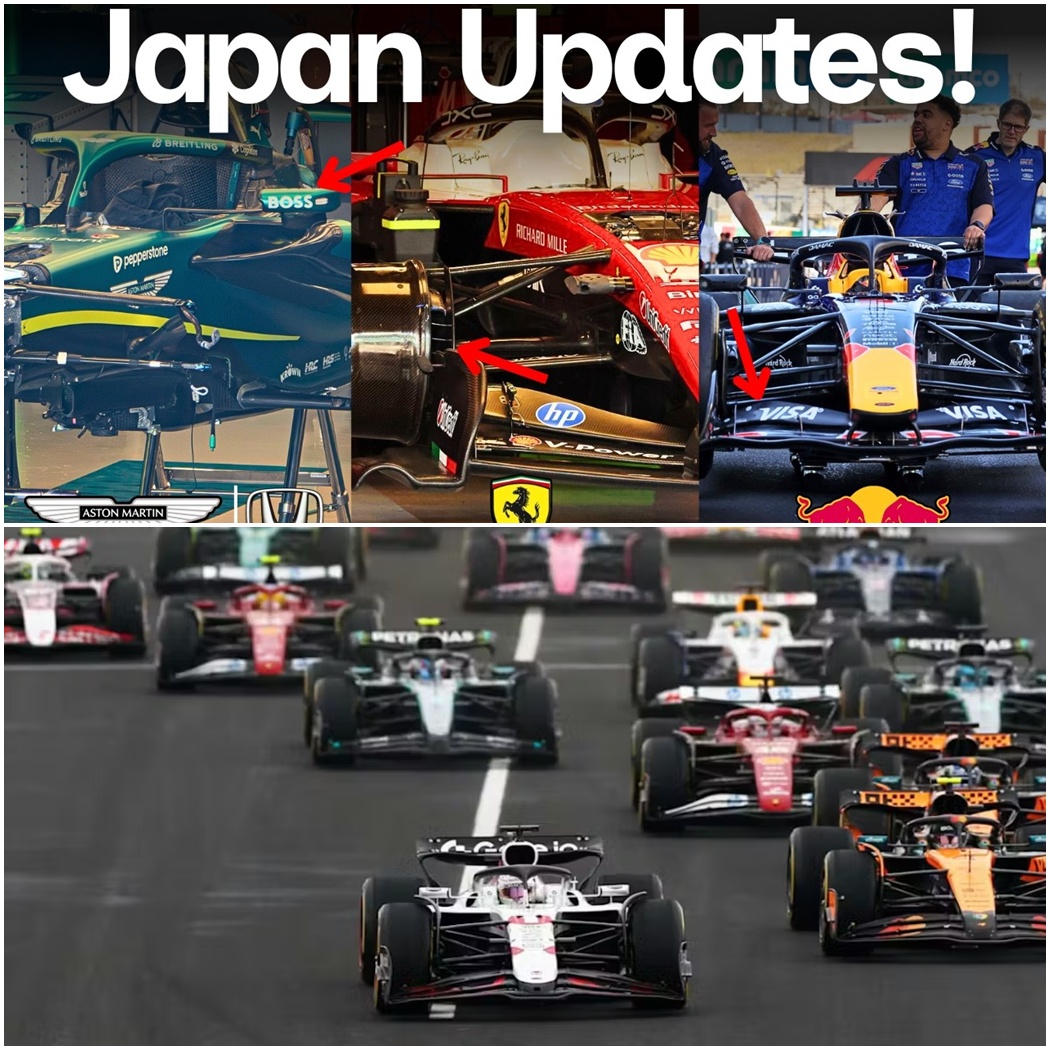
As the Formula 1 circus descends upon the iconic, figure-eight tarmac of the Suzuka International Racing Course for the third round of the highly anticipated 2026 season, the paddock is buzzing with a palpable sense of urgency. The Japanese Grand Prix has always been a ruthless litmus test for aerodynamic efficiency and mechanical brilliance, pushing both driver and machine to the absolute limit. However, the real battle this weekend isn’t just taking place through the sweeping Esses or the terrifyingly fast 130R corner; it is happening right inside the garages. Teams have finally broken cover, revealing a fascinating array of circuit-specific upgrades, desperate mechanical fixes, and jaw-dropping special liveries. From sudden FIA technical directives to a deeply controversial Mercedes front wing, the development war of the 2026 season has officially shifted into high gear.
Let’s begin with the team that has arguably the most to prove this weekend: Aston Martin. Adorned in their striking racing green, the Silverstone-based squad has arrived in Japan with a singular, desperate focus—improving the atrocious drivability and severe reliability issues currently plaguing their newly adopted Honda power unit. Following the catastrophic early exits of both Fernando Alonso and Lance Stroll in China, the pressure on the Japanese engine manufacturer has reached a boiling point. Honda’s trackside technical leader, Shintaro Orihara, recently revealed that intense, short-term changes have been implemented specifically for Suzuka to guarantee one hundred percent reliability. Stroll’s heartbreaking retirement in Shanghai was traced back to a catastrophic battery failure, and according to Orihara, the emergency adjustments made for Japan should, at the very least, keep the highly stressed electrical components in one piece, allowing the AMR26 to complete a full Grand Prix race distance.
However, the dark cloud hovering over the Aston Martin garage is the terrifying vibration issue heavily affecting both drivers. The violent shaking, which is reportedly transmitting directly through the steering column, has made the car practically undrivable over long stints. Aston Martin Team Principal Mike Krack stated that the team will use the first two practice sessions to test mysterious, unspecified mechanical tweaks to the steering mechanism in hopes of dampening the brutal Honda engine vibrations. This is far from the comprehensive engine upgrade fans were hoping for. Official reports from the paddock suggest that Honda is taking a more cautious approach, utilizing the upcoming April break to fully understand the root cause of these violent vibrations before introducing a massive specification upgrade at the Miami Grand Prix.
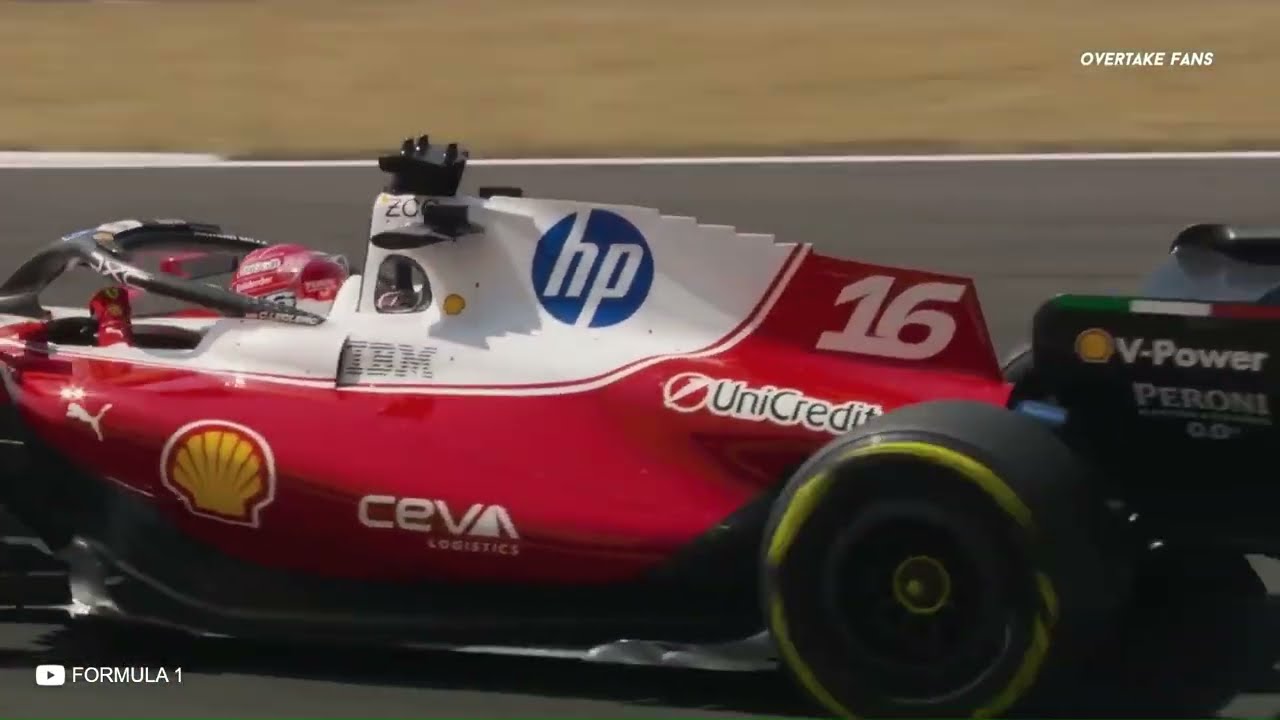
Moving down the pit lane, the Scuderia Ferrari garage presents a slightly different narrative. The iconic team in red has brought a highly pragmatic, rather than revolutionary, upgrade package to Japan. The team has made distinct revisions to the front end of the SF-26, specifically targeting the brake cooling ducts. A side-by-side comparison of the car from China to its current iteration in Suzuka clearly shows that Ferrari has significantly widened these cooling ducts to improve thermal management. With Suzuka being an incredibly high-energy circuit notorious for brutal thermal degradation on the tires and brakes, this adjustment makes perfect logical sense.
Yet, what is missing from the Ferrari is arguably more interesting than what is currently attached to it. The team has shockingly not brought their highly anticipated “Macarina wing” to Japan—at least, it hasn’t been mounted on the car yet. Team Principal Frédéric Vasseur had previously mentioned that the team would be bringing the innovative “flip-flop” wing to Suzuka for extensive testing. Considering the specific straight-line modes the FIA has allocated around the circuit, the absence of this wing is genuinely baffling. Furthermore, Ferrari has also delayed the introduction of their updated “Halo wing.” Reports indicate that the version tested in China was merely a prototype, and a brand-new, seamlessly integrated titanium specification will not be introduced until Miami.
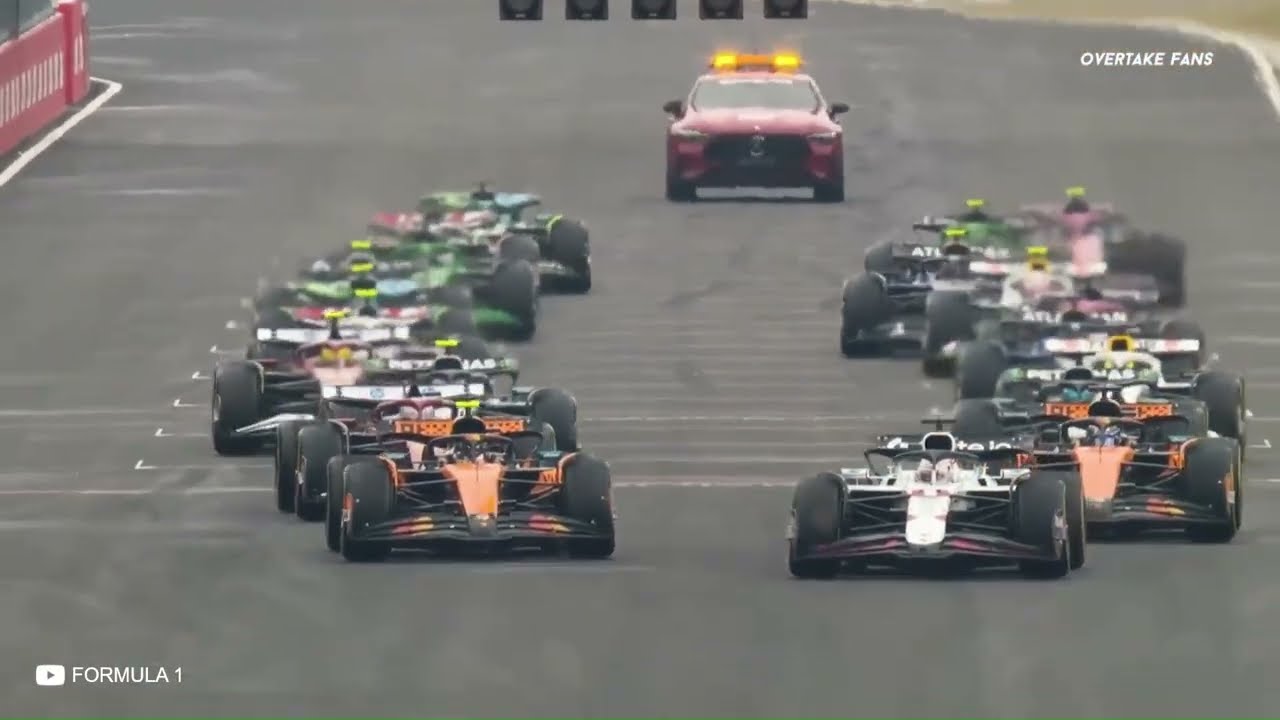
While Ferrari is playing a conservative hand, all eyes—and the lenses of every rival team photographer—are fiercely glued to the Mercedes garage. Following the Chinese Grand Prix, the Silver Arrows found themselves under a massive spotlight after eagle-eyed fans and rival engineers spotted a highly suspicious difference in the behavior of their active aerodynamics. Video footage captured from race winner Kimi Antonelli’s onboard camera showed what appeared to be a complex, multi-stage transition between the car’s straight-line and cornering aerodynamic modes. The paddock was rife with rumors that Mercedes had discovered a brilliant, two-phase wing loophole that manipulated aero loads for energy harvesting and extreme braking stability.
However, following a rigorous FIA investigation, the governing body concluded that this bizarre aerodynamic behavior was simply the result of a miscalculation by Mercedes regarding the immense forces acting upon the wing during mode switches. While Mercedes firmly insists no illegal loopholes are being exploited, rival teams remain incredibly skeptical. Adding to the intrigue, close-up shots of George Russell’s spare front wing revealed a red sticker bluntly stating “No Gas Pressure,” indicating that the complex hydraulic systems required for the active aero to function had not yet been fully prepped. Rest assured, the FIA will be monitoring that specific front wing like a hawk all weekend.
Beyond the major aerodynamic drama, the intricate mechanical details of these 2026 beasts are a sight to behold. Braking stability and tire cooling are absolutely paramount through Suzuka’s relentless sector one, and close-up photography of the McLaren and Aston Martin rear brake assemblies highlights two vastly different engineering philosophies. McLaren’s MCL40 design is an absolute work of art, featuring incredibly sophisticated, sweeping carbon channels and complex curves integrated into a multi-link rear wishbone setup. In stark contrast, the Aston Martin AMR26 utilizes a much simpler, brutalist six-piston caliper design that looks largely carried over from the previous year, despite the mandatory reduction in brake disc size for 2026. Further down the grid, a rare glimpse into the rear end of the Alpine revealed a striking gold input shaft connected directly to the gearbox. This component is a highly sensitive torque sensor utilized strictly by the FIA to measure the engine’s power output, ensuring no team secretly exceeds the stringent aerodynamic testing allocations.
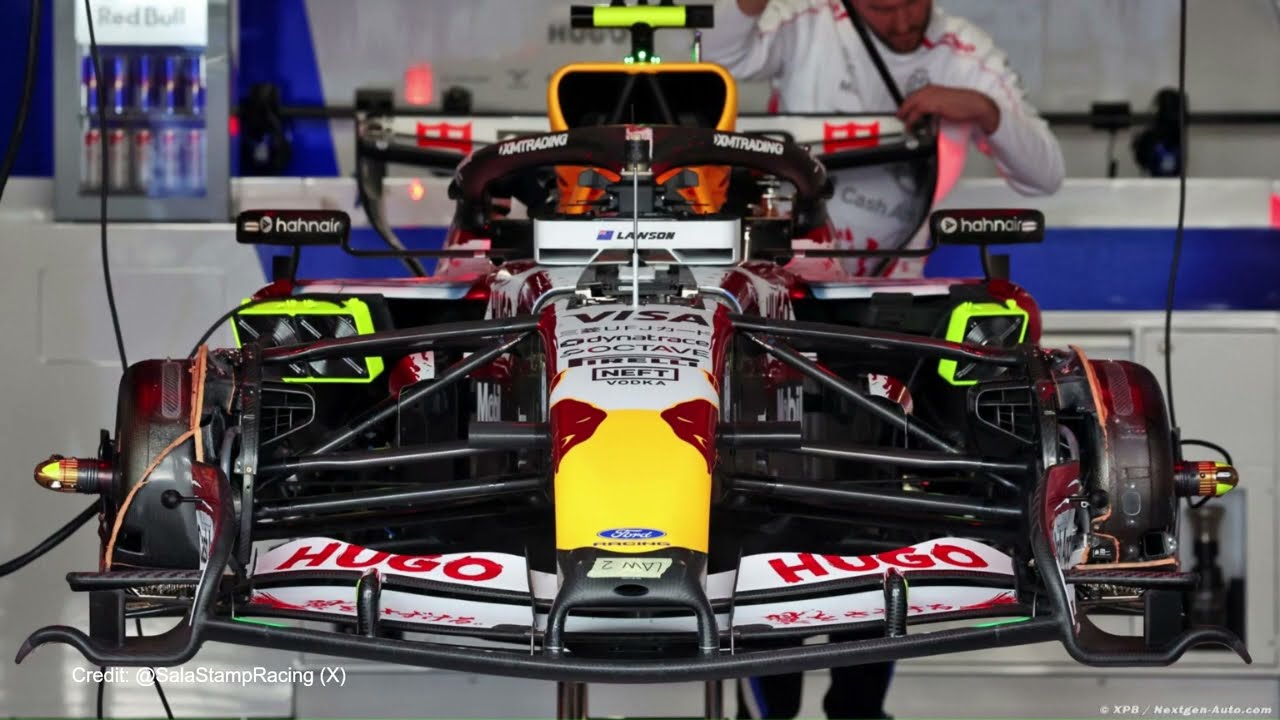
Interestingly, the massive regulation overhaul has created an unexpected homogenization at the rear of the cars. Because the 2026 aerodynamic rules drastically reduced overall downforce, all eleven teams have essentially stuck to a single rear wing design philosophy that prioritizes rear-end stability above all else. Consequently, the ferocious development war has been almost entirely shifted to the front wing concepts. Audi boasts a beautifully intricate, highly developed front wing that aims to fiercely aggressively channel airflow, while Ferrari has opted for a surprisingly minimalist approach. Meanwhile, Red Bull Racing brought two entirely different front wing specifications to Suzuka, setting the stage for an intense side-by-side data comparison during Free Practice 1.
Just when the teams thought they had the weekend entirely figured out, the FIA threw a massive, last-minute curveball regarding the qualifying format. The governing body suddenly announced that the maximum allowable electrical recharge limit has been reduced from 9 megajoules down to 8 megajoules. This crucial technical adjustment is specifically designed to eliminate “super clipping”—a phenomenon where a car violently runs out of electrical deployment at the end of a long straight—forcing all drivers to perform an honest, on-the-edge lap without artificial electrical manipulation. While this change drastically alters the one-lap qualifying strategy, the race-day regulations remain completely untouched.
Finally, no Japanese Grand Prix would be complete without teams embracing the vibrant, eclectic car culture of the host nation. While many fans eagerly anticipated massive upgrade packages from the American Cadillac squad—only to be disappointed as the team officially delayed their parts to Miami—the grid will still feature some incredible visual treats. Haas has unveiled a deeply striking, Godzilla-themed special livery that aggressively wraps around the VF-26 chassis, perfectly capturing the chaotic energy of the weekend. Not to be outdone, the Racing Bulls have brought a stunning, highly detailed livery of their own that many argue completely steals the show. Even Mercedes has joined the artistic fray, sporting a bizarre “Wolf style” graphic on their highly controversial front wing—though the paddock consensus suggests it might not be their most aesthetically pleasing work.
As the engines fire up and the cars finally hit the track in the Land of the Rising Sun, the stage is perfectly set for a weekend of high-speed drama, technical espionage, and relentless competition. The upgrades have been bolted on, the excuses have run out, and the brutal Suzuka circuit is ready to separate the true championship contenders from the rest of the pack.








