The Billion-Dollar Boardroom War: How Christian Horner, Mercedes, and the FIA Are Tearing the Paddock Apart
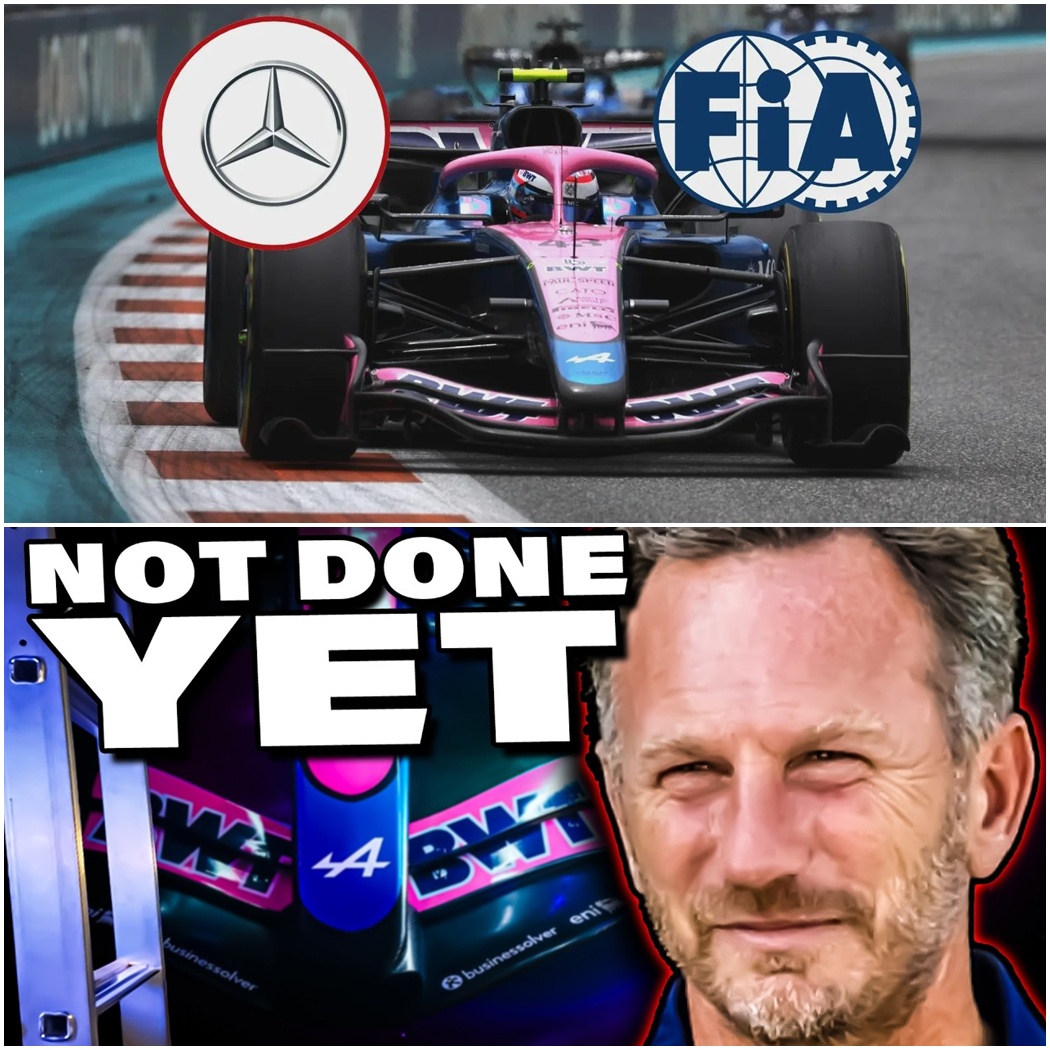
Formula One has always been a sport where the drama unfolding behind the closed doors of the paddock easily rivals the high-speed spectacle taking place out on the tarmac. However, the current political landscape is reaching an unprecedented boiling point. The Federation Internationale de l’Automobile (FIA) has dramatically entered the fray, and if the corporate heavyweights at Mercedes were quietly hoping to smoothly buy their way into the Alpine Formula One team, they have just hit a massive, immovable roadblock. Suddenly, amidst a whirlwind of corporate espionage and strategic manoeuvring, Christian Horner might just find himself stepping right back into the absolute centre of the frame.
At the recent Miami Grand Prix, FIA President Mohammed Ben Sulayem confirmed that his organisation is actively and aggressively looking into the complex regulations surrounding who is actually permitted to own Formula One teams. Adding fuel to this already raging fire, McLaren CEO Zak Brown has formally put his own fierce arguments in writing. He delivered a blistering six-page formal letter directly to Ben Sulayem’s desk, urgently calling for immediate, sweeping rule changes regarding dual team ownership. The most fascinating and surprising element of this entire political saga is that, contrary to popular belief, this targeted attack is not aimed at Red Bull Racing.
It is incredibly easy to jump to the conclusion that this is simply yet another exhausting chapter in the decade-long saga between Christian Horner and Toto Wolff. That is the simple interpretation, the narrative that practically writes itself for the drive-to-survive generation. But to truly understand the sheer magnitude of what is happening, we must broaden our understanding of the sport’s current financial ecosystem. There is vastly more going on beneath the surface than a petty rivalry. The entire future structure of Formula One ownership is currently hanging in the balance, and the stakes have literally never been higher.
The catalyst for this entire boardroom war is the availability of a highly coveted twenty-four per cent stake in the Alpine Formula One team. This opportunity arrives at a moment when the financial valuations of Formula One teams have skyrocketed to absolutely ridiculous, unprecedented levels. Not so long ago, perhaps as recently as 2020, buying into a team on the grid was viewed by many as a glamorous vanity project—a very expensive hobby for wandering billionaires who wanted VIP access on a Sunday afternoon. Today, it is a ruthlessly serious commercial investment. Individuals and corporations are now expected to willingly spend several hundreds of millions of pounds simply to acquire a minority fraction of a mid-field organisation.
The Alpine team itself has undergone a radical transformation since that original stake was sold. They have dramatically shifted from being a traditional, independent works team to operating as a highly competitive customer team. While they may have lost the nostalgic, romantic allure that historically made teams like Williams such a draw, they are currently a Mercedes customer with phenomenal upside potential. In recent weeks, they have been genuinely competing on track with the Red Bulls, sitting merely a handful of points behind them in the constructors’ championship, a stark contrast to the massive deficits they suffered in previous years. Now, the very same German manufacturer whose engine supply deal helped make Alpine such an attractive asset is aggressively attempting to buy into it.
As the situation stands, three distinct buyers are publicly circling the Enstone-based outfit. First, there is the colossal might of Mercedes. This pursuit has already been openly declared and even confirmed by Alpine’s influential executive advisor, Flavio Briatore. Mercedes currently supplies the gearbox and the power unit to the team. Initially, widespread reports suggested that team principal Toto Wolff might be investing his personal wealth into the team, having recently divested himself of certain other Mercedes-related investments. However, the narrative has shifted. It is now explicitly clear that Mercedes, the overarching corporate entity, is the one looking to buy into the team.

Mercedes has very carefully chosen its public language, describing itself not as a traditional “potential investor,” but rather as a “key strategic partner” that would be intensely invested in how the Alpine team develops. Wolff added to this corporate origami by insisting they have absolutely no desire to create a “junior team.” To seasoned paddock insiders, this highly elaborate phrasing requires careful unfolding to reveal the true underlying message: Mercedes desires influence, data, and political leverage without the overt stigma of running a B-team.
Then, walking out from the shadows, comes Christian Horner. With his gardening leave officially done and dusted, he is now entirely free to roam the paddock and ruthlessly explore his lucrative options. If you mistakenly believe that this is simply Horner walking around with millions in his back pocket trying to start a vanity project, you are sorely mistaken. He comes heavily armed with serious venture capital backing from MSP Sports Capital. For those unfamiliar with the financial heavyweights of the sport, MSP has significant previous experience in Formula One, having previously invested heavily in McLaren.
Horner possesses decades of invaluable experience successfully leading a championship-winning team as a CEO, and he now has massive institutional backing. Furthermore, he has been incredibly explicit about his true intentions. He is not actively hunting for Flavio Briatore’s job, nor is he trying to unseat the current team principal. Christian Horner wants what Toto Wolff has: ownership. He desperately wants a permanent, untouchable seat at the highest table that cannot be abruptly taken away by a corporate board sitting in an office in Salzburg. He is looking to build an absolute fortress.
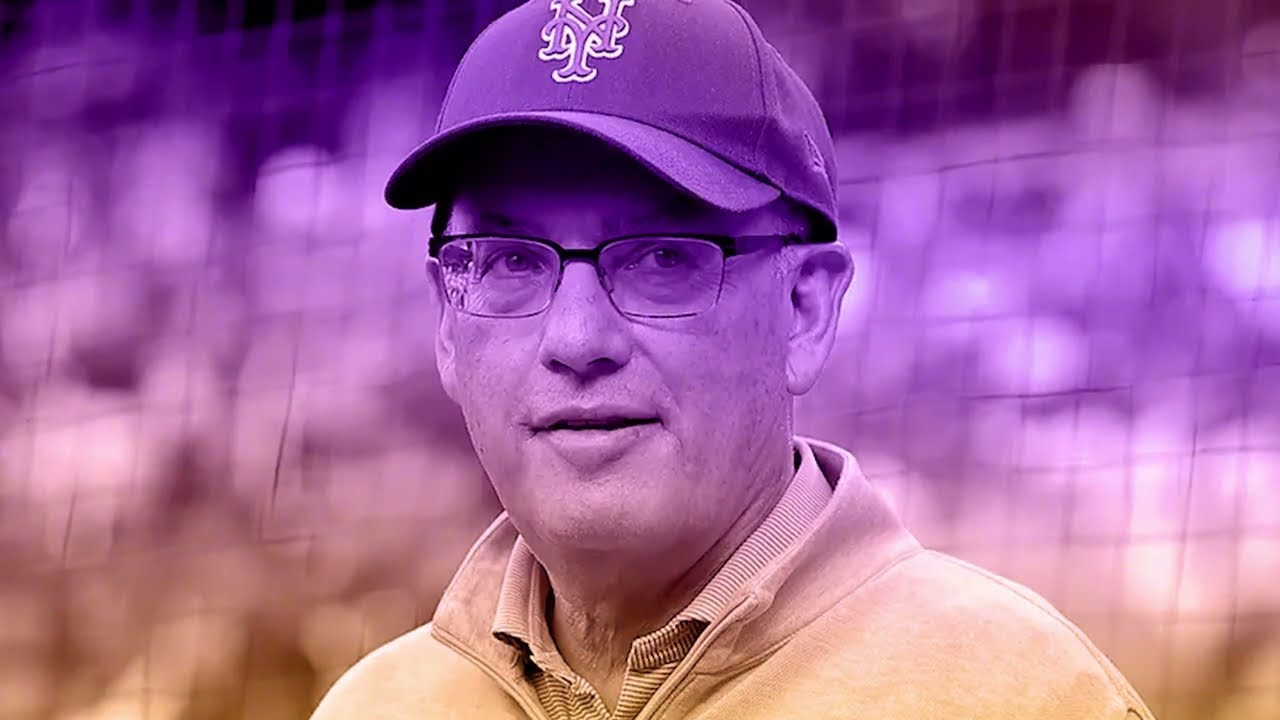
However, a third, incredibly disruptive buyer has entered the arena: Steve Cohen. As the founder of Point72 Asset Management and the fabulously wealthy owner of the New York Mets baseball team, Cohen has absolutely zero historical connections to Formula One. Yet, his reported financial bid allegedly values the Alpine stake significantly higher than the offers presented by either Horner’s consortium or Mercedes. In the ruthless world of international business, cash is often king, and Cohen is waving the biggest cheque.
There are, however, incredibly strict contractual conditions governing this entire sale. Official circuit documents reveal that any third party wishing to buy into the Alpine F1 team stake from the current holders, Otro Capital, is legally prohibited from doing so until three full years have passed since the original paperwork was signed. That critical, looming deadline is September the 13th. If any party attempts to force a deal through before that specific date, the overarching Renault board must give their absolute, unanimous approval to the candidate. According to multiple well-placed sources, Renault has naturally been showing far more support for the Mercedes bid. Given the sheer amount of championship points generated by their new technical partnership, it is entirely logical. A permanent stake involving Mercedes would likely bring vastly more technical value and commercial success to the team than a group of celebrity investors ever could.
But once that September deadline passes, the contractual doors are blown wide open. It becomes an absolute free-for-all, heavily favouring the highest bidder regardless of their sporting pedigree. This rapidly approaching deadline is precisely why the recent political posturing from FIA President Mohammed Ben Sulayem and McLaren’s Zak Brown is so incredibly important. The timing could not possibly be spicier.
Zak Brown’s devastating six-page open letter specifically targets the terrifying concept of dual-team ownership and sporting integrity. Brown violently highlighted the controversial situation that occurred during the 2024 Singapore Grand Prix. During his final race, Daniel Ricciardo—driving for the Red Bull-owned sister team—secured the fastest lap, deliberately denying McLaren’s Lando Norris a crucial championship bonus point. Brown used this glaring example to fiercely illustrate what happens when sporting integrity goes unchecked, comparing it to a Premier League scenario where two competing football clubs are owned by the exact same holding group, actively manipulating the final results to save each other.
Crucially, Brown’s letter strongly calls for a total ban on all future co-ownership arrangements. Because the existing Red Bull structure is already grandfathered into the sport, Brown’s crosshairs are firmly and intentionally locked onto the future: specifically, the pending Mercedes-Alpine deal. As the rivalry between McLaren and Mercedes grows increasingly bitter over engine data and technical cooperation, Brown is leveraging every political tool available to stop Wolff from expanding his empire.
This situation also spectacularly exposes what many in the paddock view as glaring hypocrisy from Toto Wolff. Cast your mind back to the intense drama of 2021 when Alexander Albon was first in line for a vacant seat at Williams. Wolff vehemently objected to the move, furiously arguing that placing a Red Bull-contracted driver inside a Mercedes customer team was an unacceptable conflict of interest. He dramatically suggested Albon would act as a corporate mole, secretly feeding confidential power unit data directly back to Christian Horner. Now, just a few years later, Wolff finds himself on the complete opposite side of the argument, actively attempting to become a partial owner of a rival customer team.
Meanwhile, the deeply complex history between Christian Horner and Flavio Briatore adds another volatile layer of drama. In the past, Briatore firmly brushed aside any notion of Horner being involved with Alpine. Yet, recently, the flamboyant Italian executive significantly changed his tune, subtly opening the door and admitting that depending on the proposed structure, there would be “no problem.” Briatore is a legendary survivor of the Formula One ‘Piranha Club’. He knows exactly what is happening. By moving from complete denial to basic confirmation within a matter of months, he is strategically playing the media. However, given their past public clashes—such as Briatore defending Fernando Alonso against Horner’s criticisms, and Horner ruthlessly dropping Pierre Gasly—a future partnership between the two would be a spectacular political powder keg.
Ultimately, this entire saga represents a much larger, historic battle for the absolute soul of Formula One. The FIA and Formula One Management are growing increasingly exhausted by the immense power wielded by the major manufacturers. The governing bodies feel undermined and embarrassed by the complexities of the impending 2026 engine regulations, which were heavily shaped by the very manufacturers who are now complaining about them. By strictly policing the Alpine sale and potentially blocking Mercedes from gaining further regulatory voting power, the FIA is aggressively attempting to take back control of their own sport.
If Zak Brown’s proposed regulatory framework is officially adopted before the September 13th deadline, it effectively blocks Mercedes through the rulebook rather than relying on Renault’s preferences. This specific outcome would leave Christian Horner, completely free of any existing team affiliations, perfectly positioned to swoop in and purchase the stake with his powerful venture capital partners. Alternatively, if the clock simply runs out, Steve Cohen and his infinite Wall Street wealth could blindly outbid them all, leaving Formula One with a faceless billionaire owner and completely rendering the political machinations of Wolff, Horner, and Brown entirely pointless. As the clock ticks down, the billion-dollar boardroom war continues to rage, and the very fabric of Formula One is being violently pulled apart.








