The Death of Park Fermé? How F1’s Secret “Rain Hazard” Rule Will Transform the 2026 Season
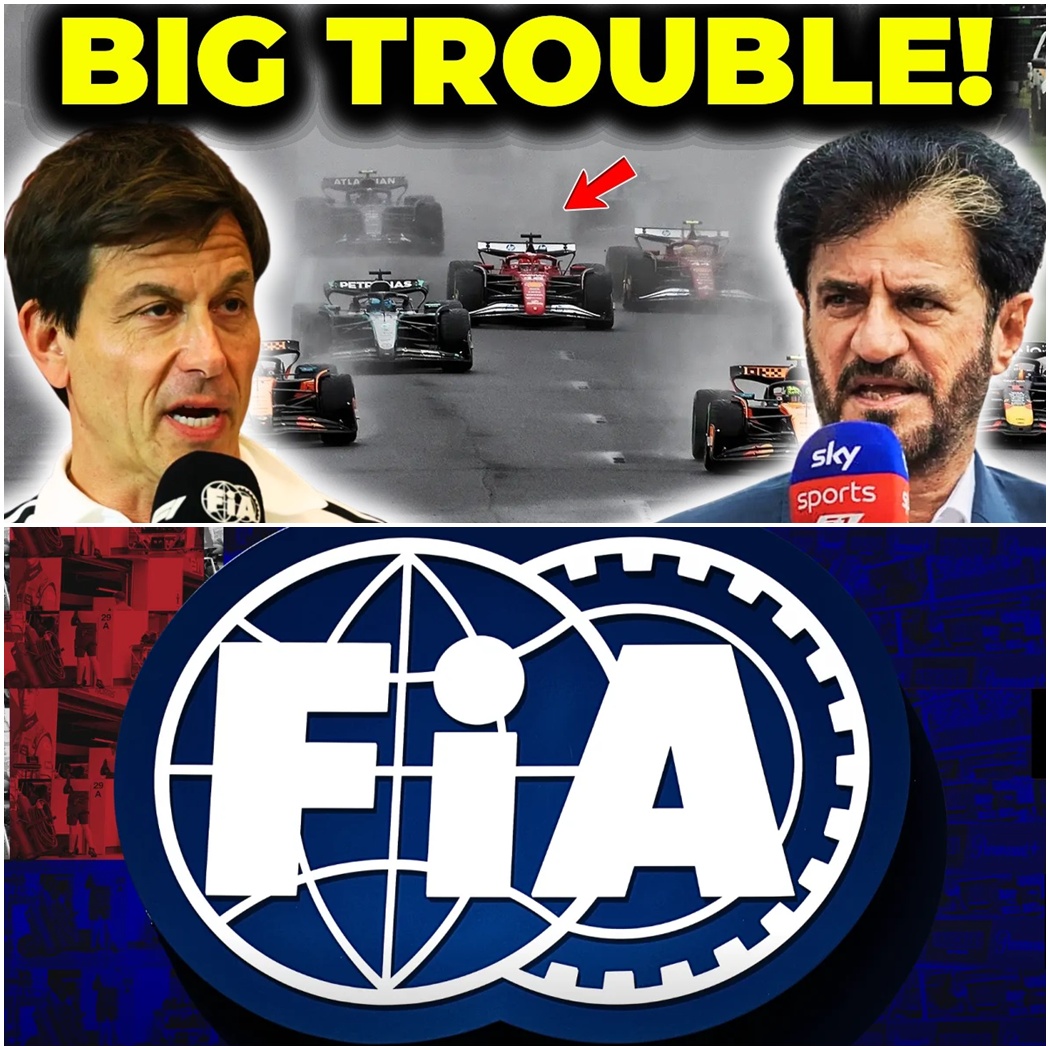
For over two decades, Formula 1 has been governed by one “iron law”: Parc Fermé. Once a car leaves the garage for qualifying, it is effectively locked in a mechanical time capsule. Whether a heatwave strikes or a monsoon rolls in, the setup you qualify with is the setup you must race. But as the 2026 season kicks off in Melbourne, that law has been quietly—and radically—rewritten.
Buried deep within a 200-page sporting regulation document (Article B1 5.11, published February 27th), the FIA has introduced the “Rain Hazard” provision. This rule allows teams to override Parc Fermé restrictions under specific weather conditions, addressing a safety crisis that has haunted the sport for years.

The End of “Undrivable” Cars The history of F1 is littered with “parked” races and dangerous crashes caused by cars locked into dry-weather setups during sudden downpours. From the 2021 Spa-Francorchamps “non-race” to the terrifying aquaplaning at Brazil in 2016, drivers have long complained that modern ground-effect cars become “suicide machines” in the wet. When a car sits too low, water trapped under the floor acts as a hydroplane, lifting the 800kg machine off the track entirely.
The new rule changes the game. If the official weather service predicts a 40% probability of rain, or if the Race Director declares a “Rain Hazard” at their own discretion, teams are granted a 2-hour window before qualifying to prepare for a dual-setup strategy.
What Can Actually Be Changed? While teams can’t rebuild the entire car, the FIA is now allowing modifications to the two most critical variables for wet-weather survival:
Ride Height: Teams can raise the car to allow water to pass under the floor, preventing the “hydroplane” effect.
Wing Incidence Angles: To compensate for the loss of floor downforce, teams can increase the angle of front and rear wings to “claw back” grip from above.
The New Performance Frontier: Meteorology This isn’t just a safety rule; it’s a strategic weapon. In the past, teams expecting rain had to run a “compromised” setup in dry qualifying—too slow for the front row, but safe for a wet Sunday. Now, elite teams like Red Bull, Ferrari, and Mercedes can run an aggressive, “slammed” qualifying setup for maximum one-lap pace, knowing they can legally raise the car overnight if the 40% rain threshold is met.
This shifts the competitive edge from the mechanics to the meteorologists. The wealthiest teams already invest millions in proprietary weather tracking. A team that correctly identifies a “Rain Hazard” window 24 hours early can begin simulator work on their “wet-build” while rivals are still focused on the dry.
A Calendar of Chaos The 40% threshold isn’t a high bar. Based on historical data, this rule could be triggered at nearly one-third of the races on the 2026 calendar—including Melbourne, Shanghai, Imola, Montreal, Silverstone, Spa, and Suzuka.
As we head into the Australian Grand Prix, the paddock is bracing for a weekend where the most important person in the garage isn’t the driver or the lead engineer—it’s the person watching the radar. Is this the beginning of the end for Parc Fermé, or a necessary evolution to keep drivers alive in an era of extreme weather? One thing is certain: the tactical landscape of Formula 1 has just changed forever.








