The 2026 F1 Revolution Begins: Mercedes Dominance, a Verstappen Disaster, and a Paddock in Open Revolt
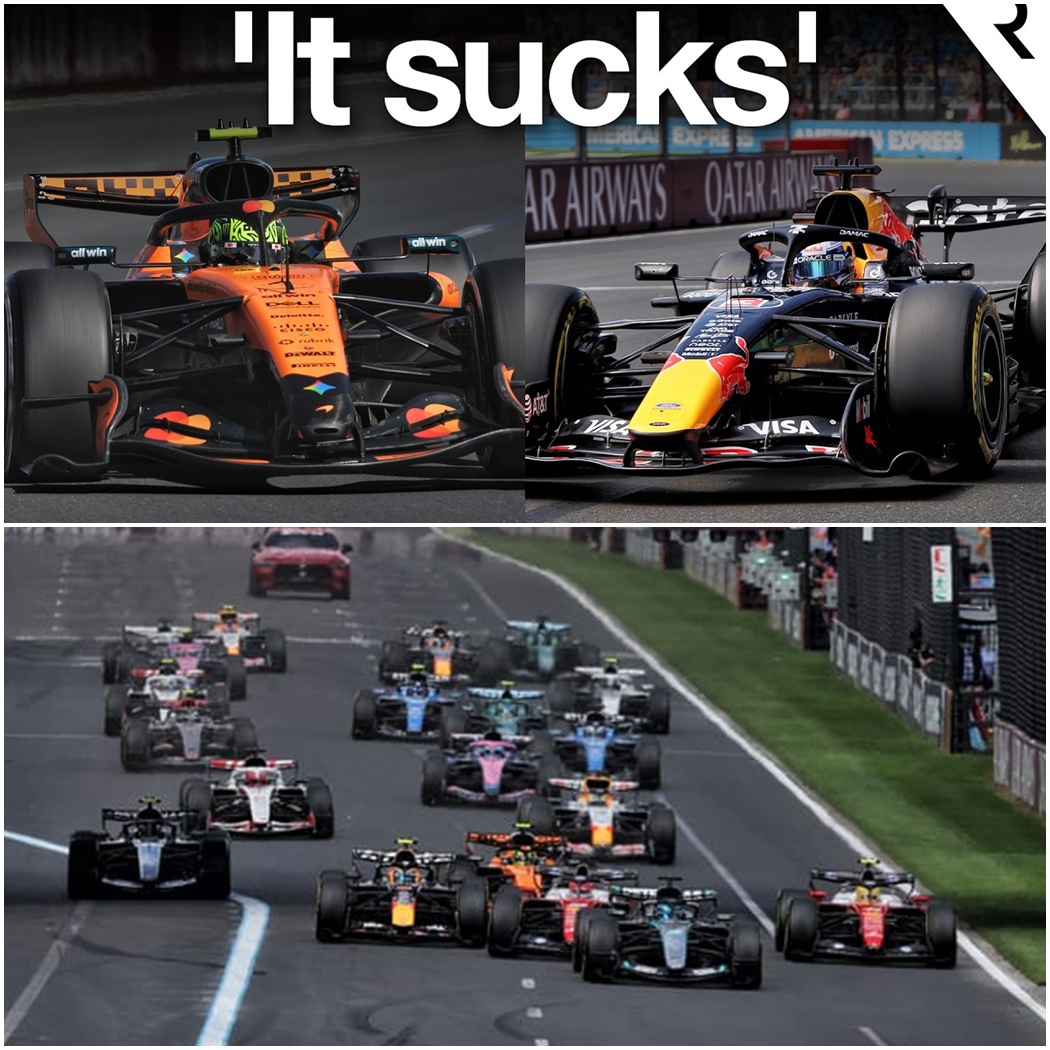
The long-awaited 2026 Formula 1 season has finally burst into life under the bright lights of Albert Park, but the dawn of this new era has brought as much controversy as it has speed. For months, the paddock lived on a diet of rumors and “sandbagging” theories, with every team playing a high-stakes game of poker regarding their true performance. On Saturday in Melbourne, the fuel finally came out, the masks were dropped, and the reality of the 2026 regulations was laid bare. What we witnessed was a qualifying session that may have fundamentally shifted the power dynamic of the sport for years to come, leaving some in celebration and others in a state of existential dread.
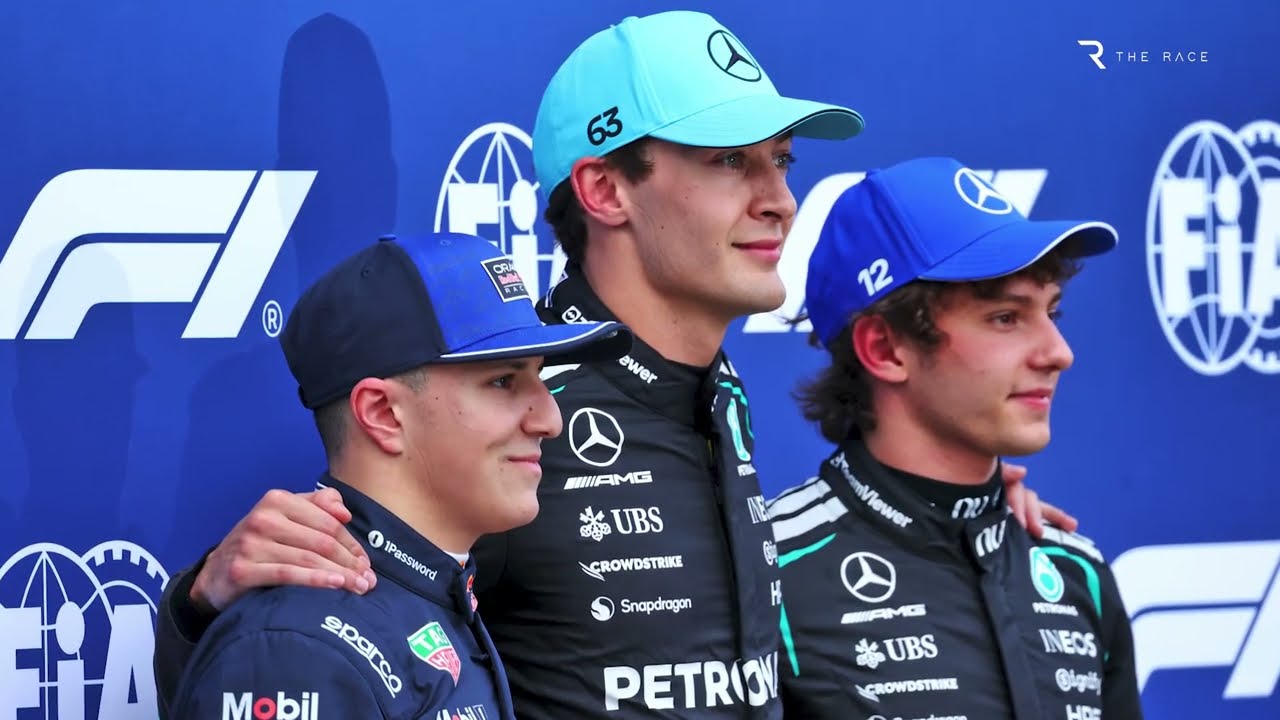
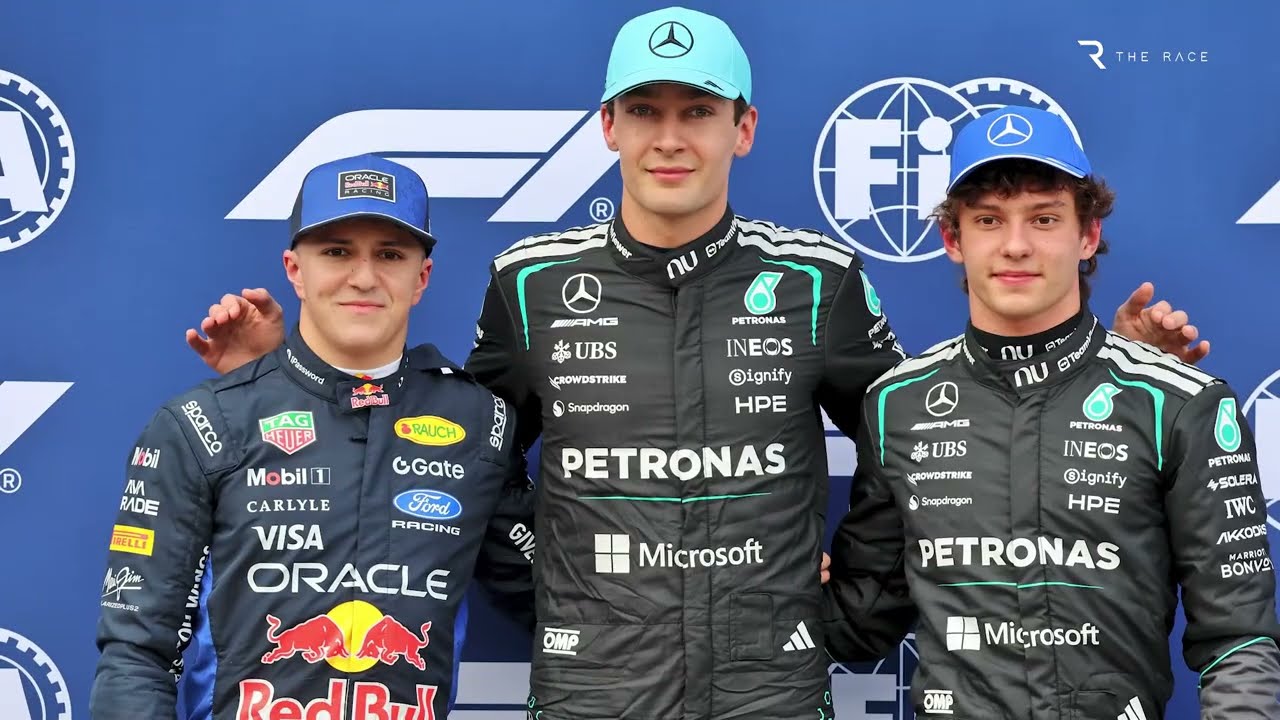
The headline of the day is, without question, the return of the Mercedes juggernaut. Throughout preseason testing, there were whispers that the Silver Arrows had found something special within the new engine regulations. Those whispers turned into a deafening roar as George Russell claimed pole position with a margin of nearly eight-tenths of a second over the nearest non-Mercedes car. In a sport where championships are often decided by thousandths of a second, an 0.8s gap is not just an advantage—it is a statement of total supremacy. Russell’s lap wasn’t just fast; it was a clinical exhibition of how to manage the complex energy harvesting and deployment systems that define this new generation of power units.
Mercedes’ advantage appears to be multifaceted. While their power unit is clearly the class of the field, the team has also mastered the “energy regime” better than anyone else. In 2026, F1 is no longer just about raw horsepower; it’s about when and where you deploy that power and how efficiently you can harvest it back. The Mercedes works team has found a way to minimize the “clipping” at the end of straights that is currently plaguing their rivals. While other cars are visibly slowing down as their batteries run dry, the Mercedes W17 continues to pull, turning the Albert Park straights into a personal playground for George Russell.
This dominance has left the rest of the grid—and even Mercedes’ own customer teams—reeling. McLaren, the reigning world champions, found themselves nearly nine-tenths of a second off the pace. It is a sobering reality for Lando Norris and Oscar Piastri, who expected to be fighting for wins right out of the gate. The gap is even more pronounced for teams like Alpine and Williams, who are trailing by two to two-and-a-half seconds. The question on everyone’s lips is: if they have the same engine, why is the gap so large? According to McLaren’s Andrea Stella, it comes down to the “knowledge deficit.” Mercedes simply knows how to optimize the software and energy strategies of their hardware better than anyone else, leaving their customers to play a desperate game of catch-up.
However, the speed on the track was almost overshadowed by the simmering anger in the cockpit. F1 drivers are notoriously protective of the sport’s “DNA,” and the 2026 cars have clearly rubbed many the wrong way. Max Verstappen, usually a man of few words, led a chorus of disapproval following a disastrous qualifying session that saw him finish 20th after a technical failure sent him into the barriers. Verstappen was blunt, admitting he was having “no fun” with the new machinery. He isn’t alone. Lando Norris went even further, lamenting that the sport has transitioned from the “best cars ever” in the previous era to what he described as “perhaps its worst.”
The frustration stems from the “sketchy” nature of the cars. Under the new rules, drivers are forced to save energy at the end of high-speed sections, leading to unpredictable handling and a lack of the “on-the-rails” feel that F1 is known for. This tension reached a breaking point on Saturday morning when the FIA attempted to unilaterally scrap a “straight mode” activation zone between turns six and nine on safety grounds. The move backfired spectacularly, triggering a unified revolt from teams and drivers. The paddock erupted into political theater as competitors argued that changing the rules two hours before practice would ruin their setups and make the cars even slower—approaching corners 50 km/h slower than a Formula 3 car in some simulations. The FIA eventually performed a U-turn, but the damage to the relationship between the governing body and the athletes was already done.
Amidst the chaos, there were flashes of individual brilliance. Isack Hadjar, making his debut for Red Bull Racing, stepped up in Verstappen’s absence to claim an incredible third place on the grid. In a session where the veterans were complaining about the “drivability” of the cars, the young Frenchman seemed to embrace the challenge, pipping Ferrari’s Charles Leclerc and McLaren’s Oscar Piastri by the narrowest of margins. It was a performance that suggests the future of the sport is in good hands, even if the current regulations are in a state of flux.
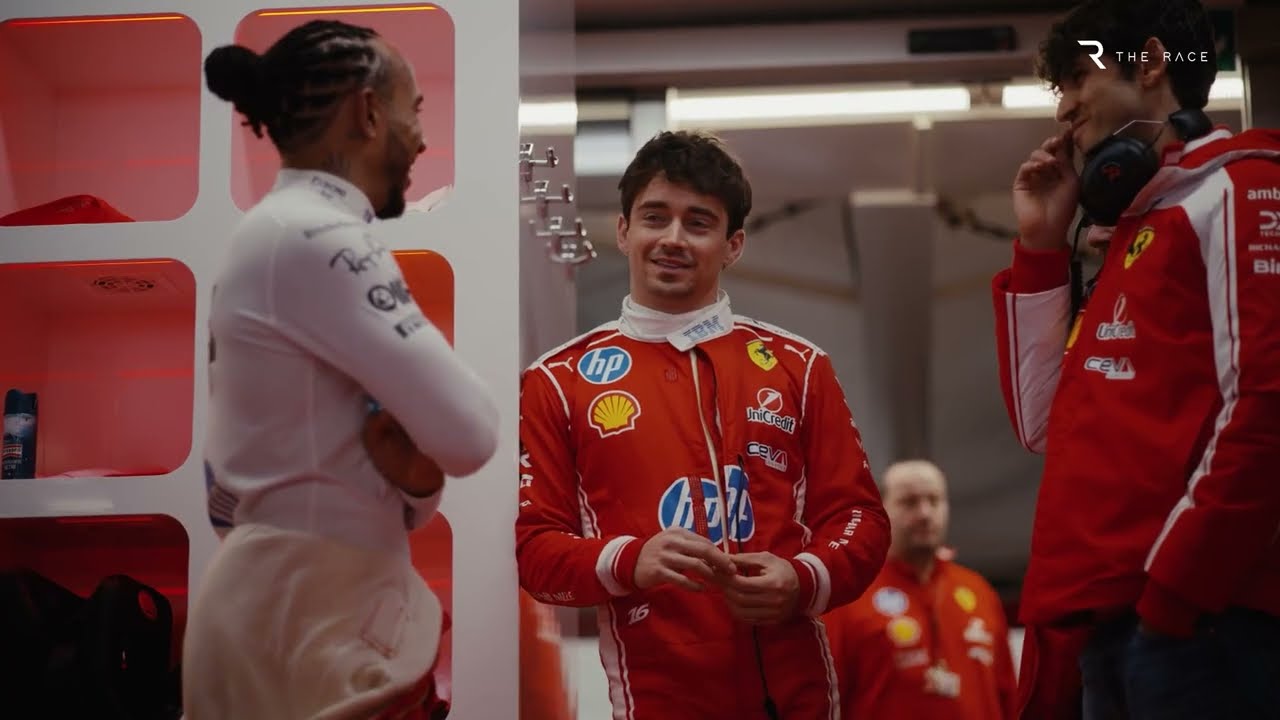
For Ferrari, the results were a bitter pill to swallow. After showing strong form in preseason testing and topping the timesheets on Friday, the Tifosi expected a genuine fight for pole. Instead, Leclerc and Hamilton (in his first qualifying for the Scuderia) found themselves in fourth and seventh, struggling with vague energy deployment issues. The gap to Mercedes was even larger than Leclerc’s most pessimistic predictions, signaling that the Maranello team has a mountain to climb if they want to challenge for the title in this new era.
Further down the grid, the midfield has become a compressed battleground. Racing Bulls emerged as the leaders of the pack, with Liam Lawson and debutant Arvid Lindblad both making it into Q3. Despite some engine mapping issues for Lindblad on his final run, the junior team showed that smart engineering can still overcome some of the inherent flaws of the 2026 package. Meanwhile, Fernando Alonso managed to drag his Aston Martin to 17th—a result that sounds poor on paper but is actually an achievement given the severe vibrations and reliability woes that have plagued the team’s Honda power unit all weekend.
As we look toward Sunday’s Grand Prix, the narrative is split. On one hand, we have the technical mastery of Mercedes and the potential for George Russell to walk away with a dominant victory. On the other, we have a sport in the midst of a mid-life crisis. The 2026 regulations were designed to be more sustainable and technologically advanced, but if they come at the cost of driver enjoyment and competitive balance, the FIA may find themselves under increasing pressure to make changes mid-season.
For now, all eyes are on the start line at Albert Park. With Verstappen starting from the back, a hungry rookie in third, and a Mercedes team that looks untouchable, the first race of the 2026 season promises to be a rollercoaster of high-speed strategy and political intrigue. Whether these cars are “the worst ever” or simply a new challenge to be mastered remains to be seen, but one thing is certain: Formula 1 has never been more unpredictable or more divided.








